

 Предпросмотр
 Поделиться
 Поделиться
 Детали произведения

 Скачать
 Похожие работы
 Рентгенография
 Слайд-шоу
 Статистика
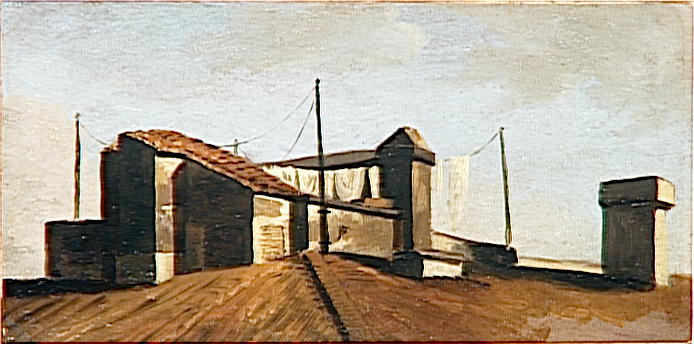
LOGGIA A ROME LE TOIT AU SOLEIL


 Читать далее
Жикле / Арт-принт
Печать (жикле) или холст музейного качества с быстрыми сроками изготовления и широким выбором вариантов отделки. ( Купить картину ручной работы Перейти к цифровым изображениям)




P118B $10

P118H $10

P118W $10

P438Z $10

P508JH $12

P508YH $12

P805H $10

P805Z $10

P919BZ $10

P919G $10

P919XJ $10

P959ZH $10

P968JZ $12

W106C $8

W218G $10

W218JH $8

W218Y $10

W307PJ $10

W316G $10

W316PJ $8

W316Y $10

W398PJ $8

W4111J $10

W500HY $15

W500JH $15

W692G $12

W849H $8

W940BG $15

W953PJ $8




Выберите один из наших стандартных размеров, соответствующих оригинальным пропорциям произведения искусства.

Вы можете указать свои собственные размеры, чтобы репродукция идеально подошла под конкретную раму или пространство. Если выбранный вами размер не будет соответствовать пропорциям оригинала, мы либо обрежем произведение, либо дополним изображение зеркальным отражением краев или однотонной заливкой. Перед началом производства вам будет отправлен цифровой макет для утверждения.
Пожалуйста, обратите внимание, что предварительный просмотр на экране не отображает фактическую обрезку или расширение изображения. Только макет точно покажет финальную композицию.
Несмотря на возможность заказа индивидуальных размеров, мы рекомендуем выбирать размер из предопределенного списка, чтобы сохранить оригинальные пропорции.
Доставка по всему миру () за 2 недели вместо стандартных 4/5 недель. (13 Сентябрь)

Бесплатная экспресс-доставка по всему миру

Высококачественный льняной холст

Полное страхование доставки

Гарантия возмещения таможенных пошлин

Гарантия точного соответствия цветов

100-дневная политика возврата (только при обнаружении дефектов)

Гарантия возврата 100% средств

Предложение оптовых скидок
 Вариант со стеклом доступен только для размеров менее 110 см

LOGGIA A ROME LE TOIT AU SOLEIL
Жикле / Арт-принт
Размер репродукции
-


Итоговая стоимость
$ 62
A Roman Reverie: Valenciennes’ “Loggia à Rome, le toit au soleil”
Pierre-Henri de Valenciennes' "Loggia à Rome, le toit au soleil" isn’t merely a depiction of an Italian architectural fragment; it’s a carefully constructed evocation of light, atmosphere, and the quiet contemplation inherent in observing the world. Painted around 1782-1784, this oil on canvas offers a glimpse into Valenciennes' pioneering approach to landscape painting – his embrace of “en plein air,” or working directly from nature—a revolutionary concept at the time. The scene unfolds within a Roman loggia, its weathered stone walls and supporting pillars framing a pale, almost ethereal sky. The composition is dominated by horizontal lines, mirroring the stability and grandeur of the architecture, yet softened by the artist’s loose, expressive brushstrokes.
Valenciennes wasn't interested in photographic realism; instead, he sought to capture the *feeling* of a place – its light, its mood. The muted palette—a blend of ochres, grays, and subtle blues—contributes significantly to this effect. Notice how the light seems diffused, as if filtering through a hazy afternoon sky, casting long shadows that subtly define the loggia’s form. This deliberate lack of stark contrast creates a sense of serenity and timelessness, inviting the viewer into a moment of peaceful observation. The artist's technique is remarkably quick and confident; the visible brushstrokes suggest an immediacy, as if he were capturing the scene before it shifted again.
The Rise of “Landscape Portraits”
Valenciennes’ work represents a pivotal shift in artistic practice. Prior to his theories, landscape painting was often confined to idealized representations of idyllic scenery. Valenciennes, however, championed the idea of the "landscape portrait," a genre where the artist directly observed and painted a scene while experiencing it firsthand. This approach wasn't simply about recording appearances; it was about capturing the *essence* of a place – its light, its atmosphere, and even the subtle shifts in color that occur throughout the day. His treatise, “Reflections and Advice to a Student on Painting, Particularly on Landscape,” outlined this philosophy, arguing for the importance of direct observation and the recording of specific details.
This painting exemplifies Valenciennes’ commitment to this new approach. The slightly skewed perspective, the emphasis on architectural detail, and the palpable sense of light all point to a deliberate effort to capture not just what the loggia *looked* like, but how it *felt* to be there – bathed in the Roman sun, observing its quiet beauty.
Symbolism and Context
The “Loggia à Rome” is more than just a picturesque view; it’s imbued with symbolic resonance. The loggia itself represents a space of refuge, a place for contemplation and respite from the bustling city. The title, "le toit au soleil," – “the roof to the sun” – suggests an appreciation for the simple pleasures of light and warmth, a theme central to Valenciennes’ artistic vision. Considering the historical context—the late 18th century, a period marked by intellectual ferment and a growing interest in empirical observation—this painting can be seen as a reflection of broader cultural shifts.
The work aligns with the Rococo and early Romantic movements, characterized by an emphasis on emotion, subjective experience, and the beauty of nature. Valenciennes’ focus on capturing atmospheric conditions and his willingness to prioritize feeling over strict representation anticipate many of the developments in landscape painting that would follow. His influence extended beyond his own paintings, shaping the work of subsequent generations of artists.
A Timeless Masterpiece for Your Space
Reproductions of “Loggia à Rome, le toit au soleil” offer a remarkable opportunity to bring this evocative scene into your home or office. The painting’s serene atmosphere and subtle color palette make it an ideal choice for creating a calming and contemplative space. Its timeless appeal—a celebration of light, architecture, and the beauty of the natural world—will undoubtedly enhance any interior design scheme. Consider how the painting's horizontal lines and muted tones can complement both modern and traditional décor styles.
Похожие произведения
Биография художника
Ранние годы и обучение
Пьер-Анри де Валансен, выдающийся французский живописец, родился 6 декабря 1750 года. Хотя точное место его рождения не зафиксировано в сохранившихся документах, его вклад в мировое искусство неоспорим и прекрасно задокументирован. Сведения о раннем обучении и образовании мастера немногочисленны, однако важным этапом в его жизни стало пребывание в Риме с 1778 по 1882 год. Именно там, вдохновленный итальянскими пейзажами, он создал множество этюдов, написанных непосредственно на природе.Вклад в развитие пленэрной живописи
Де Валансен сыграл решающую роль в повышении статуса техники en plein air, или живописи на открытом воздухе. Его римский опыт лег в основу глубокой художественной теории, изложенной в его знаменитом трактате 1800 года «Размышления и советы ученику о живописи, в особенности о пейзаже». В этой работе он представил революционную концепцию «пейзажного портрета», когда художник пишет ландшафт прямо перед собой, стремясь запечатлеть его уникальные, неповторимые детали. Такой подход позволил де Валансену улавливать мимолетные изменения природы, вызванные игрой света и капризами погоды.Знаменитые ученики и влияние
Наследие мастера проявилось и в успехах его последователей. Среди его наиболее выдающихся учеников были Жан-Виктор Бертен, Ашиль Этна Мишалон, Луи Этьен Вателе, Луи-Франсуа Лежен, а также первый французский мастер панорамной живописи Пьер Прево. Влияние де Валансена на этих художников и его новаторский вклад в развитие пленэрной техники оставили неизгладимый след в истории искусства.Последние годы и смерть
Де Валансен ушел из жизни в Париже 16 февраля 1819 года. Он был похоронен на знаменитом кладбище Пер-Лашез — легендарном некрополе Парижа, где покоятся величайшие деятели культуры.- Посмотрите работы Пьера-Анри де Валансена на ArtsDot.com
- Изучите коллекцию Музея изящных искусств Валанса, представляющего европейскую живопись и скульптуру, на ArtsDot.com
- Узнайте больше о французском искусстве и его истории в Wikipedia
Наследие
Наследие Пьера-Анри де Валансена в мире искусства неоспоримо. Его новаторские поиски в области пленэрной живописи вдохновляли целые поколения художников, и его влияние ощущается по сей день. Через свои теоретические труды и своих учеников де Валансен оставил вечный след в сокровищнице мирового искусства.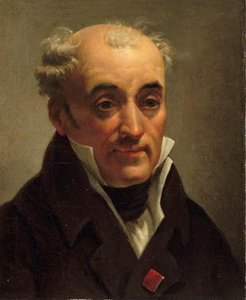
Пьер-Анри Де Валансьен
1750 - 1819
Основные сведения
- Artistic Movement Or Style: Живопись на пленэре
- Artists Or Movements Influenced By This Artist: ['Пьер Шовен']
- Artists Who Influenced This Artist:
- Жан Виктор Бертен
- Ашиль Этна Мишалон
- Date Of Birth: 6 декабря 1750 г.
- Date Of Death: 16 февраля 1819 г.
- Full Name: Пьер Анри де Валансьен
- Nationality: Француз
- Notable Artworks:
- Деревня Неми
- У виллы Боргезе, дорога вдоль деревьев
- Place Of Birth: Тулуза, Франция
Похожие статьи
Evocations of Place: A Historical Journey Through Landscape Art
Explore the rich history of landscape art with ArtsDot. Discover renowned artists, movements like Impressionism & tonalism, and expert guidance for collecting timeless pieces. Find your perfect serene escape today!

Романтический пейзаж: 10 шедевров, изменивших искусство | ArtsDot.com
Погрузитесь в мир романтического пейзажа! 10 шедевров Фридриха, Тёрнера и других гениев. Узнайте историю создания культовых картин и вдохновитесь для декора интерьера. Репродукции высокого качества на ArtsDot.com.

Evocations of Place: A Historical Journey Through Landscape Art
Explore the rich history of landscape art with ArtsDot. Discover renowned artists, movements like Impressionism & Romanticism, and expert guidance for collecting timeless pieces. Find your perfect serene escape today!
The Art of Italian Living: Transform Your Home with Timeless Landscapes and Renaissance Masterpieces
Elevate your home with the timeless romance of Italy. Discover expert-curated, hand-painted Italian landscapes and Renaissance-inspired masterpieces. From bespoke oil reproductions to custom portraits from photos, transform your space with elegance and artistic passion.

Топ-25 шедевров Ренуара: искусство, история и вдохновение для интерьера
Погрузитесь в мир Ренуара! 🎨 Откройте топ-25 шедевров импрессионизма, историю создания картин и вдохновляющую красоту. Купите репродукции высокого качества для вашего интерьера на ArtsDot.com – музейное искусство онлайн!