

 Предпросмотр
 Поделиться
 Поделиться
 Детали произведения

 Скачать
 Похожие работы
 Рентгенография
 Слайд-шоу
 Статистика
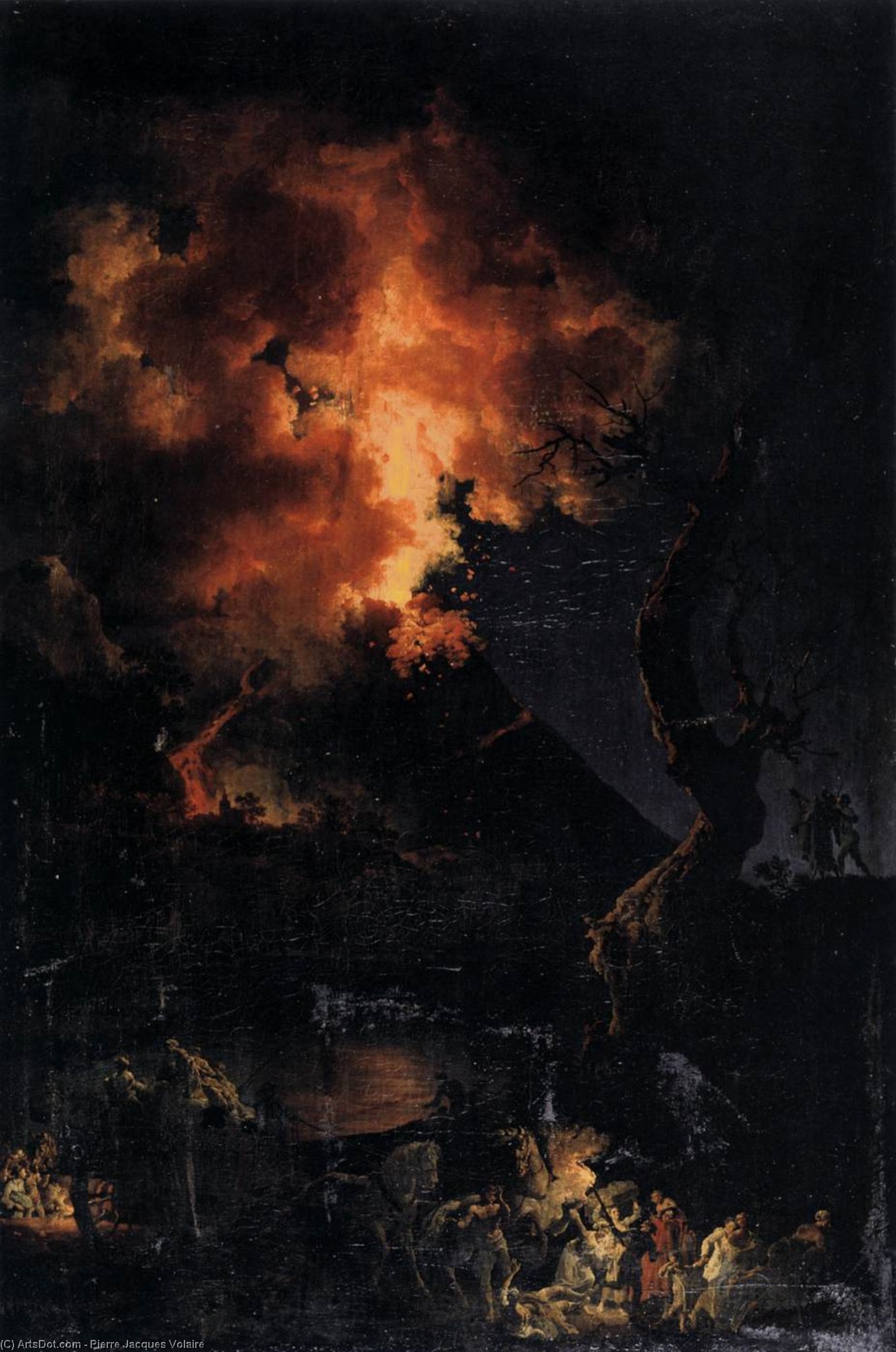
The Eruption of the Vesuvius
 Oil On Canvas
- WallArt
- Romanticism
 1767
1767 169.0 x 75.0 cm
 Лувр
Лувр
 Читать далее
Жикле / Арт-принт
Печать (жикле) или холст музейного качества с быстрыми сроками изготовления и широким выбором вариантов отделки. ( Купить картину ручной работы Перейти к цифровым изображениям)




P118B $10

P118H $10

P118W $10

P438Z $10

P508JH $12

P508YH $12

P805H $10

P805Z $10

P919BZ $10

P919G $10

P919XJ $10

P959ZH $10

P968JZ $12

W106C $8

W218G $10

W218JH $8

W218Y $10

W307PJ $10

W316G $10

W316PJ $8

W316Y $10

W398PJ $8

W4111J $10

W500HY $15

W500JH $15

W692G $12

W849H $8

W940BG $15

W953PJ $8




Выберите один из наших стандартных размеров, соответствующих оригинальным пропорциям произведения искусства.

Вы можете указать свои собственные размеры, чтобы репродукция идеально подошла под конкретную раму или пространство. Если выбранный вами размер не будет соответствовать пропорциям оригинала, мы либо обрежем произведение, либо дополним изображение зеркальным отражением краев или однотонной заливкой. Перед началом производства вам будет отправлен цифровой макет для утверждения.
Пожалуйста, обратите внимание, что предварительный просмотр на экране не отображает фактическую обрезку или расширение изображения. Только макет точно покажет финальную композицию.
Несмотря на возможность заказа индивидуальных размеров, мы рекомендуем выбирать размер из предопределенного списка, чтобы сохранить оригинальные пропорции.
Доставка по всему миру () за 2 недели вместо стандартных 4/5 недель. (13 Сентябрь)

Бесплатная экспресс-доставка по всему миру

Высококачественный льняной холст

Полное страхование доставки

Гарантия возмещения таможенных пошлин

Гарантия точного соответствия цветов

100-дневная политика возврата (только при обнаружении дефектов)

Гарантия возврата 100% средств

Предложение оптовых скидок
 Вариант со стеклом доступен только для размеров менее 110 см

The Eruption of the Vesuvius
Жикле / Арт-принт
Размер репродукции
-


Итоговая стоимость
$ 62
A Chronicle of Chaos: The Eruption of the Vesuvius by Pierre-Jacques Volaire
Pierre-Jacques Volaire’s “The Eruption of the Vesuvius,” painted in 1767, isn't merely a depiction of a volcanic disaster; it’s a visceral embodiment of Romanticism’s fascination with untamed nature and the sublime. This monumental canvas transports the viewer directly into the heart of a catastrophic event – the eruption of Mount Vesuvius that forever altered the landscape of Campania and claimed the lives of thousands. More than just a historical record, it's a carefully constructed drama of light, shadow, and human vulnerability against the overwhelming power of geological forces.
The scene unfolds with dramatic intensity. A towering column of incandescent lava dominates the left side of the composition, its fiery tendrils reaching towards a bruised twilight sky. Below, a village – a ghostly echo of Roman life – is consumed by flames and ash, figures rendered small and terrified against the scale of the destruction. The perspective is deliberately flattened, creating an immediate sense of claustrophobia as if we are plunged directly into the inferno. Volaire masterfully utilizes chiaroscuro—the stark contrast between light and dark—to heighten the drama, emphasizing the searing brilliance of the flames while casting deep shadows that suggest both despair and impending doom.
The Painter’s Vision: Romanticism and Volaire's Influence
Volaire’s work is deeply rooted in the artistic currents of his time. He was a student of Claude Joseph Vernet, a leading figure in the development of landscape painting and particularly adept at capturing dramatic natural events. Vernet instilled in Volaire a profound respect for the power of nature and a willingness to depict its destructive forces with unflinching realism. This influence is evident in Volaire’s bold brushstrokes, his dynamic composition, and his skillful use of color to evoke emotion. The painting aligns perfectly with the tenets of Romanticism – an emphasis on subjective experience, emotional intensity, and the glorification of nature's untamed beauty.
The choice of subject matter itself speaks volumes about the era. Following the excavations at Pompeii in the mid-18th century, there was a renewed public interest in ancient Rome and its dramatic demise. Vesuvius, having erupted repeatedly throughout history, became a potent symbol of both destruction and renewal. Volaire’s painting taps into this fascination, offering viewers a glimpse into a world consumed by chaos while simultaneously celebrating the grandeur and terror of nature's power.
Technique and Materials: A Study in Oil
“The Eruption of the Vesuvius” is executed in oil on canvas, showcasing Volaire’s mastery of technique. The artist employs a rich, impasto application of paint in the areas depicting the flames, creating a tactile surface that seems to writhe with heat and energy. Thicker layers of pigment build up volume and texture, drawing the viewer's eye to the focal points of the composition – the erupting volcano and the terrified figures below. The darker tones used for the village buildings and landscape create a sense of depth and recession, while the vibrant oranges and reds of the flames provide a dramatic counterpoint.
The color palette is carefully considered, dominated by deep browns, blacks, and fiery reds, punctuated by flashes of yellow and orange within the volcanic activity. This restrained yet powerful use of color contributes to the painting’s overall mood of drama and intensity. The artist's attention to detail—from the billowing smoke to the expressions of fear on the faces of the villagers—is remarkable, creating a scene that is both visually arresting and emotionally resonant.
Symbolism and Legacy: A Timeless Image
Beyond its immediate depiction of a volcanic eruption, “The Eruption of the Vesuvius” carries profound symbolic weight. The flames represent destruction, chaos, and the destructive forces of nature. The small figures in the foreground embody human vulnerability and helplessness in the face of overwhelming power. The painting serves as a reminder of humanity’s precarious position within the natural world – a humbling experience that evokes both awe and terror.
Reproductions of this iconic artwork continue to captivate audiences today, offering a powerful visual testament to the enduring legacy of Romanticism and Volaire's artistic genius. Whether adorning a grand salon or a more intimate space, “The Eruption of the Vesuvius” remains a compelling reminder of nature’s raw power and the human condition.
Похожие произведения

Похожие статьи

The Enduring Legacy of Oil on Canvas: Technique, History & Aesthetic Impact
Explore the rich history & techniques of oil painting – from Renaissance masters to Impressionism. Discover pigments, layering methods, and why this timeless medium endures. Expert insights for artists & art enthusiasts.
Топ-25 шедевров Ренуара: искусство, история и вдохновение для интерьера
Погрузитесь в мир Ренуара! 🎨 Откройте топ-25 шедевров импрессионизма, историю создания картин и вдохновляющую красоту. Купите репродукции высокого качества для вашего интерьера на ArtsDot.com – музейное искусство онлайн!

Romantic Realism's Finest: 10 Masterpieces for Your Home | ArtsDot
Explore 10 defining masterpieces of Romantic Realism! Discover Courbet, Millet & Daumier's powerful paintings—capturing emotion and social realities. Find museum-quality reproductions for your home at ArtsDot.com.

Oil on Canvas: A Historical & Technical Exploration of a Timeless Artistic Medium
Explore the rich history & enduring techniques of oil painting on canvas. Discover the science behind its longevity, conservation practices, and contemporary relevance. Expert insights for art enthusiasts.

The Enduring Power of Painting: A Historical & Contemporary Exploration of Form and Emotion
Explore the rich history & enduring techniques of oil painting with ArtsDot. Discover masterpieces, learn about art collecting, and find authentic handmade reproductions crafted by skilled artists.