 Поделиться
 Поделиться
 Детали произведения

 Скачать
 Похожие работы
 Слайд-шоу
 Статистика
Jean Pierre Boyer (1776-1850)


 Читать далее
Масляная репродукция ручной работы
Картина маслом на холсте в выбранном вами размере и раме, написанная на заказ нашими художниками. ( Перейти к печати Перейти к цифровым изображениям)




































Выберите один из наших стандартных размеров, соответствующих оригинальным пропорциям произведения искусства.

Вы можете указать собственные размеры, чтобы картина идеально вписалась в выбранную раму или пространство. Если выбранный вами размер не соответствует пропорциям оригинала, мы либо обрежем полотно, либо расширим его за счет дополнительных элементов, написанных вручную. Цифровой макет будет отправлен вам на утверждение перед началом производства.
Обратите внимание, что предварительный просмотр на экране не отражает фактическую обрезку или расширение. Только макет точно покажет окончательную композицию.
Хотя доступны индивидуальные размеры, мы рекомендуем выбирать вариант из предопределенного списка, чтобы сохранить исходные пропорции.
После оформления заказа команда ArtsDot.com свяжется с клиентом по электронной почте для уточнения деталей и предоставит предварительный макет
Доставка по всему миру () за 3–4 недели вместо стандартных 5 недель. (13 Сентябрь). Без компромиссов в качестве.

Бесплатная экспресс-доставка по всему миру

Высококачественный льняной холст

Полное страхование доставки

Гарантия возмещения таможенных пошлин

Гарантия точного соответствия цветов

100-дневная политика возврата (только при обнаружении дефектов)

Гарантия возврата 100% средств

Предложение оптовых скидок
 Вариант со стеклом доступен только для размеров менее 110 см

Jean Pierre Boyer (1776-1850)
Техника репродукции
Размер репродукции
-


Итоговая стоимость
$ 263
Jean Pierre Boyer: A Coin of Revolution
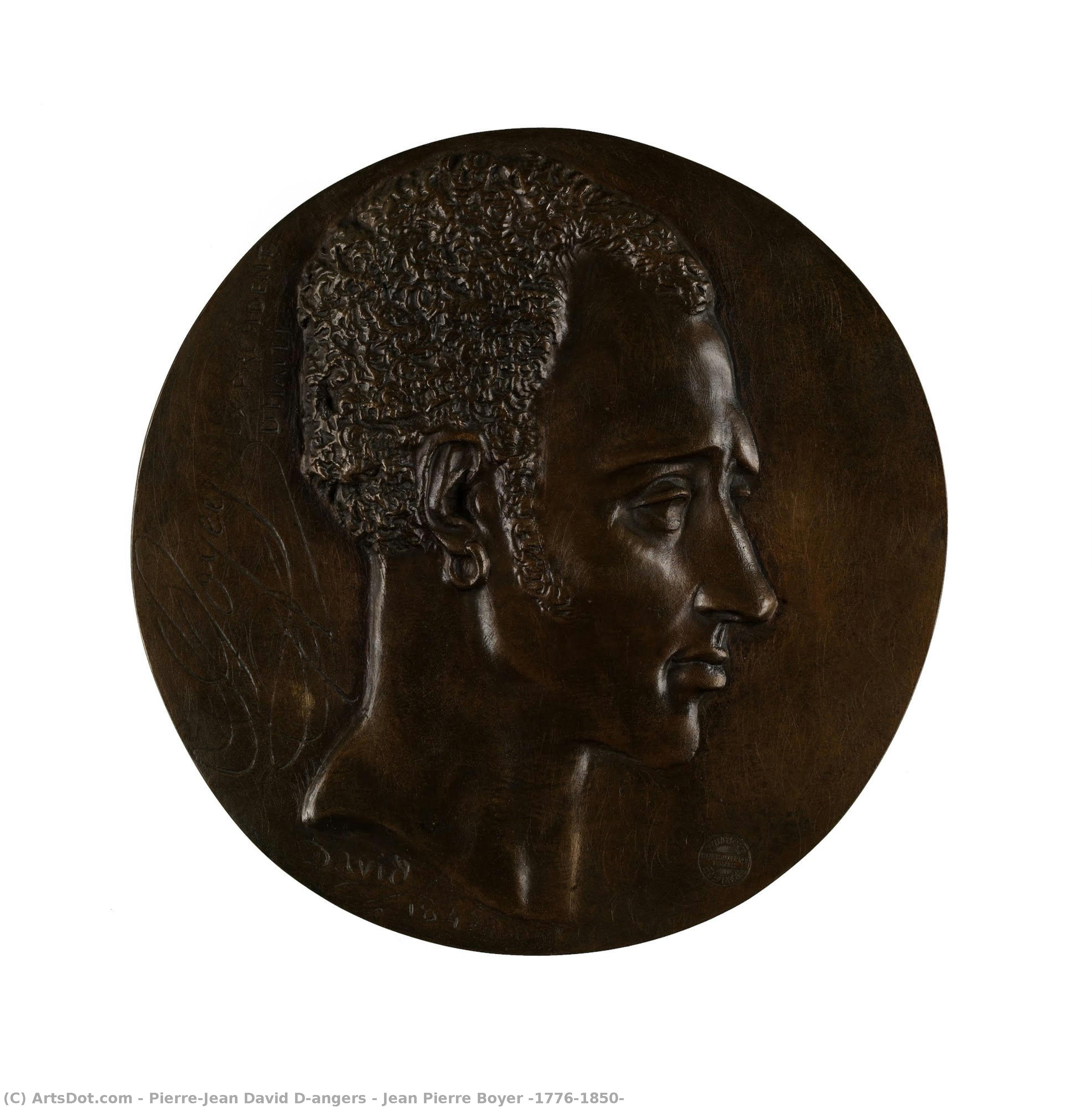
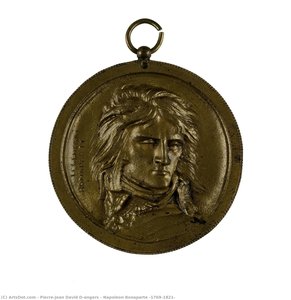
This compelling hand-painted reproduction captures a pivotal moment in Haitian history – the face of Jean Pierre Boyer, a soldier and president who led Haiti through a turbulent era. The artwork centers on a bronze coin from 1845, meticulously rendered by Pierre-Jean David d’Angers, reflecting his deep engagement with the revolutionary spirit of the time. The image isn't merely a portrait; it’s an emblem of defiance and independence forged in the crucible of the Haitian Revolution.
Historical Context: The Birth of an Independent Republic
- The Haitian Revolution (1791-1804): This artwork directly responds to one of history’s most significant and complex revolutions. Inspired by the French Revolution, enslaved Africans and their descendants on Hispaniola rose up against both French and Spanish colonial rule, ultimately establishing Haiti as the world's first independent black republic in 1804.
- Boyer's Leadership (1818-1843): Jean Pierre Boyer served as president of Haiti for over two decades, a period marked by ongoing challenges – including economic hardship, political instability, and external threats – yet fundamentally defined by the nation’s hard-won freedom.
- 1845 Reproduction: The coin itself dates to 1845, a time when Boyer's presidency was nearing its end, adding another layer of historical significance to this portrait.
Artistic Technique and Style – David d’Angers’ Neoclassical Vision
Pierre-Jean David d’Angers, trained in the workshops of Philippe-Laurent Roland and crucially, Jacques-Louis David, masterfully employs neoclassical techniques. The coin's surface is rendered with a meticulous attention to detail, showcasing the artist's skill in capturing texture – particularly the worn patina of aged bronze. The composition adheres to classical principles of portraiture: a frontal pose, a dignified expression, and a focus on conveying strength and resolve. David’s deliberate adoption of “David d’Angers” was not simply a professional choice; it was an assertion of lineage and artistic ambition, echoing the legacy of his master while forging his own distinct path.
Symbolism: The Coin as a Monument to Freedom
The coin itself is laden with symbolic weight. As currency, it represents the economic foundation of the newly independent nation. More profoundly, it embodies the revolutionary ideals – liberty, equality, and fraternity – that fueled the Haitian Revolution. Boyer’s downward gaze suggests contemplation and responsibility, reflecting the immense burden of leadership in a fragile republic. The circular form of the coin reinforces the idea of unity and wholeness, mirroring Haiti's aspiration for a cohesive nation.
Emotional Impact and Collector’s Value
This reproduction transcends a simple portrait; it is a powerful visual narrative that evokes the drama and significance of the Haitian Revolution. It speaks to themes of resistance, resilience, and the enduring human desire for freedom. As a hand-painted reproduction by a renowned artist working in the style of David, this piece offers collectors a tangible connection to a pivotal moment in world history – a testament to the courage and determination of those who fought for independence.
Похожие произведения
Биография художника
Pierre Jean David d'Angers - The Frick Collection
David d’Angers (1789–1856) stands as a pivotal figure in French sculpture of the Romantic era, embodying both classical refinement and fervent republican conviction. Born in Angers, France, his early life was marked by familial ties to craftsmanship—his father practiced wood carving—which instilled within him an appreciation for meticulous detail and artistic precision. This formative influence propelled him toward ambitious artistic pursuits, culminating in enrollment at the École des Beaux-Arts in Paris in 1808, where he honed his skills under Philippe-Laurent Roland, absorbing the precepts of neoclassical art while simultaneously encountering the burgeoning Romantic movement. A defining moment arrived in 1809 when David accepted Jacques-Louis David’s invitation to study alongside him—a connection that would prove profoundly influential. Embracing the name “David d’Angers,” he deliberately invoked his master's lineage, asserting a desire for artistic independence tempered by respect for tradition. This decision signaled an intention to forge his own distinctive voice while acknowledging the pervasive impact of David’s groundbreaking vision. Despite initial financial hardships—he arrived in Paris with meager funds—David persevered, securing recognition through works like “Othryades” (1810), demonstrating a nascent talent for dramatic composition and heroic portrayal.The Roman Years: Classical Influence and Political Awakening
His five years spent in Rome between 1811 and 1816 constituted a crucible of artistic maturation. Surrounded by the grandeur of antiquity—particularly the sculptures of Antonio Canova—David absorbed the ideals of Greek art: idealized form, heroic narrative, and restrained emotion. However, he didn’t merely replicate classical models; he infused them with his own sensibilities, initiating a subtle yet significant shift toward Romantic expression. This period wasn't solely focused on academic study; it was also marked by an increasing awareness of political realities—the Bourbon Restoration casting a shadow over France as he returned home. During this time, he briefly relocated to England, encountering the intellectual ferment of Victorian society and engaging in spirited debates about artistic purpose and social responsibility.Neoclassical Mastery: Portraits and Monumental Sculpture
David’s return to Paris solidified his reputation as one of France's foremost sculptors. He quickly established himself as a prolific artist, undertaking commissions for portraits—often imbued with psychological depth—and monumental sculptures that celebrated civic virtue and national pride. His early masterpiece, *Condé* (lost), showcased his burgeoning ability to convey dynamism and emotion through sculptural form, foreshadowing the stylistic innovations of the Romantic era. Subsequent projects included the statue of Marshall Jean Baptiste Kléber in Père Lachaise Cemetery—a testament to his technical prowess and artistic vision—and the monumental frieze adorning the Pantheon—a bold assertion of French intellectual heritage and a symbol of republican ideals.A Legacy Enduring Through Time
David’s influence extended far beyond his own lifetime, inspiring generations of artists and shaping the visual culture of France. His sculptures—characterized by their meticulous detail, expressive dynamism, and profound psychological insight—remain among the most iconic achievements of 19th-century art. The Musée David in Angers houses a comprehensive collection of his works, preserving his legacy for posterity. Pierre Jean David d’Angers' enduring contribution to sculpture lies not only in his technical skill but also in his unwavering commitment to artistic ideals—a conviction that he sought to embody the spirit of an era and honor the achievements of great men and women through monumental art. His sculptures continue to captivate audiences today, cementing his place as a cornerstone of French artistic history.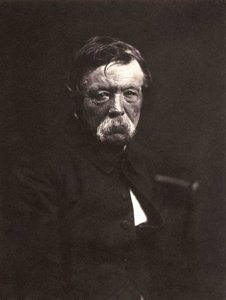
Пьер-Жан Дэвид Д’Анже
1788 - 1856 , Франция
Основные сведения
- Artistic Movement Or Style: Неоклассицизм
- Artists Or Movements Influenced By This Artist: ['Романтизм']
- Artists Who Influenced This Artist:
- Жак-Луи Давид
- Филипп-Лорен Дэвида
- Date Of Birth: 1789
- Date Of Death: 1856
- Full Name: Pierre Jean David d’Angers
- Nationality: Французский
- Notable Artworks:
- Враненный Филопомен
- Боль
- Эпаминад
- Place Of Birth: Angers, Франция
Похожие статьи
Jacques-Louis David: Neoclassical Ideals & Revolutionary Witness
Explore the life & art of Jacques-Louis David, leading Neoclassical painter of the French Revolution. Discover iconic works like 'The Death of Marat' and his lasting impact on art history. Expert analysis & high-quality reproductions at ArtsDot.
Gerard David: Bridging Late Medieval Tradition with Early Renaissance Humanism
Explore the captivating world of Gerard David, a pivotal figure bridging late medieval artistry with the Early Renaissance. Discover his innovative techniques, religious masterpieces, and enduring legacy – a must-read for discerning art collectors.
Топ-25 шедевров Музея д’Орсе: Искусство импрессионизма для вашего дома
Погрузитесь в мир импрессионизма! Откройте топ-25 шедевров Музея д’Орсе: Моне, Ван Гог, Дега и другие великие художники. Вдохновение для интерьера и репродукции картин музейного качества на ArtsDot.com.
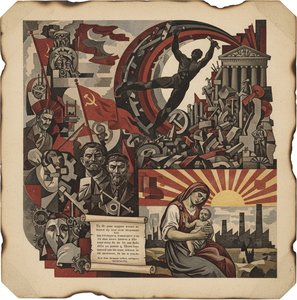
Echoes of Revolution: Artistic Responses to the Tumultuous Year of 1917
Explore the powerful artistic responses to the 1917 Russian Revolution. Discover key artists like Chagall, Lotonina & Baratynsky and their enduring legacy. Learn about avant-garde movements, propaganda, and Stalin's impact on art.
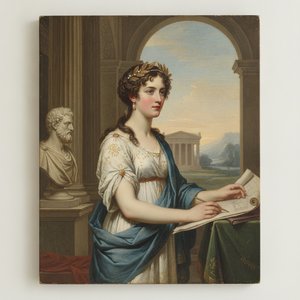
The Revival of Antiquity: Exploring Ideals of Beauty & Power in Neoclassical Portraiture
Explore the captivating world of Neoclassical portraiture! Discover the power & ideals behind masterpieces by David, Girodet & more. Expert analysis, custom reproductions & art appraisal at ArtsDot.