

 Поделиться
 Поделиться
 Детали произведения

 Скачать
 Похожие работы
 Слайд-шоу
 Статистика
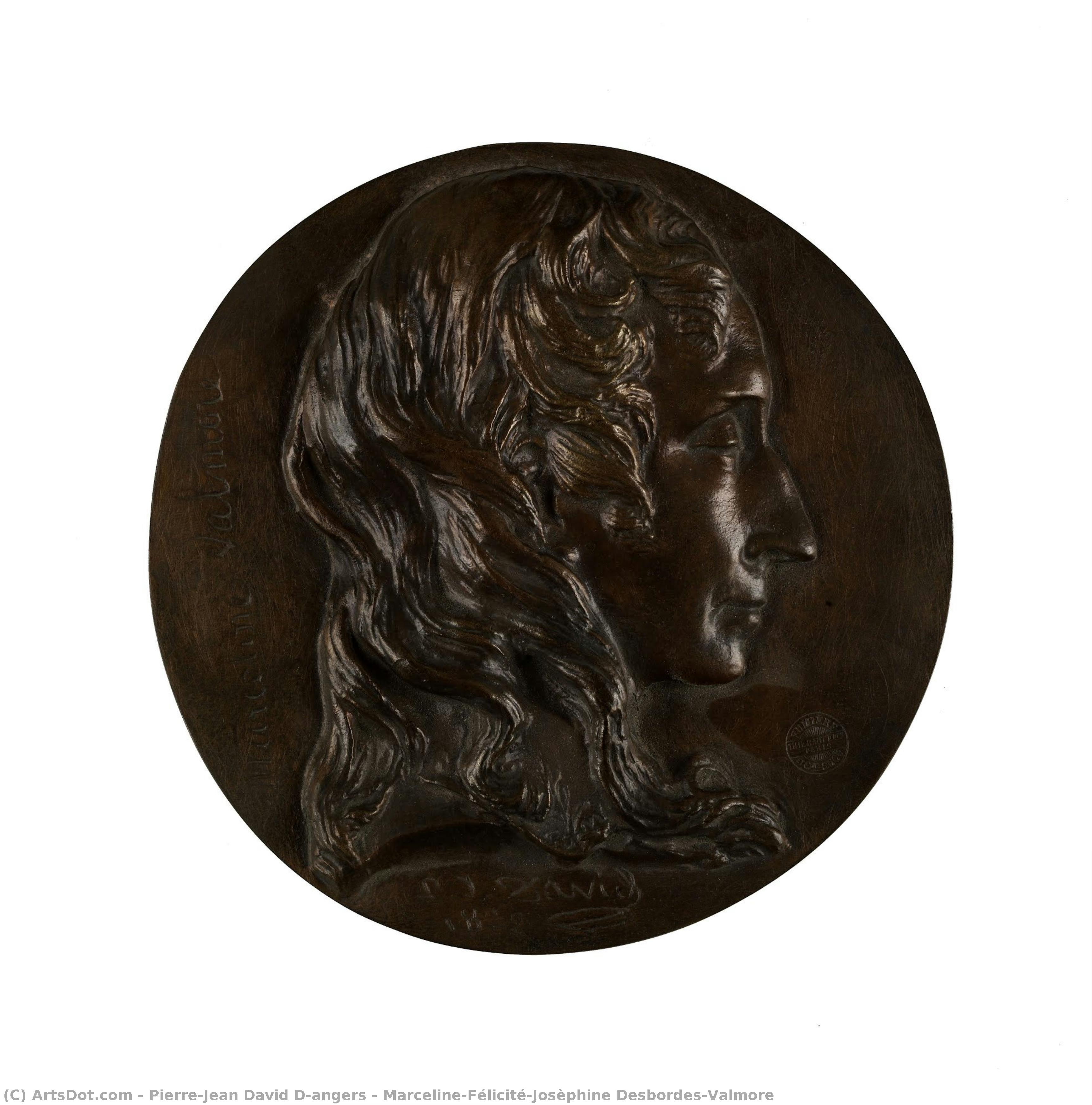
Marceline-Félicité-Josèphine Desbordes-Valmore


 Читать далее
Приобретите цифровое изображение высокого разрешения в улучшенном качестве, которое значительно превосходит онлайн-превью.
Каждый файл тщательно подготавливается нашими специалистами с использованием передовых инструментов и экспертной ручной ретуши. Мы гарантируем исключительную четкость, точную цветопередачу и детальную проработку каждого изображения.
Финальный файл доставляется по электронной почте в течение 72 часов и оптимизирован для немедленного использования в профессиональной среде, при верстке и печати. Это тот же уровень качества, которому доверяют ведущие дизайнерские студии, издательства и галереи.
Цифровое изображение
Скачайте файл высокого разрешения для личного использования, печати и творческих проектов. ( Перейти к печати Купить картину ручной работы)
Включено в каждый заказ цифровых изображений
Гарантия экспертной цифровой доставки
Выбирая ArtsDot.com, вы получаете не просто изображение — вы приобретаете профессионально обработанное цифровое произведение искусства, созданное с безупречной точностью и под защитой гарантии качества. Вот всё, что автоматически входит в ваш заказ:

Мгновенная доставка по e-mail
Ваш цифровой файл в высоком разрешении будет отправлен вам по электронной почте в течение 72 часов после оформления заказа — и сразу станет доступен для использования.

Цифровой файл с ИИ-улучшением
Ваше произведение искусства проходит профессиональную оптимизацию с использованием передовых инструментов ИИ и ручной обработки, что гарантирует максимальную детализацию, четкость и точность цветопередачи.

Бессрочная бесплатная повторная доставка
Случайно удалили или потеряли файл? Не беспокойтесь — мы отправим его вам повторно в любое время и совершенно бесплатно.

Без импортных пошлин — навсегда
Наслаждайтесь вашим произведением искусства мгновенно без таможенных пошлин, сборов или затрат на доставку — цифровые загрузки всегда не облагаются налогом.

Гарантия точности цветопередачи
Мы гарантируем, что ваше цифровое изображение максимально точно передает оригинальные цвета благодаря использованию профессиональных инструментов и систем управления цветом.

Гарантия удовлетворенности 100 дней
Если вы не будете удовлетворены своим цифровым изображением, мы внесем правки или вернем 100% стоимости в течение 100 дней — без лишних вопросов.

100% Гарантия возврата средств
Не удовлетворены покупкой? Получите полный возврат средств в течение 100 дней после получения цифрового файла — без лишних вопросов.

Скидки на оптовые заказы
Купите 3 изображения, сэкономьте 10% — Купите 5, сэкономьте 15% — Купите 10+, сэкономьте 20%. Отличное решение для творческих проектов, галерей и агентств.
A Portrait of Resilience in Bronze
In the annals of nineteenth-century French sculpture, few works capture the intersection of individual strength and Romantic fervor as poignantly as Pierre-Jean David d’Angers's 1832 masterpiece, Marceline-Félicité-Josèphine Desbordes-Valmore. This bronze sculpture is far more than a mere likeness; it is a profound meditation on the human spirit. Through his masterful handling of medium and subject, David d’Angers presents Valmore not just as a celebrated poet, but as an icon of unwavering resolve. The viewer is immediately met by her gaze—a powerful, direct connection that pierces through time, conveying an aura of inner strength that seems to vibrate within the very metal itself. It is a work that demands attention, inviting collectors and admirers alike to contemplate the quiet courage required to maintain one's dignity amidst the turbulent shifts of history.
The technical brilliance of this piece lies in the artist's command over the lost wax casting process. To achieve such a remarkable surface texture, David d’Angers meticulously sculpted the original figure from wax, layering clay to create a precise mold before the final bronze was cast. This painstaking method allowed for an exquisite level of detail, resulting in a surface that feels remarkably smooth yet possesses subtle nuances that catch the light in unexpected ways. For those seeking to incorporate such a piece into a curated space, the interplay of shadow and luster on the bronze provides a sophisticated tactile quality that elevates any interior, offering a sense of permanence and classical elegance.
Symbolism and the Romantic Spirit
Beyond its physical form, the sculpture serves as a profound symbol of the Romantic era's departure from Neoclassical rigidity. Every element of the composition is imbued with intentional meaning. Valmore’s posture—with her head tilted slightly upward—suggests a soul absorbing the wisdom of experience and looking toward a brighter horizon. Her hands, claspend delicately together, offer a striking contrast to her intense expression; they suggest a state of deep introspection and a steadfast commitment to inner peace. This duality captures the essence of the Romantic movement: the tension between external upheaval and the sanctuary of the internal emotional world.
The artist’s treatment of drapery further enhances this narrative of grace and vulnerability. The flowing robes that envelop her form do not merely clothe the subject; they symbolize a dignified presence that shields a more sensitive core. For an interior designer, this piece offers a rich layer of storytelling, acting as a focal point that introduces themes of introspection, strength, and historical depth. It is a work that resonates with anyone who finds beauty in the complexity of character, making it an incomparable choice for a high-quality reproduction intended to inspire thought and evoke emotion within a home or gallery.
A Legacy of Artistic Transformation
To understand the weight of this portrait, one must consider the historical landscape from which it emerged. Created in the aftermath of Napoleon's reign, David d’Angers worked during a period of significant artistic reform in France. As a student of the legendary Jacques-Louis David, he was trained in the disciplined traditions of Neoclassicism, yet his heart beat for the burgeoning Romantic movement. This sculpture represents that very transition—the move away from rigid formalism toward an art form that prioritizes emotional expression and the dynamism of human experience. By capturing Valmore with such psychological depth, d’Angers helped redefine the purpose of portraiture, shifting it from a record of status to a celebration of the soul.
Похожие произведения
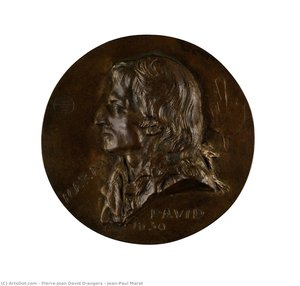
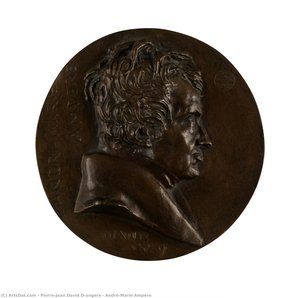
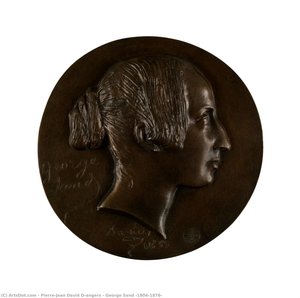
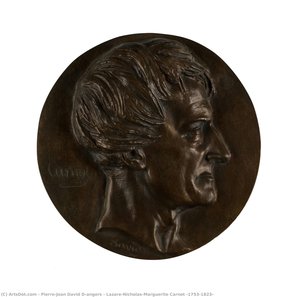
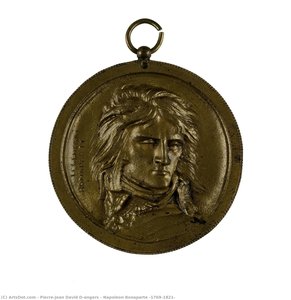
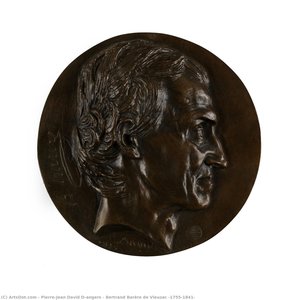
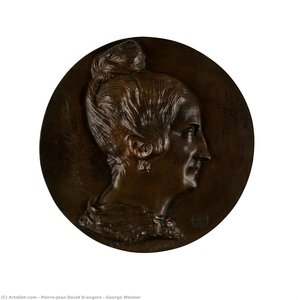
Биография художника
Pierre Jean David d'Angers - The Frick Collection
David d’Angers (1789–1856) stands as a pivotal figure in French sculpture of the Romantic era, embodying both classical refinement and fervent republican conviction. Born in Angers, France, his early life was marked by familial ties to craftsmanship—his father practiced wood carving—which instilled within him an appreciation for meticulous detail and artistic precision. This formative influence propelled him toward ambitious artistic pursuits, culminating in enrollment at the École des Beaux-Arts in Paris in 1808, where he honed his skills under Philippe-Laurent Roland, absorbing the precepts of neoclassical art while simultaneously encountering the burgeoning Romantic movement. A defining moment arrived in 1809 when David accepted Jacques-Louis David’s invitation to study alongside him—a connection that would prove profoundly influential. Embracing the name “David d’Angers,” he deliberately invoked his master's lineage, asserting a desire for artistic independence tempered by respect for tradition. This decision signaled an intention to forge his own distinctive voice while acknowledging the pervasive impact of David’s groundbreaking vision. Despite initial financial hardships—he arrived in Paris with meager funds—David persevered, securing recognition through works like “Othryades” (1810), demonstrating a nascent talent for dramatic composition and heroic portrayal.The Roman Years: Classical Influence and Political Awakening
His five years spent in Rome between 1811 and 1816 constituted a crucible of artistic maturation. Surrounded by the grandeur of antiquity—particularly the sculptures of Antonio Canova—David absorbed the ideals of Greek art: idealized form, heroic narrative, and restrained emotion. However, he didn’t merely replicate classical models; he infused them with his own sensibilities, initiating a subtle yet significant shift toward Romantic expression. This period wasn't solely focused on academic study; it was also marked by an increasing awareness of political realities—the Bourbon Restoration casting a shadow over France as he returned home. During this time, he briefly relocated to England, encountering the intellectual ferment of Victorian society and engaging in spirited debates about artistic purpose and social responsibility.Neoclassical Mastery: Portraits and Monumental Sculpture
David’s return to Paris solidified his reputation as one of France's foremost sculptors. He quickly established himself as a prolific artist, undertaking commissions for portraits—often imbued with psychological depth—and monumental sculptures that celebrated civic virtue and national pride. His early masterpiece, *Condé* (lost), showcased his burgeoning ability to convey dynamism and emotion through sculptural form, foreshadowing the stylistic innovations of the Romantic era. Subsequent projects included the statue of Marshall Jean Baptiste Kléber in Père Lachaise Cemetery—a testament to his technical prowess and artistic vision—and the monumental frieze adorning the Pantheon—a bold assertion of French intellectual heritage and a symbol of republican ideals.A Legacy Enduring Through Time
David’s influence extended far beyond his own lifetime, inspiring generations of artists and shaping the visual culture of France. His sculptures—characterized by their meticulous detail, expressive dynamism, and profound psychological insight—remain among the most iconic achievements of 19th-century art. The Musée David in Angers houses a comprehensive collection of his works, preserving his legacy for posterity. Pierre Jean David d’Angers' enduring contribution to sculpture lies not only in his technical skill but also in his unwavering commitment to artistic ideals—a conviction that he sought to embody the spirit of an era and honor the achievements of great men and women through monumental art. His sculptures continue to captivate audiences today, cementing his place as a cornerstone of French artistic history.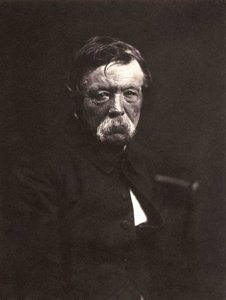
Пьер-Жан Дэвид Д’Анже
1788 - 1856 , Франция
Основные сведения
- Artistic Movement Or Style: Неоклассицизм
- Artists Or Movements Influenced By This Artist: ['Романтизм']
- Artists Who Influenced This Artist:
- Жак-Луи Давид
- Филипп-Лорен Дэвида
- Date Of Birth: 1789
- Date Of Death: 1856
- Full Name: Pierre Jean David d’Angers
- Nationality: Французский
- Notable Artworks:
- Враненный Филопомен
- Боль
- Эпаминад
- Place Of Birth: Angers, Франция