

 Предпросмотр
 Поделиться
 Поделиться
 Детали произведения

 Скачать
 Похожие работы
 Рентгенография
 Слайд-шоу
 Статистика
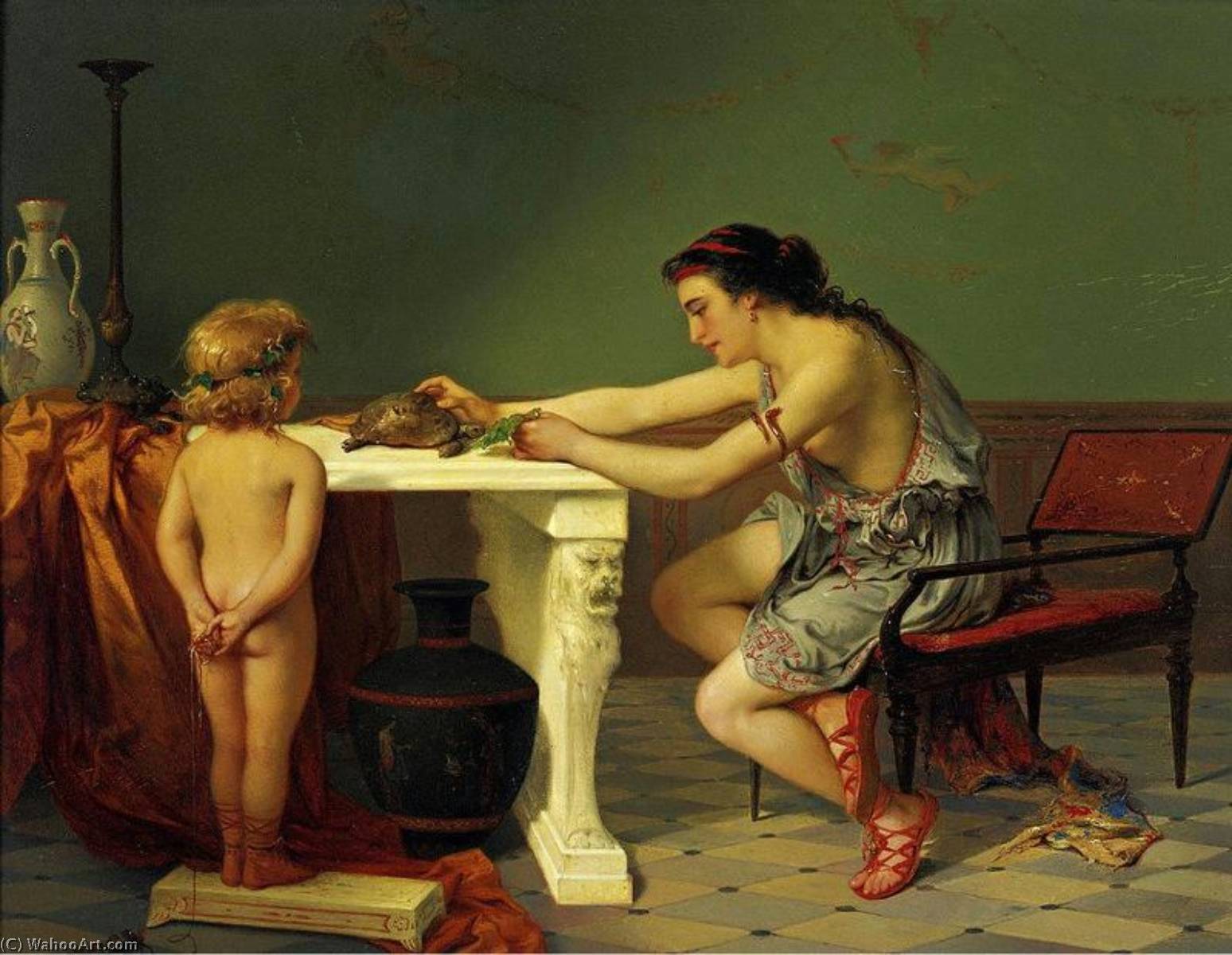
Feeding the Turtle

 Читать далее
Приобретите цифровое изображение высокого разрешения в улучшенном качестве, которое значительно превосходит онлайн-превью.
Каждый файл тщательно подготавливается нашими специалистами с использованием передовых инструментов и экспертной ручной ретуши. Мы гарантируем исключительную четкость, точную цветопередачу и детальную проработку каждого изображения.
Финальный файл доставляется по электронной почте в течение 72 часов и оптимизирован для немедленного использования в профессиональной среде, при верстке и печати. Это тот же уровень качества, которому доверяют ведущие дизайнерские студии, издательства и галереи.
Цифровое изображение
Скачайте файл высокого разрешения для личного использования, печати и творческих проектов. ( Перейти к печати Купить картину ручной работы)
Включено в каждый заказ цифровых изображений
Гарантия экспертной цифровой доставки
Выбирая ArtsDot.com, вы получаете не просто изображение — вы приобретаете профессионально обработанное цифровое произведение искусства, созданное с безупречной точностью и под защитой гарантии качества. Вот всё, что автоматически входит в ваш заказ:

Мгновенная доставка по e-mail
Ваш цифровой файл в высоком разрешении будет отправлен вам по электронной почте в течение 72 часов после оформления заказа — и сразу станет доступен для использования.

Цифровой файл с ИИ-улучшением
Ваше произведение искусства проходит профессиональную оптимизацию с использованием передовых инструментов ИИ и ручной обработки, что гарантирует максимальную детализацию, четкость и точность цветопередачи.

Бессрочная бесплатная повторная доставка
Случайно удалили или потеряли файл? Не беспокойтесь — мы отправим его вам повторно в любое время и совершенно бесплатно.

Без импортных пошлин — навсегда
Наслаждайтесь вашим произведением искусства мгновенно без таможенных пошлин, сборов или затрат на доставку — цифровые загрузки всегда не облагаются налогом.

Гарантия точности цветопередачи
Мы гарантируем, что ваше цифровое изображение максимально точно передает оригинальные цвета благодаря использованию профессиональных инструментов и систем управления цветом.

Гарантия удовлетворенности 100 дней
Если вы не будете удовлетворены своим цифровым изображением, мы внесем правки или вернем 100% стоимости в течение 100 дней — без лишних вопросов.

100% Гарантия возврата средств
Не удовлетворены покупкой? Получите полный возврат средств в течение 100 дней после получения цифрового файла — без лишних вопросов.

Скидки на оптовые заказы
Купите 3 изображения, сэкономьте 10% — Купите 5, сэкономьте 15% — Купите 10+, сэкономьте 20%. Отличное решение для творческих проектов, галерей и агентств.
Похожие произведения










Биография художника
Pierre Olivier Joseph Coomans: A Belgian Painter of Worlds
Born in Brussels in 1816, Pierre Olivier Joseph Coomans emerged as a significant figure in 19th-century European art, renowned for his evocative historical scenes, captivating Orientalist depictions inspired by Algeria, and exquisitely rendered Neo-Pompeian genre paintings. His life was marked by both artistic triumph and personal tragedy, shaping the unique trajectory of his oeuvre. Coomans’s work reflects a deep engagement with classical antiquity, military history, and the exotic allure of North Africa – themes he masterfully interwoven to create images that continue to resonate with viewers today.
Early influences were rooted in traditional academic training. He began his artistic journey under Pieter van Hanselaere in Ghent, quickly demonstrating a remarkable talent for draftsmanship, evidenced by his early exhibition piece, “A Young Greek Shepherd.” Further studies at the Antwerp Academy solidified his technical skills, preparing him to tackle ambitious historical subjects and complex compositions. Coomans’s artistic development was significantly shaped by the tutelage of esteemed artists like Nicaise de Keyser and Gustave Wappers, masters known for their romantic interpretations of history and classical themes. These influences instilled in him a meticulous approach to detail, a strong sense of narrative, and an appreciation for dramatic lighting – qualities that would become hallmarks of his distinctive style.
The Algerian Years: Orientalism and Military Service
A pivotal moment in Coomans’s artistic life arrived in 1843 when he was commissioned by Queen Louise-Marie of Orleans to accompany the French army in Algeria. This marked a profound shift, introducing him to the vibrant culture and landscapes of North Africa – an experience that would irrevocably alter his artistic vision. Attached to Marshal Thomas-Robert Bugeaud’s General Staff, Coomans immersed himself in the realities of military life, meticulously documenting battles, tribal customs, and the daily routines of soldiers. He wasn't merely a recorder; he actively sought to capture the essence of this world, producing a series of paintings that offered a nuanced perspective beyond simplistic stereotypes.
These Algerian years yielded some of his most celebrated works – “The Deluge,” “Landscape in the Province of Constantine,” “Emigration of Arab Tribes,” and numerous portraits of Arab figures and scenes of military life. He was deeply influenced by Horace Vernet, a contemporary military painter who had already established a reputation for capturing the drama and intensity of warfare. Coomans’s paintings are characterized by their rich color palettes, dynamic compositions, and meticulous attention to detail – reflecting his desire to authentically portray the sights and sounds of Algeria. His work during this period demonstrated an early embrace of Orientalism, a trend that would become increasingly prominent in 19th-century European art.
Pompeii and the Neo-Pompeian Style
Following his time in Algeria, Coomans’s artistic focus shifted to the ancient city of Pompeii. The excavations underway at Herculaneum and Pompeii in the mid-1850s ignited a fascination with this lost Roman world, inspiring artists across Europe to explore its ruins and recreate scenes from daily life. Coomans, along with artists like Jean-Léon Gérôme, became deeply immersed in this trend, developing what came to be known as the Neo-Pompeian style. This style was characterized by a meticulous attention to detail, a focus on recreating the atmosphere of ancient Rome, and an emphasis on portraying intimate scenes of everyday life – often with a romantic or idealized quality.
His time in Italy and Palestine led to his fascination with the ruins of Pompeii. He married Adélaïde Lacroix in Albania in 1856 and the couple moved to Naples where they lived until 1860. There, he was profoundly influenced by the archaeological discoveries, leading him to create a series of genre paintings depicting scenes from ancient Rome – a style that became his most enduring legacy. These works are notable for their meticulous realism, evocative lighting, and subtle emotional depth. His depictions of Roman families, merchants, and artisans offer a glimpse into the lives of people who lived centuries before, imbued with a sense of timeless beauty and melancholy.
Later Years and Legacy
Coomans continued to paint throughout his life, producing works in both historical and Neo-Pompeian styles. He established a studio in Paris and exhibited regularly at the Salon, achieving considerable international recognition. His paintings were highly sought after by European collectors, contributing to his financial success and allowing him to build a lavish Pompeian villa near Paris – a testament to his passion for the ancient world. Despite personal tragedies—the loss of his wife and son—Coomans remained dedicated to his art until his death in 1889.
Pierre Olivier Joseph Coomans’s artistic legacy extends beyond his individual works. He played a significant role in popularizing the Neo-Pompeian style, influencing generations of artists with his meticulous technique and evocative depictions of ancient Rome. His paintings continue to be admired for their beauty, historical accuracy, and emotional resonance – offering a captivating window into a bygone era.
pierre olivier joseph coomans
1816 - 1889
Основные сведения
- Artistic Movement Or Style: Neo-Pompeian, Academic
- Artists Or Movements Influenced By This Artist:
- Horace Vernet
- Neo-Pompeianism
- Artists Who Influenced This Artist:
- Pieter van Hanselaere
- Nicaise de Keyser
- Gustave Wappers
- Date Of Birth: June 28, 1816
- Date Of Death: December 31, 1889
- Full Name: Pierre Olivier Joseph Coomans
- Nationality: Belgian
- Notable Artworks:
- Attila's Last Charge
- The Harp Player
- Her Favorite Pet
- Odalisque
- Place Of Birth: Brussels, Belgium