

 Поделиться
 Поделиться
 Детали произведения

 Скачать
 Похожие работы
 Слайд-шоу
 Статистика
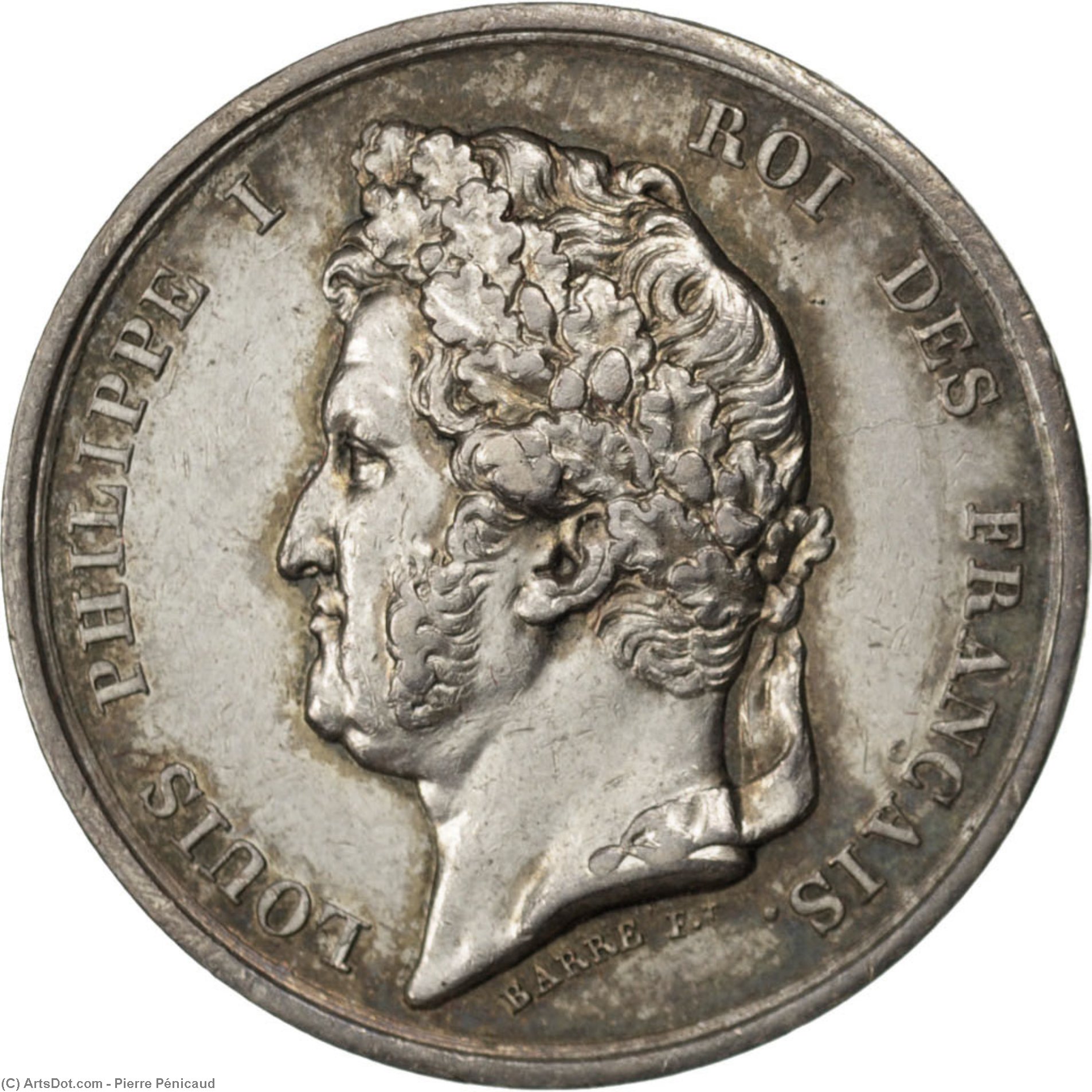
Round Medallion Featuring Combats
 Enamel
- Decor
- Renaissance Mannerism
 1550
1550- Early Modern
 40.0 x 40.0 cm
 Лувр
Лувр
 Читать далее
Приобретите цифровое изображение высокого разрешения в улучшенном качестве, которое значительно превосходит онлайн-превью.
Каждый файл тщательно подготавливается нашими специалистами с использованием передовых инструментов и экспертной ручной ретуши. Мы гарантируем исключительную четкость, точную цветопередачу и детальную проработку каждого изображения.
Финальный файл доставляется по электронной почте в течение 72 часов и оптимизирован для немедленного использования в профессиональной среде, при верстке и печати. Это тот же уровень качества, которому доверяют ведущие дизайнерские студии, издательства и галереи.
Цифровое изображение
Скачайте файл высокого разрешения для личного использования, печати и творческих проектов. ( Перейти к печати Купить картину ручной работы)
Включено в каждый заказ цифровых изображений
Гарантия экспертной цифровой доставки
Выбирая ArtsDot.com, вы получаете не просто изображение — вы приобретаете профессионально обработанное цифровое произведение искусства, созданное с безупречной точностью и под защитой гарантии качества. Вот всё, что автоматически входит в ваш заказ:

Мгновенная доставка по e-mail
Ваш цифровой файл в высоком разрешении будет отправлен вам по электронной почте в течение 72 часов после оформления заказа — и сразу станет доступен для использования.

Цифровой файл с ИИ-улучшением
Ваше произведение искусства проходит профессиональную оптимизацию с использованием передовых инструментов ИИ и ручной обработки, что гарантирует максимальную детализацию, четкость и точность цветопередачи.

Бессрочная бесплатная повторная доставка
Случайно удалили или потеряли файл? Не беспокойтесь — мы отправим его вам повторно в любое время и совершенно бесплатно.

Без импортных пошлин — навсегда
Наслаждайтесь вашим произведением искусства мгновенно без таможенных пошлин, сборов или затрат на доставку — цифровые загрузки всегда не облагаются налогом.

Гарантия точности цветопередачи
Мы гарантируем, что ваше цифровое изображение максимально точно передает оригинальные цвета благодаря использованию профессиональных инструментов и систем управления цветом.

Гарантия удовлетворенности 100 дней
Если вы не будете удовлетворены своим цифровым изображением, мы внесем правки или вернем 100% стоимости в течение 100 дней — без лишних вопросов.

100% Гарантия возврата средств
Не удовлетворены покупкой? Получите полный возврат средств в течение 100 дней после получения цифрового файла — без лишних вопросов.

Скидки на оптовые заказы
Купите 3 изображения, сэкономьте 10% — Купите 5, сэкономьте 15% — Купите 10+, сэкономьте 20%. Отличное решение для творческих проектов, галерей и агентств.
A Frozen Moment of Conflict: The Drama of the Medallion
Behold this captivating round medallion, a miniature stage upon which history’s raw energy is captured. At first glance, one is struck by the sheer dynamism emanating from the metalwork. It is not merely a depiction of battle; it is an immersion into the very heart of human conflict—a swirling vortex of desperate action and martial fervor. The composition is densely populated, featuring at least thirteen distinct figures locked in visceral combat. Swords are drawn, bodies contort with effort, and every visible expression speaks volumes of adrenaline and survival. This piece transcends simple portraiture; it is a narrative frozen in time, allowing the viewer to feel the clang of steel and the desperate cries echoing across an unseen battlefield.
Mastery in Enamel: The Hand of Pierre Penicaud
The artistry behind this dramatic scene points directly to the unparalleled skill of Pierre Penicaud. Working around the year 1550, Penicaud was a master craftsman hailing from Limoges, a city whose very name became synonymous with exquisite enamel work. His technique, rooted in generations of family tradition, allowed him to achieve a level of detail and luminosity rarely matched. The medium itself—the enamel set into metal, likely gold or bronze—demands an almost alchemical touch. Penicaud’s ability to render such complex human interaction within the confines of a circular medallion speaks to both his technical prowess and his deep understanding of pictorial narrative.
Historical Echoes and Symbolic Weight
The period in which this piece was created, the mid-sixteenth century, was an era of profound upheaval across Europe. Such depictions of combat often served multiple purposes: they could commemorate military victories, serve as moral allegories for civic virtue, or simply reflect the pervasive cultural fascination with martial prowess. The symbolism here is rich; the clash of swords represents not just physical fighting, but perhaps the eternal struggle between order and chaos, civilization and savagery. To own such a piece is to possess a tangible link to the historical anxieties and grand narratives of Renaissance life.
Integrating Drama into Modern Spaces
For the discerning collector or designer, this medallion offers an unparalleled focal point. Its intense drama provides an immediate gravitational pull within any room. Imagine it mounted against a muted wall, allowing the vibrant enamel colors and the kinetic energy of the figures to take center stage. While its subject matter is violent, its execution—the meticulous craftsmanship and the historical weight imbued by Penicaud’s hand—lends it an air of sophisticated antiquity. It serves as a powerful conversation starter, inviting closer inspection and deeper contemplation of art history and human nature.
Похожие произведения

Биография художника
The Last Flourish of a Limoges Dynasty
In the heart of sixteenth-century France, within the storied city of Limoges, a name emerged that would represent both the pinnacle and the twilight of a magnificent artistic lineage. Pierre Penicaud, born around 1515, was not merely an artist but a custodian of a precious family legacy. As a member of the illustrious Pénicaud dynasty, his life was inextricably linked to the exquisite craft of enamel production, a tradition that had been meticulously refined by his ancestors for generations. To understand Pierre is to understand the weight of history he carried upon his shoulders; he stood as the final prominent figure in a family tree that began with the foundational work of Nardon Pénicaud, who had once blended Gothic sensibilities with the burgeoning motifs of the Renaissance.
The air of Limoges during Penicaud’s era was thick with the scent of minerals and the heat of kilns, a period when the city became synonymous with unparalleled enamel mastery. While his predecessors, such as Jean I Penicaud, had introduced daring innovations like transparent colors on copper—drawing inspiration from the profound prints of Albrecht Dürer—Pierre focused his devotion on the more disciplined and monochromatic elegance of grisaille. His work was a testament to the endurance of technique, a bridge between the medieval traditions of his forebears and the sophisticated Mannerist aesthetics that were beginning to sweep across the European continent.
Mastery of Light and Shadow in Grisaille
The true soul of Pierre Penicaud’s artistry lies in his command over the grisaille technique. Unlike the vibrant, polychrome works of earlier generations, Pierre’s repertoire was defined by a deliberate restraint, often working exclusively within a palette of black or blue backgrounds to create striking, sculptural effects. This method required an almost alchemical precision; the artist had to manipulate layers of opaque white enamel to simulate depth, texture, and the play of light upon form. Through this monochromatic lens, he achieved a remarkable level of realism, capturing the subtle contours of the human figure with a clarity that felt both ancient and strikingly modern.
His compositions often transcended simple decoration, evolving into complex narratives that captured the tumultuous spirit of his age. One might gaze upon his round medallions and find oneself thrust into a swirling vortex of conflict. In these miniature stages, Penicaud rendered battle scenes with such visceral energy that the viewer can almost hear the clash of steel and feel the adrenaline of combat. These works were not merely depictions of violence but were deeply layered with symbolism, serving as moral allegories for civic virtue or commemorations of military triumph. Every contorted limb and drawn sword within his medallions speaks to a profound understanding of pictorial narrative, where the stillness of enamel meets the frantic motion of history.
A Legacy Etched in Enamel
Though some scholars suggest that Pierre may not have reached the same heights of fame as his more experimental predecessors, his historical significance remains undeniable. He was the guardian of a standard, ensuring that the technical brilliance of Limoges survived through a period of profound European upheaval. His ability to marry the meticulous detail of Mannerism—characterized by its stylized figures and dramatic compositions—with the rigorous demands of enamel painting allowed him to leave an indelible mark on the decorative arts of France.
The significance of his life's work can be summarized through several enduring contributions:
- Preservation of Tradition: He maintained the integrity of the Pénicaud family’s grisaille techniques, ensuring the continuity of Limoges' reputation during a period of transition.
- Mannerist Expression: His ability to translate the dramatic, often exaggerated aesthetics of the Mannerist style into the permanent, delicate medium of enamel.
- Narrative Depth: The transformation of small-scale decorative objects, such as medallions, into profound vessels for historical and allegorical storytelling.
Ultimately, Pierre Penicaud remains a singular figure—a master craftsman whose hands worked in the service of both family honor and artistic evolution. His legacy is found not just in the surviving pieces of gold and bronze, but in the very breath of the Limoges tradition that he so faithfully upheld until the close of his life in 1590.
pierre pénicaud
1515 - 1590 , France
Основные сведения
- Artistic Movement Or Style: Mannerist engraving
- Artists Or Movements Influenced By This Artist: ['Renaissance prints']
- Artists Who Influenced This Artist:
- Ravel
- Fauré
- Date Of Birth: ca. 1515
- Date Of Death: ca. 1590
- Full Name: Pierre Penicaud
- Nationality: French
- Notable Artworks: ['Round Medallion Featuring Combats']
- Place Of Birth: Limoges, France