

 Предпросмотр
 Поделиться
 Поделиться
 Детали произведения

 Скачать
 Похожие работы
 Рентгенография
 Слайд-шоу
 Статистика
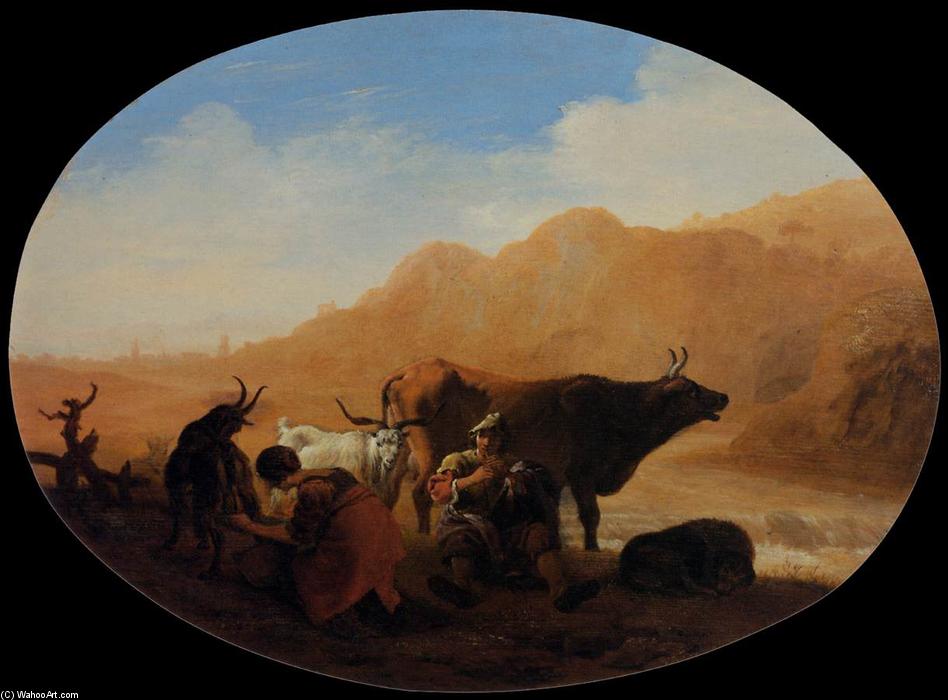
The Herdsmen
 Oil On Canvas
- WallArt
- Baroque Landscape
 1639
1639 32.0 x 43.0 cm
 Лувр
Лувр
 Читать далее
Приобретите цифровое изображение высокого разрешения в улучшенном качестве, которое значительно превосходит онлайн-превью.
Каждый файл тщательно подготавливается нашими специалистами с использованием передовых инструментов и экспертной ручной ретуши. Мы гарантируем исключительную четкость, точную цветопередачу и детальную проработку каждого изображения.
Финальный файл доставляется по электронной почте в течение 72 часов и оптимизирован для немедленного использования в профессиональной среде, при верстке и печати. Это тот же уровень качества, которому доверяют ведущие дизайнерские студии, издательства и галереи.
Цифровое изображение
Скачайте файл высокого разрешения для личного использования, печати и творческих проектов. ( Перейти к печати Купить картину ручной работы)
Включено в каждый заказ цифровых изображений
Гарантия экспертной цифровой доставки
Выбирая ArtsDot.com, вы получаете не просто изображение — вы приобретаете профессионально обработанное цифровое произведение искусства, созданное с безупречной точностью и под защитой гарантии качества. Вот всё, что автоматически входит в ваш заказ:

Мгновенная доставка по e-mail
Ваш цифровой файл в высоком разрешении будет отправлен вам по электронной почте в течение 72 часов после оформления заказа — и сразу станет доступен для использования.

Цифровой файл с ИИ-улучшением
Ваше произведение искусства проходит профессиональную оптимизацию с использованием передовых инструментов ИИ и ручной обработки, что гарантирует максимальную детализацию, четкость и точность цветопередачи.

Бессрочная бесплатная повторная доставка
Случайно удалили или потеряли файл? Не беспокойтесь — мы отправим его вам повторно в любое время и совершенно бесплатно.

Без импортных пошлин — навсегда
Наслаждайтесь вашим произведением искусства мгновенно без таможенных пошлин, сборов или затрат на доставку — цифровые загрузки всегда не облагаются налогом.

Гарантия точности цветопередачи
Мы гарантируем, что ваше цифровое изображение максимально точно передает оригинальные цвета благодаря использованию профессиональных инструментов и систем управления цветом.

Гарантия удовлетворенности 100 дней
Если вы не будете удовлетворены своим цифровым изображением, мы внесем правки или вернем 100% стоимости в течение 100 дней — без лишних вопросов.

100% Гарантия возврата средств
Не удовлетворены покупкой? Получите полный возврат средств в течение 100 дней после получения цифрового файла — без лишних вопросов.

Скидки на оптовые заказы
Купите 3 изображения, сэкономьте 10% — Купите 5, сэкономьте 15% — Купите 10+, сэкономьте 20%. Отличное решение для творческих проектов, галерей и агентств.
A Pastoral Moment Frozen in Time: Pieter van Laer’s “The Herdsmen”
Pieter Boddingh Van Laer's "The Herdsmen," painted in 1639, isn’t merely a depiction of a rural scene; it’s a carefully constructed tableau brimming with quiet dignity and the subtle poetry of everyday life. Measuring a modest 32 x 43 centimeters, this oil on canvas resides within the hallowed halls of the Musée du Louvre in Paris, a testament to its enduring artistic merit. The painting immediately draws the eye into a world bathed in the soft light of a late afternoon – a light that seems to emanate not just from an imagined sun but also from the very fabric of the scene itself. It’s a landscape imbued with a sense of calm, a deliberate antidote to the turbulent political and religious climate of 17th-century Europe.
Van Laer, a Dutch artist deeply influenced by his time in Rome, skillfully blended the realism championed by his compatriots with the sensuousness and dramatic lighting favored by the Italian masters. This synthesis is particularly evident in “The Herdsmen,” where he masterfully renders textures – from the rough wool of the herdsman’s clothing to the sleek coat of the cows – with an almost tactile quality. The artist's meticulous attention to detail isn’t simply decorative; it serves to ground the scene, anchoring us firmly within this specific moment in time and place.
The Language of Landscape: Composition and Symbolism
The composition of “The Herdsmen” is remarkably balanced, guiding the viewer's eye through a carefully orchestrated arrangement. The central figure – a substantial cow – dominates the foreground, its presence both powerful and reassuring. Flanking it are two men, engaged in their pastoral duties, while a pair of dogs rest peacefully at their feet. To the right, another cow grazes serenely, completing the circle of rural life. Noticeably absent is any overt sign of conflict or struggle; instead, there’s an atmosphere of quiet contentment and mutual respect between humans and animals.
Beyond its immediate visual appeal, the painting is rich in symbolic meaning. The pastoral setting itself represents a retreat from the complexities of urban existence, a yearning for simplicity and connection with nature. The cows, symbols of fertility and abundance, underscore the importance of agriculture and sustenance within this community. The dogs, often associated with loyalty and guardianship, further reinforce the theme of harmony and security. Even the placement of the figures – arranged in a loose semi-circle – suggests a communal bond, a shared experience rooted in the rhythms of the land.
A Window into 17th-Century Dutch Life
To understand “The Herdsmen,” it’s crucial to consider its historical context. The painting was created during a period of significant social and economic change in the Netherlands, marked by burgeoning trade, expanding cities, and increasing prosperity. While urban life flourished, rural communities retained a strong sense of tradition and identity. Van Laer's work offers a valuable glimpse into this world – a world where labor was honest, sustenance was earned through one’s own hands, and the rhythms of nature dictated the pace of life.
Furthermore, Van Laer’s association with the Bentvueghels, a society of Dutch and Flemish artists based in Rome, profoundly shaped his artistic sensibilities. The Bentvueghels were renowned for their depictions of exotic landscapes and animals, often incorporating elements of fantasy and humor. This influence is subtly reflected in “The Herdsmen,” particularly in the artist’s skillful rendering of the animals – each rendered with a remarkable degree of realism and detail.
Capturing the Essence: Technique and Legacy
Van Laer's mastery lies not only in his ability to depict realistic scenes but also in his capacity to evoke emotion. The use of earthy tones—ochres, browns, and greens—creates a warm, inviting atmosphere, while the subtle variations in light and shadow imbue the painting with depth and luminosity. The artist’s signature, though faint, is a testament to his pride in his work, a small but significant detail that anchors the piece within its historical context.
“The Herdsmen” stands as a remarkable achievement in Dutch Baroque art – a poignant meditation on rural life, human connection, and the enduring beauty of the natural world. It’s a painting that invites contemplation, offering viewers a moment of respite from the demands of modern life and reminding us of the simple pleasures found in the rhythms of the countryside. Reproductions capture only a fraction of the original's impact, but offer a beautiful way to bring this timeless scene into your home.
Похожие произведения


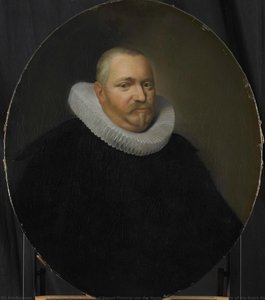
Биография художника
Pieter van Laer: Bridging Dutch Realism and Italian Sensibility
The story of Pieter van Laer, often known by his evocative nickname Il Bamboccio, is a captivating journey through the heart of the seventeenth-century Baroque era. Born in Haarlem around 1599, Van Laer emerged from a Dutch landscape defined by intense artistic experimentation and humanist ideals. His early years were shaped by the rigorous traditions of the Netherlands, most notably under the tutelage of the legendary master Frans Hals. From Hals, Van Laer inherited a profound appreciation for meticulous realism and a psychological depth that would later allow him to breathe life into the most humble of subjects. While his roots were firmly planted in Dutch soil, his spirit was destined for the sun-drenched landscapes of Italy, where he would eventually forge a stylistic bridge between Northern precision and Mediterranean drama.
As Van Laer traveled south, he became a central figure in the vibrant artistic community of Rome. He was an active member of the Bentvueghels, a spirited association of Flemish and Dutch artists that fostered camaraderie and shared innovation among expatriates. It was during his decade-long residency in Rome that Van Laer achieved his most significant historical milestone: the establishment of the Bamboccianti style. This movement represented a bold departure from the idealized, lofty subjects of traditional academic art. Instead, Van Laer championed a revolutionary approach that found beauty in the unvarnished truth of everyday life, focusing on the rustic, the gritty, and the spontaneous.
The Art of the Everyday: Style and Technique
The essence of the Bamboccianti style lies in its unflinching portrayal of the common man. Van Laer’s canvases are populated by peasants, travelers, and laborers engaged in the rhythmic, often chaotic activities of rural existence. He drew profound inspiration from the dramatic realism of Caravaggio, utilizing chiaroscical techniques to create a sense of palpable volume and tension. By masterfully contrasting deep, enveloping shadows with sudden bursts of brilliant light, he imbued even the simplest roadside scene with a sense of theatrical importance.
His technical prowess is perhaps most evident in his ability to manipulate atmosphere and texture. Whether painting a sweeping landscape or an intimate genre scene, Van Laer possessed a unique gift for capturing the ephemeral qualities of light. Consider the following hallmarks of his mature work:
- Dynamic Compositions: His scenes often feature a sense of movement, where figures seem caught in a fleeting moment of action or quiet contemplation.
- Vibrant Color Palettes: While often utilizing earthy tones to ground his subjects in reality, he frequently introduced striking contrasts to guide the viewer's eye through the narrative.
- Narrative Depth: Beyond mere depiction, works like Departure from the Inn use subtle gestures and postures to suggest complex psychological states, such as anticipation or hesitation.
- Animalistic Detail: His skill extended to the natural world, where his animal paintings showcased a keen observational eye for the anatomy and spirit of his subjects.
Legacy and Historical Significance
Though his life was relatively short, ending around 1642, Pieter van Laer left an indelible mark on the trajectory of European art. By legitimizing the depiction of "low" subject matter through high-level technical execution, he challenged the hierarchies of the art world and paved the way for future generations of genre painters. His influence resonated far beyond the borders of the Netherlands, impacting the development of Italian landscape and genre painting by introducing a Northern sensibility for detail and a Southern passion for light.
Today, his masterpieces reside in some of the world's most prestigious institutions, such as the Musée du Louvre in Paris and the Alte Pinakothek in Munich. Works like The Herdsmen and The Flagellants serve as enduring windows into a bygone era, reminding us of his unparalleled ability to find the extraordinary within the ordinary. Van Laer remains a pivotal figure whose work continues to captivate audiences with its profound humanity and its timeless celebration of life's simplest, most authentic moments.
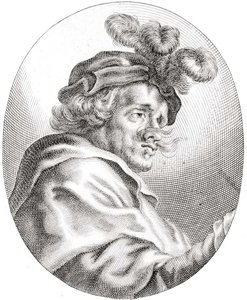
pieter boddingh van laer
1599 - 1642
Основные сведения
- Artistic Movement Or Style: Bamboccianti
- Artists Who Influenced This Artist:
- Rembrandt van Rijn
- Jan Steen
- Date Of Birth: 1599
- Date Of Death: c. 1642
- Full Name: Pieter Boddingh van Laer
- Nationality: Dutch
- Notable Artworks:
- Departure from the Inn
- The Herdsmen
- Bentvueghels in a Roman Tavern
- Place Of Birth: Amsterdam, Netherlands