

 Предпросмотр
 Поделиться
 Поделиться
 Детали произведения

 Скачать
 Похожие работы
 Рентгенография
 Слайд-шоу
 Статистика
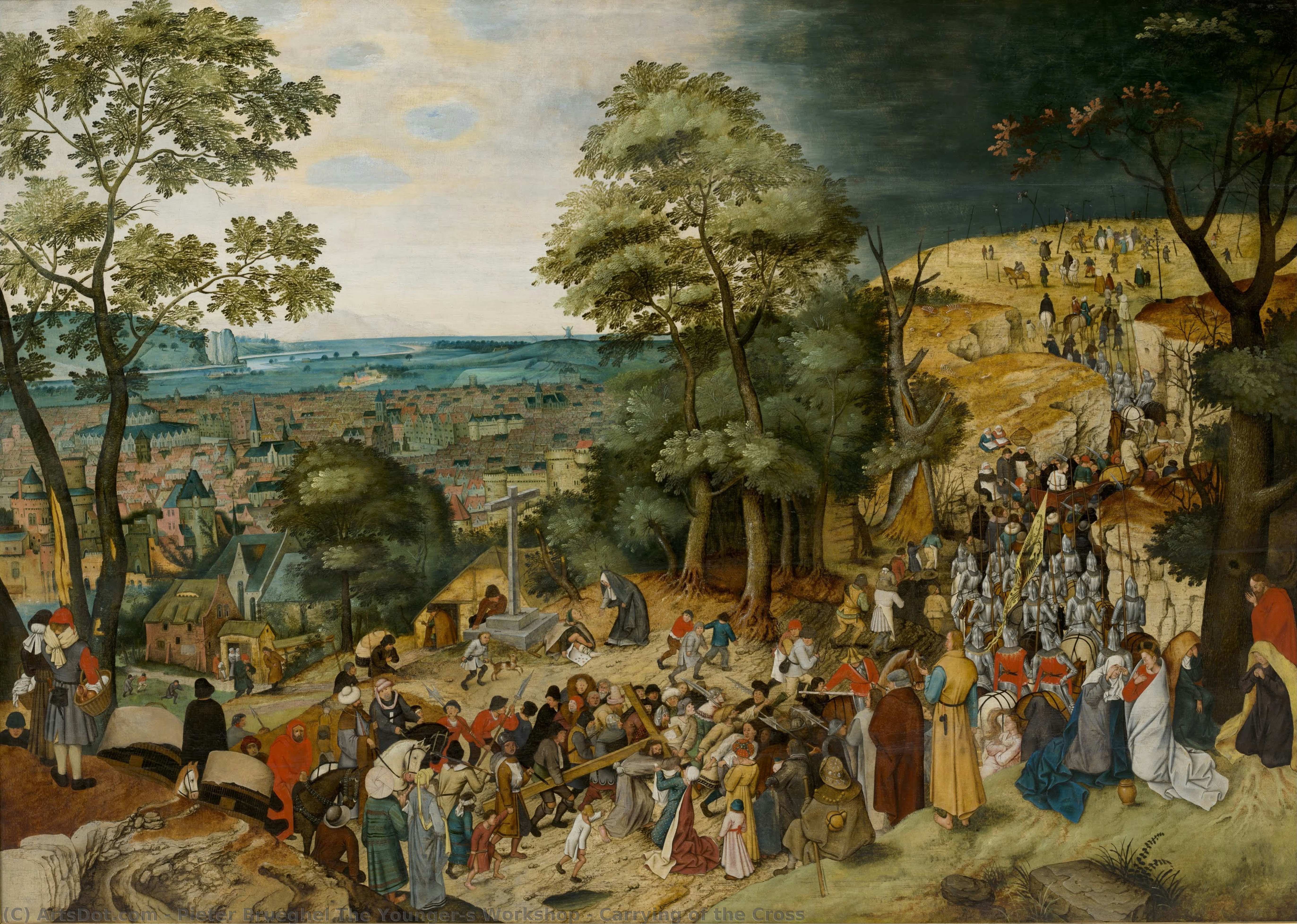
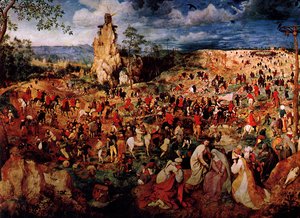
Carrying of the Cross
 Oil On Panel
- Flemish Renaissance
 Early Modern
 151.0 x 200.0 cm
 Bonnefanten Museum
 Читать далее
Приобретите цифровое изображение высокого разрешения в улучшенном качестве, которое значительно превосходит онлайн-превью.
Каждый файл тщательно подготавливается нашими специалистами с использованием передовых инструментов и экспертной ручной ретуши. Мы гарантируем исключительную четкость, точную цветопередачу и детальную проработку каждого изображения.
Финальный файл доставляется по электронной почте в течение 72 часов и оптимизирован для немедленного использования в профессиональной среде, при верстке и печати. Это тот же уровень качества, которому доверяют ведущие дизайнерские студии, издательства и галереи.
Цифровое изображение
Скачайте файл высокого разрешения для личного использования, печати и творческих проектов. ( Перейти к печати Купить картину ручной работы)
Включено в каждый заказ цифровых изображений
Гарантия экспертной цифровой доставки
Выбирая ArtsDot.com, вы получаете не просто изображение — вы приобретаете профессионально обработанное цифровое произведение искусства, созданное с безупречной точностью и под защитой гарантии качества. Вот всё, что автоматически входит в ваш заказ:

Мгновенная доставка по e-mail
Ваш цифровой файл в высоком разрешении будет отправлен вам по электронной почте в течение 72 часов после оформления заказа — и сразу станет доступен для использования.

Цифровой файл с ИИ-улучшением
Ваше произведение искусства проходит профессиональную оптимизацию с использованием передовых инструментов ИИ и ручной обработки, что гарантирует максимальную детализацию, четкость и точность цветопередачи.

Бессрочная бесплатная повторная доставка
Случайно удалили или потеряли файл? Не беспокойтесь — мы отправим его вам повторно в любое время и совершенно бесплатно.

Без импортных пошлин — навсегда
Наслаждайтесь вашим произведением искусства мгновенно без таможенных пошлин, сборов или затрат на доставку — цифровые загрузки всегда не облагаются налогом.

Гарантия точности цветопередачи
Мы гарантируем, что ваше цифровое изображение максимально точно передает оригинальные цвета благодаря использованию профессиональных инструментов и систем управления цветом.

Гарантия удовлетворенности 100 дней
Если вы не будете удовлетворены своим цифровым изображением, мы внесем правки или вернем 100% стоимости в течение 100 дней — без лишних вопросов.

100% Гарантия возврата средств
Не удовлетворены покупкой? Получите полный возврат средств в течение 100 дней после получения цифрового файла — без лишних вопросов.

Скидки на оптовые заказы
Купите 3 изображения, сэкономьте 10% — Купите 5, сэкономьте 15% — Купите 10+, сэкономьте 20%. Отличное решение для творческих проектов, галерей и агентств.
A Procession of Sorrow and Splendor
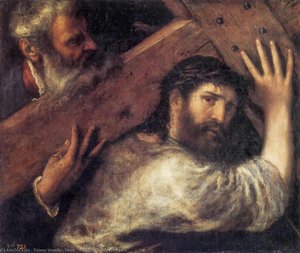
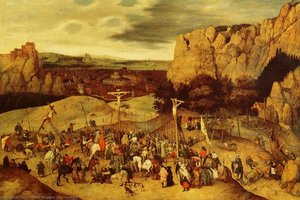
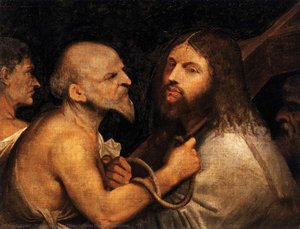
In the vast, sweeping panorama of Pieter Brueghel the Younger’s Workshop, few works capture the profound intersection of the divine and the mundane as poignantly as Carrying of the Cross. This monumental oil on panel, measuring an impressive 151 x 200 cm, invites the viewer into a bustling, late medieval Flemish cityscape that feels startlingly alive. At its heart lies the heavy, somber weight of the Passion; Christ moves through a sea of humanity, burdened by the wooden cross that serves as the focal point of this tragic journey toward Golgotha. Yet, the brilliance of this composition lies in how the sacred event is woven into the fabric of everyday life. The artist does not isolate the biblical drama in a vacuum but instead embeds it within a teeming landscape of horses, travelers, and townspeople, creating a sense that the weight of history is being carried through the very streets where we live and breathe.
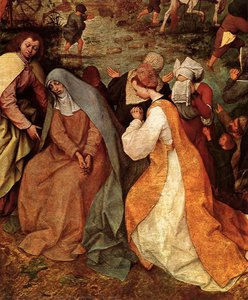
The technique employed by the workshop reflects the masterful Flemish tradition of detailed storytelling and atmospheric depth. Through delicate brushwork and a sophisticated use of light and shadow, the painting achieves a remarkable sense of scale. The dark, brooding skies that hang over the distant hill provide a stark, emotional contrast to the intricate details of the foreground. One can almost feel the grit of the road and the tension in the air as figures like Simon of Cyrene and Saint Veronica appear near Christ, offering small moments of human connection amidst the chaos. The use of color is both subtle and strategic, guiding the eye from the vibrant activity of the town toward the more muted, mournful tones of the grieving Mary and Mary Magdalene by the roadside.
Symbolism and the Contemporary Lens
What makes this piece a true masterpiece of narrative art is its profound use of anachronism. By situating a biblical event within a contemporary 16th-century Flemish setting, the workshop bridges the gap between the ancient past and the viewer's present. The large, round building intended to represent the Temple of Jerusalem stands as a lonely architectural relic amidst a landscape that feels intimately familiar to a Renaissance observer. This stylistic choice serves a powerful symbolic purpose: it suggests that the themes of sacrifice, suffering, and redemption are not merely historical footnotes but are ever-present in the human condition. The inclusion of the two thieves being transported on a cart adds a layer of social commentary, reminding us of the indiscriminate nature of fate and the shared experience of struggle.
For the discerning collector or interior designer, Carrying of the Cross offers more than just visual beauty; it provides a profound emotional resonance. The painting’s ability to command attention through its sheer scale and complex composition makes it an extraordinary centerpiece for any curated collection. Whether placed in a grand gallery or used to anchor a sophisticated living space, the work evokes a sense of contemplation and timelessness. It is a piece that rewards repeated viewing, as new details—from the subtle movement of horses to the haunting inconsistency of the stone cross—reveal themselves, offering an endless source of inspiration and intellectual engagement.
Похожие произведения
Биография художника
Pieter Brueghel the Younger’s Workshop: A Legacy of Flemish Landscapes
The name Pieter Bruegel the Younger conjures images of vast, teeming landscapes populated by peasants engaged in everyday life – scenes brimming with both rustic charm and unsettling social commentary. However, behind this iconic style lies a complex story of artistic lineage and prolific production, centered around a remarkably successful workshop that flourished in Antwerp during the late 16th and early 17th centuries. This wasn’t merely a studio; it was a powerhouse of artistic output, responsible for an estimated 1,400 paintings – a staggering number that significantly shaped the course of Flemish art and disseminated Bruegel's distinctive vision across Europe.
The workshop’s origins are inextricably linked to Pieter Bruegel the Elder, his father. Born in Brussels around 1564, Pieter the Younger learned the trade at his father’s side, initially assisting with preparatory sketches and underpainting. Following his father's death in 1608, he inherited not only the workshop but also a considerable backlog of unfinished works. Recognizing the commercial potential of his father’s style – particularly the popularity of scenes depicting peasant life – Pieter the Younger skillfully adapted and expanded upon these themes, establishing a highly efficient production system. He didn't simply copy; he developed his own approach, often incorporating elements of Mannerism and creating what are known as “Bruegelian pastiches” – works that deliberately mimic his father’s style while subtly introducing new details or compositional variations.
The Workshop’s Style and Production
The workshop's aesthetic was deeply rooted in the traditions of Pieter Bruegel the Elder, but it evolved into something uniquely its own. While maintaining a strong connection to his father’s core subjects – rural life, harvests, festivals, and even unsettling depictions of death and disaster – the younger Brueghel introduced a greater emphasis on detail, color, and dynamism. His compositions often featured a heightened sense of realism, with meticulously rendered figures and landscapes. Crucially, the workshop operated as a collaborative enterprise, employing numerous assistants who specialized in different aspects of the painting process: some focused on sketching, others on underpainting, while still others were responsible for finishing details or creating entirely new elements within a scene.
The sheer volume of work produced by the workshop speaks to its remarkable efficiency and organizational structure. It’s estimated that around 1,400 paintings bear some connection to Pieter Bruegel the Younger and his team – a testament to their tireless dedication and ability to replicate and reinterpret his father's style on a massive scale. This prolific output made Brueghel’s imagery incredibly accessible, contributing significantly to its widespread dissemination throughout Europe during a period of intense artistic exchange.
Influences and Artistic Connections
Pieter Bruegel the Younger’s work was undeniably shaped by his father's legacy, but he also drew inspiration from other prominent Flemish artists. The influence of Jan Brueghel the Elder, his uncle, is particularly evident in the workshop’s later output – especially in the depiction of flower garlands and still lifes. The meticulous attention to detail and the incorporation of contemporary fashion trends reflect a broader engagement with the artistic currents of the time.
Furthermore, the workshop benefited from collaborations with other leading Flemish painters, including Frans Francken the Younger, who frequently contributed figures and narrative elements to Brueghel’s compositions. These partnerships broadened the scope of the workshop's output and ensured a consistent level of artistic quality across its diverse range of subjects.
Notable Works and Legacy
The Groeninge Museum in Bruges houses an impressive collection of works attributed to Pieter Brueghel the Younger’s workshop, offering visitors a remarkable opportunity to immerse themselves in this prolific artist's oeuvre. These paintings showcase the full range of his stylistic development, from early copies of his father’s work to more original compositions that demonstrate his growing artistic independence.
Beyond Bruges, significant examples of the workshop’s output can be found in museums across Europe, including the Kunsthistorisches Museum in Vienna and the Prado Museum in Madrid. Pieter Brueghel the Younger's legacy extends far beyond the individual paintings themselves; his workshop played a crucial role in popularizing Bruegel’s imagery and establishing him as one of the most important landscape painters of the 16th and 17th centuries. His work continues to resonate today, offering a unique window into the social and cultural realities of early modern Europe.
pieter brueghel the younger's workshop
1564 - 1637 , Belgium
Основные сведения
- Artistic Movement Or Style: Bruegelian pastiches
- Artists Or Movements Influenced By This Artist: Jan Brueghel the Younger, Frans Francken the Younger
- Artists Who Influenced This Artist: Pieter Bruegel the Elder
- Date Of Birth: Brussels, Belgium (1564)
- Date Of Death: 1637/1638
- Full Name: Pieter Brueghel the Younger’s Workshop
- Nationality: Flemish
- Notable Artworks:
- Untitled (DD22MG)
- Pieter Brueghel the Younger
- Place Of Birth: Brussels, Belgium