

 Предпросмотр
 Поделиться
 Поделиться
 Детали произведения

 Скачать
 Похожие работы
 Рентгенография
 Слайд-шоу
 Статистика
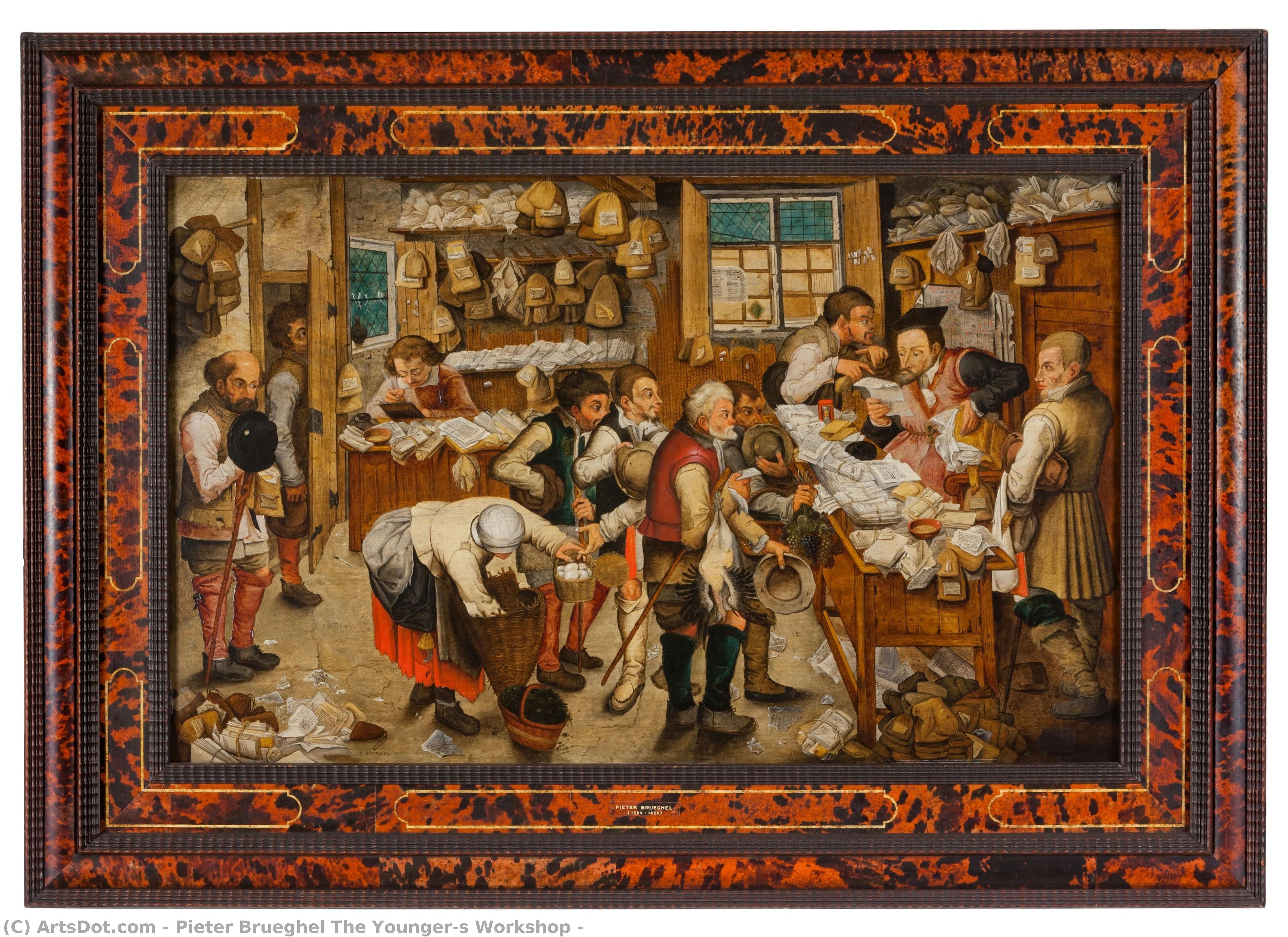
Untitled (DD22MG)


 Читать далее
Масляная репродукция ручной работы
Картина маслом на холсте в выбранном вами размере и раме, написанная на заказ нашими художниками. ( Перейти к печати Перейти к цифровым изображениям)




































Выберите один из наших стандартных размеров, соответствующих оригинальным пропорциям произведения искусства.

Вы можете указать собственные размеры, чтобы картина идеально вписалась в выбранную раму или пространство. Если выбранный вами размер не соответствует пропорциям оригинала, мы либо обрежем полотно, либо расширим его за счет дополнительных элементов, написанных вручную. Цифровой макет будет отправлен вам на утверждение перед началом производства.
Обратите внимание, что предварительный просмотр на экране не отражает фактическую обрезку или расширение. Только макет точно покажет окончательную композицию.
Хотя доступны индивидуальные размеры, мы рекомендуем выбирать вариант из предопределенного списка, чтобы сохранить исходные пропорции.
После оформления заказа команда ArtsDot.com свяжется с клиентом по электронной почте для уточнения деталей и предоставит предварительный макет
Доставка по всему миру () за 3–4 недели вместо стандартных 5 недель. (12 Сентябрь). Без компромиссов в качестве.

Бесплатная экспресс-доставка по всему миру

Высококачественный льняной холст

Полное страхование доставки

Гарантия возмещения таможенных пошлин

Гарантия точного соответствия цветов

100-дневная политика возврата (только при обнаружении дефектов)

Гарантия возврата 100% средств

Предложение оптовых скидок
 Вариант со стеклом доступен только для размеров менее 110 см

Untitled (DD22MG)
Техника репродукции
Размер репродукции
-


Итоговая стоимость
$ 263
A Symphony of Daily Life: The Bustling World of Brueghel’s Workshop
In the heart of a crowded, sun-drenched interior, a silent drama unfolds through the meticulous strokes of Pieter Brueghel the Younger's workshop. This captivating piece, dating back to 1616, invites the viewer into a sprawling, communal space where the boundaries between labor and leisure blur into a singular, rhythmic dance of human existence. At first glance, the eye is drawn to the sheer density of life; at least thirteen figures populate this room, each caught in a moment of profound focus or quiet respite. Some are hunched over delicate sewing tasks, their hands moving with practiced precision, while others sit amidst a sea of scattered books, lost in the pursuit of knowledge. The composition breathes with the energy of a shared vocation, where the clatter of bowls and the rustle of pages seem almost audible through the canvas.
The artistry of this work exemplifies the masterful Flemish tradition of narrative detail. Every corner of the room is a treasure trove for the observant eye, from the sturdy dining table laden with sustenance to the scattered remnants of scholarly study. The workshop’s technique relies on a sophisticated layering of light and shadow to define the depth of the room, creating a sense of three-dimensional space that pulls the collector into the scene. There is a profound sense of verisimilitude here—a commitment to capturing the textures of wood, fabric, and paper so convincingly that the atmosphere of a busy, collaborative workspace becomes palpable. For the interior designer, this painting offers more than just a visual focal point; it provides a window into a structured yet vibrant social order.
Historical Resonance and the Legacy of Flemish Mastery
To understand the emotional weight of this painting, one must look to its lineage. Emerging from the prolific workshop of Pieter Brueghel the Younger, the work carries the DNA of his father, the legendary Pieter Bruegel the Elder. While the elder Bruegel often utilized landscapes to comment on the human condition, the workshop’s output—including this 1616 masterpiece—specialized in disseminating that iconic vision through highly detailed, accessible scenes of everyday life. This period in Antwerp was a golden age of artistic production, where the workshop functioned as a powerhouse of creativity, ensuring that the themes of peasant industriousness and communal harmony could be enjoyed by a burgeoning class of art collectors across Europe.
The symbolism embedded within the scene speaks to the dignity of labor and the interconnectedness of society. The presence of books alongside tools of manual craft suggests a harmonious balance between the intellectual and the physical, a recurring theme in Northern Renaissance thought. There is no hierarchy depicted here that separates the reader from the sewer; instead, there is a unified focus on the task at hand. For those seeking to adorn a space with art that inspires contemplation and warmth, this reproduction serves as a timeless testament to the beauty found in the mundane. It is an evocative piece that brings a sense of historical depth and narrative richness to any collection, making it an ideal choice for those who value art that tells a story of human resilience and collective purpose.
Похожие произведения
Биография художника
Pieter Brueghel the Younger’s Workshop: A Legacy of Flemish Landscapes
The name Pieter Bruegel the Younger conjures images of vast, teeming landscapes populated by peasants engaged in everyday life – scenes brimming with both rustic charm and unsettling social commentary. However, behind this iconic style lies a complex story of artistic lineage and prolific production, centered around a remarkably successful workshop that flourished in Antwerp during the late 16th and early 17th centuries. This wasn’t merely a studio; it was a powerhouse of artistic output, responsible for an estimated 1,400 paintings – a staggering number that significantly shaped the course of Flemish art and disseminated Bruegel's distinctive vision across Europe.
The workshop’s origins are inextricably linked to Pieter Bruegel the Elder, his father. Born in Brussels around 1564, Pieter the Younger learned the trade at his father’s side, initially assisting with preparatory sketches and underpainting. Following his father's death in 1608, he inherited not only the workshop but also a considerable backlog of unfinished works. Recognizing the commercial potential of his father’s style – particularly the popularity of scenes depicting peasant life – Pieter the Younger skillfully adapted and expanded upon these themes, establishing a highly efficient production system. He didn't simply copy; he developed his own approach, often incorporating elements of Mannerism and creating what are known as “Bruegelian pastiches” – works that deliberately mimic his father’s style while subtly introducing new details or compositional variations.
The Workshop’s Style and Production
The workshop's aesthetic was deeply rooted in the traditions of Pieter Bruegel the Elder, but it evolved into something uniquely its own. While maintaining a strong connection to his father’s core subjects – rural life, harvests, festivals, and even unsettling depictions of death and disaster – the younger Brueghel introduced a greater emphasis on detail, color, and dynamism. His compositions often featured a heightened sense of realism, with meticulously rendered figures and landscapes. Crucially, the workshop operated as a collaborative enterprise, employing numerous assistants who specialized in different aspects of the painting process: some focused on sketching, others on underpainting, while still others were responsible for finishing details or creating entirely new elements within a scene.
The sheer volume of work produced by the workshop speaks to its remarkable efficiency and organizational structure. It’s estimated that around 1,400 paintings bear some connection to Pieter Bruegel the Younger and his team – a testament to their tireless dedication and ability to replicate and reinterpret his father's style on a massive scale. This prolific output made Brueghel’s imagery incredibly accessible, contributing significantly to its widespread dissemination throughout Europe during a period of intense artistic exchange.
Influences and Artistic Connections
Pieter Bruegel the Younger’s work was undeniably shaped by his father's legacy, but he also drew inspiration from other prominent Flemish artists. The influence of Jan Brueghel the Elder, his uncle, is particularly evident in the workshop’s later output – especially in the depiction of flower garlands and still lifes. The meticulous attention to detail and the incorporation of contemporary fashion trends reflect a broader engagement with the artistic currents of the time.
Furthermore, the workshop benefited from collaborations with other leading Flemish painters, including Frans Francken the Younger, who frequently contributed figures and narrative elements to Brueghel’s compositions. These partnerships broadened the scope of the workshop's output and ensured a consistent level of artistic quality across its diverse range of subjects.
Notable Works and Legacy
The Groeninge Museum in Bruges houses an impressive collection of works attributed to Pieter Brueghel the Younger’s workshop, offering visitors a remarkable opportunity to immerse themselves in this prolific artist's oeuvre. These paintings showcase the full range of his stylistic development, from early copies of his father’s work to more original compositions that demonstrate his growing artistic independence.
Beyond Bruges, significant examples of the workshop’s output can be found in museums across Europe, including the Kunsthistorisches Museum in Vienna and the Prado Museum in Madrid. Pieter Brueghel the Younger's legacy extends far beyond the individual paintings themselves; his workshop played a crucial role in popularizing Bruegel’s imagery and establishing him as one of the most important landscape painters of the 16th and 17th centuries. His work continues to resonate today, offering a unique window into the social and cultural realities of early modern Europe.
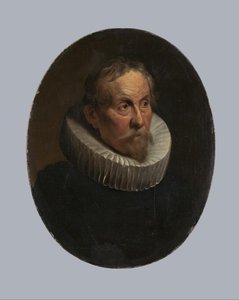
pieter brueghel the younger's workshop
1564 - 1637 , Belgium
Основные сведения
- Artistic Movement Or Style: Bruegelian pastiches
- Artists Or Movements Influenced By This Artist: Jan Brueghel the Younger, Frans Francken the Younger
- Artists Who Influenced This Artist: Pieter Bruegel the Elder
- Date Of Birth: Brussels, Belgium (1564)
- Date Of Death: 1637/1638
- Full Name: Pieter Brueghel the Younger’s Workshop
- Nationality: Flemish
- Notable Artworks:
- Untitled (DD22MG)
- Pieter Brueghel the Younger
- Place Of Birth: Brussels, Belgium
Похожие статьи
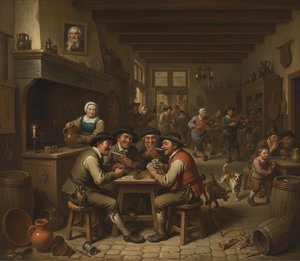
David Teniers II: Master of Flemish Genre & Social Commentary
Explore the captivating world of David Teniers II, a leading Flemish Baroque painter renowned for his lively genre scenes & insightful social commentary. Discover his masterpieces and legacy with ArtsDot.
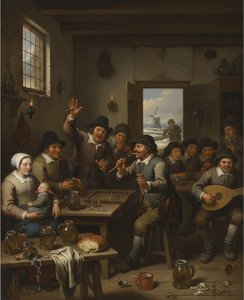
Adriaen Brouwer: Capturing Dutch Life & Social Commentary Through Genre Painting
Explore the captivating world of Adriaen Brouwer, a master of Dutch Golden Age genre painting. Discover his vivid depictions of peasant life, social commentary, and lasting influence on art history. Learn more at ArtsDot.
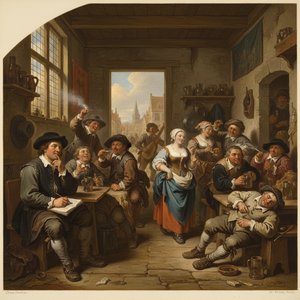
David Teniers the Younger: Genre Painting & Social Commentary in Baroque Flanders
Explore the captivating world of David Teniers the Younger, a leading Flemish Baroque painter. Discover his genre scenes, social commentary, and lasting influence on 17th-century art. Learn about his life, techniques & legacy.
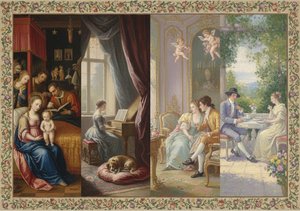
Intimate Interiors: Domestic Life & Artistic Representation from Renaissance to Impressionism
Explore the evolution of domestic life in Western art from the Renaissance to Impressionism. Discover symbolism, realism & artistic techniques shaping intimate interior scenes. Learn more with ArtsDot.
The Interior Gaze: Exploring Representations of Domestic Space in Art History
Explore the fascinating history of domestic interiors in art! From Dutch Masters to Impressionism, discover how artists captured home life & social meaning. Expert analysis and insights at ArtsDot.