

 Предпросмотр
 Поделиться
 Поделиться
 Детали произведения

 Скачать
 Похожие работы
 Рентгенография
 Слайд-шоу
 Статистика
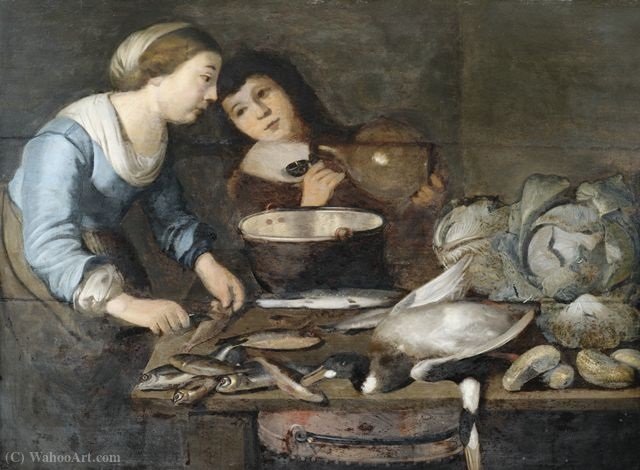
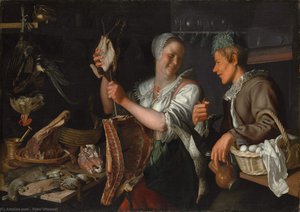
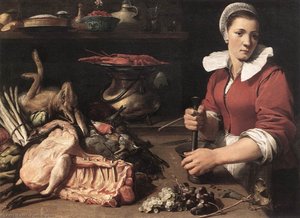
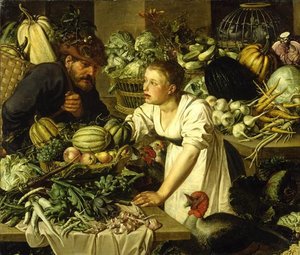
Kitchen interior with a pair of servants in the processing of fish, on the worktable cabbages and a duck
 Читать далее
Масляная репродукция ручной работы
Картина маслом на холсте в выбранном вами размере и раме, написанная на заказ нашими художниками. ( Перейти к печати Перейти к цифровым изображениям)




































Выберите один из наших стандартных размеров, соответствующих оригинальным пропорциям произведения искусства.

Вы можете указать собственные размеры, чтобы картина идеально вписалась в выбранную раму или пространство. Если выбранный вами размер не соответствует пропорциям оригинала, мы либо обрежем полотно, либо расширим его за счет дополнительных элементов, написанных вручную. Цифровой макет будет отправлен вам на утверждение перед началом производства.
Обратите внимание, что предварительный просмотр на экране не отражает фактическую обрезку или расширение. Только макет точно покажет окончательную композицию.
Хотя доступны индивидуальные размеры, мы рекомендуем выбирать вариант из предопределенного списка, чтобы сохранить исходные пропорции.
После оформления заказа команда ArtsDot.com свяжется с клиентом по электронной почте для уточнения деталей и предоставит предварительный макет
Доставка по всему миру () за 3–4 недели вместо стандартных 5 недель. (12 Сентябрь). Без компромиссов в качестве.

Бесплатная экспресс-доставка по всему миру

Высококачественный льняной холст

Полное страхование доставки

Гарантия возмещения таможенных пошлин

Гарантия точного соответствия цветов

100-дневная политика возврата (только при обнаружении дефектов)

Гарантия возврата 100% средств

Предложение оптовых скидок
 Вариант со стеклом доступен только для размеров менее 110 см

Kitchen interior with a pair of servants in the processing of fish, on the worktable cabbages and a duck
Техника репродукции
Размер репродукции
-


Итоговая стоимость
$ 263
Похожие произведения


Биография художника
The Master of the Domestic Interior
Pieter Cornelisz van Rijck (1567 – c. 1637) stands as a pivotal figure in the Dutch Golden Age, recognized primarily for his masterful depictions of domestic interiors—particularly kitchen scenes—that captured the essence of everyday life with remarkable detail and psychological insight. Unlike many of his contemporaries who focused on grand portraits or mythological subjects, van Rijck dedicated himself to portraying ordinary moments, establishing him as one of the earliest practitioners of genre painting in Holland. This stylistic choice distinguishes him from artists like Floris van Dijck and Jan Steen, whose works similarly explored the realities of domestic life but often leaned towards theatricality and heightened emotion.
His artistic journey began in Delft, where he honed his skills under the tutelage of Hendrick Cornelis Boelen, a renowned painter known for his landscapes and portraits. Early influences included the Flemish Baroque tradition, notably the work of Jacob Bassano, whom van Rijck admired greatly and with whom he engaged in spirited discussions about painting techniques and artistic vision. This connection to Bassano’s style is evident in van Rijck's compositions—characterized by a luminous palette, subtle chiaroscuro effects, and an emphasis on capturing atmospheric conditions—reflecting the Venetian aesthetic that was gaining prominence during his formative years.
A Journey Through Europe's Artistic Hubs
Van Rijck’s career unfolded across several important artistic centers: Delft, Haarlem, and Venice. This movement through the great cultural landscapes of Europe allowed him to synthesize diverse traditions into a unique personal style. He secured commissions from prominent patrons like Willem van Rosenburgh and Pieter Pauwelrecht, producing a diverse body of work encompassing portraits, kitchen pieces, and market scenes. His ability to elevate the mundane to the level of high art allowed him to bridge the gap between simple observation and profound narrative.
One of his most enduring legacies is found in his ability to infuse stillness with meaning. In works such as Kitchen Scene with the Supper at Emmaus, painted around 1605, he transcends mere genre painting to create a poignant meditation on faith, community, and the quiet dignity of ordinary moments. This capacity to find the sacred within the secular became a hallmark of his contribution to the Baroque era.
Legacy and Artistic Significance
The historical significance of Pieter Cornelisz van Rijck lies in his role as a pioneer of the genre painting movement. By focusing on the textures of food, the play of light on ceramic, and the humble attire of servants, he helped pave the way for the later, more famous masters of Dutch realism. His work serves as a meticulously crafted window into the heart of 17th-century Dutch domesticity.
Notable highlights of his artistic output include:
- The Kitchen Maid: A captivating oil on canvas from 1628, currently housed in the Museum voor Schone Kunsten in Ghent, which showcases his skill in using light and shadow to create warmth and intimacy.
- Market Scenes: Vibrant depictions of commerce and daily labor that reflect the burgeoning economic prosperity of the Netherlands.
- Still Life Innovations: An early mastery of depicting organic textures, from the skin of a pear to the weight of hanging poultry, which influenced generations of still life painters.
Through his commitment to portraying the beauty found in the overlooked, van Rijck ensured that the quiet corners of the Dutch home would be immortalized with grace and lasting artistic merit.
Pieter Cornelisz van Rijck
1567 - 1637 , Netherlands
Основные сведения
- Artistic Movement Or Style: Baroque painting
- Artists Or Movements Influenced By This Artist: Italian Masters
- Artists Who Influenced This Artist: Jacopo Bassano
- Date Of Birth: Delft, Netherlands (1567)
- Date Of Death: c. 1637
- Full Name: Pieter Cornelisz van Rijck
- Nationality: Dutch
- Notable Artworks:
- The Kitchen Maid
- Kitchen Interior With The Parable Of The Rich Man And The Poor Lazarus.
- Still Life With Two Figures
- Place Of Birth: Delft