

 Предпросмотр
 Поделиться
 Поделиться
 Детали произведения

 Скачать
 Похожие работы
 Рентгенография
 Слайд-шоу
 Статистика
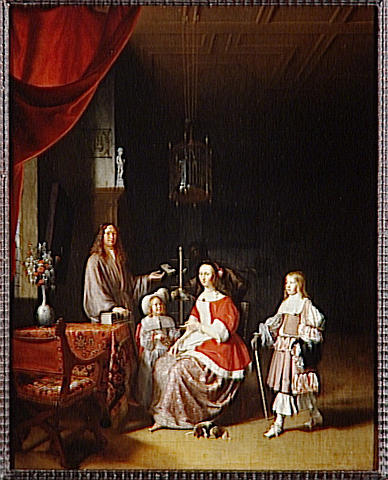
JOHANNES MEERMAN (1624, 1675) , BOURGMESTRE DE LEYDE ET SA FAMILLE


 Читать далее
Приобретите цифровое изображение высокого разрешения в улучшенном качестве, которое значительно превосходит онлайн-превью.
Каждый файл тщательно подготавливается нашими специалистами с использованием передовых инструментов и экспертной ручной ретуши. Мы гарантируем исключительную четкость, точную цветопередачу и детальную проработку каждого изображения.
Финальный файл доставляется по электронной почте в течение 72 часов и оптимизирован для немедленного использования в профессиональной среде, при верстке и печати. Это тот же уровень качества, которому доверяют ведущие дизайнерские студии, издательства и галереи.
Цифровое изображение
Скачайте файл высокого разрешения для личного использования, печати и творческих проектов. ( Перейти к печати Купить картину ручной работы)
Включено в каждый заказ цифровых изображений
Гарантия экспертной цифровой доставки
Выбирая ArtsDot.com, вы получаете не просто изображение — вы приобретаете профессионально обработанное цифровое произведение искусства, созданное с безупречной точностью и под защитой гарантии качества. Вот всё, что автоматически входит в ваш заказ:

Мгновенная доставка по e-mail
Ваш цифровой файл в высоком разрешении будет отправлен вам по электронной почте в течение 72 часов после оформления заказа — и сразу станет доступен для использования.

Цифровой файл с ИИ-улучшением
Ваше произведение искусства проходит профессиональную оптимизацию с использованием передовых инструментов ИИ и ручной обработки, что гарантирует максимальную детализацию, четкость и точность цветопередачи.

Бессрочная бесплатная повторная доставка
Случайно удалили или потеряли файл? Не беспокойтесь — мы отправим его вам повторно в любое время и совершенно бесплатно.

Без импортных пошлин — навсегда
Наслаждайтесь вашим произведением искусства мгновенно без таможенных пошлин, сборов или затрат на доставку — цифровые загрузки всегда не облагаются налогом.

Гарантия точности цветопередачи
Мы гарантируем, что ваше цифровое изображение максимально точно передает оригинальные цвета благодаря использованию профессиональных инструментов и систем управления цветом.

Гарантия удовлетворенности 100 дней
Если вы не будете удовлетворены своим цифровым изображением, мы внесем правки или вернем 100% стоимости в течение 100 дней — без лишних вопросов.

100% Гарантия возврата средств
Не удовлетворены покупкой? Получите полный возврат средств в течение 100 дней после получения цифрового файла — без лишних вопросов.

Скидки на оптовые заказы
Купите 3 изображения, сэкономьте 10% — Купите 5, сэкономьте 15% — Купите 10+, сэкономьте 20%. Отличное решение для творческих проектов, галерей и агентств.
Pieter Cornelisz van Slingelandt: A Master of Subtle Detail – Capturing Domestic Tranquility
Pieter Cornelisz van Slingelandt (1640-1691) stands as a cornerstone of Dutch Golden Age painting, embodying the very essence of *fijnschilderij*—a meticulous approach prioritizing painstaking detail, velvety smooth surfaces, and an almost enamel-like finish. Unlike his contemporaries who sought grand narratives or dramatic expressions, Slingelandt excelled at portraying quiet moments of everyday life with remarkable realism and psychological depth. His artistic legacy resides in his ability to distill the complexities of human experience into exquisitely rendered scenes of domesticity.
- Life Amidst Leiden’s Artistic Crucible: Born in Leiden, a city synonymous with intellectual curiosity and artistic patronage, Slingelandt's life unfolded during a period when Leiden was arguably Europe’s epicenter for artistic innovation. He wasn’t merely documenting appearances; he was crafting miniature worlds imbued with atmosphere and emotion—a hallmark of the *fijnschilderij* movement.
- The Influence of Gerard Dou: Slingelandt's style owes considerable debt to Gerard Dou, another master of *fijnschilderij*, whose techniques – particularly diffused light and subtle tonal gradations – profoundly shaped Slingelandt’s artistic vision. This shared aesthetic sensibility ensured that Slingelandt’s paintings possessed a characteristic luminosity and textural richness.
- Portraiture Reflecting Social Status: Slingelandt primarily focused on portraiture, catering to the burgeoning middle class eager to commemorate their families and achievements. However, he transcended mere likeness; his portraits conveyed character and emotion with astonishing accuracy—revealing not just what subjects looked like but also how they felt.
A Portrait Steeped in Symbolism: The Family of Johannes Meerman
The painting depicts Johannes Meerman (1624-1675), a prominent burgomaster of Leiden, alongside his wife and two children. This seemingly simple composition is laden with symbolic significance—reflecting the values of piety, family unity, and social responsibility that underpinned Leiden’s cultural landscape during the seventeenth century. The inclusion of objects like the clock and vases serves as visual anchors, grounding the scene in a specific temporal and spatial context.
- The Clock: Hanging prominently above the woman's head, the clock symbolizes time—a concept central to humanist thought and reflecting the importance placed on order and discipline within bourgeois households. It underscores the family’s commitment to fulfilling their duties and responsibilities with diligence.
- The Vases: Strategically positioned around the room, the vases contribute to the overall sense of refinement and elegance—suggesting that this portrait was created in an environment designed to impress visitors and convey status. They represent beauty and prosperity—elements considered essential for demonstrating social success.
Technique and Aesthetic Achievement: Enamel-Like Surface Perfection
Slingelandt’s mastery of technique is evident in the painting's astonishing surface quality—characterized by an almost enamel-like sheen achieved through multiple layers of thinly applied paint. This meticulous process demanded immense patience and skill, resulting in a visual experience that transcends mere representation—creating an illusion of depth and luminosity that captivates the viewer’s eye. The artist’s dedication to capturing subtle tonal variations further enhances the painting's expressive power.
Provenance:The artwork is currently housed at Musée du Louvre, accession number INV 1840; MR 1027. It exemplifies the artistic spirit of Leiden during its Golden Age—a testament to Slingelandt’s unparalleled ability to transform ordinary subjects into enduring symbols of human dignity and beauty.
Похожие произведения



Биография художника
A Master of Meticulous Detail: Pieter Cornelisz van Slingelandt and the Leiden *Fijnschilders*
Pieter Cornelisz van Slingelandt, born in Leiden in 1640 and passing away there in 1691, occupies a fascinating niche within the illustrious landscape of Dutch Golden Age painting. He wasn’t a revolutionary innovator like Rembrandt or Vermeer, but rather a supremely gifted practitioner of *fijnschilderij* – “fine painting” – an aesthetic emphasizing painstaking detail, smooth surfaces, and an almost enamel-like finish. His life was deeply interwoven with the artistic community of Leiden, a city renowned for its subtle refinement and dedication to realistic representation. Van Slingelandt’s career unfolded during a period when portraiture and genre scenes flourished, catering to a burgeoning middle class eager to commemorate their lives and possessions with remarkable accuracy. He wasn't merely recording appearances; he was crafting miniature worlds of quiet domesticity and dignified presence.Apprenticeship and the Legacy of Gerard Dou
Van Slingelandt’s artistic journey began under the tutelage of Gerard Dou, a prominent figure in Leiden and a master of intimate genre scenes. This apprenticeship proved formative, deeply influencing Van Slingelandt's style and technique. Dou’s emphasis on light and shadow, his meticulous attention to texture, and his preference for small-scale compositions all became hallmarks of Van Slingelandt’s own work. In fact, the influence was so profound that many of his early paintings were mistakenly attributed to his teacher. This isn't surprising; both artists shared a commitment to rendering everyday objects with astonishing precision – a gleaming pewter plate, the delicate folds of fabric, the subtle play of light on skin. However, Van Slingelandt gradually developed his own distinct voice, characterized by an even more methodical approach and a slightly cooler palette than Dou’s often warmer tones. He wasn't simply imitating; he was refining and expanding upon the lessons learned in Dou’s studio.The Art of *Fijnschilderij* and Van Slingelandt’s Oeuvre
Van Slingelandt excelled at both portraiture and genre painting, though his portraits are arguably more celebrated. These weren't grand, imposing statements of power or status; instead, they were intimate studies of individuals, often depicted in quiet contemplation or engaged in everyday activities. A prime example is “Portrait of a Lady Seated with a Music Book on her Lap,” which showcases his ability to capture not just physical likeness but also a sense of inner life. The lady’s gaze is gentle and thoughtful, her hands delicately holding the music book, and the light falls softly upon her face, illuminating her features with subtle grace. His genre scenes, while fewer in number, demonstrate an equally keen eye for detail and a sensitivity to the nuances of daily life. He depicted scenes of domestic tranquility – a woman preparing breakfast, children playing games – imbuing them with a sense of quiet dignity and understated elegance. The sheer laboriousness of his technique is legendary; stories circulated that he would spend weeks perfecting the lace on a collar or the reflection in a silver goblet. This dedication to perfection, while sometimes criticized as overly meticulous, resulted in paintings of extraordinary beauty and refinement.Guild Membership and Lasting Significance
Van Slingelandt’s commitment to his craft extended beyond his studio. He was an active member of the Leiden Guild of St. Luke, serving as its headman in 1690 and deacon in 1691 – positions that attest to his standing within the artistic community. His involvement with the guild underscores his dedication not only to his own art but also to the preservation and promotion of artistic standards. While he may not be a household name today, Van Slingelandt’s legacy endures as a prime example of the *fijnschilder* tradition. He represents a particular strand within the Dutch Golden Age – one that valued meticulous observation, technical virtuosity, and an unwavering commitment to realism. His paintings offer a glimpse into the lives of 17th-century Dutch citizens, capturing their world with remarkable accuracy and sensitivity. Today, his works are treasured by museums and collectors alike, serving as a testament to the enduring power of quiet beauty and painstaking craftsmanship. Exploring Van Slingelandt’s oeuvre is not merely appreciating beautiful paintings; it's stepping into a bygone era and experiencing the world through the eyes of a master artisan.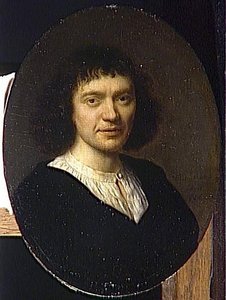
pieter cornelisz. van slingelandt
1640 - 1691