

 Предпросмотр
 Поделиться
 Поделиться
 Детали произведения

 Скачать
 Похожие работы
 Рентгенография
 Слайд-шоу
 Статистика
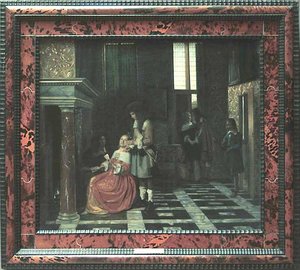
Musical Trio


 Читать далее
Приобретите цифровое изображение высокого разрешения в улучшенном качестве, которое значительно превосходит онлайн-превью.
Каждый файл тщательно подготавливается нашими специалистами с использованием передовых инструментов и экспертной ручной ретуши. Мы гарантируем исключительную четкость, точную цветопередачу и детальную проработку каждого изображения.
Финальный файл доставляется по электронной почте в течение 72 часов и оптимизирован для немедленного использования в профессиональной среде, при верстке и печати. Это тот же уровень качества, которому доверяют ведущие дизайнерские студии, издательства и галереи.
Цифровое изображение
Скачайте файл высокого разрешения для личного использования, печати и творческих проектов. ( Перейти к печати Купить картину ручной работы)
Включено в каждый заказ цифровых изображений
Гарантия экспертной цифровой доставки
Выбирая ArtsDot.com, вы получаете не просто изображение — вы приобретаете профессионально обработанное цифровое произведение искусства, созданное с безупречной точностью и под защитой гарантии качества. Вот всё, что автоматически входит в ваш заказ:

Мгновенная доставка по e-mail
Ваш цифровой файл в высоком разрешении будет отправлен вам по электронной почте в течение 72 часов после оформления заказа — и сразу станет доступен для использования.

Цифровой файл с ИИ-улучшением
Ваше произведение искусства проходит профессиональную оптимизацию с использованием передовых инструментов ИИ и ручной обработки, что гарантирует максимальную детализацию, четкость и точность цветопередачи.

Бессрочная бесплатная повторная доставка
Случайно удалили или потеряли файл? Не беспокойтесь — мы отправим его вам повторно в любое время и совершенно бесплатно.

Без импортных пошлин — навсегда
Наслаждайтесь вашим произведением искусства мгновенно без таможенных пошлин, сборов или затрат на доставку — цифровые загрузки всегда не облагаются налогом.

Гарантия точности цветопередачи
Мы гарантируем, что ваше цифровое изображение максимально точно передает оригинальные цвета благодаря использованию профессиональных инструментов и систем управления цветом.

Гарантия удовлетворенности 100 дней
Если вы не будете удовлетворены своим цифровым изображением, мы внесем правки или вернем 100% стоимости в течение 100 дней — без лишних вопросов.

100% Гарантия возврата средств
Не удовлетворены покупкой? Получите полный возврат средств в течение 100 дней после получения цифрового файла — без лишних вопросов.

Скидки на оптовые заказы
Купите 3 изображения, сэкономьте 10% — Купите 5, сэкономьте 15% — Купите 10+, сэкономьте 20%. Отличное решение для творческих проектов, галерей и агентств.
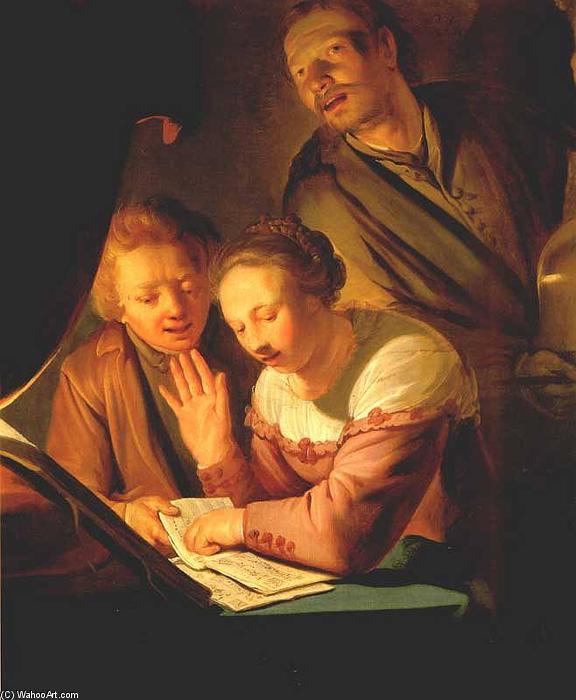
A Moment of Refined Leisure: Pieter de Grebber's "Musical Trio"
Step into a world of quiet elegance and artistic refinement with Pieter de Grebber’s captivating “Musical Trio,” painted in 1623. This exquisite oil on canvas transports us to the intimate setting of a Dutch Golden Age home, where music and intellectual pursuits intertwine. The scene depicts three figures – a woman seated at a desk, a gentleman attentively listening, and a young boy observing with rapt attention – engaged in what appears to be a shared musical experience. De Grebber masterfully captures a fleeting moment of domestic harmony, inviting viewers to contemplate the values and aesthetics of 17th-century Dutch society.Style & Technique: Baroque Realism
De Grebber’s style firmly resides within the Baroque tradition, yet infused with a distinct classicist sensibility influenced by his exposure to Peter Paul Rubens' work. The painting showcases remarkable realism, evident in the meticulous rendering of fabrics – note the delicate lace and intricate embroidery adorning the woman’s attire – and the nuanced expressions on each figure’s face. The artist employs chiaroscuro—the dramatic use of light and shadow—to create depth and three-dimensionality, drawing the eye to the central figures while subtly obscuring the background. This technique not only enhances the realism but also contributes to a sense of intimacy and focused attention within the scene. The brushwork is smooth and controlled, characteristic of Dutch Golden Age painting, allowing for incredible detail without sacrificing overall harmony.Historical Context & Symbolism
Created during the Dutch Golden Age (roughly 1602-1702), a period of unprecedented economic prosperity and cultural flourishing in the Netherlands, "Musical Trio" reflects the era’s emphasis on education, domesticity, and refined leisure. Music was highly valued within Dutch society, often associated with intellectual pursuits and social status. The presence of the open book suggests literacy and learning, further reinforcing the image of a cultured household. The figures' attire—particularly the woman’s elaborate dress—indicates their position within the upper echelons of society. While overt symbolism is subtle, the attentive gaze of the gentleman and boy towards the woman could be interpreted as representing respect for female intellect or perhaps hinting at familial relationships and mentorship. De Grebber's connection to Jan Albertszoon Ban, a priest and musicologist, further underscores the painting’s engagement with musical culture.Emotional Impact & Artistic Legacy
"Musical Trio" evokes a sense of tranquility, intellectual curiosity, and shared enjoyment. The quiet intimacy of the scene invites viewers to step into this world and momentarily share in their experience. De Grebber's ability to capture subtle emotions—the woman’s focused concentration, the gentleman’s attentive listening, the boy’s eager observation—is a testament to his skill as a portraitist and genre painter. As a student of Hendrick Goltzius and influenced by Rubens, de Grebber contributed significantly to the development of Dutch Golden Age painting, leaving behind a legacy of refined realism and evocative depictions of domestic life. His influence can be seen in later artists like Gerbrand van den Eeckhout and his own pupils, solidifying his place as a key figure in 17th-century art.Похожие произведения


Биография художника
The Master of Haarlem Classicism
In the vibrant tapestry of the Dutch Golden Age, few threads are as elegantly woven as those spun by Pieter de Grebber. Born in 1600 in the historic city of Haarlem, De Grebber emerged from a lineage deeply rooted in both artistry and faith. As the eldest son of the painter and embroiderer Frans Pietersz de Grebber, his apprenticeship began within the intimate confines of a family workshop, where the rhythms of brush and needle were part of daily life. This early immersion in a Catholic artistic household provided him with a unique cultural perspective, one that would later allow him to navigate both the public grandeur of official commissions and the more discreet, spiritual requirements of hidden Catholic churches.
De Grebber’s education was far from provincial; he refined his craft under the guidance of the legendary Hendrick Goltzius, absorbing the sophisticated Mannerist traditions that preceded the rise of classicism. His journey was marked by a remarkable ability to synthesize diverse influences into a singular, personal vision. He drew strength from the dramatic chiaroscuro of the Utrecht Caravaggists, the robust energy of Peter Paul Rubens, and the psychological depth found in the works of Rembrandt. This synthesis allowed him to become a primary architect of Haarlem Classicism, a movement characterized by a refined clarity, well-organized compositions, and a delicate use of light tints that breathed life into every canvas.
A Legacy of Light and Composition
The breadth of De Grebber’s oeuvre is a testament to his versatility as a storyteller through paint. While he was a master of the portrait, capturing the dignity and character of his subjects with a steady hand, it was in his history paintings and landscapes that his true stylistic innovation shone. His work often moved away from the heavy shadows of his predecessors toward a more luminous, balanced aesthetic. This approach made him a sought-after talent for prestigious architectural projects; he contributed significantly to the decoration of the Huis Honselaarsdijk in Naaldwijk and worked upon the Paleis Noordeinde at Huis ten Bosch in The Hague.
Beyond his brushwork, De Grebber was a man of intellectual depth. His commitment to the formal principles of art led him to author the treatise Regulen welcke by... in 1649, a work that sought to codify the rules of painting for future generations. This scholarly pursuit, combined with his role as a teacher to notable pupils such as Nicolaes Pietersz Berchem and Dirck Helmbreeker, ensured that his influence would ripple through the Dutch art scene long after his passing in 1652.
To understand the essence of Pieter de Grebber is to appreciate the following pillars of his career:
- Artistic Lineage: Raised in a prominent Haarlem artistic family, learning directly from his father and the great Goltzius.
- Stylistic Innovation: A pioneer of Haarlem Classicism, blending the drama of Caravaggism with the grace of Rubens.
- Prestigious Commissions: Trusted by the Stadholder Frederik Hendrik to decorate significant royal and state residences.
- Intellectual Contribution: An accomplished theorist who sought to define the formal standards of his era through written treatise.
Though he lived a relatively quiet life in the Haarlem Béguinage during his later years, the impact of his luminous landscapes and structured histories remains indelible. He stands not merely as a painter of his time, but as a bridge between the turbulent energy of the early seventeenth century and the poised, classical elegance that would define the height of Dutch mastery.
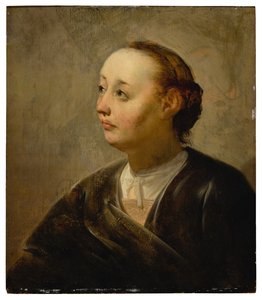
Питер Де Греббер
1600 - 1652 , Нидерланды
Основные сведения
- Artistic Movement Or Style: Барокко
- Artists Who Influenced This Artist:
- Караваджо
- Рубенс
- Маино
- Халс
- Лань Ин
- Хонторст
- Date Of Death: 1652
- Full Name: Джон Тестикл