 Предпросмотр
 Поделиться
 Поделиться
 Детали произведения

 Скачать
 Похожие работы
 Рентгенография
 Слайд-шоу
 Статистика
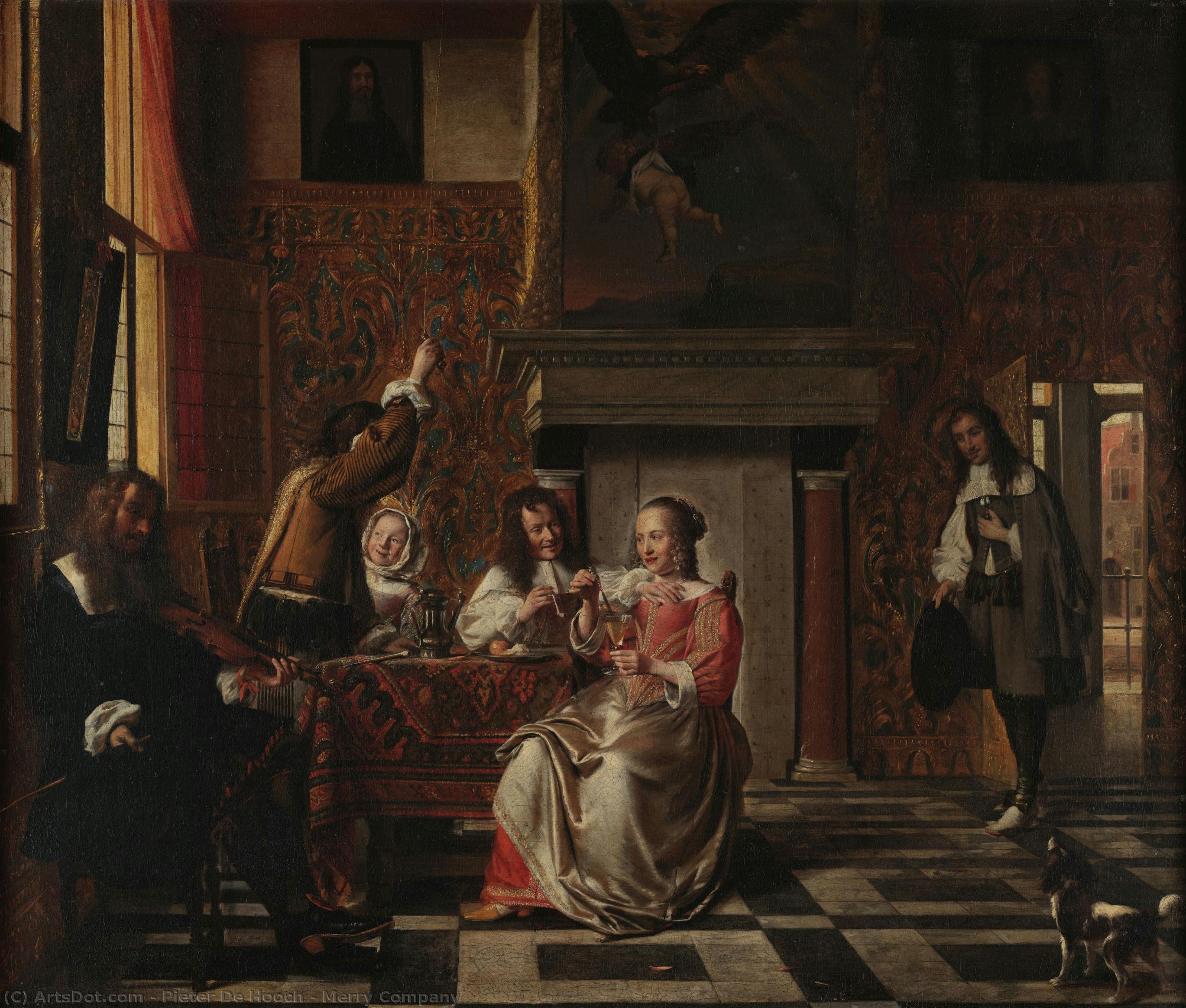
Merry Company


 Читать далее
Масляная репродукция ручной работы
Картина маслом на холсте в выбранном вами размере и раме, написанная на заказ нашими художниками. ( Перейти к печати Перейти к цифровым изображениям)




P118B $10

P118H $10

P118W $10

P438Z $10

P508JH $12

P508YH $12

P805H $10

P805Z $10

P919BZ $10

P919G $10

P919XJ $10

P959ZH $10

P968JZ $12

W106C $8

W218G $10

W218JH $8

W218Y $10

W307PJ $10

W316G $10

W316PJ $8

W316Y $10

W398PJ $8

W4111J $10

W500HY $15

W500JH $15

W692G $12

W849H $8

W940BG $15

W953PJ $8




Выберите один из наших стандартных размеров, соответствующих оригинальным пропорциям произведения искусства.

Вы можете указать собственные размеры, чтобы картина идеально вписалась в выбранную раму или пространство. Если выбранный вами размер не соответствует пропорциям оригинала, мы либо обрежем полотно, либо расширим его за счет дополнительных элементов, написанных вручную. Цифровой макет будет отправлен вам на утверждение перед началом производства.
Обратите внимание, что предварительный просмотр на экране не отражает фактическую обрезку или расширение. Только макет точно покажет окончательную композицию.
Хотя доступны индивидуальные размеры, мы рекомендуем выбирать вариант из предопределенного списка, чтобы сохранить исходные пропорции.
После оформления заказа команда ArtsDot.com свяжется с клиентом по электронной почте для уточнения деталей и предоставит предварительный макет
Доставка по всему миру () за 3–4 недели вместо стандартных 5 недель. (10 Сентябрь). Без компромиссов в качестве.

Бесплатная экспресс-доставка по всему миру

Высококачественный льняной холст

Полное страхование доставки

Гарантия возмещения таможенных пошлин

Гарантия точного соответствия цветов

100-дневная политика возврата (только при обнаружении дефектов)

Гарантия возврата 100% средств

Предложение оптовых скидок
 Вариант со стеклом доступен только для размеров менее 110 см

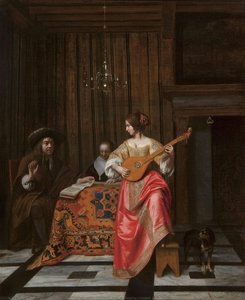
Merry Company
Техника репродукции
Размер репродукции
-


Итоговая стоимость
$ 263
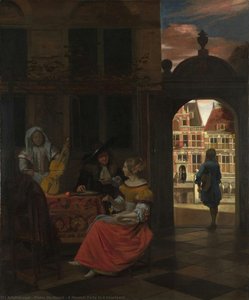
A Moment of Quiet Revelry: Pieter de Hooch’s “Merry Company”
Pieter de Hooch's "Merry Company," painted around 1600, isn’t merely a depiction of a gathering; it’s a carefully constructed tableau brimming with subtle symbolism and the quiet elegance characteristic of Dutch Golden Age art. This remarkable work, now housed within the Museum’s collection, offers a captivating glimpse into the social life of Amsterdam during its burgeoning prosperity – a world where commerce, artistry, and refined leisure intertwined. De Hooch, a master of capturing fleeting moments and intimate interiors, elevates an everyday scene to a level of profound observation, inviting us to contemplate the complexities of human interaction and the nuances of wealth and status. The painting’s enduring appeal lies not just in its technical brilliance but also in its ability to evoke a sense of understated charm and intellectual curiosity.The Composition: A Dance of Light and Gesture
At first glance, “Merry Company” presents a seemingly simple scene: a group of individuals assembled around a richly appointed table within a warmly lit room. However, closer inspection reveals a meticulously orchestrated composition. De Hooch’s masterful use of light is immediately striking – a soft, diffused illumination that washes over the figures and subtly defines their forms. The light source, cleverly positioned to suggest an unseen window, creates a sense of depth and atmosphere, drawing the viewer into the heart of the gathering. Notice how he employs chiaroscuro—the dramatic contrast between light and shadow—to emphasize key elements, such as the faces of those engaged in conversation and the details of the table setting. The figures themselves are rendered with remarkable sensitivity, each exhibiting a unique posture and expression that hints at their individual personalities and relationships. The arrangement isn’t haphazard; it's carefully balanced, creating a harmonious visual experience.Symbolism Within the Scene: Five Senses and Allegory
Beyond its surface beauty, “Merry Company” is rich in symbolic meaning. The painting has been interpreted as a meditation on the five senses – a concept central to Renaissance thought. The presence of food and drink clearly represents taste and touch, while music (implied by the instruments) speaks to hearing. However, the most intriguing element lies above the fireplace: a depiction of Ganymede, the mythological abduction of the beautiful youth by Zeus in the form of an eagle. This scene, often interpreted as a reference to the concept of the Five Senses, is not merely decorative; it adds a layer of complexity and perhaps even a touch of eroticism or theological allegory to the composition. Some critics suggest that Ganymede embodies the human soul, elevated by divine will, while others see a veiled commentary on earthly desires. The inclusion of this mythological episode elevates the scene beyond a simple depiction of social interaction, transforming it into a visual riddle inviting contemplation.Historical Context and Artistic Style
Pieter de Hooch’s work is firmly rooted in the Dutch Golden Age (1600-1700), a period of unprecedented economic prosperity and artistic innovation. His paintings reflect the values and aspirations of the emerging middle class – a society that valued both material wealth and intellectual pursuits. De Hooch was particularly renowned for his “room scenes,” capturing intimate moments within domestic interiors with remarkable realism and psychological insight. Unlike the grand, heroic narratives favored by some of his contemporaries, de Hooch focused on the everyday lives of ordinary people, offering a nuanced portrayal of their social interactions and emotional experiences. His style is characterized by its meticulous attention to detail, naturalism, and use of light – qualities that distinguish him from other artists of his time. The painting’s composition echoes works by earlier masters like Jacob van der Meer, but de Hooch imbues it with a distinctly personal touch, creating a unique and unforgettable image.A Timeless Appeal: Reproduction and Interior Design
“Merry Company” continues to resonate with audiences today, not only for its artistic merit but also for its evocative portrayal of human connection. Reproductions of this masterpiece offer a beautiful addition to any interior space, bringing a touch of Dutch Golden Age elegance and intellectual curiosity into the home. The painting’s subtle color palette, masterful composition, and rich symbolism create a visually stimulating experience that invites contemplation and conversation. Consider pairing a reproduction with warm, inviting furnishings – perhaps a richly upholstered armchair or a vintage wooden table – to further enhance its atmosphere. “Merry Company” is more than just a painting; it's an invitation to slow down, observe, and appreciate the beauty of everyday life.Похожие произведения

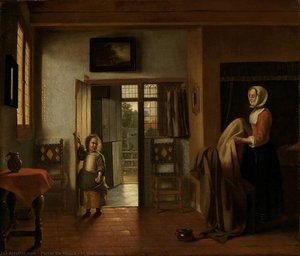
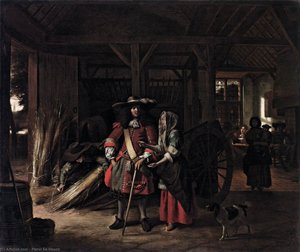
Биография художника
ранние годы и обучение
Питер де Хёх, выдающаяся фигура голландского Золотого века, родился 20 декабря 1629 года в Роттердаме, Нидерланды. Он был старшим из пяти детей в семье Хендрика Хендриксза де Хёха, каменщика, и Аннегке Питерс, повитухи. О его ранних годах известно немного, однако считается, что он работал в Роттердаме, Делфте и Амстердаме. Художественное становление де Хёха проходило в Харлеме под руководством мастера пейзажа Николаса Берхема вместе с Якобом Охтервельтом. Этот период заложил фундамент его будущего успеха как мастера безмолвных домашних сцен, наполненных светом, проникающим сквозь открытые дверные проемы.художественный стиль и темы
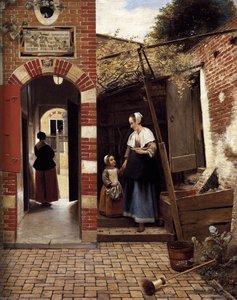
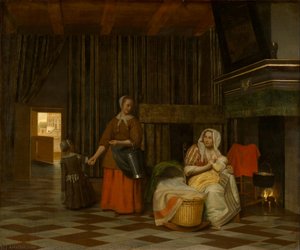
Творчество де Хёха отличается поразительным вниманием к деталям, натурализмом и виртуозным использованием света. Его полотна часто воспевают повседневную жизнь, отражая ценности и устремления зарождающегося среднего класса. Ярким примером этого стиля служит картина «Дворик дома в Делфте» (1658), демонстрирующая его способность уловить самые простые мгновения бытия. Хотя работы де Хёха перекликаются по темам и композиции с полотнами Эммануэля де Витте, именно его сосредоточенность на людях и их внутренних связях выделяет его среди современников. Это отчетливо проявляется в таких работах, как «Кормящая женщина» (1658) и «Женщина с младенцем на руках» (1658), которые раскрывают его глубокий интерес к интимным домашним сценам.значимые работы и наследие
К числу наиболее значимых шедевров де Хёха относятся:- «Веселый пьяница» (ок. 1650)
- «Картисты в залитой солнцем комнате» (1658)
- «Женщина, готовящая хлеб с маслом для мальчика» (1661)
музеи и коллекции
Произведения де Хёха можно встретить в различных музеях мира, включая Королевский музей изящных искусств в Антверпене (Бельгия), который обладает богатейшей коллекцией европейского искусства с XV по XX века. Узнайте больше о Питере де Хёхе и его работах на ArtsDot: [https://ArtsDot.com/@/pieter-de-hooch](https://ArtsDot.com/@/pieter-de-hooch) /ru/art/show/art-d3b4kt-ru/ (откройте для себя шедевры Королевского музея изящных искусств, Бельгия)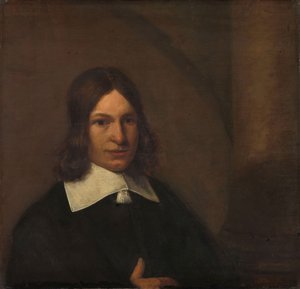
Питер де Хёх
1629 - 1694 , Нидерланды
Основные сведения
- Artistic Movement Or Style: Голландская золотая эра
- Artists Or Movements Influenced By This Artist:
- Геррит Доу
- Йоханнес Вермер
- Artists Who Influenced This Artist:
- Николаас Берхем
- Якоб Охтервельт
- Date Of Birth: 20 декабря 1629 г.
- Date Of Death: после 1683 г.
- Full Name: Pieter Hendricksz. de Hooch
- Nationality: Нидерландцы
- Notable Artworks:
- Тюрковая кладовая
- Служанка и молодой мальчик во внутреннем дворе
- Place Of Birth: Роттердам, Нидерланды
Похожие статьи
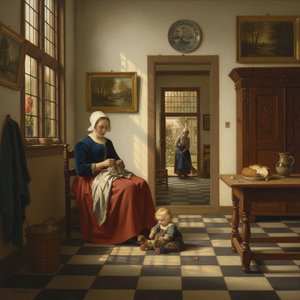
Pieter de Hooch: Illuminating Dutch Domestic Life & Golden Age Charm
Explore the captivating world of Pieter de Hooch, a master of Dutch Golden Age painting. Discover his innovative use of light, intimate domestic scenes, and lasting influence on art history. Learn more at ArtsDot.
Wilhelmus de Zwart: Capturing Dutch Life Through the Lens of Realism & Impressionism
Explore the captivating world of Wilhelmus de Zwart, a Dutch master bridging Realism & Impressionism. Discover his landscapes, cityscapes, and unique technique – a compelling study for art enthusiasts and collectors.
Willem van de Velde the Elder: Master of Maritime Painting & Chronicler of the Dutch Golden Age
Discover the captivating maritime paintings of Willem van de Velde the Elder, a master chronicler of the Dutch Golden Age. Explore his unparalleled realism and lasting influence on naval art history.

О нас
Откройте для себя нашу историю! Мы привносим искусство мирового класса в вашу жизнь благодаря экспертному отбору, индивидуальным заказам и бесплатным обзорам. Одобрено частными лицами и компаниями с 2000 года.

Топ-25 шедевров Гойи: от придворного портрета до мрачных пророчеств | ArtsDot
Погрузитесь в мир гения Франсиско Гойи! 🎨 От придворных портретов до мрачных "Капричос" – исследуйте топ-25 шедевров испанского романтизма. Купите репродукции картин Гойи музейного качества на ArtsDot.com и украсьте свой интерьер искусством.