 Предпросмотр
 Поделиться
 Поделиться
 Детали произведения

 Скачать
 Похожие работы
 Рентгенография
 Слайд-шоу
 Статистика
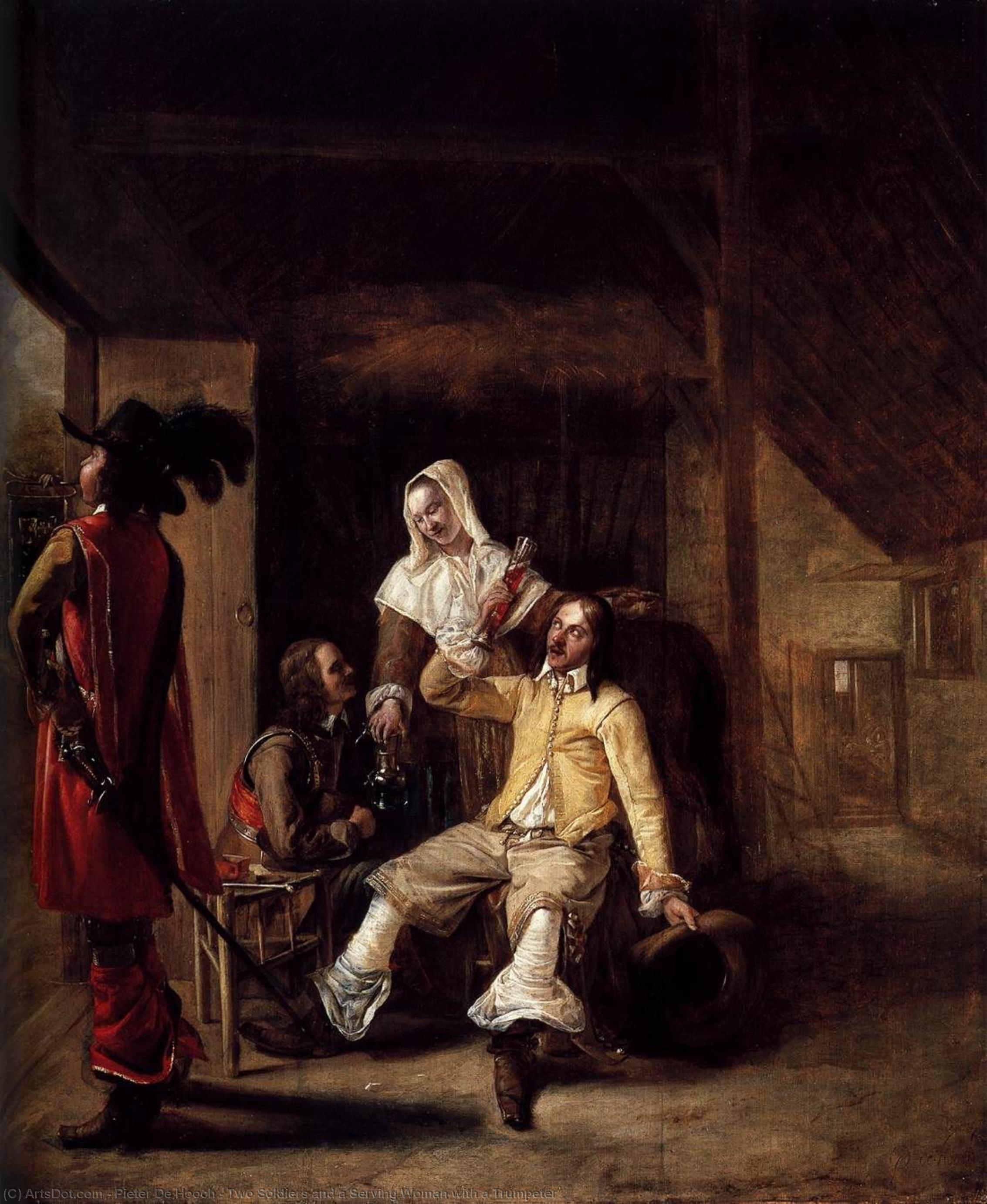
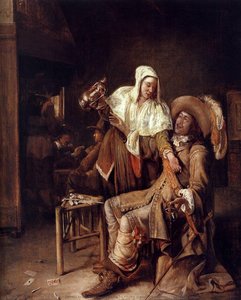
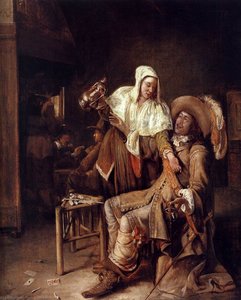
Two Soldiers and a Serving Woman with a Trumpeter
 Acrylic On Canvas
- WallArt
- Dutch Golden Age
 1654
1654 76.0 x 66.0 cm
 Кунстхаус Цюрих
 Читать далее
Масляная репродукция ручной работы
Картина маслом на холсте в выбранном вами размере и раме, написанная на заказ нашими художниками. ( Перейти к печати Перейти к цифровым изображениям)




P118B $10

P118H $10

P118W $10

P438Z $10

P508JH $12

P508YH $12

P805H $10

P805Z $10

P919BZ $10

P919G $10

P919XJ $10

P959ZH $10

P968JZ $12

W106C $8

W218G $10

W218JH $8

W218Y $10

W307PJ $10

W316G $10

W316PJ $8

W316Y $10

W398PJ $8

W4111J $10

W500HY $15

W500JH $15

W692G $12

W849H $8

W940BG $15

W953PJ $8




Выберите один из наших стандартных размеров, соответствующих оригинальным пропорциям произведения искусства.

Вы можете указать собственные размеры, чтобы картина идеально вписалась в выбранную раму или пространство. Если выбранный вами размер не соответствует пропорциям оригинала, мы либо обрежем полотно, либо расширим его за счет дополнительных элементов, написанных вручную. Цифровой макет будет отправлен вам на утверждение перед началом производства.
Обратите внимание, что предварительный просмотр на экране не отражает фактическую обрезку или расширение. Только макет точно покажет окончательную композицию.
Хотя доступны индивидуальные размеры, мы рекомендуем выбирать вариант из предопределенного списка, чтобы сохранить исходные пропорции.
После оформления заказа команда ArtsDot.com свяжется с клиентом по электронной почте для уточнения деталей и предоставит предварительный макет
Доставка по всему миру () за 3–4 недели вместо стандартных 5 недель. (13 Сентябрь). Без компромиссов в качестве.

Бесплатная экспресс-доставка по всему миру

Высококачественный льняной холст

Полное страхование доставки

Гарантия возмещения таможенных пошлин

Гарантия точного соответствия цветов

100-дневная политика возврата (только при обнаружении дефектов)

Гарантия возврата 100% средств

Предложение оптовых скидок
 Вариант со стеклом доступен только для размеров менее 110 см

Two Soldiers and a Serving Woman with a Trumpeter
Техника репродукции
Размер репродукции
-


Итоговая стоимость
$ 263
A Moment of Quiet Camaraderie: Pieter de Hooch’s “Two Soldiers and a Serving Woman with a Trumpeter”
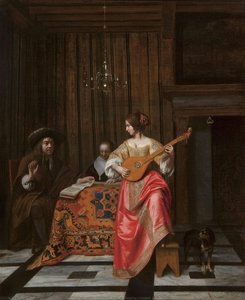
Pieter de Hooch's "Two Soldiers and a Serving Woman with a Trumpeter," painted circa 1650-1655, isn’t a grand historical tableau or a dramatic narrative. Instead, it offers a remarkably intimate glimpse into the burgeoning middle class of 17th-century Amsterdam – a world of subtle social interactions, quiet pleasures, and the delicate balance between formality and informality. This oil-on-panel painting, now residing in the Kunsthaus Zürich, is a masterclass in capturing fleeting moments of everyday life, rendered with an almost photographic realism that belies its emotional depth. De Hooch’s genius lies not in depicting action or spectacle, but in revealing the quiet poetry of ordinary scenes.The Scene Unfolds: Domesticity and Social Dynamics
The composition is deceptively simple yet profoundly effective. Two uniformed soldiers, their postures suggesting a relaxed camaraderie, occupy the foreground. Their hands rest casually on their hips, conveying a sense of ease and shared experience. Between them sits a woman, her identity deliberately ambiguous – often interpreted as a serving girl or perhaps even a courtesan. Her posture is graceful, her gaze averted, hinting at a certain reserve while simultaneously inviting observation. A small table and chair suggest a brief respite from duty, a moment for conversation and refreshment. The inclusion of two trumpeters adds to the atmosphere, their instruments subtly suggesting celebration or perhaps simply the backdrop to this private encounter. De Hooch expertly uses light – diffused and natural – to illuminate the scene, creating an inviting warmth that draws the viewer into the intimate space.Technique and Style: The Art of Subtle Detail
De Hooch’s style is characterized by a remarkable attention to detail and a masterful use of light and shadow. He eschewed the dramatic chiaroscuro favored by some contemporaries, opting instead for a softer, more nuanced approach. His brushstrokes are delicate and precise, meticulously rendering the textures of fabric, the sheen of metal, and the subtle expressions on the figures’ faces. The artist's skill is particularly evident in his depiction of the interior – the worn wooden table, the simple chair, the muted colors of the room all contribute to a sense of realism that feels both immediate and timeless. Notably, De Hooch frequently employed a technique known as "open doorway," placing figures partially obscured by doorways or windows, creating a sense of depth and inviting the viewer's imagination to fill in the gaps. This technique is prominently featured here, subtly suggesting a larger space beyond the frame and contributing to the painting’s overall feeling of intimacy.Symbolism and Context: A Window into 17th-Century Amsterdam
“Two Soldiers and a Serving Woman with a Trumpeter” offers a valuable window into the social and cultural landscape of 17th-century Amsterdam, a period marked by unprecedented economic prosperity and burgeoning civic life. The presence of the soldiers reflects the city’s role as a major center for trade and military activity. Their relaxed demeanor suggests a degree of stability and security – a welcome contrast to the turbulent political climate of the time. The inclusion of the serving woman speaks to the evolving social dynamics of the era, where women were increasingly entering the workforce and challenging traditional gender roles. The trumpet, often associated with celebration and heraldry, hints at a sense of occasion or perhaps simply the convivial atmosphere of a tavern or public gathering.Emotional Resonance: A Quiet Moment of Connection
Despite its seemingly mundane subject matter, “Two Soldiers and a Serving Woman with a Trumpeter” possesses a remarkable emotional resonance. It’s not a painting that shouts for attention; rather, it invites quiet contemplation. The subtle interactions between the figures – their averted gazes, their relaxed postures – suggest a shared understanding and a moment of connection amidst the bustle of daily life. De Hooch masterfully captures the essence of human interaction—the unspoken language of gestures, expressions, and shared experiences—creating an image that is both deeply personal and universally relatable. It’s a painting that reminds us to appreciate the beauty in the ordinary moments of our lives, and the quiet connections we forge with others.Похожие произведения
Биография художника
ранние годы и обучение
Питер де Хёх, выдающаяся фигура голландского Золотого века, родился 20 декабря 1629 года в Роттердаме, Нидерланды. Он был старшим из пяти детей в семье Хендрика Хендриксза де Хёха, каменщика, и Аннегке Питерс, повитухи. О его ранних годах известно немного, однако считается, что он работал в Роттердаме, Делфте и Амстердаме. Художественное становление де Хёха проходило в Харлеме под руководством мастера пейзажа Николаса Берхема вместе с Якобом Охтервельтом. Этот период заложил фундамент его будущего успеха как мастера безмолвных домашних сцен, наполненных светом, проникающим сквозь открытые дверные проемы.художественный стиль и темы
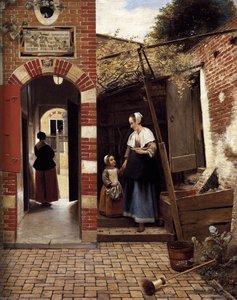
Творчество де Хёха отличается поразительным вниманием к деталям, натурализмом и виртуозным использованием света. Его полотна часто воспевают повседневную жизнь, отражая ценности и устремления зарождающегося среднего класса. Ярким примером этого стиля служит картина «Дворик дома в Делфте» (1658), демонстрирующая его способность уловить самые простые мгновения бытия. Хотя работы де Хёха перекликаются по темам и композиции с полотнами Эммануэля де Витте, именно его сосредоточенность на людях и их внутренних связях выделяет его среди современников. Это отчетливо проявляется в таких работах, как «Кормящая женщина» (1658) и «Женщина с младенцем на руках» (1658), которые раскрывают его глубокий интерес к интимным домашним сценам.значимые работы и наследие
К числу наиболее значимых шедевров де Хёха относятся:- «Веселый пьяница» (ок. 1650)
- «Картисты в залитой солнцем комнате» (1658)
- «Женщина, готовящая хлеб с маслом для мальчика» (1661)
музеи и коллекции
Произведения де Хёха можно встретить в различных музеях мира, включая Королевский музей изящных искусств в Антверпене (Бельгия), который обладает богатейшей коллекцией европейского искусства с XV по XX века. Узнайте больше о Питере де Хёхе и его работах на ArtsDot: [https://ArtsDot.com/@/pieter-de-hooch](https://ArtsDot.com/@/pieter-de-hooch) /ru/art/show/art-d3b4kt-ru/ (откройте для себя шедевры Королевского музея изящных искусств, Бельгия)
Питер де Хёх
1629 - 1694 , Нидерланды
Основные сведения
- Artistic Movement Or Style: Голландская золотая эра
- Artists Or Movements Influenced By This Artist:
- Геррит Доу
- Йоханнес Вермер
- Artists Who Influenced This Artist:
- Николаас Берхем
- Якоб Охтервельт
- Date Of Birth: 20 декабря 1629 г.
- Date Of Death: после 1683 г.
- Full Name: Pieter Hendricksz. de Hooch
- Nationality: Нидерландцы
- Notable Artworks:
- Тюрковая кладовая
- Служанка и молодой мальчик во внутреннем дворе
- Place Of Birth: Роттердам, Нидерланды
Похожие статьи

Золотой век Голландии: 10 шедевров, изменивших искусство | ArtsDot.com
Погрузитесь в эпоху Золотого века Нидерландов! 10 шедевров Рембрандта, Вермеера и других мастеров. Узнайте истории создания культовых картин и вдохновитесь для интерьера. Репродукции музейного качества на ArtsDot.com.

Willem van de Velde the Elder: Master of Maritime Painting & Chronicler of the Dutch Golden Age
Discover the captivating maritime paintings of Willem van de Velde the Elder, a master chronicler of the Dutch Golden Age. Explore his unparalleled realism and lasting influence on naval art history.

Golden Age Reflections: Dutch Baroque Painting & Cultural Innovation
Explore the Dutch Golden Age of painting! Discover key artists like Vermeer & ter Borch, their innovative techniques, and the rich cultural context behind these Baroque masterpieces. Learn about collecting & appreciating this iconic art period.
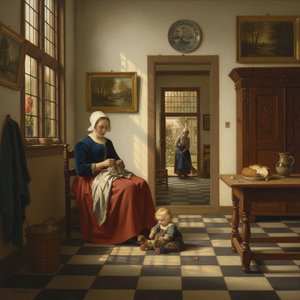
Pieter de Hooch: Illuminating Dutch Domestic Life & Golden Age Charm
Explore the captivating world of Pieter de Hooch, a master of Dutch Golden Age painting. Discover his innovative use of light, intimate domestic scenes, and lasting influence on art history. Learn more at ArtsDot.

Illuminating Innovation: Exploring the Dutch Golden Age of Painting
Explore the Dutch Golden Age of painting with ArtsDot. Discover Rembrandt, Vermeer & other Masters. Learn about key characteristics, iconic artworks, and lasting influence. Expert insights for collectors & enthusiasts.