

 Предпросмотр
 Поделиться
 Поделиться
 Детали произведения

 Скачать
 Похожие работы
 Рентгенография
 Слайд-шоу
 Статистика
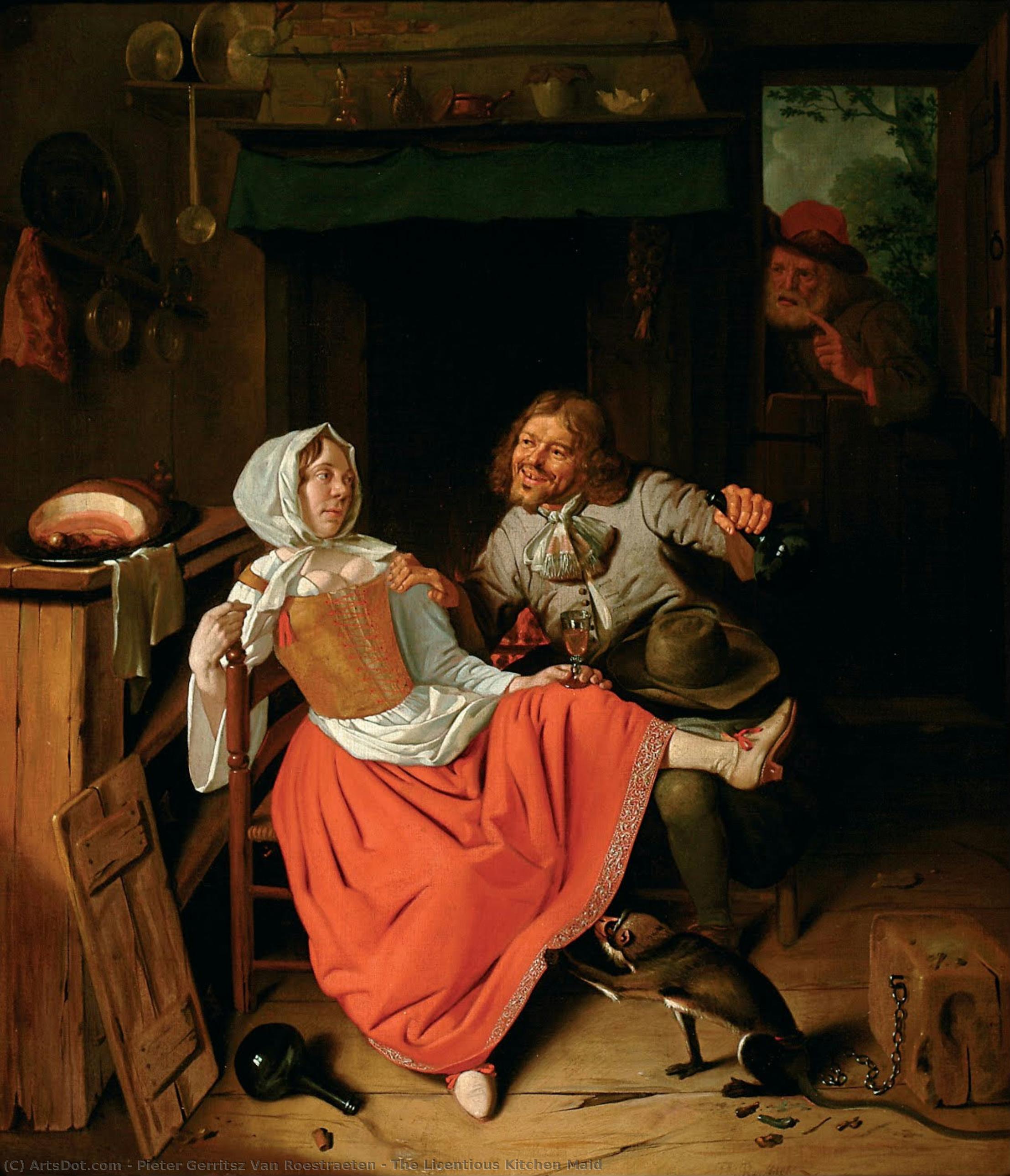
The Licentious Kitchen Maid
 Oil On Canvas
- WallArt
- Dutch Golden Age
 1670
1670- Early Modern
 5.0 x 63.0 cm
 Фрэнс Гальс Музей
 Читать далее
Приобретите цифровое изображение высокого разрешения в улучшенном качестве, которое значительно превосходит онлайн-превью.
Каждый файл тщательно подготавливается нашими специалистами с использованием передовых инструментов и экспертной ручной ретуши. Мы гарантируем исключительную четкость, точную цветопередачу и детальную проработку каждого изображения.
Финальный файл доставляется по электронной почте в течение 72 часов и оптимизирован для немедленного использования в профессиональной среде, при верстке и печати. Это тот же уровень качества, которому доверяют ведущие дизайнерские студии, издательства и галереи.
Цифровое изображение
Скачайте файл высокого разрешения для личного использования, печати и творческих проектов. ( Перейти к печати Купить картину ручной работы)
Включено в каждый заказ цифровых изображений
Гарантия экспертной цифровой доставки
Выбирая ArtsDot.com, вы получаете не просто изображение — вы приобретаете профессионально обработанное цифровое произведение искусства, созданное с безупречной точностью и под защитой гарантии качества. Вот всё, что автоматически входит в ваш заказ:

Мгновенная доставка по e-mail
Ваш цифровой файл в высоком разрешении будет отправлен вам по электронной почте в течение 72 часов после оформления заказа — и сразу станет доступен для использования.

Цифровой файл с ИИ-улучшением
Ваше произведение искусства проходит профессиональную оптимизацию с использованием передовых инструментов ИИ и ручной обработки, что гарантирует максимальную детализацию, четкость и точность цветопередачи.

Бессрочная бесплатная повторная доставка
Случайно удалили или потеряли файл? Не беспокойтесь — мы отправим его вам повторно в любое время и совершенно бесплатно.

Без импортных пошлин — навсегда
Наслаждайтесь вашим произведением искусства мгновенно без таможенных пошлин, сборов или затрат на доставку — цифровые загрузки всегда не облагаются налогом.

Гарантия точности цветопередачи
Мы гарантируем, что ваше цифровое изображение максимально точно передает оригинальные цвета благодаря использованию профессиональных инструментов и систем управления цветом.

Гарантия удовлетворенности 100 дней
Если вы не будете удовлетворены своим цифровым изображением, мы внесем правки или вернем 100% стоимости в течение 100 дней — без лишних вопросов.

100% Гарантия возврата средств
Не удовлетворены покупкой? Получите полный возврат средств в течение 100 дней после получения цифрового файла — без лишних вопросов.

Скидки на оптовые заказы
Купите 3 изображения, сэкономьте 10% — Купите 5, сэкономьте 15% — Купите 10+, сэкономьте 20%. Отличное решение для творческих проектов, галерей и агентств.
A Dance of Desire and Decadence in the Dutch Golden Age
In the heart of a seventeenth-century kitchen, where the air is thick with the scent of domesticity and unspoken temptation, Pieter Gerritsz van Roestraten captures a moment of profound transgression. The Licentious Kitchen Maid is not merely a genre painting; it is a theatrical stage set for a drama of human impulse. The scene unfolds with a palpable tension as a grinning man leans in to refill the maid’s glass, his intentions far more predatory than hospitable. The composition vibrates with a sense of immediate, fleeting movement—a hallmark of the Dutch Golden Age—drawing the viewer into a private, almost voyeuristic encounter. As the light spills across the scene, it illuminates a world where social boundaries are being blurred by the heat of sudden passion.
The artistry of Van Roestraten shines through his masterful command of chiaroscuro, using dramatic contrasts between deep, velvety shadows and sharp, focused highlights to sculpt the figures within their confined space. This technique does more than provide depth; it heightens the psychological intimacy of the encounter. One can almost feel the weight of the atmosphere in the kitchen, where the scattered bowls, knives, and fruit serve as silent witnesses to the unfolding seduction. The brushwork, heavily influenced by his mentor Frans Hals, possesses a loose, energetic quality that breathes life into the textures of fabric, skin, and metal, making the scene feel less like a static image and more like a captured heartbeat.
Symbolic Layers and the Vanitas Tradition
Beyond the surface-level flirtation lies a complex web of Vanitas symbolism, a profound philosophical layer intended to provoke reflection on morality and the fleeting nature of earthly pleasures. Every element in this kitchen is laden with meaning. The monkey, chained to a block and peering unashamedly upward, serves as a biting metaphor for man enslaved by his own base instincts and sins. Even the seemingly mundane objects—the apple, the knife, the vessels—contribute to a narrative of temptation and the inevitable consequences of indulgence. This interplay between the sensual and the didactic creates a tension that has fascinated scholars for centuries, offering a window into the moral anxieties of the Dutch era.
For the discerning collector or interior designer, this masterpiece offers much more than mere decoration. It provides a sophisticated focal point that invites conversation and deep contemplation. A high-quality reproduction of this work brings with it an aura of historical gravity and intellectual depth, making it an ideal centerpiece for a library, a study, or a grand dining room. The painting’s ability to balance raw emotion with structured symbolism ensures that it remains a timeless addition to any curated space, evoking the rich, complex spirit of Haarlem's artistic zenith.
Похожие произведения
Биография художника
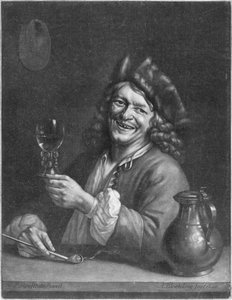
Pieter Gerritsz van Roestraten: Life and Legacy
Early Life and Training
Born on April 21, 1630, in Haarlem, Netherlands, Pieter Gerritsz van Roestraten emerged as a prominent figure during the Dutch Golden Age. His father, Gerrit Maertenszoon, may have originated from Leiden. Van Roestraten began his artistic journey by studying under the renowned painter Frans Hals in Haarlem for at least five years starting from 1649. This foundational training significantly shaped his early style and technique.
Career Development and Move to London
Following his apprenticeship, Van Roestraten moved to Amsterdam around 1651, residing in the Anthonie Breestraat. He married Adriaentje Hals, a daughter of Frans Hals, six years his senior, in 1654. Around this time, he developed a close working relationship with Flemish genre painter Daniël Boone. Subsequently, Van Roestraten relocated to London, where he would spend the remainder of his career. This move proved pivotal, allowing him access to a wealthy and influential clientele.
Life in London and Patronage
Van Roestraten’s time in London was marked by success and patronage from high society. He skillfully navigated the artistic landscape, reportedly introduced to King Charles II by Sir Peter Lely with a stipulation that he refrain from portraiture. This allowed him to focus on his preferred subjects: still lifes and genre scenes. He earned substantial income – forty to fifty pounds sterling per still life – reflecting the demand for his work.
Artistic Style and Major Themes
Van Roestraten’s artistic output encompassed several genres, but he is most celebrated for his masterful still lifes. His works are characterized by:
- Pronkstillevens: Ostentatious displays of luxurious objects, particularly silver, showcasing his exceptional ability to depict reflective surfaces.
- Vanitas Paintings: Symbolic compositions that explore themes of mortality, the transience of life, and the emptiness of worldly possessions. These often included skulls, decaying fruit, and extinguished candles.
- Genre Scenes: Glimpses into everyday life, offering insights into 17th-century society.
Influences and Artistic Development
Frans Hals’s influence is evident in Van Roestraten's loose brushwork and realistic portrayal of figures. However, he developed a unique style characterized by meticulous detail, particularly in rendering textures and light effects. His time in London exposed him to different artistic trends, further refining his technique.
Major Achievements and Historical Significance
Van Roestraten’s legacy lies in his ability to capture the opulence and philosophical undercurrents of the Dutch Golden Age. His still lifes are not merely decorative; they serve as meditations on life, death, and the fleeting nature of material wealth. Surviving the Great Fire of London in 1666 added a layer of resilience to his story. He died on July 10, 1700, and was buried in St. Paul's Cathedral.
Legacy and Modern Appreciation
Today, Pieter Gerritsz van Roestraten’s works are held in various collections worldwide, offering a valuable window into the artistic and cultural landscape of the 17th century. His paintings continue to be admired for their technical skill, symbolic depth, and historical significance.
pieter gerritsz van roestraten
1630 - 1700 , Netherlands
Основные сведения
- Birth Date: April 21, 1630
- Birth Place: Haarlem, Netherlands
- Death Date: July 10, 1700
- Influenced By: Frans Hals
- Movement: Dutch Golden Age painting
- Name: Pieter Gerritsz van Roestraten
- Nationality: Dutch
- Notable Works: Vanitas (1678)