

 Предпросмотр
 Поделиться
 Поделиться
 Детали произведения

 Скачать
 Похожие работы
 Рентгенография
 Слайд-шоу
 Статистика
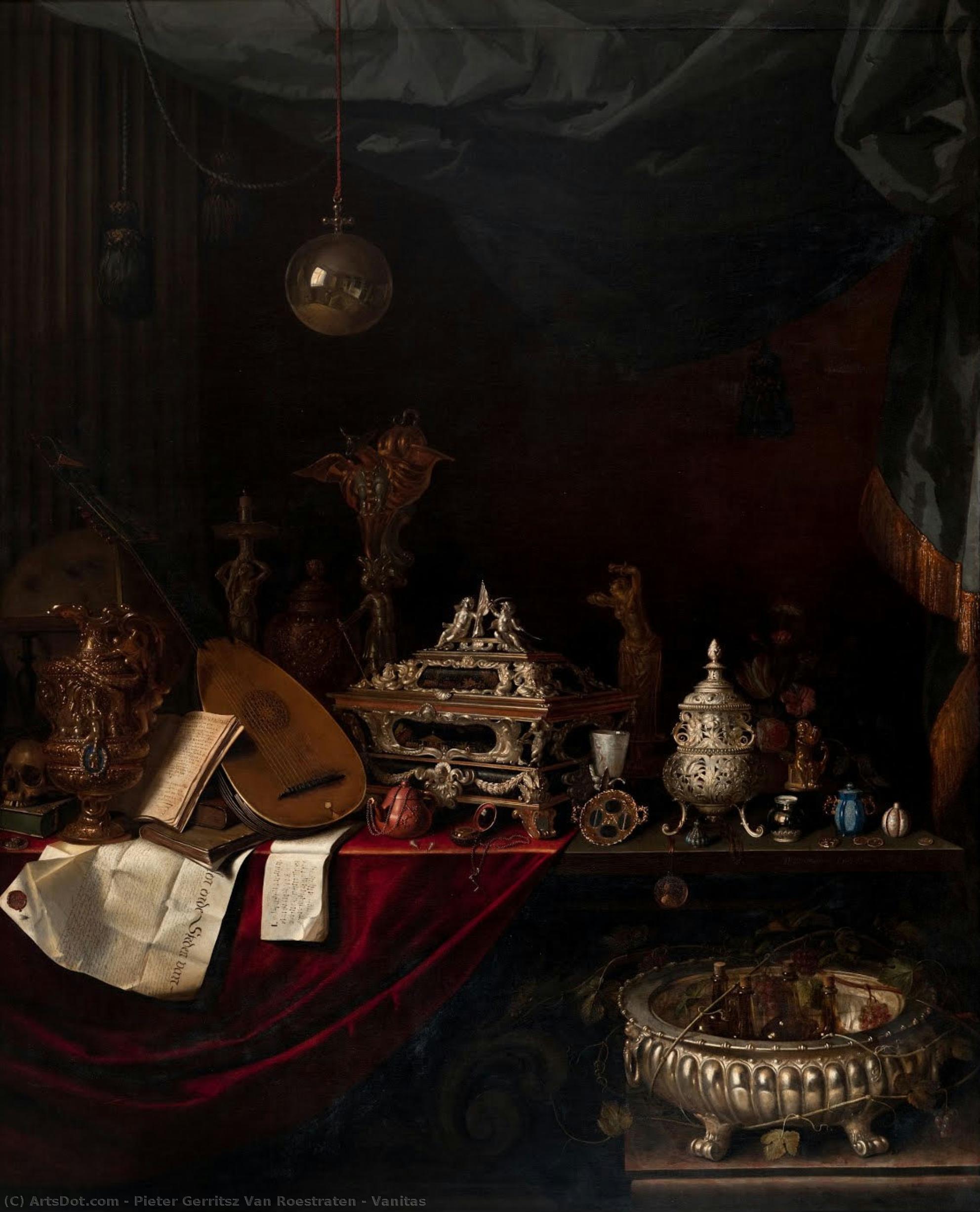
Vanitas
 Baroque
 1678
1678 268.0 x 213.0 cm
 Museo de Arte de Ponce
 Читать далее
Жикле / Арт-принт
Печать (жикле) или холст музейного качества с быстрыми сроками изготовления и широким выбором вариантов отделки. ( Купить картину ручной работы Перейти к цифровым изображениям)




































Выберите один из наших стандартных размеров, соответствующих оригинальным пропорциям произведения искусства.

Вы можете указать свои собственные размеры, чтобы репродукция идеально подошла под конкретную раму или пространство. Если выбранный вами размер не будет соответствовать пропорциям оригинала, мы либо обрежем произведение, либо дополним изображение зеркальным отражением краев или однотонной заливкой. Перед началом производства вам будет отправлен цифровой макет для утверждения.
Пожалуйста, обратите внимание, что предварительный просмотр на экране не отображает фактическую обрезку или расширение изображения. Только макет точно покажет финальную композицию.
Несмотря на возможность заказа индивидуальных размеров, мы рекомендуем выбирать размер из предопределенного списка, чтобы сохранить оригинальные пропорции.
Доставка по всему миру () за 2 недели вместо стандартных 4/5 недель. (11 Сентябрь)

Бесплатная экспресс-доставка по всему миру

Высококачественный льняной холст

Полное страхование доставки

Гарантия возмещения таможенных пошлин

Гарантия точного соответствия цветов

100-дневная политика возврата (только при обнаружении дефектов)

Гарантия возврата 100% средств

Предложение оптовых скидок
 Вариант со стеклом доступен только для размеров менее 110 см

Vanitas
Жикле / Арт-принт
Размер репродукции
-


Итоговая стоимость
$ 62
Похожие произведения



Биография художника
Pieter Gerritsz van Roestraten: Life and Legacy
Early Life and Training
Born on April 21, 1630, in Haarlem, Netherlands, Pieter Gerritsz van Roestraten emerged as a prominent figure during the Dutch Golden Age. His father, Gerrit Maertenszoon, may have originated from Leiden. Van Roestraten began his artistic journey by studying under the renowned painter Frans Hals in Haarlem for at least five years starting from 1649. This foundational training significantly shaped his early style and technique.
Career Development and Move to London
Following his apprenticeship, Van Roestraten moved to Amsterdam around 1651, residing in the Anthonie Breestraat. He married Adriaentje Hals, a daughter of Frans Hals, six years his senior, in 1654. Around this time, he developed a close working relationship with Flemish genre painter Daniël Boone. Subsequently, Van Roestraten relocated to London, where he would spend the remainder of his career. This move proved pivotal, allowing him access to a wealthy and influential clientele.
Life in London and Patronage
Van Roestraten’s time in London was marked by success and patronage from high society. He skillfully navigated the artistic landscape, reportedly introduced to King Charles II by Sir Peter Lely with a stipulation that he refrain from portraiture. This allowed him to focus on his preferred subjects: still lifes and genre scenes. He earned substantial income – forty to fifty pounds sterling per still life – reflecting the demand for his work.
Artistic Style and Major Themes
Van Roestraten’s artistic output encompassed several genres, but he is most celebrated for his masterful still lifes. His works are characterized by:
- Pronkstillevens: Ostentatious displays of luxurious objects, particularly silver, showcasing his exceptional ability to depict reflective surfaces.
- Vanitas Paintings: Symbolic compositions that explore themes of mortality, the transience of life, and the emptiness of worldly possessions. These often included skulls, decaying fruit, and extinguished candles.
- Genre Scenes: Glimpses into everyday life, offering insights into 17th-century society.
Influences and Artistic Development
Frans Hals’s influence is evident in Van Roestraten's loose brushwork and realistic portrayal of figures. However, he developed a unique style characterized by meticulous detail, particularly in rendering textures and light effects. His time in London exposed him to different artistic trends, further refining his technique.
Major Achievements and Historical Significance
Van Roestraten’s legacy lies in his ability to capture the opulence and philosophical undercurrents of the Dutch Golden Age. His still lifes are not merely decorative; they serve as meditations on life, death, and the fleeting nature of material wealth. Surviving the Great Fire of London in 1666 added a layer of resilience to his story. He died on July 10, 1700, and was buried in St. Paul's Cathedral.
Legacy and Modern Appreciation
Today, Pieter Gerritsz van Roestraten’s works are held in various collections worldwide, offering a valuable window into the artistic and cultural landscape of the 17th century. His paintings continue to be admired for their technical skill, symbolic depth, and historical significance.
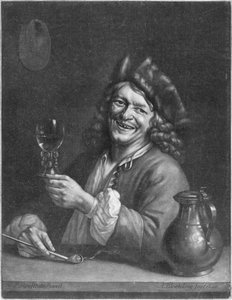
pieter gerritsz van roestraten
1630 - 1700 , Netherlands
Основные сведения
- Birth Date: April 21, 1630
- Birth Place: Haarlem, Netherlands
- Death Date: July 10, 1700
- Influenced By: Frans Hals
- Movement: Dutch Golden Age painting
- Name: Pieter Gerritsz van Roestraten
- Nationality: Dutch
- Notable Works: Vanitas (1678)
Похожие статьи
Abraham Hendricksz van Beyeren: Pioneering Dutch Still Life & the Banquet Tradition
Explore the captivating world of Dutch Golden Age still life with Abraham van Beyeren. Discover his innovative techniques, symbolic banquet scenes & lasting influence on art history. Learn about collecting these masterpieces.
Willem van de Velde the Elder: Master of Maritime Painting & Chronicler of the Dutch Golden Age
Discover the captivating maritime paintings of Willem van de Velde the Elder, a master chronicler of the Dutch Golden Age. Explore his unparalleled realism and lasting influence on naval art history.

Золотой век Голландии: 10 шедевров, изменивших искусство | ArtsDot.com
Погрузитесь в эпоху Золотого века Нидерландов! 10 шедевров Рембрандта, Вермеера и других мастеров. Узнайте истории создания культовых картин и вдохновитесь для интерьера. Репродукции музейного качества на ArtsDot.com.

Рембрандт ван Рейн: Топ-25 шедевров великого голландского мастера | ArtsDot
Погрузитесь в мир великого Рембрандта! 25 шедевров голландского барокко, истории создания картин и уникальные техники художника. Купите репродукции картин Рембрандта высочайшего качества для вашего интерьера на ArtsDot.com

Golden Age Reflections: Dutch Baroque Painting & Cultural Innovation
Explore the Dutch Golden Age of painting! Discover key artists like Vermeer & ter Borch, their innovative techniques, and the rich cultural context behind these Baroque masterpieces. Learn about collecting & appreciating this iconic art period.