

 Предпросмотр
 Поделиться
 Поделиться
 Детали произведения

 Скачать
 Похожие работы
 Рентгенография
 Слайд-шоу
 Статистика
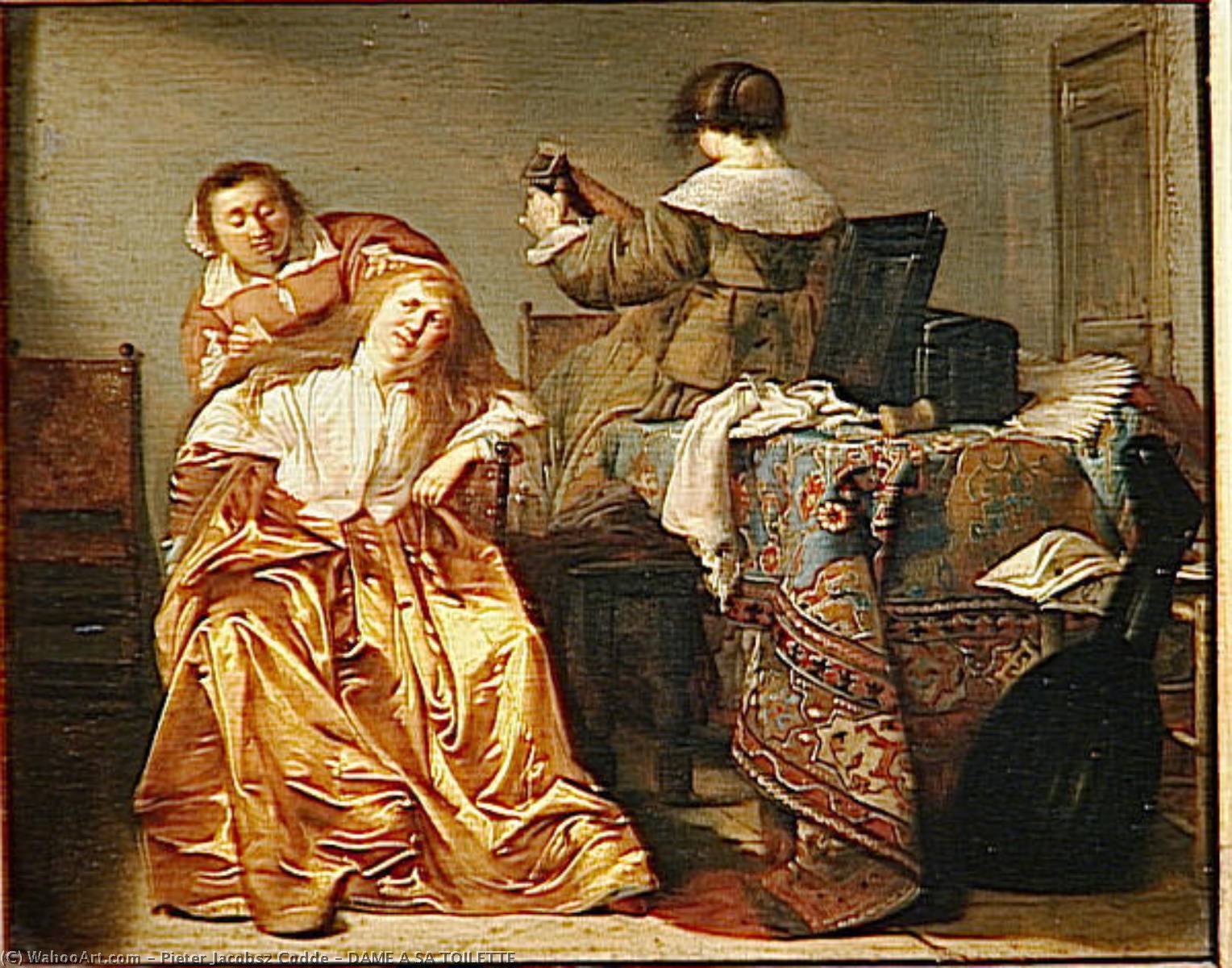
DAME A SA TOILETTE


 Читать далее
Масляная репродукция ручной работы
Картина маслом на холсте в выбранном вами размере и раме, написанная на заказ нашими художниками. ( Перейти к печати Перейти к цифровым изображениям)




P118B $10

P118H $10

P118W $10

P438Z $10

P508JH $12

P508YH $12

P805H $10

P805Z $10

P919BZ $10

P919G $10

P919XJ $10

P959ZH $10

P968JZ $12

W106C $8

W218G $10

W218JH $8

W218Y $10

W307PJ $10

W316G $10

W316PJ $8

W316Y $10

W398PJ $8

W4111J $10

W500HY $15

W500JH $15

W692G $12

W849H $8

W940BG $15

W953PJ $8




Выберите один из наших стандартных размеров, соответствующих оригинальным пропорциям произведения искусства.

Вы можете указать собственные размеры, чтобы картина идеально вписалась в выбранную раму или пространство. Если выбранный вами размер не соответствует пропорциям оригинала, мы либо обрежем полотно, либо расширим его за счет дополнительных элементов, написанных вручную. Цифровой макет будет отправлен вам на утверждение перед началом производства.
Обратите внимание, что предварительный просмотр на экране не отражает фактическую обрезку или расширение. Только макет точно покажет окончательную композицию.
Хотя доступны индивидуальные размеры, мы рекомендуем выбирать вариант из предопределенного списка, чтобы сохранить исходные пропорции.
После оформления заказа команда ArtsDot.com свяжется с клиентом по электронной почте для уточнения деталей и предоставит предварительный макет
Доставка по всему миру () за 3–4 недели вместо стандартных 5 недель. (11 Сентябрь). Без компромиссов в качестве.

Бесплатная экспресс-доставка по всему миру

Высококачественный льняной холст

Полное страхование доставки

Гарантия возмещения таможенных пошлин

Гарантия точного соответствия цветов

100-дневная политика возврата (только при обнаружении дефектов)

Гарантия возврата 100% средств

Предложение оптовых скидок
 Вариант со стеклом доступен только для размеров менее 110 см

DAME A SA TOILETTE
Техника репродукции
Размер репродукции
-


Итоговая стоимость
$ 313
A Glimpse Into Golden Age Intimacy
In the quiet, sun-drenched corners of seventeenth-century Dutch life, Pieter Jacobsz Codde captured moments that transcend time. His masterpiece, “Dame à sa toilette,” is far more than a mere depiction of morning rituals; it is a profound window into the social fabric and domestic elegance of the Dutch Golden Age. Painted between 1630 and 1640, this genre painting invites the viewer to step into a private sanctuary, where the air feels heavy with the scent of fine linens and the hushed whispers of attendants. The scene centers on a woman engaged in her grooming, flanked by two companions who create a graceful, triangular composition that draws the eye toward the luminous central figure. This arrangement does not just organize the space; it establishes a hierarchy of importance, suggesting a life of privilege, refinement, and quiet dignity.
The emotional resonance of the work lies in its ability to balance tranquility with grandeur. There is an undeniable sense of intimacy, as if we are unobserved witnesses to a sacred daily ceremony. For the collector or interior designer, this piece offers a sophisticated focal point that brings a sense of historical weight and warmth to any room. The painting evokes a period when domesticity was celebrated through art, turning the mundane act of dressing into a theatrical display of status and grace.
Mastery of Light and Texture
Codde’s technical prowess is nothing short of extraordinary, particularly in his ability to manipulate chiaroscuro to sculpt form from shadow. Through a meticulous layering of oil glazes, he achieves a luminous quality that seems to radiate from within the canvas itself. The artist’s use of light is naturalistic yet dramatic, illuminating the scene from an unseen source to highlight the delicate folds of drapery and the soft contours of the subjects' skin. This interplay of light and dark creates a palpable sense of atmosphere, imbuing the bedroom setting with depth and a three-dimensional presence.
Beyond the play of light, the tactile experience of the painting is what truly captivates the senses. Codde was a master of simulation; one can almost feel the cool sheen of silk and the heavy weight of satin in the woman’s golden dress. His brushwork, though precise, possesses a fluid elegance that defines the organic curves of the human form against the more rigid, geometric lines of the furniture. The color palette—a rich tapestry of golds, deep reds, and earthy browns—complements this textural richness, offering a warm, luxurious aesthetic that remains timelessly elegant.
A Legacy of Refinement
To possess a reproduction of “Dame à sa toilette” is to bring a piece of the Dutch Golden Age into the modern home. The painting serves as a testament to an era defined by maritime prosperity and artistic innovation. While Codde’s life was rooted in the bustling commerce of Amsterdam, his art sought the quietude of the domestic sphere, finding beauty in the subtle transitions of light across a room. For those looking to inspire a space with themes of luxury, history, and classical beauty, this artwork provides an unparalleled sense of sophistication.
Every element, from the strategic placement of the chair to the soft, receding background, contributes to a larger narrative of stability and grace. It is a work that rewards prolonged study, revealing new details in its shadows and new depths in its colors with every glance. Whether placed in a curated gallery or as a centerpiece in a grand living space, Codde’s vision continues to enchant, offering a timeless connection to the artistry of the past.
Похожие произведения



Биография художника
The Silvery Light of the Dutch Golden Age
Pieter Jacobsz Codde, a name synonymous with the refined elegance of the seventeenth-century Dutch Golden Age, lived a life as textured and layered as the canvases he produced. Born in Amsterdam in 1599 to a family of modest means—his father serving as a city official responsible for port fees—Codde emerged from an environment steeped in the maritime commerce and burgeoning prosperity of the Netherlands. While historical records regarding his early training remain somewhat enigmatic, whispers of an apprenticeship under the legendary Frans Hals have long circulated among art historians. However, more recent scholarship suggests he may have refined his technical prowess under Barent van Someren or Cornelis van der Voort. Regardless of his specific master, Codde’s development was marked by a profound ability to capture the quiet, often silvery-gray tonalities that would become his aesthetic signature.
His early years were not merely defined by the brush, but also by a literary sensibility that added depth to his visual narratives. In the early decades of the 1600s, Codde was known to engage with the poetic and dramatic arts, appearing in publications such as Hollande Nachtegaelken. This intersection of word and image allowed him to approach genre painting not just as a recorder of reality, but as a storyteller capable of weaving classical and amorous themes into the fabric of everyday life. His move to the fashionable Sint Antoniesbreestraat in Amsterdam placed him at the very heart of the artistic community, surrounded by the vibrant energy of a city defining its cultural identity.
Mastery of the Genre and the Guardroom
As his career matured, Codde became a master of several distinct genres, most notably the guardroom scene, the musical company, and the intimate portrait. His work is celebrated for its meticulous attention to detail and a sophisticated use of chiaroscibility—the dramatic interplay of light and shadow that breathes life into inanimate objects and human subjects alike. In his guardroom paintings, he captured the rugged, often tense atmosphere of military life, yet he infused these scenes with a technical grace that elevated them beyond mere reportage. His ability to render the cold glint of steel, the heavy texture of fabric, and the soft glow of candlelight created an immersive experience for the viewer.
Beyond the martial themes, Codde found immense success in depicting the social harmonies of his era. His musical compositions are particularly evocative, capturing moments of shared leisure and artistic devotion. In works such as Dancing Lesson and The Lute Player, one can sense the rhythmic pulse of the music through his precise brushwork. These paintings often feature a delicate, silvery palette that lends a dreamlike, nostalgic quality to the scenes, making them feel both immediate and timeless. Through these small-scale masterpieces, Codde invited the viewer into the private, harmonious corners of Dutch domesticity, where melody and movement converged.
A Legacy Etched in Light and Shadow
The life of Pieter Codde was not without its shadows, mirroring the darker tones found in his more somber compositions. His personal history was marked by turbulence, including a high-profile legal accusation and a divorce that saw his wife move into the home of the painter Paulus Potter. Yet, even amidst personal upheaval, his professional trajectory remained one of significant achievement. By 1657, he had secured a prestigious residence on the Keizersgracht, a testament to the stability and success his talent had afforded him. His later years were spent in the very heart of Amsterdam's grandeur, continuing to refine the techniques that would influence generations of Dutch painters.
The historical significance of Codde lies in his role as a bridge between the raw naturalism of the early Golden Age and the more refined, polished aesthetics of the mid-seventeenth century. His contributions to the development of genre painting provided a blueprint for how light could be used to sculpt emotion and atmosphere. Today, his works reside in some of the world's most esteemed institutions, including:
- The Louvre, where his Dancing Lesson serves as a pinnacle of his musical genre.
- The Rijksmuseum, housing his profound religious works like the Adoration of the Shepherds.
- The Uffizi Gallery, which preserves his delicate conversational scenes.
- The Philadelphia Museum of Art, home to his evocative Lute Player.
Ultimately, Pieter Jacobsz Codde remains a vital figure in the canon of Western art, remembered not just for his technical skill, but for his ability to capture the fleeting, luminous essence of human connection and the quiet dignity of everyday existence.
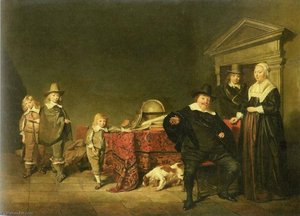
pieter jacobsz codde
1599 - 1678
Основные сведения
- Artistic Movement Or Style: Dutch Golden Age
- Artists Or Movements Influenced By This Artist: ['Golden Age Art']
- Artists Who Influenced This Artist: ['Frans Hals']
- Date Of Birth: December 11, 1599
- Date Of Death: October 12, 1678
- Full Name: Pieter Jacobsz Codde
- Nationality: Dutch
- Notable Artworks:
- The Music Lesson
- Dancing Lesson
- Merry Company
- Place Of Birth: Amsterdam, Netherlands
Похожие статьи

Золотой век Голландии: 10 шедевров, изменивших искусство | ArtsDot.com
Погрузитесь в эпоху Золотого века Нидерландов! 10 шедевров Рембрандта, Вермеера и других мастеров. Узнайте истории создания культовых картин и вдохновитесь для интерьера. Репродукции музейного качества на ArtsDot.com.

Golden Age Reflections: Dutch Baroque Painting & Cultural Innovation
Explore the Dutch Golden Age of painting! Discover key artists like Vermeer & ter Borch, their innovative techniques, and the rich cultural context behind these Baroque masterpieces. Learn about collecting & appreciating this iconic art period.
Genre Painting: A Window into Daily Life & Societal Values of the Dutch Golden Age
Explore the captivating world of Dutch Golden Age genre painting! Discover realistic depictions of daily life, masterful artists like Ostade & Metsu, and hidden symbolism. Learn about this influential art movement with ArtsDot.

Illuminating Innovation: Exploring the Dutch Golden Age of Painting
Explore the Dutch Golden Age of painting with ArtsDot. Discover Rembrandt, Vermeer & other Masters. Learn about key characteristics, iconic artworks, and lasting influence. Expert insights for collectors & enthusiasts.
Illuminating Realism: Exploring the Dutch Golden Age of Painting (1600-1700)
Explore the Dutch Golden Age of painting (1600-1700) with ArtsDot. Discover Rembrandt, Vermeer & other masters. Learn about techniques, history & find museum-quality reproductions.