

 Предпросмотр
 Поделиться
 Поделиться
 Детали произведения

 Скачать
 Похожие работы
 Рентгенография
 Слайд-шоу
 Статистика
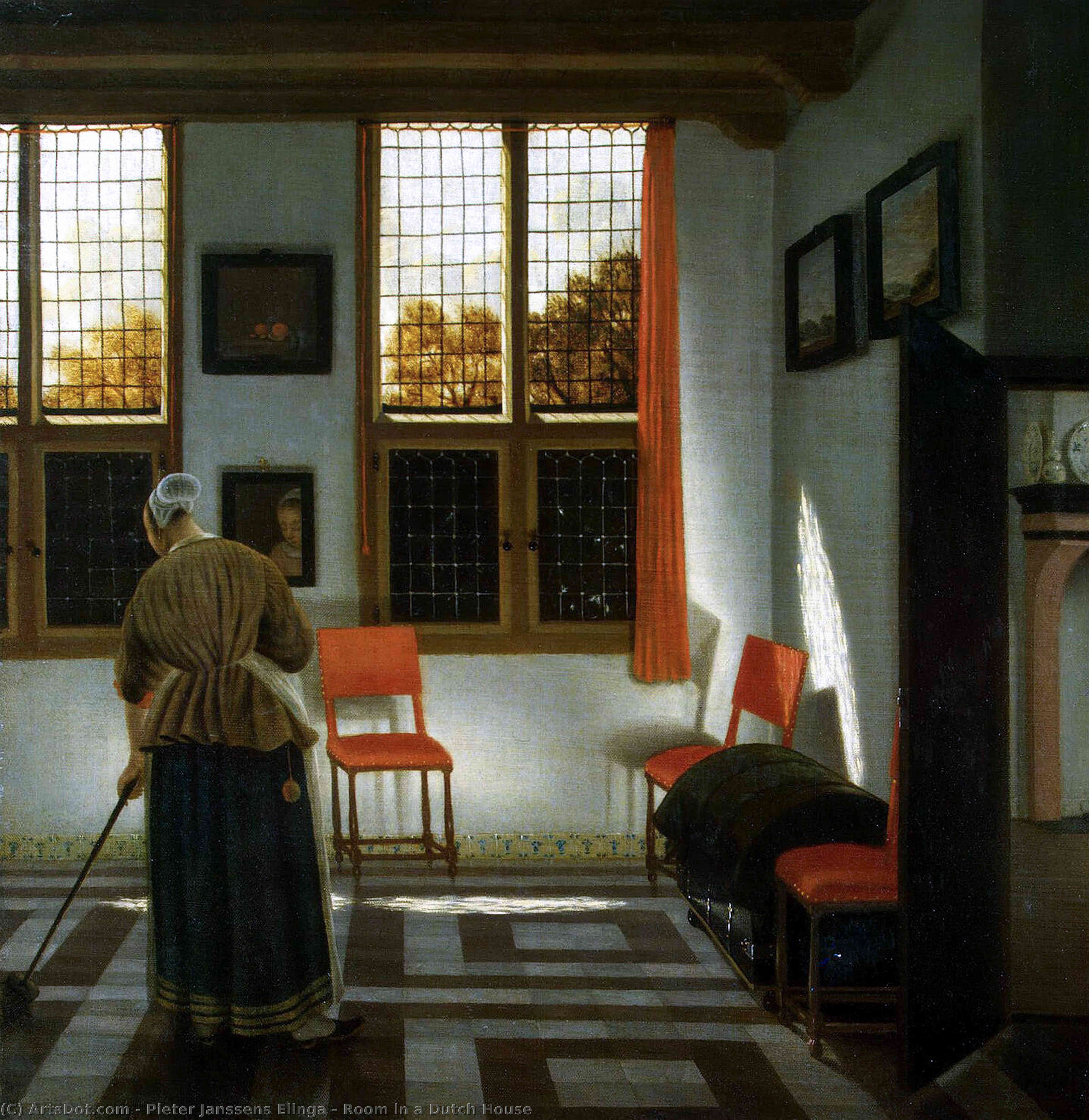
Room in a Dutch House
 Dutch Golden Age
 1668
1668 62.0 x 59.0 cm
 Эрмитаж
 Читать далее
Масляная репродукция ручной работы
Картина маслом на холсте в выбранном вами размере и раме, написанная на заказ нашими художниками. ( Перейти к печати Перейти к цифровым изображениям)




P118B $10

P118H $10

P118W $10

P438Z $10

P508JH $12

P508YH $12

P805H $10

P805Z $10

P919BZ $10

P919G $10

P919XJ $10

P959ZH $10

P968JZ $12

W106C $8

W218G $10

W218JH $8

W218Y $10

W307PJ $10

W316G $10

W316PJ $8

W316Y $10

W398PJ $8

W4111J $10

W500HY $15

W500JH $15

W692G $12

W849H $8

W940BG $15

W953PJ $8




Выберите один из наших стандартных размеров, соответствующих оригинальным пропорциям произведения искусства.

Вы можете указать собственные размеры, чтобы картина идеально вписалась в выбранную раму или пространство. Если выбранный вами размер не соответствует пропорциям оригинала, мы либо обрежем полотно, либо расширим его за счет дополнительных элементов, написанных вручную. Цифровой макет будет отправлен вам на утверждение перед началом производства.
Обратите внимание, что предварительный просмотр на экране не отражает фактическую обрезку или расширение. Только макет точно покажет окончательную композицию.
Хотя доступны индивидуальные размеры, мы рекомендуем выбирать вариант из предопределенного списка, чтобы сохранить исходные пропорции.
После оформления заказа команда ArtsDot.com свяжется с клиентом по электронной почте для уточнения деталей и предоставит предварительный макет
Доставка по всему миру () за 3–4 недели вместо стандартных 5 недель. (10 Сентябрь). Без компромиссов в качестве.

Бесплатная экспресс-доставка по всему миру

Высококачественный льняной холст

Полное страхование доставки

Гарантия возмещения таможенных пошлин

Гарантия точного соответствия цветов

100-дневная политика возврата (только при обнаружении дефектов)

Гарантия возврата 100% средств

Предложение оптовых скидок
 Вариант со стеклом доступен только для размеров менее 110 см

Room in a Dutch House
Техника репродукции
Размер репродукции
-


Итоговая стоимость
$ 263
A Window into 17th-Century Domesticity
Pieter Janssens Elinga’s “Room in a Dutch House” (1668) offers an intimate glimpse into the heart of everyday life during the Dutch Golden Age. This captivating oil on canvas, now residing at The Hermitage in St. Petersburg, isn't merely a depiction of an interior; it’s a carefully constructed tableau that speaks volumes about societal values, domestic roles, and artistic skill. Measuring 62 x 59 cm, the painting invites viewers to step into a world defined by order, cleanliness, and quiet contemplation.The Scene: A Moment of Quiet Labor
The composition centers around a woman diligently sweeping the floor – a seemingly mundane task elevated through Elinga’s masterful rendering. She is positioned within a meticulously arranged room, furnished with chairs and a bed that exemplify the Dutch penchant for practicality and orderliness. Sunlight streams through three windows adorned with orange curtains, illuminating dust motes dancing in the air and casting warm highlights on the furniture and the woman's figure. The checkered tile floor adds another layer of geometric precision to the scene. Two framed pictures hang above the bed, and one below it, while a clock subtly marks the passage of time.Artistic Influences & Style
Elinga’s work is often compared to that of Pieter de Hooch, a leading figure in Dutch interior painting. Both artists demonstrate a keen interest in architectural perspective, particularly the interplay of light and shadow on surfaces like windows and tiling. However, Elinga distinguishes himself through his ability to imbue these scenes with a profound sense of stillness and introspection. While De Hooch often depicts bustling domestic activity, Elinga favors moments of quietude, inviting viewers into a more contemplative space. He also shows influence from artists such as Pieter Jacobsz Codde and Pieter Aertsen’s workshop, demonstrating an understanding of genre scenes and still life elements within the domestic setting.Technique & Mastery of Light
Elinga's technical skill is evident in his masterful handling of light and shadow. The sunlight isn’t simply *present* – it actively shapes the scene, defining forms, creating depth, and lending a sense of realism to the textures of wood, fabric, and tile. His use of oil paint allows for rich color variations and subtle gradations, enhancing the overall impression of authenticity. This meticulous attention to detail was characteristic of Dutch Golden Age painting, where artists strived to capture the world around them with unparalleled accuracy.Symbolism & The Dutch Golden Age
The seemingly simple act of sweeping carries symbolic weight within the context of 17th-century Dutch society. It represents diligence, domestic virtue, and a commitment to maintaining order – qualities highly valued during this period of economic prosperity and social stability. The well-appointed room itself speaks to the rising affluence of the merchant class, who commissioned many such paintings as symbols of their status and refined taste. The painting reflects the Dutch emphasis on *gezelligheid* - a feeling of cozy comfort and contentment within the home.Emotional Resonance & Enduring Appeal
“Room in a Dutch House” transcends its historical context to offer a timeless message about the human desire for peace, order, and tranquility. The painting evokes a sense of calm and serenity, inviting viewers to pause and appreciate the beauty of everyday life. Its enduring appeal lies in its ability to resonate with our own aspirations for comfortable, well-ordered living spaces.Bring This Masterpiece Home
ArtsDot.com offers exquisite, hand-painted reproductions of Pieter Janssens Elinga’s “Room in a Dutch House.” Each reproduction is crafted by skilled artists using eco-friendly materials and solvent-free paints, ensuring exceptional quality and longevity. Experience the serenity and timeless beauty of “Room in a Dutch House” with a stunning reproduction from ArtsDot.com.Похожие произведения

Биография художника
Pieter Janssens Elinga: A Life in Dutch Interiors
Early Life and Training
- Born: Bruges, Belgium in 1623.
- Pieter Janssens Elinga began his artistic journey as the son of Gisbrecht Janssens, who likely provided him with initial training in painting. This familial foundation proved crucial to his early development.
- Early influences remain somewhat obscure, but it’s clear he absorbed the artistic traditions prevalent in Bruges during his formative years.
Move to Holland and Artistic Development
- In 1653, Elinga relocated to Rotterdam, marking a significant shift in his life and career. It was at this time he adopted the name “Elinga,” potentially to establish a new identity within the Dutch art world.
- Further relocation to Amsterdam in 1657 followed, where he likely spent the remainder of his life, though records become sparse after this point.
- Artistic Style: Elinga’s style quickly became defined by meticulously rendered domestic interior scenes. He possessed a keen eye for detail and a particular fascination with geometric elements – windows, floor tiling, and architectural features all played prominent roles in his compositions.
Influences and Artistic Affiliations
- Elinga was demonstrably influenced by the work of Pieter de Hooch, a master of Dutch interior scenes known for their light, airy quality and realistic depictions of everyday life.
- Willem Kalf, renowned for his still lifes, also impacted Elinga’s artistic approach, particularly in terms of composition and the rendering of textures.
- While he followed these masters, Elinga developed a unique style characterized by a strong emphasis on perspective and geometric precision.
Major Achievements and Notable Works
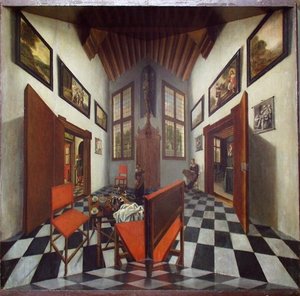
- Perspective Box: Perhaps his most celebrated achievement is the “perspective box,” one of only six known to survive intact. This innovative work, currently housed at the Bredius Museum in The Hague, represents an intriguing experiment with light, architectural illusion, and early photographic principles (the camera obscura).
- Interior Scenes: Numerous paintings depicting Dutch interiors showcase his skill in capturing the ambiance of domestic life. Examples include “Room in a Dutch House” and “Interior with Painter, Woman Reading and Maid Sweeping.”
- His still lifes, though less numerous than his interior scenes, demonstrate his technical proficiency and attention to detail.
Historical Significance and Legacy
- Pieter Janssens Elinga’s work provides valuable insight into the daily life of 17th-century Holland. His paintings offer a glimpse into the homes, habits, and social customs of the Dutch Golden Age.
- The perspective box stands as a testament to his innovative spirit and willingness to explore new artistic techniques.
- Although not as widely recognized as some of his contemporaries, Elinga’s contributions to Dutch genre painting are increasingly appreciated by art historians and collectors. His meticulous technique and unique vision continue to captivate audiences today.
- Last Recorded Activity: He was last officially registered in 1657 paying a poll tax in Amsterdam, with his widow recorded as such in 1682.
Pieter Janssens Elinga
1623 - 1682 , Belgium
Основные сведения
- Birth Date: 1623
- Birth Place: Bruges, Belgium
- Death Date: 1682
- Influenced By: Pieter de Hooch, Willem Kalf
- Movement: Dutch Golden Age painting, Baroque
- Name: Pieter Janssens Elinga
- Nationality: Dutch
- Notable Works: Perspective box, Room in a Dutch House
Похожие статьи

Golden Age Reflections: Dutch Baroque Painting & Cultural Innovation
Explore the Dutch Golden Age of painting! Discover key artists like Vermeer & ter Borch, their innovative techniques, and the rich cultural context behind these Baroque masterpieces. Learn about collecting & appreciating this iconic art period.
Golden Light & Dutch Skies: Bringing the Magic of Dutch Golden Age Landscapes into Your Home
Transform your home with the breathtaking light of Dutch Golden Age landscapes. Discover how hand-painted oil reproductions of masterworks like Ruisdael and Vermeer bring timeless elegance, atmosphere, and soulful texture to modern interiors. Elevate your space with museum-quality art.

Illuminating Realism: Exploring the Dutch Golden Age of Painting (1600-1700)
Explore the Dutch Golden Age of painting (1600-1700) with ArtsDot. Discover Rembrandt, Vermeer & other masters. Learn about techniques, history & find museum-quality reproductions.

Золотой век Голландии: 10 шедевров, изменивших искусство | ArtsDot.com
Погрузитесь в эпоху Золотого века Нидерландов! 10 шедевров Рембрандта, Вермеера и других мастеров. Узнайте истории создания культовых картин и вдохновитесь для интерьера. Репродукции музейного качества на ArtsDot.com.

Illuminating Innovation: Exploring the Dutch Golden Age of Painting
Explore the Dutch Golden Age of painting with ArtsDot. Discover Rembrandt, Vermeer & other Masters. Learn about key characteristics, iconic artworks, and lasting influence. Expert insights for collectors & enthusiasts.