

 Предпросмотр
 Поделиться
 Поделиться
 Детали произведения

 Скачать
 Похожие работы
 Рентгенография
 Слайд-шоу
 Статистика
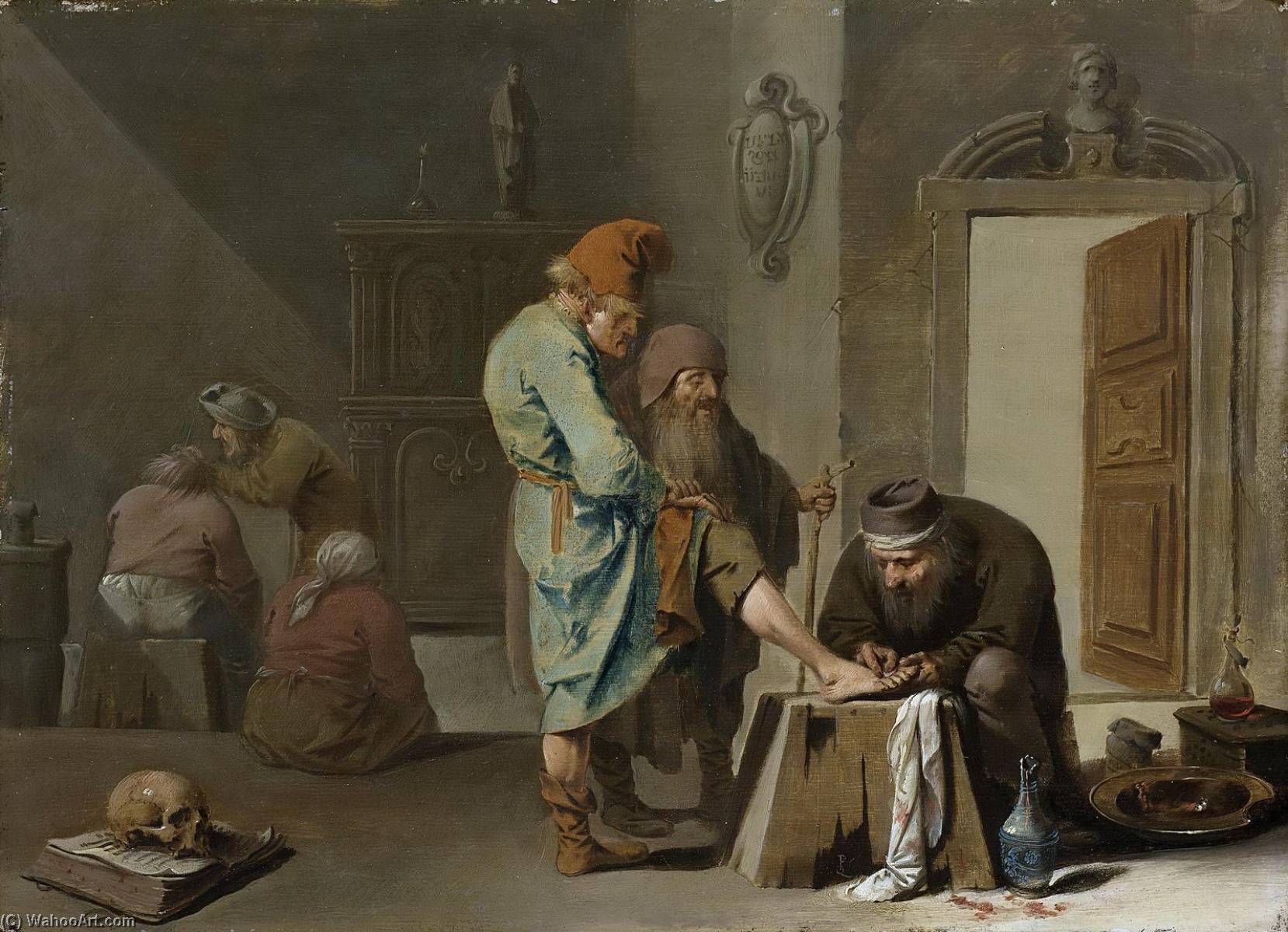
Foot Surgery
 Oil On Panel
- Baroque Genre Painting
 30.0 x 41.0 cm
 Рейксмюзеум Амстердам
 Читать далее
Масляная репродукция ручной работы
Картина маслом на холсте в выбранном вами размере и раме, написанная на заказ нашими художниками. ( Перейти к печати Перейти к цифровым изображениям)




P118B $10

P118H $10

P118W $10

P438Z $10

P508JH $12

P508YH $12

P805H $10

P805Z $10

P919BZ $10

P919G $10

P919XJ $10

P959ZH $10

P968JZ $12

W106C $8

W218G $10

W218JH $8

W218Y $10

W307PJ $10

W316G $10

W316PJ $8

W316Y $10

W398PJ $8

W4111J $10

W500HY $15

W500JH $15

W692G $12

W849H $8

W940BG $15

W953PJ $8




Выберите один из наших стандартных размеров, соответствующих оригинальным пропорциям произведения искусства.

Вы можете указать собственные размеры, чтобы картина идеально вписалась в выбранную раму или пространство. Если выбранный вами размер не соответствует пропорциям оригинала, мы либо обрежем полотно, либо расширим его за счет дополнительных элементов, написанных вручную. Цифровой макет будет отправлен вам на утверждение перед началом производства.
Обратите внимание, что предварительный просмотр на экране не отражает фактическую обрезку или расширение. Только макет точно покажет окончательную композицию.
Хотя доступны индивидуальные размеры, мы рекомендуем выбирать вариант из предопределенного списка, чтобы сохранить исходные пропорции.
После оформления заказа команда ArtsDot.com свяжется с клиентом по электронной почте для уточнения деталей и предоставит предварительный макет
Доставка по всему миру () за 3–4 недели вместо стандартных 5 недель. (13 Сентябрь). Без компромиссов в качестве.

Бесплатная экспресс-доставка по всему миру

Высококачественный льняной холст

Полное страхование доставки

Гарантия возмещения таможенных пошлин

Гарантия точного соответствия цветов

100-дневная политика возврата (только при обнаружении дефектов)

Гарантия возврата 100% средств

Предложение оптовых скидок
 Вариант со стеклом доступен только для размеров менее 110 см

Foot Surgery
Техника репродукции
Размер репродукции
-


Итоговая стоимость
$ 263
A Window Into Seventeenth-Century Life: Pieter Jansz. Quast’s “Foot Surgery”
Pieter Jansz. Quast's "Foot Surgery," painted circa 1634, is far more than a simple depiction of a medical procedure; it’s a meticulously observed slice of life within the bustling, often chaotic, world of early modern Amsterdam. This oil-on-panel work, measuring a modest 30 x 41 centimeters and currently residing in the Rijksmuseum Amsterdam, offers a rare glimpse into the practices – both mundane and unsettling – that shaped daily existence during the Dutch Golden Age. Quast, a painter deeply influenced by the realism of Adriaen Brouwer and the dramatic lighting of Rembrandt, masterfully captures not just the scene itself but also the palpable tension and quiet dignity within it.
The painting immediately draws the eye to the central figures: a surgeon, his face etched with concentration, examining a man’s foot. The patient, identifiable by his beard and posture, appears resigned yet alert, suggesting a degree of acceptance – or perhaps simply resignation – to his fate. Beyond this immediate interaction, Quast skillfully layers the scene with secondary narratives. A woman sits patiently on the floor, likely a relative or companion, while a skull and an open book—symbols of mortality and knowledge—rest in the foreground, subtly reminding us of the fragility of life and the pursuit of understanding. The inclusion of a cupboard containing a statue of saints adds another layer of complexity, hinting at the intersection of faith, medicine, and the everyday realities of 17th-century belief.
A Masterclass in Chiaroscuro and Realism
Quast’s technical skill is evident in every brushstroke. He employs a dramatic use of chiaroscuro – the stark contrast between light and dark – to sculpt the figures and create a sense of depth within the confined space. The strong lighting focuses attention on the surgeon's hands, highlighting his meticulous examination, while shadows envelop the background, suggesting both the gloom of the room and the uncertainty of the procedure. The artist’s commitment to realism is equally impressive; he renders every detail with painstaking accuracy, from the texture of the man’s clothing to the wrinkles on his face. This attention to detail elevates the scene beyond a mere medical illustration, transforming it into a compelling portrait of human experience.
Furthermore, Quast's style diverges from purely academic painting. He incorporates elements of caricature and satire, particularly in the depiction of the patient’s facial expression and the overall atmosphere of the room. This suggests a critical perspective on societal norms and practices – perhaps subtly questioning the accepted methods of medicine or the role of authority figures. The loose brushwork and individualized characterizations align him with artists like Adriaen Brouwer, known for their unflinching portrayal of everyday life, often tinged with humor and social commentary.
Historical Context and Artistic Influences
To fully appreciate “Foot Surgery,” it’s crucial to understand the historical context in which it was created. Amsterdam in the 17th century was a vibrant hub of commerce, culture, and innovation – but also a city grappling with poverty, disease, and social inequality. Medical practices were often rudimentary and sometimes even dangerous, relying on traditional remedies and limited scientific knowledge. Quast’s painting offers a rare glimpse into this world, revealing the realities of medical care during a period when superstition and faith coexisted alongside emerging scientific inquiry.
The artist's style is deeply rooted in the artistic traditions of his time. He was influenced by the works of Rembrandt van Rijn, particularly his masterful use of light and shadow, as well as Adriaen Brouwer, whose genre scenes captured the essence of peasant life with remarkable realism and humor. However, Quast developed a distinctive style that combined these influences with his own unique vision, creating paintings that are both technically proficient and emotionally resonant.
A Legacy Preserved: Reproductions and Artistic Value
Today, “Foot Surgery” stands as a testament to Pieter Jansz. Quast’s artistic talent and his ability to capture the complexities of human experience. High-quality reproductions of this remarkable painting are now available through platforms like ArtsDot.com, allowing art enthusiasts around the world to own a piece of history. These reproductions meticulously recreate the original's intricate details and dramatic lighting, ensuring that viewers can appreciate Quast’s artistic vision as fully as possible.
Beyond its aesthetic appeal, “Foot Surgery” offers valuable insights into the social, cultural, and medical practices of 17th-century Amsterdam. It is a poignant reminder of the challenges faced by ordinary people during this transformative period in European history – and a powerful testament to the enduring power of art to illuminate our understanding of the past.
Похожие произведения

Биография художника
life and artistic journey
pieter jansz. quast, a dutch painter from the 17th century, left an indelible mark on the art world with his captivating genre paintings. born in amsterdam in 1605, quast's life was marked by his artistic endeavors, which were characterized by a unique blend of realism and personal style.artistic contributions
quast's work is notable for its variety, ranging from elegant merry companies to guardroom scenes with officers and numerous depictions of peasants or beggars. his paintings are distinguished by their attention to detail and the use of chiaroscuro, a technique that involves the contrast between light and dark.- guardroom scenes: quast's guardroom scenes, often featuring officers, provide a glimpse into the military life of the dutch golden age.
- peasant and beggar depictions: his numerous paintings of peasants and beggars offer a poignant portrayal of everyday life during this period.
- merry companies: quast's elegant merry companies capture the essence of dutch social gatherings, showcasing his mastery of genre painting.
notable works and their significance
while specific works by quast are not extensively documented, his influence on the dutch golden age art movement is undeniable. his emphasis on everyday life and use of chiaroscuro have made a lasting impact on western painting. key artistic influences: - rembrandt van rijn, known for his masterful use of light and shadow. - johannes vermeer, celebrated for his captivating portrayals of everyday life. - frans hals, renowned for his detailed, realistic paintings.legacy and availability of quast's work
though quast's personal life is not well-documented, his artistic legacy endures. his works can be found in various museums and collections, with some notable pieces available for viewing at the dutch golden age art movement section on ArtsDot.com.- museum collections: many of quast's paintings are housed in prestigious institutions, such as the mauritshuis (the hague, netherlands).
- ArtsDot.com: this platform offers a comprehensive collection of quast's works, including genre scenes and portraits, with detailed information on each piece.
conclusion
pieter jansz. quast's life may be shrouded in mystery, but his artistic contributions to the dutch golden age are undeniable. through his captivating genre paintings, he has left an enduring legacy in the world of art. the museum san nicola da tolentino (venice, italy) and other notable museums showcase quast's work, highlighting his influence on the art world. his emphasis on everyday life and use of chiaroscuro have made a lasting impact, ensuring his place in the annals of art history.- ArtsDot.com: explore quast's works and those of other dutch golden age painters at ArtsDot.com.
- mauritshuis (the hague, netherlands): visit the official website for more information on quast's paintings and other collections.
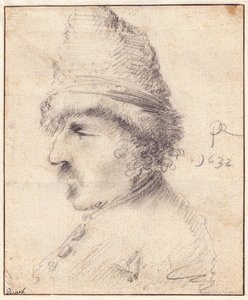
pieter jansz. quast
1605 - 1647 , Netherlands
Похожие статьи
Pieter de Hooch: Illuminating Dutch Domestic Life & Golden Age Charm
Explore the captivating world of Pieter de Hooch, a master of Dutch Golden Age painting. Discover his innovative use of light, intimate domestic scenes, and lasting influence on art history. Learn more at ArtsDot.
Illuminating a Century of Change: Artistic Expression & Societal Shifts in 17th-Century Europe
Explore the artistic brilliance of the 17th-century Dutch Golden Age & Baroque period. Discover Rembrandt, genre painting, and chiaroscuro techniques. Expert insights for art lovers & collectors.

Golden Age Reflections: Dutch Baroque Painting & Cultural Innovation
Explore the Dutch Golden Age of painting! Discover key artists like Vermeer & ter Borch, their innovative techniques, and the rich cultural context behind these Baroque masterpieces. Learn about collecting & appreciating this iconic art period.

Illuminating Innovation: Exploring the Dutch Golden Age of Painting
Explore the Dutch Golden Age of painting with ArtsDot. Discover Rembrandt, Vermeer & other Masters. Learn about key characteristics, iconic artworks, and lasting influence. Expert insights for collectors & enthusiasts.
Шедевры XVII века: Топ-10 картин для вдохновения и декора от ArtsDot
Погрузитесь в мир искусства XVII века! От Рембрандта до Вермеера – 10 шедевров барокко и фламандской живописи. Узнайте истории великих художников и вдохновитесь для декора вашего интерьера. Репродукции картин премиум-качества на ArtsDot.com