

 Предпросмотр
 Поделиться
 Поделиться
 Детали произведения

 Скачать
 Похожие работы
 Рентгенография
 Слайд-шоу
 Статистика
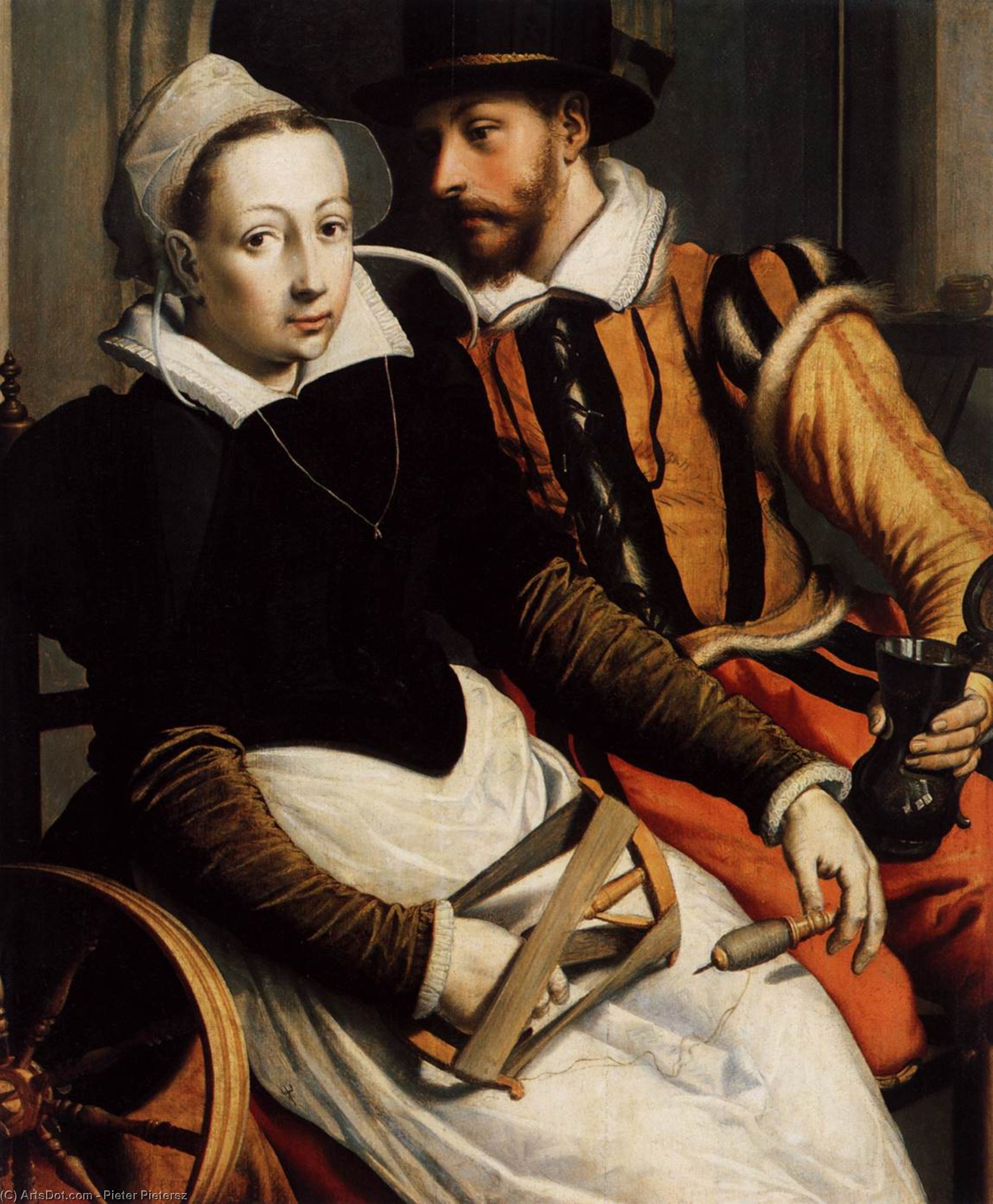
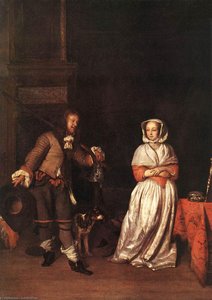
Man and Woman by the Spinning Wheel
 Oil On Canvas
- WallArt
- Dutch Renaissance
 1570
1570- Renaissance
 76.0 x 64.0 cm
 Рейксмюзеум
 Читать далее
Приобретите цифровое изображение высокого разрешения в улучшенном качестве, которое значительно превосходит онлайн-превью.
Каждый файл тщательно подготавливается нашими специалистами с использованием передовых инструментов и экспертной ручной ретуши. Мы гарантируем исключительную четкость, точную цветопередачу и детальную проработку каждого изображения.
Финальный файл доставляется по электронной почте в течение 72 часов и оптимизирован для немедленного использования в профессиональной среде, при верстке и печати. Это тот же уровень качества, которому доверяют ведущие дизайнерские студии, издательства и галереи.
Цифровое изображение
Скачайте файл высокого разрешения для личного использования, печати и творческих проектов. ( Перейти к печати Купить картину ручной работы)
Включено в каждый заказ цифровых изображений
Гарантия экспертной цифровой доставки
Выбирая ArtsDot.com, вы получаете не просто изображение — вы приобретаете профессионально обработанное цифровое произведение искусства, созданное с безупречной точностью и под защитой гарантии качества. Вот всё, что автоматически входит в ваш заказ:

Мгновенная доставка по e-mail
Ваш цифровой файл в высоком разрешении будет отправлен вам по электронной почте в течение 72 часов после оформления заказа — и сразу станет доступен для использования.

Цифровой файл с ИИ-улучшением
Ваше произведение искусства проходит профессиональную оптимизацию с использованием передовых инструментов ИИ и ручной обработки, что гарантирует максимальную детализацию, четкость и точность цветопередачи.

Бессрочная бесплатная повторная доставка
Случайно удалили или потеряли файл? Не беспокойтесь — мы отправим его вам повторно в любое время и совершенно бесплатно.

Без импортных пошлин — навсегда
Наслаждайтесь вашим произведением искусства мгновенно без таможенных пошлин, сборов или затрат на доставку — цифровые загрузки всегда не облагаются налогом.

Гарантия точности цветопередачи
Мы гарантируем, что ваше цифровое изображение максимально точно передает оригинальные цвета благодаря использованию профессиональных инструментов и систем управления цветом.

Гарантия удовлетворенности 100 дней
Если вы не будете удовлетворены своим цифровым изображением, мы внесем правки или вернем 100% стоимости в течение 100 дней — без лишних вопросов.

100% Гарантия возврата средств
Не удовлетворены покупкой? Получите полный возврат средств в течение 100 дней после получения цифрового файла — без лишних вопросов.

Скидки на оптовые заказы
Купите 3 изображения, сэкономьте 10% — Купите 5, сэкономьте 15% — Купите 10+, сэкономьте 20%. Отличное решение для творческих проектов, галерей и агентств.
A Glimpse into Domestic Life: Man and Woman by the Spinning Wheel
Step back with us into the vibrant, intimate world of the late 16th century through this captivating portrait, Man and Woman by the Spinning Wheel. This work, dating to 1570, offers more than just a depiction; it presents a carefully composed tableau of bourgeois life in Antwerp. The scene centers on a man and woman seated together, their attention seemingly drawn to something just beyond our view, suggesting a shared moment of contemplation or quiet conversation. The very presence of the spinning wheel anchors the domesticity of the piece, speaking volumes about the rhythms of daily labor and skilled craft that underpinned the lives of the era's prosperous merchant class.
The Artistry of Pieter Pietersz
Crafted by Pieter Pietersz, an artist whose career flourished during the height of Antwerp’s artistic golden age, this painting showcases his mastery of genre scenes and portraiture. Pietersz, a Flemish Master, possessed an uncanny ability to capture not just likenesses, but the very atmosphere surrounding his subjects. Observe the man's costume, particularly the ruffled collar, which speaks to contemporary fashion sensibilities, contrasted with the woman’s more modest attire. The technique employed suggests a meticulous attention to texture—the drape of fabric, the grain of wood on the nearby chair, and the subtle rendering of skin tones—all hallmarks of a highly skilled Renaissance hand.
Symbolism Woven into the Scene
Every element within this composition seems imbued with quiet meaning. The spinning wheel itself is a potent symbol, representing industry, continuity, and the vital role of domestic production in the economy. Furthermore, the inclusion of another, less prominent figure on the right adds a layer of narrative complexity, suggesting community observation or perhaps an unfolding social interaction. Even the delicate object resembling a wine glass positioned near the top right corner hints at leisure, celebration, or the refined pleasures enjoyed by those who commissioned such works. These details invite the modern viewer to pause and decode the unspoken narratives surrounding this gathering.
Bringing History Home: Decorating with Masterful Reproduction
For the discerning collector or interior designer, this piece offers an unparalleled opportunity to infuse a space with historical depth and artistic grace. Reproducing such a work allows one to bring the sophisticated ambiance of 16th-century Flemish life into a contemporary setting. Imagine this scene gracing a drawing-room wall; it acts as a profound conversation starter, grounding modern elegance in the rich tapestry of art history. The size, measuring approximately 76 x 64 cm, makes it an ideal focal point—substantial enough to command attention yet intimate enough to feel personal.
Похожие произведения


Биография художника
A Legacy of Light and Life: The Journey of Pieter Pietersz
In the heart of the Flemish Golden Age, amidst the bustling commerce and burgeoning creativity of Antwerp, a master was born who would forever capture the pulse of Northern European life. Pieter Pietersz (1540–1603) emerged from a lineage deeply rooted in the artistic soil of Belgium, the son of the renowned Pieter Aertsen. Growing up in an era where art and trade were inextricably linked, Pietersz did not merely inherit a name; he inherited a vision. While his father was celebrated for grander, often complex allegories, the younger Pietersz found his calling in the intimate and the immediate. His life was a masterful navigation of the shifting tides of the Dutch Renaissance, moving from the religious fervor of Haarlem to the mercantile sophistication of Amsterdam.
The trajectory of his career was shaped by both necessity and profound talent. As noted by the contemporary chronicler Karel van Mander, Pieters_z’s early professional path was influenced by the availability of commissions. While he possessed the technical prowess for large-scale religious narratives—as evidenced by his early works in Haarlem between 1569 and 1583—he strategically turned toward portraiture and genre painting. This transition allowed him to secure a steady patronage, transforming him from a mere painter into a respected figure of the social fabric. His marriage to Magdalena Pietersz, daughter of a Haarlem glass painter, further wove him into the very tapestry of the Netherlandish artistic community, creating a domestic life as colorful and interconnected as his canvases.
The Mastery of the Market and the Soul
To look upon a work by Pieter Pietersz is to step into the vibrant, noisy, and sensory-rich world of the 16th-century marketplace. He possessed an uncanny ability to translate the chaotic energy of urban life into structured, luminous compositions. His market scenes are not merely depictions of commerce; they are celebrations of abundance and human interaction. Through a meticulous application of color and light, he captured the glint of fresh produce, the texture of woven goods, and the subtle expressions of the common folk navigating the stalls.
Beyond the bustling streets, Pietersz’s mastery extended to the quiet dignity of portraiture. In these works, one finds a profound psychological depth. He moved beyond simple likeness, utilizing the techniques of the Dutch Renaissance to imbue his subjects with a sense of character and permanence. His ability to balance the fiery originality seen in his guild commissions with the delicate precision required for individual portraits established him as a versatile titan of his age. This duality—the ability to capture both the grand spectacle of a guild celebration and the quiet introspection of a single face—is what defines his enduring historical significance.
An Enduring Artistic Lineage
The impact of Pieter Pietersz extends far beyond the frames of his individual paintings. He was a cornerstone of an artistic dynasty that helped define the visual language of the Low Countries. His influence can be traced through several key facets of his life and legacy:
- Familial Influence: As the elder brother to Aert and Dirk Pietersz, and the grandfather to Dirck van Santvoort, he sat at the center of a family tree that nourished generations of Flemish and Dutch talent.
- The Antwerp-Amsterdam Connection: His movement between these two pivotal cities allowed him to bridge the gap between the traditional Flemish style and the emerging Dutch realism.
- Cultural Recognition: Known affectionately in historical records as "jonge lange pier," a nod to his father’s famous moniker, he carried the weight of his heritage while carving out a distinct identity as a wealthy merchant-artist.
By the time of his death in Amsterdam in 1603, Pieter Pietersz had achieved much more than financial success; he had become a chronicler of an era. His works remain vital touchstones for understanding the transition from the late Middle Ages to the dawn of the Dutch Golden Age, reminding us that even in the simplest market scene, there is a profound beauty waiting to be discovered by the observant eye.
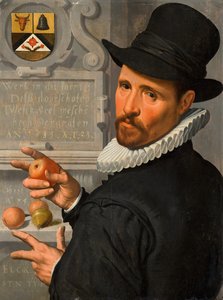
Pieter Pietersz
1540 - 1603 , Belgium
Основные сведения
- Artistic Movement Or Style: Renaissance Portraiture
- Artists Or Movements Influenced By This Artist: ['Haarlems Stijl']
- Artists Who Influenced This Artist: ['Pieter Aertsen']
- Date Of Birth: 1540 Antwerp Belgium
- Date Of Death: 1603
- Full Name: Pieter Pietersz
- Nationality: Dutch Renaissance
- Notable Artworks: ['Portrait of Dirckje Tymansdr Gael, called van der Graft']
- Place Of Birth: Antwerp Belgium