

 Предпросмотр
 Поделиться
 Поделиться
 Детали произведения

 Скачать
 Похожие работы
 Рентгенография
 Слайд-шоу
 Статистика
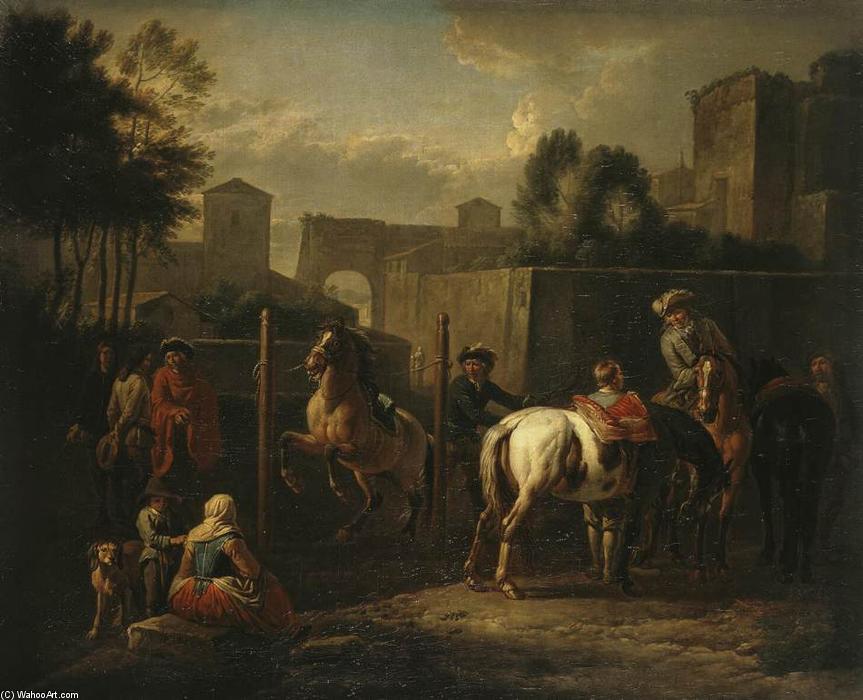
Open-Air Manege
 Oil On Canvas
- WallArt
- Baroque Landscape
 1712
1712 53.0 x 65.0 cm
 Эрмитаж
 Читать далее
Приобретите цифровое изображение высокого разрешения в улучшенном качестве, которое значительно превосходит онлайн-превью.
Каждый файл тщательно подготавливается нашими специалистами с использованием передовых инструментов и экспертной ручной ретуши. Мы гарантируем исключительную четкость, точную цветопередачу и детальную проработку каждого изображения.
Финальный файл доставляется по электронной почте в течение 72 часов и оптимизирован для немедленного использования в профессиональной среде, при верстке и печати. Это тот же уровень качества, которому доверяют ведущие дизайнерские студии, издательства и галереи.
Цифровое изображение
Скачайте файл высокого разрешения для личного использования, печати и творческих проектов. ( Перейти к печати Купить картину ручной работы)
Включено в каждый заказ цифровых изображений
Гарантия экспертной цифровой доставки
Выбирая ArtsDot.com, вы получаете не просто изображение — вы приобретаете профессионально обработанное цифровое произведение искусства, созданное с безупречной точностью и под защитой гарантии качества. Вот всё, что автоматически входит в ваш заказ:

Мгновенная доставка по e-mail
Ваш цифровой файл в высоком разрешении будет отправлен вам по электронной почте в течение 72 часов после оформления заказа — и сразу станет доступен для использования.

Цифровой файл с ИИ-улучшением
Ваше произведение искусства проходит профессиональную оптимизацию с использованием передовых инструментов ИИ и ручной обработки, что гарантирует максимальную детализацию, четкость и точность цветопередачи.

Бессрочная бесплатная повторная доставка
Случайно удалили или потеряли файл? Не беспокойтесь — мы отправим его вам повторно в любое время и совершенно бесплатно.

Без импортных пошлин — навсегда
Наслаждайтесь вашим произведением искусства мгновенно без таможенных пошлин, сборов или затрат на доставку — цифровые загрузки всегда не облагаются налогом.

Гарантия точности цветопередачи
Мы гарантируем, что ваше цифровое изображение максимально точно передает оригинальные цвета благодаря использованию профессиональных инструментов и систем управления цветом.

Гарантия удовлетворенности 100 дней
Если вы не будете удовлетворены своим цифровым изображением, мы внесем правки или вернем 100% стоимости в течение 100 дней — без лишних вопросов.

100% Гарантия возврата средств
Не удовлетворены покупкой? Получите полный возврат средств в течение 100 дней после получения цифрового файла — без лишних вопросов.

Скидки на оптовые заказы
Купите 3 изображения, сэкономьте 10% — Купите 5, сэкономьте 15% — Купите 10+, сэкономьте 20%. Отличное решение для творческих проектов, галерей и агентств.
A Glimpse into 18th-Century Leisure
Pieter van Bloemen’s “Open-Air Manege,” painted in 1712, isn't merely a depiction of a scene; it’s a vibrant snapshot of social life during the Baroque era. Housed within the walls of The Hermitage Museum in St. Petersburg, this oil on canvas transports us to an open courtyard bustling with activity – a rare and precious glimpse into the leisure pursuits of the wealthy elite. The painting captures a moment of orchestrated chaos: horses rearing playfully, riders preparing for a spirited gallop, and individuals engaged in various interactions within the lively setting. It’s a scene brimming with energy, suggesting a celebration, a tournament, or perhaps simply an afternoon of refined entertainment.

(Image source: Web Gallery of Art)
The Painter’s Masterstroke: Technique and Composition
Van Bloemen's skill lies not just in capturing a scene, but in rendering it with remarkable dynamism. He employs a technique known as “pittura di tocco,” characterized by small, precise brushstrokes that create an illusion of texture and movement – particularly evident in the horses’ manes and coats. The artist masterfully uses light and shadow to sculpt forms, emphasizing the three-dimensionality of the figures and animals. Notice how the warm glow illuminates the foreground, drawing our eye into the heart of the action, while cooler tones recede into the background, establishing a sense of depth. The composition itself is carefully balanced; the energetic movement of the horses is counterpointed by the more static postures of the onlookers, creating a harmonious visual flow.
A Window to the 18th Century: Pieter van Bloemen and His Context
Pieter van Bloemen (1657-1720) was a prominent Flemish painter who thrived in the cosmopolitan environment of Rome. Born in Antwerp, he honed his skills under Simon Johannes van Douw and later benefited from collaborations with artists like Adriaen van der Cabel and Gillis Weenix in Lyon. His travels exposed him to diverse artistic influences, particularly Italian landscape painting, which profoundly shaped his style. Van Bloemen’s work reflects the prevailing trends of the time – a fascination with classical themes, an appreciation for natural beauty, and a desire to capture fleeting moments of everyday life. He was part of the Bentvueghels, a society of artists who exchanged drawings and prints, further expanding his artistic horizons.
Symbolism and Emotional Resonance
Beyond its technical brilliance, “Open-Air Manege” resonates with deeper symbolic meaning. The scene embodies the pursuit of pleasure and social interaction – values highly prized in 18th-century aristocratic society. The horses represent power, grace, and status, while the riders symbolize control and mastery. The gathering itself speaks to a desire for community and shared experience. Looking at this painting, one can almost feel the excitement of the moment, the anticipation of the race, and the camaraderie among those present. It’s a reminder that even amidst the grandeur of courtly life, there was always room for simple joys and spirited entertainment.
Похожие произведения
Биография художника
Pieter van Bloemen (1657-1720): A Flemish Painter of Animals, Landscapes, and Roman Scenes
Early Life and Training
- Born: Antwerp, Belgium, January 17, 1657
- Died: Antwerp, Belgium, March 6, 1720
- Apprenticed to Simon Johannes van Douw from a young age (possibly as early as age 10), receiving foundational training in artistic techniques.
- Became a master of the Guild of Saint Luke in Antwerp in 1674, demonstrating his proficiency and acceptance within the established art community.
- Family Background: Pieter came from an artistic family; both his younger brothers, Jan Frans and Norbert, were also painters.
Travels and Artistic Development
- Early Travels (1674 & 1689): Initial journeys to Rome likely influenced his later style, exposing him to Italian landscapes and artistic trends.
- Lyon Period (1684): Collaboration with Dutch painters Adriaen van der Cabel and Gillis Weenix in Lyon broadened his exposure to different painting styles and techniques. His brother Jan Frans joined him during this time.
- Rome & the Bentvueghels (1688-1694): A significant period spent in Rome, registered with the parish of Sant’Andrea delle Fratte alongside his brothers. Became a member of the *Bentvueghels*, an association of foreign artists in Rome, earning the nickname "Standaart" likely referencing banners depicted in his military scenes.
- Travels within Italy: Explored Naples, Sicily, and Malta, further enriching his understanding of Italian landscapes and culture.
- Collaboration with Jan Frans: A fruitful partnership where Pieter focused on figures while Jan Frans specialized in landscape (vedute) painting.
Artistic Style and Major Works
- Subject Matter: Known for dynamic depictions of animals, equestrian scenes, market life, military encampments, and genre paintings set within Italianate landscapes.
- Italianizing Landscapes: Adopted the tradition of representing the Roman Campagna with inns, ruins, and animals, creating a distinctive "Roman" atmosphere.
- Bamboccianti Influence: Incorporated elements of the *bamboccianti* style, depicting everyday scenes and trivial subjects, often with meticulous detail.
- Distinctive Features: Characterized by lively coloring in figures' costumes contrasting with the more subdued tones of animals and ruins; a focus on groups of animals presented as "still-lifes" within landscapes.
- Notable Works: The Duke of Marlborough and the Earl of Cadogan at Blenheim (Hochstadt) (where he painted the horses), *Military Encampment*, *At the Forge*, *Mules Halting by the Wayside*, and *Landscape with Herdsmen and Animals in front of the Baths of Diocletian, Rome*.
- Drawing Practice: Produced numerous drawings depicting landscapes, figure studies, and animal observations from life.
Legacy and Historical Significance
- Prolific Output: A highly productive artist with a diverse body of work spanning various genres.
- Dean of the Guild of Saint Luke (1699): Held a prestigious position within the Antwerp art community, demonstrating his respect and influence.
- Teacher: Mentored his younger brothers Jan Frans and Norbert, as well as other artists like Peeter van Aken and Frans van Alter.
- Collaboration & Recognition: Frequently sought after for his skill in painting horses, collaborating with prominent artists like Balthasar van den Bossche.
- Contribution to Baroque Art: Van Bloemen’s work exemplifies the dynamism and detail characteristic of Baroque art, particularly within the Flemish tradition. His Italian experiences infused his paintings with a unique blend of Northern European realism and Southern European landscape aesthetics.
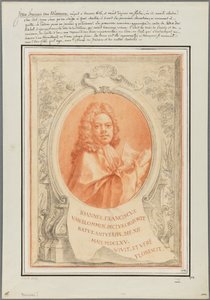
Pieter van Bloemen
1657 - 1720 , Belgium
Основные сведения
- Artistic Movement Or Style: Baroque
- Artists Who Influenced This Artist: ['Simon Johannes van Douw']
- Date Of Birth: January 17, 1657
- Date Of Death: March 6, 1720
- Full Name: Pieter van Bloemen
- Nationality: Flemish
- Notable Artworks:
- Military Encampment
- At the Forge
- Mules Halting by the Wayside
- Landscape with Herdsmen and Animals
- Place Of Birth: Antwerp, Belgium