

 Поделиться
 Поделиться
 Детали произведения

 Скачать
 Похожие работы
 Слайд-шоу
 Статистика
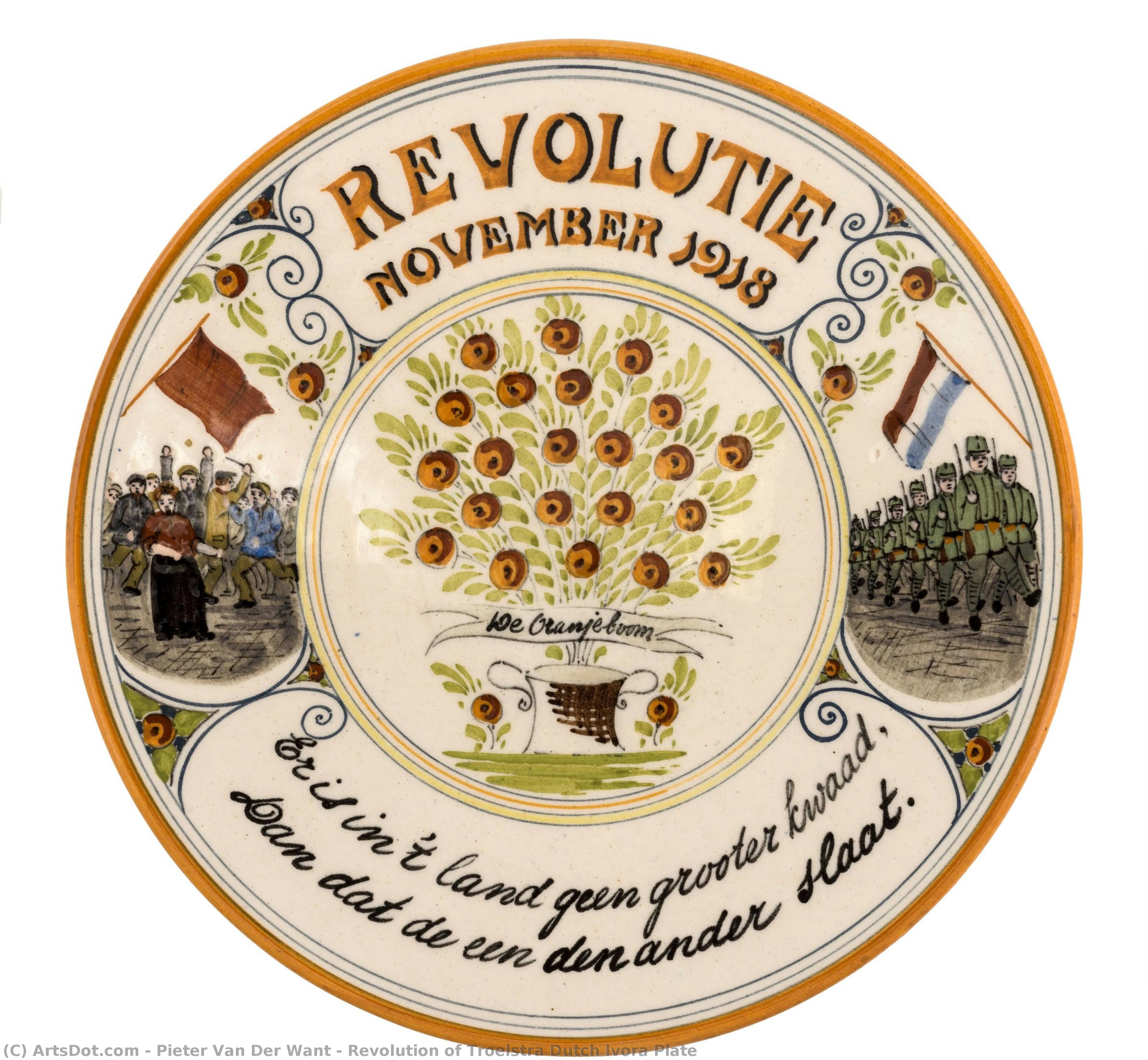
Revolution of Troelstra Dutch Ivora Plate
 Ceramic
- Sculpture
- Decorative Ceramics
 1918
1918- Modern
 23.0 x 2.0 cm
 University of Pretoria Museums
 Читать далее
Приобретите цифровое изображение высокого разрешения в улучшенном качестве, которое значительно превосходит онлайн-превью.
Каждый файл тщательно подготавливается нашими специалистами с использованием передовых инструментов и экспертной ручной ретуши. Мы гарантируем исключительную четкость, точную цветопередачу и детальную проработку каждого изображения.
Финальный файл доставляется по электронной почте в течение 72 часов и оптимизирован для немедленного использования в профессиональной среде, при верстке и печати. Это тот же уровень качества, которому доверяют ведущие дизайнерские студии, издательства и галереи.
Цифровое изображение
Скачайте файл высокого разрешения для личного использования, печати и творческих проектов. ( Перейти к печати Купить картину ручной работы)
Включено в каждый заказ цифровых изображений
Гарантия экспертной цифровой доставки
Выбирая ArtsDot.com, вы получаете не просто изображение — вы приобретаете профессионально обработанное цифровое произведение искусства, созданное с безупречной точностью и под защитой гарантии качества. Вот всё, что автоматически входит в ваш заказ:

Мгновенная доставка по e-mail
Ваш цифровой файл в высоком разрешении будет отправлен вам по электронной почте в течение 72 часов после оформления заказа — и сразу станет доступен для использования.

Цифровой файл с ИИ-улучшением
Ваше произведение искусства проходит профессиональную оптимизацию с использованием передовых инструментов ИИ и ручной обработки, что гарантирует максимальную детализацию, четкость и точность цветопередачи.

Бессрочная бесплатная повторная доставка
Случайно удалили или потеряли файл? Не беспокойтесь — мы отправим его вам повторно в любое время и совершенно бесплатно.

Без импортных пошлин — навсегда
Наслаждайтесь вашим произведением искусства мгновенно без таможенных пошлин, сборов или затрат на доставку — цифровые загрузки всегда не облагаются налогом.

Гарантия точности цветопередачи
Мы гарантируем, что ваше цифровое изображение максимально точно передает оригинальные цвета благодаря использованию профессиональных инструментов и систем управления цветом.

Гарантия удовлетворенности 100 дней
Если вы не будете удовлетворены своим цифровым изображением, мы внесем правки или вернем 100% стоимости в течение 100 дней — без лишних вопросов.

100% Гарантия возврата средств
Не удовлетворены покупкой? Получите полный возврат средств в течение 100 дней после получения цифрового файла — без лишних вопросов.

Скидки на оптовые заказы
Купите 3 изображения, сэкономьте 10% — Купите 5, сэкономьте 15% — Купите 10+, сэкономьте 20%. Отличное решение для творческих проектов, галерей и агентств.
A Ceramic Chronicle of Revolution and Resistance
In the delicate curvature of the Revolution of Troelstra Dutch Ivora Plate, one finds much more than a mere decorative object; it is a frozen moment of political upheaval captured in clay. Created by the masterful Dutch ceramicist Pieter van der Want, this exquisite piece serves as a narrative window into the turbulent days of November 1918 in the Netherlands. The plate commemorates the failed socialist revolution led by P.J. Troelstra in Leeuwarden, an era defined by the tension between radical change and the enduring strength of tradition. As one gazes upon its surface, the viewer is transported to a time of profound social friction, where the whispers of revolution met the steadfast loyalty of the Orange-Nassau monarchy.
The composition is a masterclass in circular storytelling, utilizing a flattened perspective that evokes the charm of 19th-century Dutch folk art while maintaining a sophisticated, illustrative realism. At the heart of this ceramic universe stands a central motif—a symbolic tree that represents both the organic growth of new political ideologies and the deep-rooted stability of the nation. Surrounding this centerpiece is a bustling tapestry of figures, soldiers, and architectural elements, all meticulously rendered to guide the eye in a continuous loop of historical drama. The use of geometric shapes and bold, defining lines creates a rhythmic energy, making the plate feel alive with the movement of the crowds and the weight of the era's political slogans.
Technique, Texture, and Timeless Elegance
The artistry behind this piece lies in the seamless marriage of medium and message. Van der Want utilized hand-painting techniques on a glazed ceramic surface, likely employing underglaze pigments to achieve the intricate details of the figures and the subtle gradations of color within the landscape. The resulting texture is one of soft luster, where the light dances across the glaze to highlight the delicate patterns and the raised rim that frames the historical scene. This interplay of light and shadow lends a sense of depth to an otherwise two-dimensional composition, inviting collectors to examine the fine linework that defines every flag, building, and revolutionary banner.
For the discerning collector or interior designer, this plate offers a profound emotional resonance. It is not merely a piece of history, but a conversation starter that brings a sense of intellectual depth and cultural heritage to any space. Whether displayed as a focal point in a curated gallery or used to add a touch of historical gravity to a sophisticated study, the Revolution of Troelstra Plate radiates an aura of importance. It stands as a testament to the power of decorative arts to preserve the soul of a nation, making it an invaluable acquisition for those who seek art that is as intellectually stimulating as it is visually captivating.
Похожие произведения

Биография художника
**early life and background**
pieter van der want, also known as p van der want, was a dutch ceramic artist born in amsterdam, netherlands in 1935. this enigmatic figure left an indelible mark on the world of ceramics with his unique creations.**artistic contributions and notable works**
* **world war i dutch ivory neutrality plate (1918)**: university of pretoria museums (pretoria, south africa), ceramic. this plate is a testament to van der want's skill in capturing the essence of neutrality during world war i. * **other notable works**:- gray day by eduard karsen (rijksmuseum amsterdam, netherlands), oil on canvas. this piece showcases the influence of van der want's contemporaries.
- king david by aert de gelder (rijksmuseum amsterdam, netherlands), oil on canvas. this work highlights the diverse range of artistic styles during van der want's time.
**artistic style and influences**
van der want's work in ceramics is characterized by intricate designs and delicate patterns, reflecting his dutch heritage. his style, though not widely documented, is a blend of traditional techniques with modern flair.**legacy and passing**
pieter van der want passed away in 2010, leaving behind a legacy in the world of ceramics. his work can be found in various collections, including those at ArtsDot.com, which provides an extensive platform for art enthusiasts to explore his creations.**further exploration and resources**
* for more on van der want's works and similar artists, visit [https://ArtsDot.com/@/pieter-van-der-want](https://ArtsDot.com/@/pieter-van-der-want) * explore the rijksmuseum amsterdam's collection at [https://ArtsDot.com/@@/a@d3blav-the-rijksmuseum-amsterdam-netherlands](https://ArtsDot.com/@@/a@d3blav-the-rijksmuseum-amsterdam-netherlands)- **key dates:** * born in 1935 * passed away in 2010
pieter van der want
1935 - 2010 , Netherlands
Основные сведения
- Artistic Movement Or Style: Ceramics
- Date Of Birth: 1935
- Full Name: Pieter van der Want
- Nationality: Dutch
- Notable Artworks:
- World War I Dutch Ivory Plate
- Gray Day
- King David
- Place Of Birth: Amsterdam, Netherlands