

 Предпросмотр
 Поделиться
 Поделиться
 Детали произведения

 Скачать
 Похожие работы
 Рентгенография
 Слайд-шоу
 Статистика
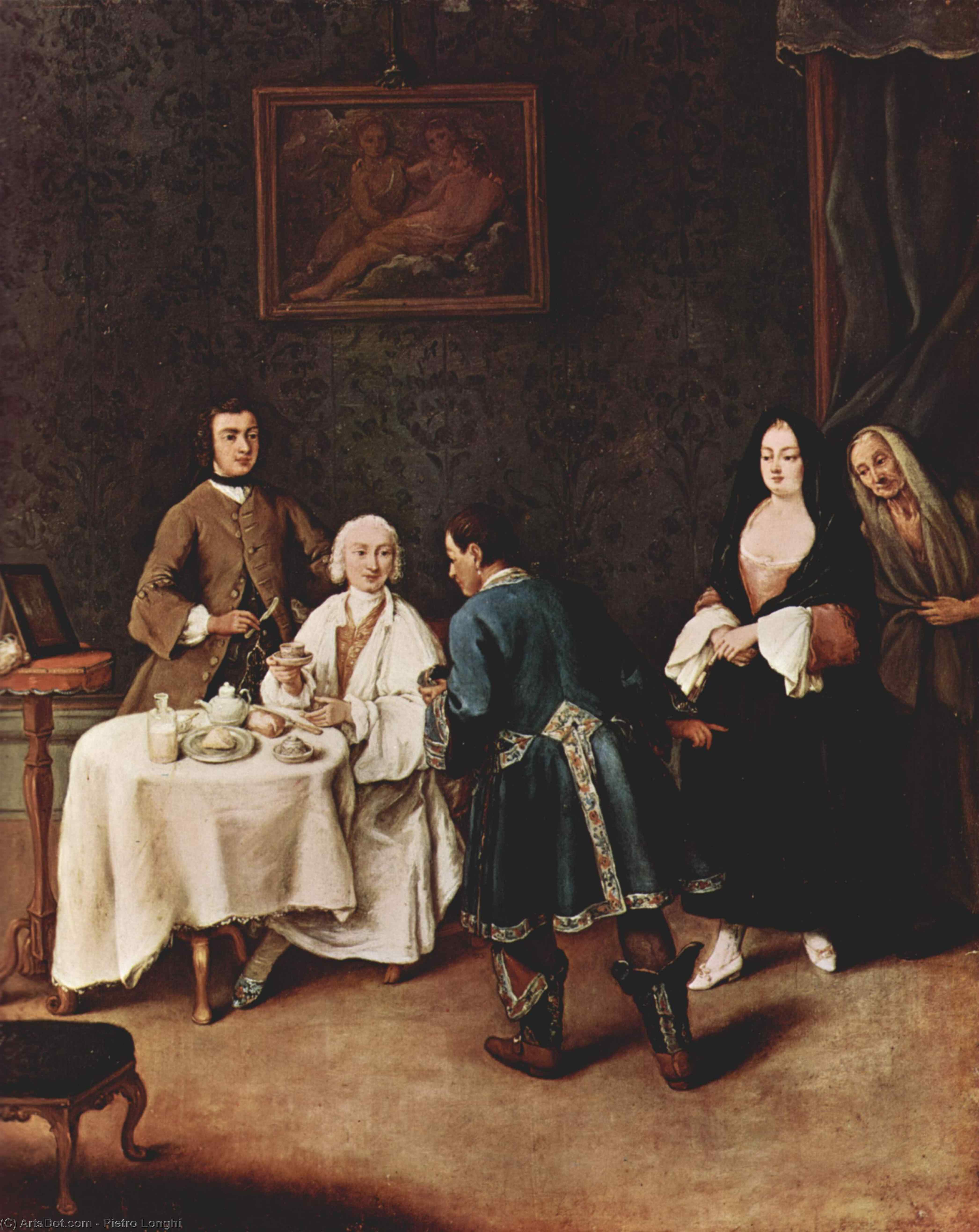
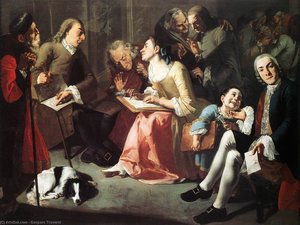
A Visit to a Lord
 Oil
Oil- WallArt
- Rococo
 Early Modern
 49.0 x 60.0 cm
 Читать далее
Масляная репродукция ручной работы
Картина маслом на холсте в выбранном вами размере и раме, написанная на заказ нашими художниками. ( Перейти к печати Перейти к цифровым изображениям)




P118B $10

P118H $10

P118W $10

P438Z $10

P508JH $12

P508YH $12

P805H $10

P805Z $10

P919BZ $10

P919G $10

P919XJ $10

P959ZH $10

P968JZ $12

W106C $8

W218G $10

W218JH $8

W218Y $10

W307PJ $10

W316G $10

W316PJ $8

W316Y $10

W398PJ $8

W4111J $10

W500HY $15

W500JH $15

W692G $12

W849H $8

W940BG $15

W953PJ $8




Выберите один из наших стандартных размеров, соответствующих оригинальным пропорциям произведения искусства.

Вы можете указать собственные размеры, чтобы картина идеально вписалась в выбранную раму или пространство. Если выбранный вами размер не соответствует пропорциям оригинала, мы либо обрежем полотно, либо расширим его за счет дополнительных элементов, написанных вручную. Цифровой макет будет отправлен вам на утверждение перед началом производства.
Обратите внимание, что предварительный просмотр на экране не отражает фактическую обрезку или расширение. Только макет точно покажет окончательную композицию.
Хотя доступны индивидуальные размеры, мы рекомендуем выбирать вариант из предопределенного списка, чтобы сохранить исходные пропорции.
После оформления заказа команда ArtsDot.com свяжется с клиентом по электронной почте для уточнения деталей и предоставит предварительный макет
Доставка по всему миру () за 3–4 недели вместо стандартных 5 недель. (11 Сентябрь). Без компромиссов в качестве.

Бесплатная экспресс-доставка по всему миру

Высококачественный льняной холст

Полное страхование доставки

Гарантия возмещения таможенных пошлин

Гарантия точного соответствия цветов

100-дневная политика возврата (только при обнаружении дефектов)

Гарантия возврата 100% средств

Предложение оптовых скидок
 Вариант со стеклом доступен только для размеров менее 110 см

A Visit to a Lord
Техника репродукции
Размер репродукции
-


Итоговая стоимость
$ 263
An Intimate Glimpse into Venetian Elegance
In the quiet, candlelit corners of eighteenth-century Venice, Pietro Longhi found his true calling not in the grand, sweeping gestures of mythological epics, but in the subtle, whispered dramas of the domestic sphere. A Visit to a Lord serves as a masterful window into this vanished world, inviting the viewer to step across the threshold of an aristocratic drawing room. The scene unfolds with a delicate intimacy, capturing a moment of social ritual where the rustle of silk and the soft murmur of conversation seem almost audible. At the heart of the composition sits an elderly woman, her presence anchoring the room with a sense of seasoned dignity, surrounded by figures whose postures and gazes suggest the complex web of etiquette and social hierarchy that defined the Rococo era.
The painting is a triumph of genre painting, where the mundane is elevated to the level of high art through meticulous observation. Longhi’s technique is characterized by an extraordinary sensitivity to texture and light; one can almost feel the weight of the heavy, dark-toned fabrics and the intricate delicacy of the lace ruffles adorning the guests. The artist employs a sophisticated play of chiaroscuro, allowing the warm glow from a chandelier to dance across polished surfaces and illuminate the expressive faces of his subjects, while leaving the corners of the opulent room in a mysterious, velvety shadow. This interplay of light does more than just define form; it creates an atmosphere of profound stillness, as if time itself has paused to honor this fleeting social encounter.
The Artistry of the Rococo Interior
Beyond its narrative charm, A Visit to a Lord is a masterclass in the aesthetic principles of the Rococo period. The composition is balanced yet fluid, avoiding rigid symmetry to instead embrace the organic flow of human interaction. Longhi utilizes a palette of sophisticated earth tones and muted hues, which lends the work a somber, reflective mood that contrasts beautifully with the inherent opulence of the setting. Every detail—from the ornate painting hanging on the dark, richly decorated wall to the precise arrangement of the dining elements—contributes to a sense of lived-in luxury. For the discerning collector or interior designer, this piece offers more than mere decoration; it provides a focal point of historical depth and textural richness.
The emotional impact of the work lies in its ability to evoke nostalgia for an era of refined grace. There is a poignant tension between the outward display of wealth and the inward, quiet moments of connection or contemplation captured within the group. As a reproduction, this artwork brings a sense of timeless sophistication to any space, whether placed in a contemporary gallery setting or a classic study. It serves as a reminder of the beauty found in the small, unrecorded moments of history, making it an invaluable acquisition for those who appreciate art that tells a story of human connection, elegance, and the enduring allure of the Venetian spirit.
Похожие произведения
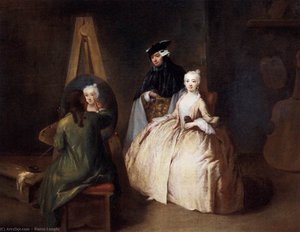
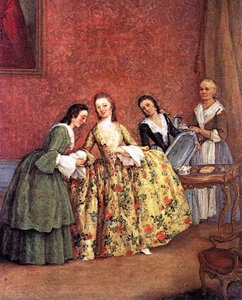
Биография художника
Pietro Longhi – A Venetian Chronicler of Daily Life
Pietro Longhi, born Pietro Falca in Venice on November 5th, 1701, wasn’t painting grand historical narratives or mythological scenes; he was capturing the quiet dramas unfolding within the city's elegant homes and bustling streets. He became renowned for his witty genre paintings – intimate glimpses into the lives of 18th-century Venetians, a departure from the prevailing artistic trends of his time. The son of Alessandro Falca, a silversmith, Longhi’s early training began under the Veronese painter Antonio Balestra, who recognized and nurtured the young artist's talent. This foundation in traditional technique would later serve as a subtle counterpoint to the innovative spirit he brought to his chosen subject matter. He adopted the surname “Longhi” upon beginning his artistic career, a symbolic shedding of his father’s trade for the pursuit of painting.Early Life and Artistic Foundations
Pietro Longhi's formative years were marked by a privileged upbringing within Venice’s artisan community. His father, Alessandro Falca, was a respected silversmith—a profession that instilled in Pietro a meticulous attention to detail and an appreciation for craftsmanship. Recognizing his innate artistic aptitude, Balestra took on the role of mentor, guiding Longhi's initial explorations into painting. Balestra’s influence extended beyond mere instruction; he championed the revival of Venetian painting traditions, emphasizing broken brushwork and vibrant color glazes—techniques that would become hallmarks of Longhi’s distinctive style. Crucially, Longhi apprenticed with Giuseppe Maria Crespi, a Bolognese artist who had established himself as a pioneer in genre painting and whose work celebrated both religious piety and the vibrancy of everyday life. This encounter solidified Longhi's commitment to portraying human experience with honesty and sensitivity—a decision that would define his artistic trajectory.The Shift Towards Genre Painting: A Revolutionary Vision
Around 1737, Pietro Longhi transitioned decisively away from grand historical commissions and embraced the burgeoning fascination of the era for domestic interiors and social interactions. This pivotal moment signaled a radical departure from prevailing artistic conventions—a move toward genre painting that would ultimately establish Longhi as Venice’s foremost interpreter of contemporary life. Unlike many artists of his time who sought to elevate their art through mythological or allegorical narratives, Longhi focused on depicting scenes of daily existence with remarkable accuracy and psychological insight. This decision wasn't merely stylistic; it reflected a profound engagement with the intellectual currents shaping Europe during the Enlightenment—a period characterized by skepticism toward dogma and an interest in observing human behavior as it unfolded naturally. The Venetian artist’s gaze turned inward, capturing not heroic deeds or divine interventions but the subtle nuances of human relationships and the complexities of social customs.Notable Works and Artistic Style
Longhi's oeuvre comprises approximately 150 paintings—a testament to his prolific output and unwavering dedication to his craft. Among his most celebrated works are *The Tailor*, *The Baptism*, *Painter in His Studio*, *Duck Hunters on the Lagoon*, *The Concert*, *The Charlatan* and *Exhibition of a Rhinoceros*. These canvases exemplify Longhi’s signature style—characterized by meticulous brushwork, luminous color palettes, and an uncanny ability to convey atmosphere. He favored small canvases, meticulously rendered with a delicate touch and infused with a profound understanding of light and shadow. His interiors are bathed in soft illumination, creating an illusion of depth and realism—a technique that anticipates later developments in Baroque painting. Longhi’s masterful depiction of textures—the sheen of silk, the roughness of wood, the folds of fabric—further enhanced the immersive quality of his paintings.Legacy and Influence
Pietro Longhi's artistic legacy extends far beyond his individual creations. He profoundly influenced subsequent generations of Venetian painters—particularly William Hogarth, whom he is often compared to for his satirical observations of human behavior and his unflinching portrayal of social realities. Like Hogarth, Longhi eschewed grand historical narratives in favor of intimate scenes of everyday life—a stylistic choice that resonated with audiences eager for a more honest reflection of their own experiences. Furthermore, Longhi served as Director of the Academy of Drawing and Carving from 1763, shaping the artistic education of Venice’s most promising talents. His son, Alessandro Longhi, continued his father's artistic tradition—collaborating on portrait commissions and upholding Longhi’s commitment to meticulous craftsmanship. Pietro Longhi died in Venice on May 8th, 1785, leaving behind a body of work that continues to captivate viewers today—a testament to his enduring contribution to Venetian art history. He remains a vital figure in the artistic landscape of his time, celebrated for his unique blend of observation, wit, and technical skill—a true chronicler of the Enlightenment’s Venetian spirit.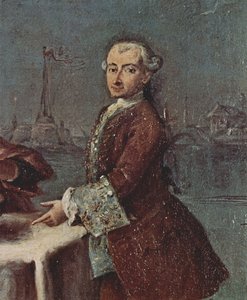
Пьетро Лонги
1701 - 1785 , Италия
Основные сведения
- Artistic Movement Or Style: Венская живопись, Рококо
- Artists Or Movements Influenced By This Artist: ['Уильям Хогар']
- Artists Who Influenced This Artist:
- Антонио Балестра
- Джузеппе Мария Креспи
- Date Of Birth: Ноябрь 5, 1701
- Date Of Death: Май 8, 1785
- Full Name: Pietro Longhi
- Nationality: Итальянский
- Notable Artworks:
- Портрет
- Сцена из жизни
- Интерьер
- Place Of Birth: Венеция, Италия
Похожие статьи

The Rococo Aesthetic: Opulence, Rebellion & the Pursuit of Pleasure in 18th-Century Art
Explore the opulent world of Rococo art! Discover its origins, key artists like Watteau & Boucher, and lasting influence on design. Expert insights for collectors & enthusiasts.
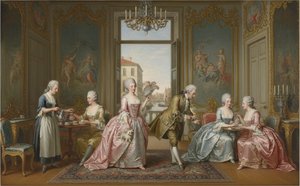
Pietro Longhi's Venetian Scenes: A Study of Rococo Society & Domestic Life
Explore the captivating world of Pietro Longhi's Venetian scenes! Discover insightful analysis of his Rococo masterpieces & social commentary on 18th-century life. Learn about this 'Venetian Hogarth' and his lasting artistic legacy.
The Allure of Elegance in Art: A Historical & Aesthetic Exploration of Refinement & Grace
Explore the exquisite world of Rococo art! Discover its history, masters (Watteau, Boucher & more), and defining elegance. Expert insights for collectors seeking museum-quality reproductions & custom portraits.

Топ-10 шедевров рококо: искусство, изменившее интерьеры | ArtsDot.com
Погрузитесь в мир рококо! Откройте для себя 10 шедевров искусства от Watteau, Boucher и Fragonard. Узнайте историю создания культовых картин и вдохновитесь для декора интерьера. Репродукции высокого качества на ArtsDot.com.
The Rococo Style: Aristocratic Leisure & the Pursuit of Delight in 18th-Century Art
Explore the opulent world of Rococo art! Discover Watteau, Boucher & Nattier's masterpieces. Expert insights for collectors seeking museum-quality reproductions and custom portraits at ArtsDot.