

 Предпросмотр
 Поделиться
 Поделиться
 Детали произведения

 Скачать
 Похожие работы
 Рентгенография
 Слайд-шоу
 Статистика
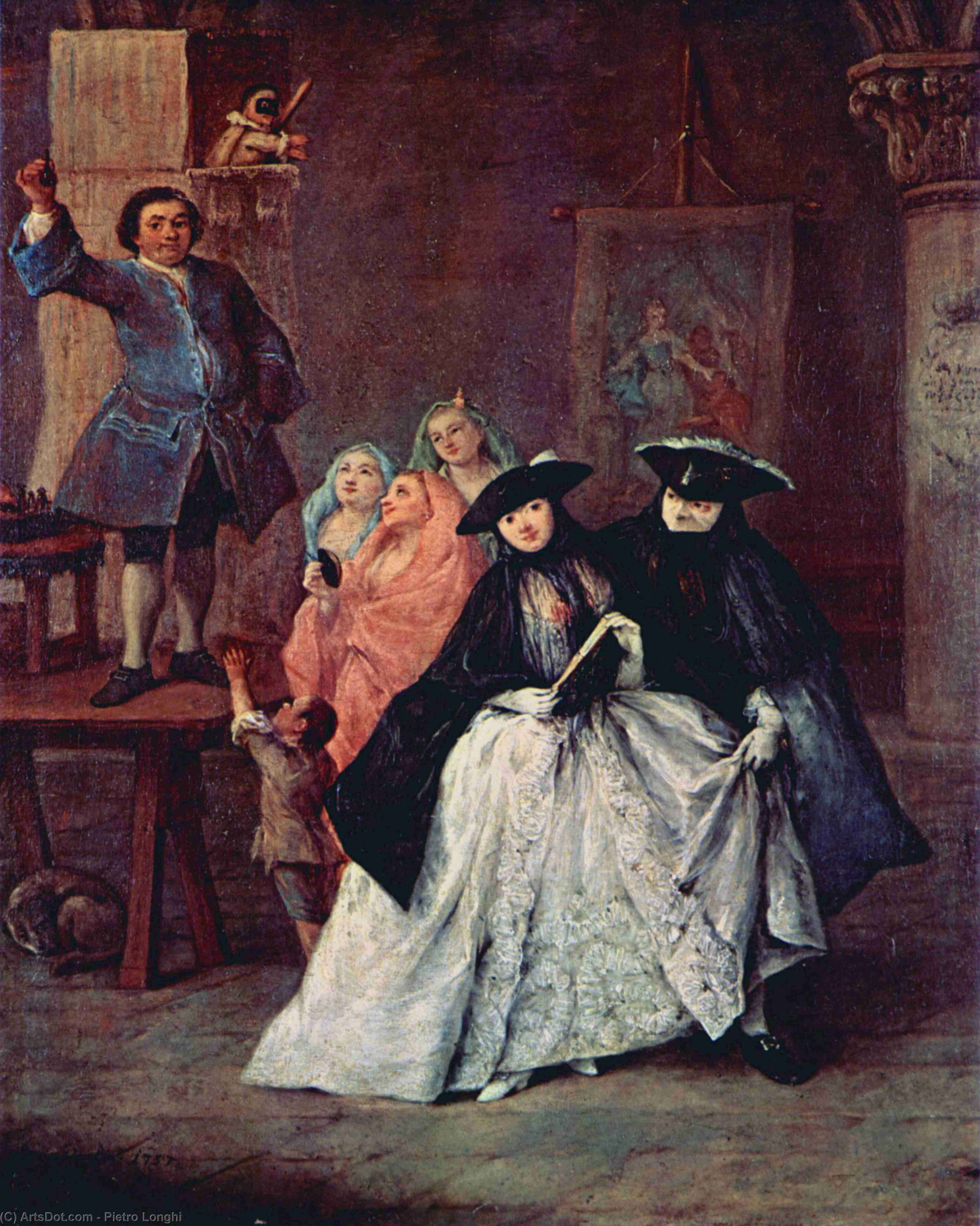
The Charlatan


 Читать далее
Жикле / Арт-принт
Печать (жикле) или холст музейного качества с быстрыми сроками изготовления и широким выбором вариантов отделки. ( Купить картину ручной работы Перейти к цифровым изображениям)




































Выберите один из наших стандартных размеров, соответствующих оригинальным пропорциям произведения искусства.

Вы можете указать свои собственные размеры, чтобы репродукция идеально подошла под конкретную раму или пространство. Если выбранный вами размер не будет соответствовать пропорциям оригинала, мы либо обрежем произведение, либо дополним изображение зеркальным отражением краев или однотонной заливкой. Перед началом производства вам будет отправлен цифровой макет для утверждения.
Пожалуйста, обратите внимание, что предварительный просмотр на экране не отображает фактическую обрезку или расширение изображения. Только макет точно покажет финальную композицию.
Несмотря на возможность заказа индивидуальных размеров, мы рекомендуем выбирать размер из предопределенного списка, чтобы сохранить оригинальные пропорции.
Доставка по всему миру () за 2 недели вместо стандартных 4/5 недель. (11 Сентябрь)

Бесплатная экспресс-доставка по всему миру

Высококачественный льняной холст

Полное страхование доставки

Гарантия возмещения таможенных пошлин

Гарантия точного соответствия цветов

100-дневная политика возврата (только при обнаружении дефектов)

Гарантия возврата 100% средств

Предложение оптовых скидок
 Вариант со стеклом доступен только для размеров менее 110 см

The Charlatan
Жикле / Арт-принт
Размер репродукции
-


Итоговая стоимость
$ 62
Artistic Style and Influence
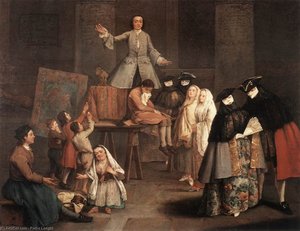
Pietro Longhi's work often depicted everyday scenes from Venice, focusing on the social dynamics of his time. The Charlatan is no exception, as it presents a vivid portrayal of a charlatan performing in front of an audience. The painting's style is characterized by its use of bright colors and detailed rendering of characters, which were hallmarks of the Rococo period.Composition and Characters
The composition of The Charlatan is noteworthy for its balance and harmony. The charlatan, dressed in a flamboyant outfit, stands at the center, drawing attention to himself with his performance. Surrounding him are various onlookers, each with their own distinct expressions and reactions. This arrangement creates a sense of movement and energy within the painting.Historical Context
During the 18th century, charlatans were common figures in Venice, often performing tricks and selling dubious remedies to the public. Longhi's depiction of such a scene provides valuable insight into the social fabric of his time. The painting also reflects the artist's interest in capturing the essence of Venetian life, which was marked by a blend of elegance and everyday activities.Relevance and Legacy
The Charlatan is not only a beautiful piece of art but also a historical document that sheds light on the cultural practices of 18th-century Venice. Pietro Longhi's work continues to fascinate art lovers and historians alike, offering a glimpse into a bygone era.Conclusion
In conclusion, The Charlatan by Pietro Longhi is a significant painting that encapsulates the spirit of Venetian society during the Rococo period. Its detailed composition and historical context make it a valuable piece in the world of art. Handmade oil painting reproductions of Pietro Longhi's works, including The Charlatan, are available at ArtsDot.com.For those interested in exploring more about Italian artists and their contributions to the world of art, visit List of people from Italy on Wikipedia.
Похожие произведения
Биография художника
Pietro Longhi – A Venetian Chronicler of Daily Life
Pietro Longhi, born Pietro Falca in Venice on November 5th, 1701, wasn’t painting grand historical narratives or mythological scenes; he was capturing the quiet dramas unfolding within the city's elegant homes and bustling streets. He became renowned for his witty genre paintings – intimate glimpses into the lives of 18th-century Venetians, a departure from the prevailing artistic trends of his time. The son of Alessandro Falca, a silversmith, Longhi’s early training began under the Veronese painter Antonio Balestra, who recognized and nurtured the young artist's talent. This foundation in traditional technique would later serve as a subtle counterpoint to the innovative spirit he brought to his chosen subject matter. He adopted the surname “Longhi” upon beginning his artistic career, a symbolic shedding of his father’s trade for the pursuit of painting.Early Life and Artistic Foundations
Pietro Longhi's formative years were marked by a privileged upbringing within Venice’s artisan community. His father, Alessandro Falca, was a respected silversmith—a profession that instilled in Pietro a meticulous attention to detail and an appreciation for craftsmanship. Recognizing his innate artistic aptitude, Balestra took on the role of mentor, guiding Longhi's initial explorations into painting. Balestra’s influence extended beyond mere instruction; he championed the revival of Venetian painting traditions, emphasizing broken brushwork and vibrant color glazes—techniques that would become hallmarks of Longhi’s distinctive style. Crucially, Longhi apprenticed with Giuseppe Maria Crespi, a Bolognese artist who had established himself as a pioneer in genre painting and whose work celebrated both religious piety and the vibrancy of everyday life. This encounter solidified Longhi's commitment to portraying human experience with honesty and sensitivity—a decision that would define his artistic trajectory.The Shift Towards Genre Painting: A Revolutionary Vision
Around 1737, Pietro Longhi transitioned decisively away from grand historical commissions and embraced the burgeoning fascination of the era for domestic interiors and social interactions. This pivotal moment signaled a radical departure from prevailing artistic conventions—a move toward genre painting that would ultimately establish Longhi as Venice’s foremost interpreter of contemporary life. Unlike many artists of his time who sought to elevate their art through mythological or allegorical narratives, Longhi focused on depicting scenes of daily existence with remarkable accuracy and psychological insight. This decision wasn't merely stylistic; it reflected a profound engagement with the intellectual currents shaping Europe during the Enlightenment—a period characterized by skepticism toward dogma and an interest in observing human behavior as it unfolded naturally. The Venetian artist’s gaze turned inward, capturing not heroic deeds or divine interventions but the subtle nuances of human relationships and the complexities of social customs.Notable Works and Artistic Style
Longhi's oeuvre comprises approximately 150 paintings—a testament to his prolific output and unwavering dedication to his craft. Among his most celebrated works are *The Tailor*, *The Baptism*, *Painter in His Studio*, *Duck Hunters on the Lagoon*, *The Concert*, *The Charlatan* and *Exhibition of a Rhinoceros*. These canvases exemplify Longhi’s signature style—characterized by meticulous brushwork, luminous color palettes, and an uncanny ability to convey atmosphere. He favored small canvases, meticulously rendered with a delicate touch and infused with a profound understanding of light and shadow. His interiors are bathed in soft illumination, creating an illusion of depth and realism—a technique that anticipates later developments in Baroque painting. Longhi’s masterful depiction of textures—the sheen of silk, the roughness of wood, the folds of fabric—further enhanced the immersive quality of his paintings.Legacy and Influence
Pietro Longhi's artistic legacy extends far beyond his individual creations. He profoundly influenced subsequent generations of Venetian painters—particularly William Hogarth, whom he is often compared to for his satirical observations of human behavior and his unflinching portrayal of social realities. Like Hogarth, Longhi eschewed grand historical narratives in favor of intimate scenes of everyday life—a stylistic choice that resonated with audiences eager for a more honest reflection of their own experiences. Furthermore, Longhi served as Director of the Academy of Drawing and Carving from 1763, shaping the artistic education of Venice’s most promising talents. His son, Alessandro Longhi, continued his father's artistic tradition—collaborating on portrait commissions and upholding Longhi’s commitment to meticulous craftsmanship. Pietro Longhi died in Venice on May 8th, 1785, leaving behind a body of work that continues to captivate viewers today—a testament to his enduring contribution to Venetian art history. He remains a vital figure in the artistic landscape of his time, celebrated for his unique blend of observation, wit, and technical skill—a true chronicler of the Enlightenment’s Venetian spirit.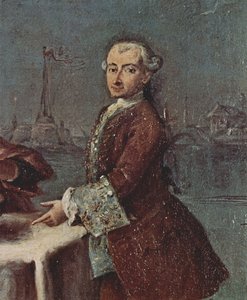
Пьетро Лонги
1701 - 1785 , Италия
Основные сведения
- Artistic Movement Or Style: Венская живопись, Рококо
- Artists Or Movements Influenced By This Artist: ['Уильям Хогар']
- Artists Who Influenced This Artist:
- Антонио Балестра
- Джузеппе Мария Креспи
- Date Of Birth: Ноябрь 5, 1701
- Date Of Death: Май 8, 1785
- Full Name: Pietro Longhi
- Nationality: Итальянский
- Notable Artworks:
- Портрет
- Сцена из жизни
- Интерьер
- Place Of Birth: Венеция, Италия