

 Предпросмотр
 Поделиться
 Поделиться
 Детали произведения

 Скачать
 Похожие работы
 Рентгенография
 Слайд-шоу
 Статистика
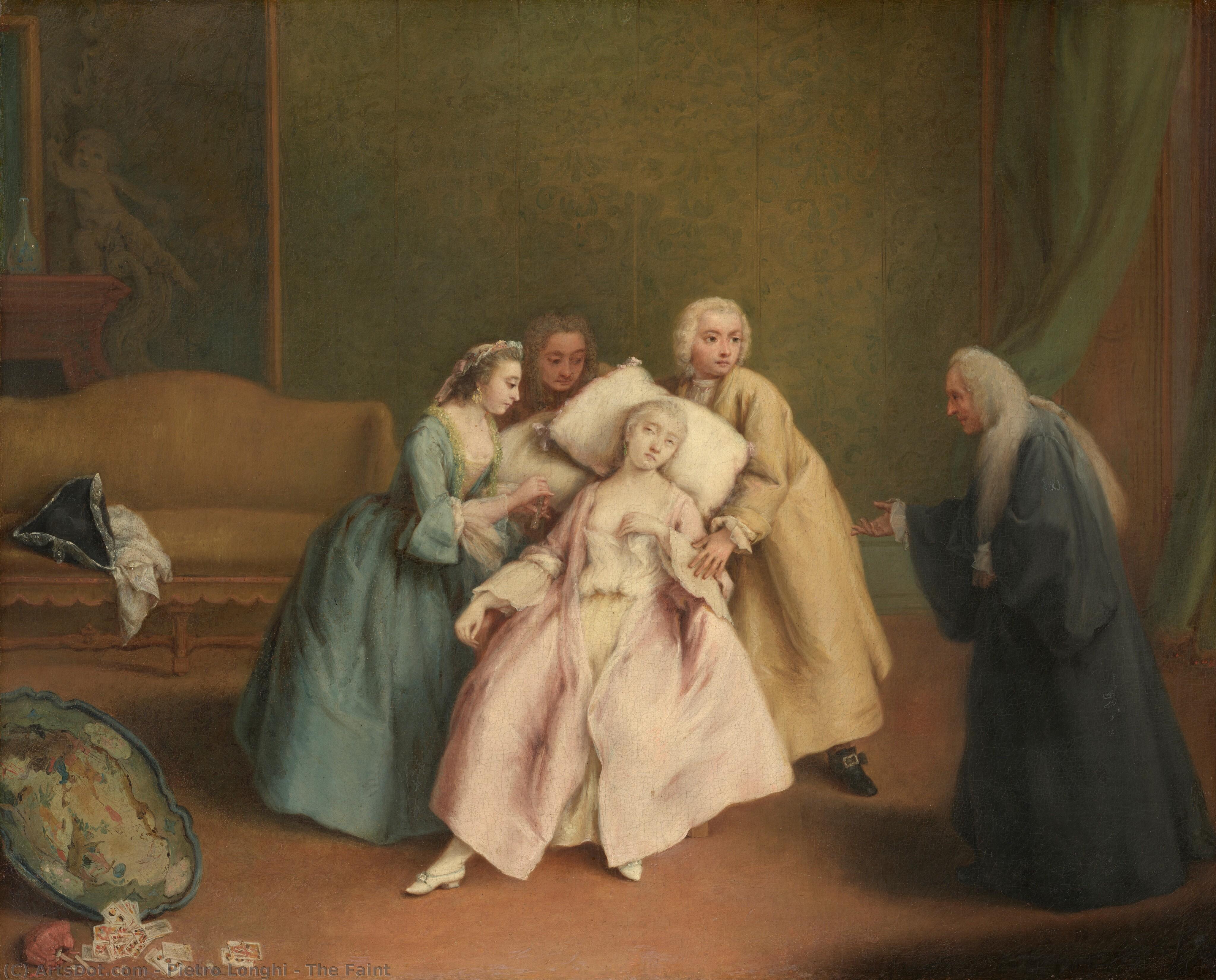
The Faint
 Oil
Oil- WallArt
- Rococo
 1744
1744- Early Modern
 50.0 x 62.0 cm
 Читать далее
Жикле / Арт-принт
Печать (жикле) или холст музейного качества с быстрыми сроками изготовления и широким выбором вариантов отделки. ( Купить картину ручной работы Перейти к цифровым изображениям)




P118B $10

P118H $10

P118W $10

P438Z $10

P508JH $12

P508YH $12

P805H $10

P805Z $10

P919BZ $10

P919G $10

P919XJ $10

P959ZH $10

P968JZ $12

W106C $8

W218G $10

W218JH $8

W218Y $10

W307PJ $10

W316G $10

W316PJ $8

W316Y $10

W398PJ $8

W4111J $10

W500HY $15

W500JH $15

W692G $12

W849H $8

W940BG $15

W953PJ $8




Выберите один из наших стандартных размеров, соответствующих оригинальным пропорциям произведения искусства.

Вы можете указать свои собственные размеры, чтобы репродукция идеально подошла под конкретную раму или пространство. Если выбранный вами размер не будет соответствовать пропорциям оригинала, мы либо обрежем произведение, либо дополним изображение зеркальным отражением краев или однотонной заливкой. Перед началом производства вам будет отправлен цифровой макет для утверждения.
Пожалуйста, обратите внимание, что предварительный просмотр на экране не отображает фактическую обрезку или расширение изображения. Только макет точно покажет финальную композицию.
Несмотря на возможность заказа индивидуальных размеров, мы рекомендуем выбирать размер из предопределенного списка, чтобы сохранить оригинальные пропорции.
Доставка по всему миру () за 2 недели вместо стандартных 4/5 недель. (13 Сентябрь)

Бесплатная экспресс-доставка по всему миру

Высококачественный льняной холст

Полное страхование доставки

Гарантия возмещения таможенных пошлин

Гарантия точного соответствия цветов

100-дневная политика возврата (только при обнаружении дефектов)

Гарантия возврата 100% средств

Предложение оптовых скидок
 Вариант со стеклом доступен только для размеров менее 110 см

The Faint
Жикле / Арт-принт
Размер репродукции
-


Итоговая стоимость
$ 62
A Moment Frozen in Venetian Elegance
In the quiet, intimate corners of 18th-century Venice, Pietro Longhi captured the subtle tremors of human emotion that grand historical canvases often overlooked. His masterpiece, The Faint, serves as a breathtaking window into a private domestic drama, inviting the viewer to witness a moment of profound vulnerability. The scene unfolds within a room draped in rich, avocado-green tones, where the air seems thick with the tension of a sudden medical or emotional crisis. At the heart of this composition lies a young woman, strikingly pale and seemingly adrift in a state of swooning, her body supported by a small, devoted circle of companions. The painting does not merely depict a scene; it captures a breath held in anticipation, making it an irresistible centerpiece for any collection focused on narrative depth and period charm.
The technical mastery of Longhi is evident in the way he orchestrates light and texture to guide the eye through this delicate tableau. The artist employs a sophisticated palette where the soft, pastel pink of the woman’s gown contrasts beautifully against the deep, mossy greens of the floral wallpaper. One can almost feel the weight of the voluminous satin fabrics—the teal-blue sheen of the attendant's gown and the heavy, golden drapery of the men's robes. Longhi’s brushwork is meticulous yet fluid, particularly in the rendering of the lace ruffles at the sleeves and the delicate pink ribbons adorning the white pillow. For the discerning interior designer, these intricate textures offer a sense of luxury and classical sophistication that complements both traditional and contemporary decor.
The Art of the Intimate Observer
Beyond its aesthetic beauty, The Faint is a profound study in social dynamics and the silent language of gestures. Longhi, often referred to as a chronicler of Venetian daily life, uses this composition to explore themes of care, concern, and the voyeuristic nature of high society. The figures surrounding the central subject are positioned with a theatrical grace; an older man gestures toward the woman with a sense of urgent inquiry, while another man braces her body, his blond curls catching the light. The presence of a glass vial held by a woman in profile suggests a medicinal intervention, adding a layer of realism and narrative suspense to the work. Every gaze, from the heavy-lidded eyes of the fainting woman to the watchful eyes of her attendants, contributes to a complex web of emotional interconnectedness.
For collectors seeking more than just decoration, this painting offers a rich historical dialogue. It represents a departure from the era's obsession with mythological grandeur, opting instead for the "genre" style—the depiction of everyday life. This shift allows the artwork to resonate on a deeply human level, making it an emotionally impactful piece that sparks conversation. Whether placed in a sunlit gallery or a moody, library-style study, a high-quality reproduction of this work brings with it the spirit of the Venetian Enlightenment, offering a timeless elegance that transcends the centuries and continues to enchant the modern eye.
Похожие произведения
Биография художника
Pietro Longhi – A Venetian Chronicler of Daily Life
Pietro Longhi, born Pietro Falca in Venice on November 5th, 1701, wasn’t painting grand historical narratives or mythological scenes; he was capturing the quiet dramas unfolding within the city's elegant homes and bustling streets. He became renowned for his witty genre paintings – intimate glimpses into the lives of 18th-century Venetians, a departure from the prevailing artistic trends of his time. The son of Alessandro Falca, a silversmith, Longhi’s early training began under the Veronese painter Antonio Balestra, who recognized and nurtured the young artist's talent. This foundation in traditional technique would later serve as a subtle counterpoint to the innovative spirit he brought to his chosen subject matter. He adopted the surname “Longhi” upon beginning his artistic career, a symbolic shedding of his father’s trade for the pursuit of painting.Early Life and Artistic Foundations
Pietro Longhi's formative years were marked by a privileged upbringing within Venice’s artisan community. His father, Alessandro Falca, was a respected silversmith—a profession that instilled in Pietro a meticulous attention to detail and an appreciation for craftsmanship. Recognizing his innate artistic aptitude, Balestra took on the role of mentor, guiding Longhi's initial explorations into painting. Balestra’s influence extended beyond mere instruction; he championed the revival of Venetian painting traditions, emphasizing broken brushwork and vibrant color glazes—techniques that would become hallmarks of Longhi’s distinctive style. Crucially, Longhi apprenticed with Giuseppe Maria Crespi, a Bolognese artist who had established himself as a pioneer in genre painting and whose work celebrated both religious piety and the vibrancy of everyday life. This encounter solidified Longhi's commitment to portraying human experience with honesty and sensitivity—a decision that would define his artistic trajectory.The Shift Towards Genre Painting: A Revolutionary Vision
Around 1737, Pietro Longhi transitioned decisively away from grand historical commissions and embraced the burgeoning fascination of the era for domestic interiors and social interactions. This pivotal moment signaled a radical departure from prevailing artistic conventions—a move toward genre painting that would ultimately establish Longhi as Venice’s foremost interpreter of contemporary life. Unlike many artists of his time who sought to elevate their art through mythological or allegorical narratives, Longhi focused on depicting scenes of daily existence with remarkable accuracy and psychological insight. This decision wasn't merely stylistic; it reflected a profound engagement with the intellectual currents shaping Europe during the Enlightenment—a period characterized by skepticism toward dogma and an interest in observing human behavior as it unfolded naturally. The Venetian artist’s gaze turned inward, capturing not heroic deeds or divine interventions but the subtle nuances of human relationships and the complexities of social customs.Notable Works and Artistic Style
Longhi's oeuvre comprises approximately 150 paintings—a testament to his prolific output and unwavering dedication to his craft. Among his most celebrated works are *The Tailor*, *The Baptism*, *Painter in His Studio*, *Duck Hunters on the Lagoon*, *The Concert*, *The Charlatan* and *Exhibition of a Rhinoceros*. These canvases exemplify Longhi’s signature style—characterized by meticulous brushwork, luminous color palettes, and an uncanny ability to convey atmosphere. He favored small canvases, meticulously rendered with a delicate touch and infused with a profound understanding of light and shadow. His interiors are bathed in soft illumination, creating an illusion of depth and realism—a technique that anticipates later developments in Baroque painting. Longhi’s masterful depiction of textures—the sheen of silk, the roughness of wood, the folds of fabric—further enhanced the immersive quality of his paintings.Legacy and Influence
Pietro Longhi's artistic legacy extends far beyond his individual creations. He profoundly influenced subsequent generations of Venetian painters—particularly William Hogarth, whom he is often compared to for his satirical observations of human behavior and his unflinching portrayal of social realities. Like Hogarth, Longhi eschewed grand historical narratives in favor of intimate scenes of everyday life—a stylistic choice that resonated with audiences eager for a more honest reflection of their own experiences. Furthermore, Longhi served as Director of the Academy of Drawing and Carving from 1763, shaping the artistic education of Venice’s most promising talents. His son, Alessandro Longhi, continued his father's artistic tradition—collaborating on portrait commissions and upholding Longhi’s commitment to meticulous craftsmanship. Pietro Longhi died in Venice on May 8th, 1785, leaving behind a body of work that continues to captivate viewers today—a testament to his enduring contribution to Venetian art history. He remains a vital figure in the artistic landscape of his time, celebrated for his unique blend of observation, wit, and technical skill—a true chronicler of the Enlightenment’s Venetian spirit.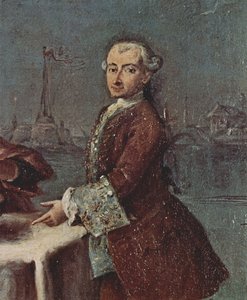
Пьетро Лонги
1701 - 1785 , Италия
Основные сведения
- Artistic Movement Or Style: Венская живопись, Рококо
- Artists Or Movements Influenced By This Artist: ['Уильям Хогар']
- Artists Who Influenced This Artist:
- Антонио Балестра
- Джузеппе Мария Креспи
- Date Of Birth: Ноябрь 5, 1701
- Date Of Death: Май 8, 1785
- Full Name: Pietro Longhi
- Nationality: Итальянский
- Notable Artworks:
- Портрет
- Сцена из жизни
- Интерьер
- Place Of Birth: Венеция, Италия
Похожие статьи

Топ-10 знаменитых картин, где доминирует кадмийский зеленый цвет | ArtsDot.com
Погрузитесь в мир кадмийского зеленого! Топ-10 знаменитых картин Моне, Ван Гога и других мастеров. Узнайте историю искусства, значение цвета и вдохновитесь для интерьера. Репродукции высокого качества на ArtsDot.com.
Хромированный изумруд: 10 шедевров живописи в зеленых тонах | ArtsDot
Погрузитесь в мир хромированного изумруда! 10 знаменитых картин Моне, Ван Гога и других великих художников. Узнайте историю шедевров импрессионизма и постимпрессионизма, вдохновитесь зелеными тонами для вашего интерьера. Купите репродукции высокого качества на ArtsDot.com
Топ-10 знаменитых картин в оттенках морской волны: искусство для вашего интерьера
Погрузитесь в мир искусства с 10 знаменитыми картинами в оттенках морской волны! Узнайте истории Моне, Ренуара и других великих мастеров. Вдохновение для интерьера и репродукции музейного качества на ArtsDot.com.
Verdant Visions: Exploring the Symbolism & Aesthetic Impact of Green in Art History
Explore the rich history & symbolism of green in art! Discover iconic paintings, techniques, and how to bring verdant harmony into your home with ArtsDot's expert guide.

Топ-25 шедевров Тинторетто: Венецианская драма и свет в вашем интерьере
Погрузитесь в мир драматизма и света с 25 шедеврами Тинторетто! Узнайте историю создания легендарных картин эпохи Возрождения. Репродукции высокого качества для вашего интерьера на ArtsDot.com.