

 Предпросмотр
 Поделиться
 Поделиться
 Детали произведения

 Скачать
 Похожие работы
 Рентгенография
 Слайд-шоу
 Статистика
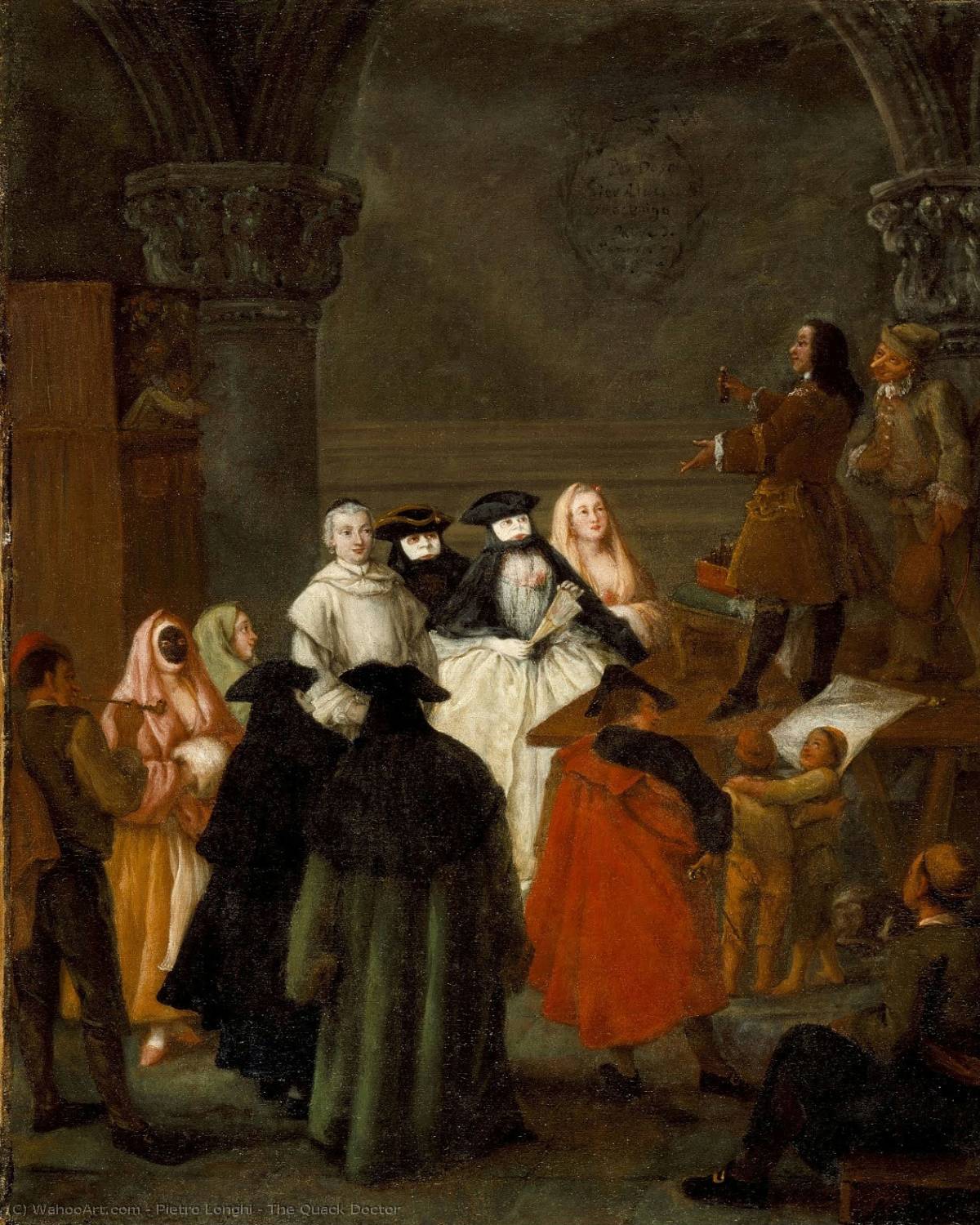
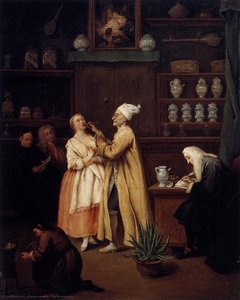
The Quack Doctor
 Acrylic On Canvas
- WallArt
- Venetian Rococo
 1763
1763 61.0 x 49.0 cm
 Лос-Анджелесский музей округа Лос-Анджелеса
 Читать далее
Приобретите цифровое изображение высокого разрешения в улучшенном качестве, которое значительно превосходит онлайн-превью.
Каждый файл тщательно подготавливается нашими специалистами с использованием передовых инструментов и экспертной ручной ретуши. Мы гарантируем исключительную четкость, точную цветопередачу и детальную проработку каждого изображения.
Финальный файл доставляется по электронной почте в течение 72 часов и оптимизирован для немедленного использования в профессиональной среде, при верстке и печати. Это тот же уровень качества, которому доверяют ведущие дизайнерские студии, издательства и галереи.
Цифровое изображение
Скачайте файл высокого разрешения для личного использования, печати и творческих проектов. ( Перейти к печати Купить картину ручной работы)
Включено в каждый заказ цифровых изображений
Гарантия экспертной цифровой доставки
Выбирая ArtsDot.com, вы получаете не просто изображение — вы приобретаете профессионально обработанное цифровое произведение искусства, созданное с безупречной точностью и под защитой гарантии качества. Вот всё, что автоматически входит в ваш заказ:

Мгновенная доставка по e-mail
Ваш цифровой файл в высоком разрешении будет отправлен вам по электронной почте в течение 72 часов после оформления заказа — и сразу станет доступен для использования.

Цифровой файл с ИИ-улучшением
Ваше произведение искусства проходит профессиональную оптимизацию с использованием передовых инструментов ИИ и ручной обработки, что гарантирует максимальную детализацию, четкость и точность цветопередачи.

Бессрочная бесплатная повторная доставка
Случайно удалили или потеряли файл? Не беспокойтесь — мы отправим его вам повторно в любое время и совершенно бесплатно.

Без импортных пошлин — навсегда
Наслаждайтесь вашим произведением искусства мгновенно без таможенных пошлин, сборов или затрат на доставку — цифровые загрузки всегда не облагаются налогом.

Гарантия точности цветопередачи
Мы гарантируем, что ваше цифровое изображение максимально точно передает оригинальные цвета благодаря использованию профессиональных инструментов и систем управления цветом.

Гарантия удовлетворенности 100 дней
Если вы не будете удовлетворены своим цифровым изображением, мы внесем правки или вернем 100% стоимости в течение 100 дней — без лишних вопросов.

100% Гарантия возврата средств
Не удовлетворены покупкой? Получите полный возврат средств в течение 100 дней после получения цифрового файла — без лишних вопросов.

Скидки на оптовые заказы
Купите 3 изображения, сэкономьте 10% — Купите 5, сэкономьте 15% — Купите 10+, сэкономьте 20%. Отличное решение для творческих проектов, галерей и агентств.
Introduction
Pietro Longhi was an Italian painter born in Venice in 1701. He is known for his genre paintings, which depict scenes of everyday life in 18th-century Venice. One of his most famous works is "The Quack Doctor," a painting that offers a fascinating glimpse into the world of quackery and medicine during this time period.Historical Context
During the 18th century, Venice was a hub of medical innovation and experimentation. However, it was also a time when quackery flourished, with charlatans and frauds taking advantage of people's desperation for cures and treatments. "The Quack Doctor" is a powerful commentary on this phenomenon, highlighting the dangers and absurdity of relying on unproven remedies and false promises.Composition and Symbolism
In "The Quack Doctor," Longhi depicts a scene in which a charlatan is selling his wares to a group of eager customers. The quack doctor is dressed in elaborate robes, with a large feathered hat and a long pipe, symbols of his supposed authority and expertise. He holds up a bottle of medicine, promising it will cure all manner of ailments and diseases. The customers are depicted as gullible and eager, clutching their money and reaching out for the quack's wares. One woman is shown holding her baby, who appears to be sick or in pain. The quack doctor's assistant looks on with a sly smile, suggesting that he knows the true value of the remedies being sold.Interpretation and Significance
"The Quack Doctor" is a powerful critique of the medical practices and beliefs of 18th-century Venice. It highlights the dangers of relying on unproven remedies and false promises, and the importance of seeking out qualified and reputable medical professionals. The painting also serves as a reminder of the power of persuasion and the human tendency to believe what we want to believe, even in the face of evidence to the contrary.Conclusion
Pietro Longhi's "The Quack Doctor" is a fascinating and thought-provoking work of art that offers valuable insights into the world of 18th-century medicine and quackery. It is a powerful reminder of the importance of critical thinking, skepticism, and scientific literacy in our own lives, and serves as a cautionary tale for those who would seek to exploit the fears and vulnerabilities of others.Recommended Reproductions
If you are interested in adding "The Quack Doctor" to your art collection, consider purchasing a hand-made oil painting reproduction from ArtsDot. Our skilled artists use high-quality materials and techniques to create stunningly accurate reproductions that capture the beauty and detail of the original work. Browse our selection of Pietro Longhi paintings today and find the perfect addition to your home or office. Pietro Longhi: The Quack Doctor (61 x 49 cm, Los Angeles County Museum of Art (Los Angeles, United States), Oil On Canvas) Jin Nong | Born in 1687 in Hangzhou, Jin Nong (金農) became popular as a painter and calligrapher while living as a childless widower in Yangzhou in his sixties. Heralded as one of The Eight Eccentrics of Yangzhou, Jin favored the amateur scholar style. A nonconformist, he generally painted more tra... The Museum British Council Collection (London, United Kingdom) Introduction The British Council Collection is a renowned art museum located in London, United Kingdom. It is operated by Dublin City Council and its subsidiary, the Hugh Lane Gallery Trust. The museum is housed in Charlemont House, which was built in 1763 on Parnell Square, Dublin, IreПохожие произведения

Биография художника
Pietro Longhi – A Venetian Chronicler of Daily Life
Pietro Longhi, born Pietro Falca in Venice on November 5th, 1701, wasn’t painting grand historical narratives or mythological scenes; he was capturing the quiet dramas unfolding within the city's elegant homes and bustling streets. He became renowned for his witty genre paintings – intimate glimpses into the lives of 18th-century Venetians, a departure from the prevailing artistic trends of his time. The son of Alessandro Falca, a silversmith, Longhi’s early training began under the Veronese painter Antonio Balestra, who recognized and nurtured the young artist's talent. This foundation in traditional technique would later serve as a subtle counterpoint to the innovative spirit he brought to his chosen subject matter. He adopted the surname “Longhi” upon beginning his artistic career, a symbolic shedding of his father’s trade for the pursuit of painting.Early Life and Artistic Foundations
Pietro Longhi's formative years were marked by a privileged upbringing within Venice’s artisan community. His father, Alessandro Falca, was a respected silversmith—a profession that instilled in Pietro a meticulous attention to detail and an appreciation for craftsmanship. Recognizing his innate artistic aptitude, Balestra took on the role of mentor, guiding Longhi's initial explorations into painting. Balestra’s influence extended beyond mere instruction; he championed the revival of Venetian painting traditions, emphasizing broken brushwork and vibrant color glazes—techniques that would become hallmarks of Longhi’s distinctive style. Crucially, Longhi apprenticed with Giuseppe Maria Crespi, a Bolognese artist who had established himself as a pioneer in genre painting and whose work celebrated both religious piety and the vibrancy of everyday life. This encounter solidified Longhi's commitment to portraying human experience with honesty and sensitivity—a decision that would define his artistic trajectory.The Shift Towards Genre Painting: A Revolutionary Vision
Around 1737, Pietro Longhi transitioned decisively away from grand historical commissions and embraced the burgeoning fascination of the era for domestic interiors and social interactions. This pivotal moment signaled a radical departure from prevailing artistic conventions—a move toward genre painting that would ultimately establish Longhi as Venice’s foremost interpreter of contemporary life. Unlike many artists of his time who sought to elevate their art through mythological or allegorical narratives, Longhi focused on depicting scenes of daily existence with remarkable accuracy and psychological insight. This decision wasn't merely stylistic; it reflected a profound engagement with the intellectual currents shaping Europe during the Enlightenment—a period characterized by skepticism toward dogma and an interest in observing human behavior as it unfolded naturally. The Venetian artist’s gaze turned inward, capturing not heroic deeds or divine interventions but the subtle nuances of human relationships and the complexities of social customs.Notable Works and Artistic Style
Longhi's oeuvre comprises approximately 150 paintings—a testament to his prolific output and unwavering dedication to his craft. Among his most celebrated works are *The Tailor*, *The Baptism*, *Painter in His Studio*, *Duck Hunters on the Lagoon*, *The Concert*, *The Charlatan* and *Exhibition of a Rhinoceros*. These canvases exemplify Longhi’s signature style—characterized by meticulous brushwork, luminous color palettes, and an uncanny ability to convey atmosphere. He favored small canvases, meticulously rendered with a delicate touch and infused with a profound understanding of light and shadow. His interiors are bathed in soft illumination, creating an illusion of depth and realism—a technique that anticipates later developments in Baroque painting. Longhi’s masterful depiction of textures—the sheen of silk, the roughness of wood, the folds of fabric—further enhanced the immersive quality of his paintings.Legacy and Influence
Pietro Longhi's artistic legacy extends far beyond his individual creations. He profoundly influenced subsequent generations of Venetian painters—particularly William Hogarth, whom he is often compared to for his satirical observations of human behavior and his unflinching portrayal of social realities. Like Hogarth, Longhi eschewed grand historical narratives in favor of intimate scenes of everyday life—a stylistic choice that resonated with audiences eager for a more honest reflection of their own experiences. Furthermore, Longhi served as Director of the Academy of Drawing and Carving from 1763, shaping the artistic education of Venice’s most promising talents. His son, Alessandro Longhi, continued his father's artistic tradition—collaborating on portrait commissions and upholding Longhi’s commitment to meticulous craftsmanship. Pietro Longhi died in Venice on May 8th, 1785, leaving behind a body of work that continues to captivate viewers today—a testament to his enduring contribution to Venetian art history. He remains a vital figure in the artistic landscape of his time, celebrated for his unique blend of observation, wit, and technical skill—a true chronicler of the Enlightenment’s Venetian spirit.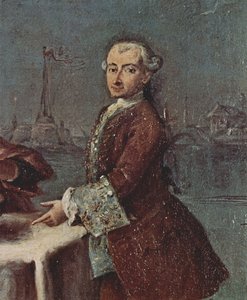
Пьетро Лонги
1701 - 1785 , Италия
Основные сведения
- Artistic Movement Or Style: Венская живопись, Рококо
- Artists Or Movements Influenced By This Artist: ['Уильям Хогар']
- Artists Who Influenced This Artist:
- Антонио Балестра
- Джузеппе Мария Креспи
- Date Of Birth: Ноябрь 5, 1701
- Date Of Death: Май 8, 1785
- Full Name: Pietro Longhi
- Nationality: Итальянский
- Notable Artworks:
- Портрет
- Сцена из жизни
- Интерьер
- Place Of Birth: Венеция, Италия