

 Предпросмотр
 Поделиться
 Поделиться
 Детали произведения

 Скачать
 Похожие работы
 Рентгенография
 Слайд-шоу
 Статистика
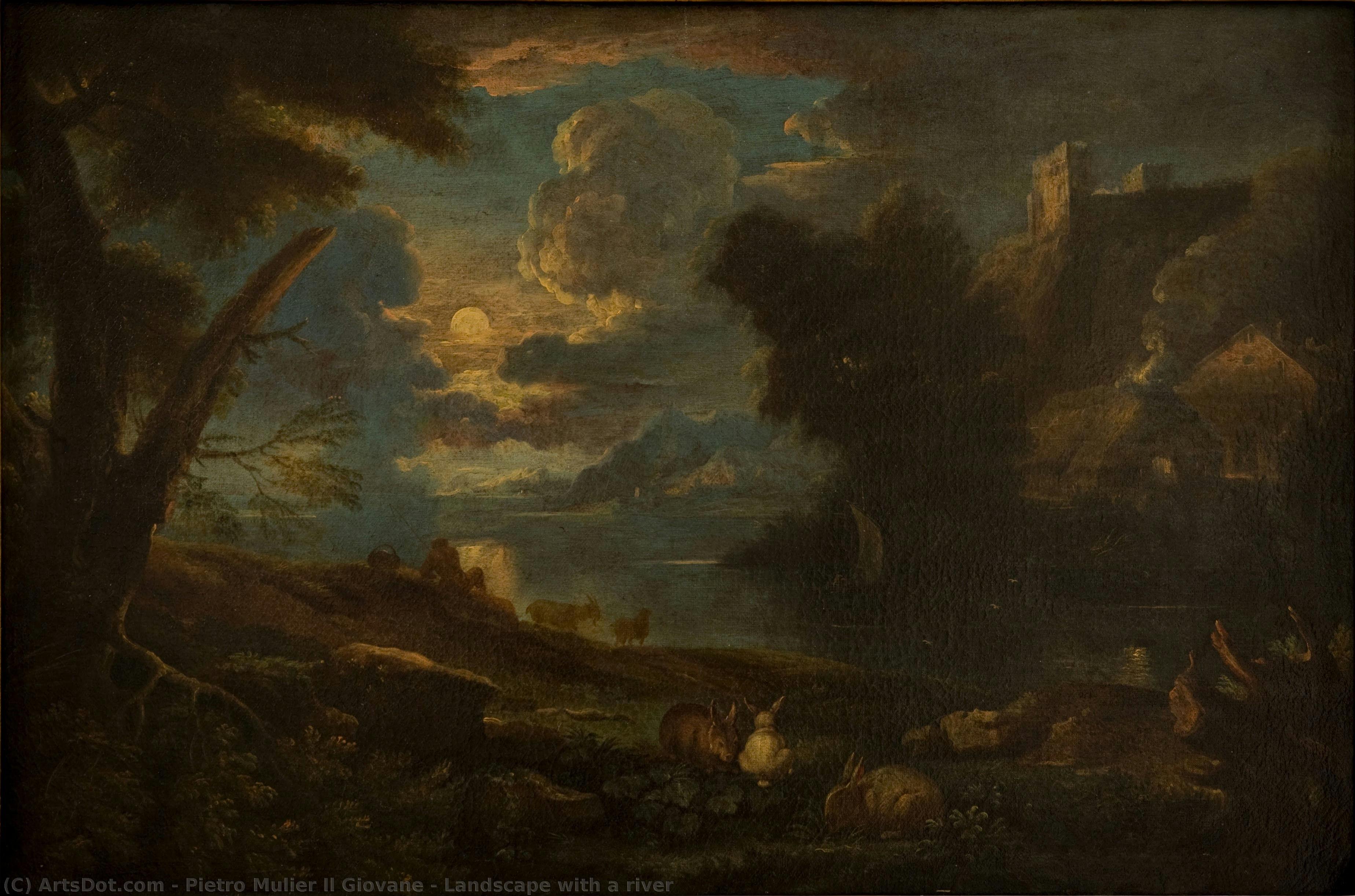
Landscape with a river


 Читать далее
Приобретите цифровое изображение высокого разрешения в улучшенном качестве, которое значительно превосходит онлайн-превью.
Каждый файл тщательно подготавливается нашими специалистами с использованием передовых инструментов и экспертной ручной ретуши. Мы гарантируем исключительную четкость, точную цветопередачу и детальную проработку каждого изображения.
Финальный файл доставляется по электронной почте в течение 72 часов и оптимизирован для немедленного использования в профессиональной среде, при верстке и печати. Это тот же уровень качества, которому доверяют ведущие дизайнерские студии, издательства и галереи.
Цифровое изображение
Скачайте файл высокого разрешения для личного использования, печати и творческих проектов. ( Перейти к печати Купить картину ручной работы)
Включено в каждый заказ цифровых изображений
Гарантия экспертной цифровой доставки
Выбирая ArtsDot.com, вы получаете не просто изображение — вы приобретаете профессионально обработанное цифровое произведение искусства, созданное с безупречной точностью и под защитой гарантии качества. Вот всё, что автоматически входит в ваш заказ:

Мгновенная доставка по e-mail
Ваш цифровой файл в высоком разрешении будет отправлен вам по электронной почте в течение 72 часов после оформления заказа — и сразу станет доступен для использования.

Цифровой файл с ИИ-улучшением
Ваше произведение искусства проходит профессиональную оптимизацию с использованием передовых инструментов ИИ и ручной обработки, что гарантирует максимальную детализацию, четкость и точность цветопередачи.

Бессрочная бесплатная повторная доставка
Случайно удалили или потеряли файл? Не беспокойтесь — мы отправим его вам повторно в любое время и совершенно бесплатно.

Без импортных пошлин — навсегда
Наслаждайтесь вашим произведением искусства мгновенно без таможенных пошлин, сборов или затрат на доставку — цифровые загрузки всегда не облагаются налогом.

Гарантия точности цветопередачи
Мы гарантируем, что ваше цифровое изображение максимально точно передает оригинальные цвета благодаря использованию профессиональных инструментов и систем управления цветом.

Гарантия удовлетворенности 100 дней
Если вы не будете удовлетворены своим цифровым изображением, мы внесем правки или вернем 100% стоимости в течение 100 дней — без лишних вопросов.

100% Гарантия возврата средств
Не удовлетворены покупкой? Получите полный возврат средств в течение 100 дней после получения цифрового файла — без лишних вопросов.

Скидки на оптовые заказы
Купите 3 изображения, сэкономьте 10% — Купите 5, сэкономьте 15% — Купите 10+, сэкономьте 20%. Отличное решение для творческих проектов, галерей и агентств.
Похожие произведения







Биография художника
Rembrandt Harmenszoon van Rijn: A Life Illuminated
Rembrandt Harmenszoon van Rijn, a name synonymous with artistic mastery and profound emotional depth, remains one of the most revered figures in Western art history. Born on July 15, 1606, in Leiden, Netherlands, Rembrandt’s journey was marked by both extraordinary success and periods of considerable hardship – experiences that profoundly shaped his distinctive style and enduring legacy. His life spanned nearly six decades, a period encompassing the flourishing of the Dutch Golden Age and witnessing significant shifts in artistic trends. Initially apprenticed to Jacob van Swanenburgh, a local painter, Rembrandt’s early training focused on religious iconography, a common practice at the time. However, he quickly developed his own unique approach, moving beyond mere representation towards capturing the psychological complexities of his subjects – a hallmark that would define his career.Early Career and Artistic Development
Rembrandt's early success was largely built upon his skill in portraiture. He established himself as a respected painter of wealthy patrons, producing numerous portraits that showcased both technical proficiency and an uncanny ability to reveal the inner lives of his subjects. Works like *The Storm on the Sea of Galilee* (1635-1638), a dramatic depiction of Christ’s calming of a turbulent sea, demonstrate his burgeoning mastery of light and shadow – a technique he would later refine into what became known as “chiaroscuro.” This masterful use of contrast not only created visual drama but also served to heighten the emotional impact of his scenes. His early self-portraits, beginning in 1632, were particularly significant; they offered an unprecedented level of introspection and vulnerability rarely seen in portraits of the period, foreshadowing the intensely personal nature of much of his later work. During this time he was influenced by the works of Nicolas Poussin, whose emphasis on classical composition and moralizing themes resonated deeply with Rembrandt’s own artistic sensibilities.The Mature Style: Drama, Emotion, and Light
By the 1640s, Rembrandt had fully established his mature style – a synthesis of realism, psychological insight, and dramatic lighting. He moved beyond commissioned portraits to explore a wider range of subjects, including biblical scenes, mythological narratives, and intimate genre paintings. *The Night Watch* (1642), arguably his most famous work, exemplifies this period perfectly. The painting’s dynamic composition, complex group portraiture, and masterful use of light and shadow create a scene brimming with energy and narrative tension. Similarly, *Belshazzar's Feast* (1642) showcases Rembrandt’s ability to evoke atmosphere and psychological drama through the manipulation of light and color. His etchings, particularly his “Hundred Guilder Print” (1654), further demonstrated his technical skill and artistic vision, allowing him to explore intricate details and textures with remarkable precision. Rembrandt's work during this time was deeply influenced by Jan van der Heyden’s innovative techniques in engraving and printmaking.Later Years and Legacy
Despite achieving considerable fame and wealth throughout his career, Rembrandt’s later years were marked by financial difficulties and personal tragedy. The death of his wife Saskia in 1642 and the loss of several children deeply affected him, contributing to a period of introspection and melancholy that is reflected in many of his paintings from this time. However, even during these challenging times, Rembrandt continued to produce some of his most profound and moving works, including *The Return of the Prodigal Son* (1669). His later style became characterized by a looser brushstroke, greater emphasis on emotional expression, and a more subdued palette – a deliberate departure from the vibrant colors of his earlier work. Rembrandt’s legacy extends far beyond his individual masterpieces; he fundamentally transformed the course of Western art, paving the way for future generations of artists to explore the complexities of human emotion and experience through their work.Influence and Historical Significance
Rembrandt's influence on subsequent artists is immeasurable. His pioneering use of chiaroscuro, his psychological realism, and his willingness to depict ordinary people with dignity and compassion set a new standard for portraiture and genre painting. Artists such as Jacques-Louis David and Jean-Auguste-Dominique Ingres drew inspiration from his techniques and compositions, while Impressionist painters like Claude Monet were influenced by his exploration of light and color. Rembrandt’s work continues to resonate with audiences today because it speaks to universal themes of love, loss, faith, and redemption. He remains a powerful symbol of artistic genius and the enduring power of human creativity – a testament to the transformative potential of art.
pietro mulier il giovane
1637 - 1701 , Netherlands
Основные сведения
- Artistic Movement Or Style: Dutch Golden Age, Baroque
- Artists Or Movements Influenced By This Artist:
- Jacques-Louis David
- Jean-Auguste-Dominique Ingres
- Artists Who Influenced This Artist:
- Nicolas Poussin
- Jan van der Heyden
- Date Of Birth: July 15, 1606
- Date Of Death: October 4, 1669
- Full Name: Rembrandt Harmenszoon van Rijn
- Nationality: Dutch
- Notable Artworks:
- The Night Watch
- Belshazzar’s Feast
- The Return of the Prodigal Son
- Place Of Birth: Leiden, Netherlands