

 Поделиться
 Поделиться
 Детали произведения

 Скачать
 Похожие работы
 Слайд-шоу
 Статистика
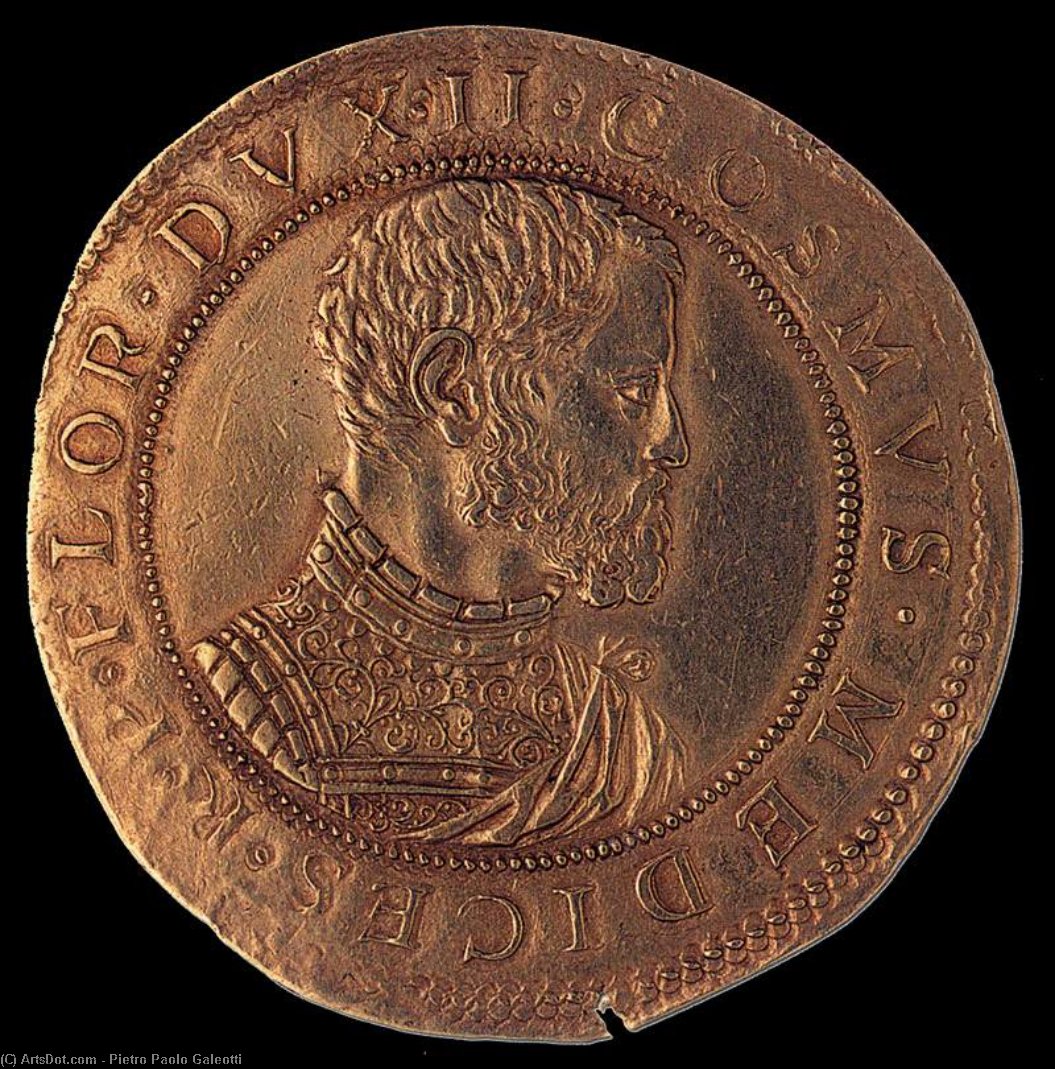
Gold Coin on Cosimo I (reverse)
 Bronze
- Sculpture
- Renaissance
 1550
1550- Renaissance
 4.0 x 4.0 cm
 Музео Нац. Барджелло
 Читать далее
Жикле / Арт-принт
Печать (жикле) или холст музейного качества с быстрыми сроками изготовления и широким выбором вариантов отделки. ( Купить картину ручной работы Перейти к цифровым изображениям)




































Выберите один из наших стандартных размеров, соответствующих оригинальным пропорциям произведения искусства.

Вы можете указать свои собственные размеры, чтобы репродукция идеально подошла под конкретную раму или пространство. Если выбранный вами размер не будет соответствовать пропорциям оригинала, мы либо обрежем произведение, либо дополним изображение зеркальным отражением краев или однотонной заливкой. Перед началом производства вам будет отправлен цифровой макет для утверждения.
Пожалуйста, обратите внимание, что предварительный просмотр на экране не отображает фактическую обрезку или расширение изображения. Только макет точно покажет финальную композицию.
Несмотря на возможность заказа индивидуальных размеров, мы рекомендуем выбирать размер из предопределенного списка, чтобы сохранить оригинальные пропорции.
Доставка по всему миру () за 2 недели вместо стандартных 4/5 недель. (12 Сентябрь)

Бесплатная экспресс-доставка по всему миру

Высококачественный льняной холст

Полное страхование доставки

Гарантия возмещения таможенных пошлин

Гарантия точного соответствия цветов

100-дневная политика возврата (только при обнаружении дефектов)

Гарантия возврата 100% средств

Предложение оптовых скидок
 Вариант со стеклом доступен только для размеров менее 110 см

Gold Coin on Cosimo I (reverse)
Жикле / Арт-принт
Размер репродукции
-


Итоговая стоимость
$ 62
A Glimpse into Florentine Power: The Medal of Cosimo I
To gaze upon this bronze medal is to hold a tangible fragment of Renaissance ambition. It is not merely a depiction, but a carefully crafted testament to the enduring power and refined artistry of 16th-century Florence. This piece, executed by Pietro Paolo Galeotti around 1550, captures the likeness of Cosimo I, presenting him in a moment of sculpted authority. The immediate impression is one of rich, aged metal—a warm tapestry woven from shades of copper and deep brown patina that speak silently of centuries passing. The meticulous detail visible across the surface invites the viewer into an intimate dialogue with history, allowing us to almost feel the weight of the bronze itself.
Mastery in Relief: Technique and Craftsmanship
The technical brilliance displayed here is nothing short of masterful. Galeotti’s skill shines through in the execution of this relief sculpture. The portrait bust is rendered with an astonishing degree of verisimilitude; every fold of the depicted armor, every strand suggested in the beard, speaks to a profound understanding of human anatomy and metallurgy. The artist utilized casting techniques to achieve depth, allowing overlapping elements and subtle gradations of tone to suggest three-dimensionality despite the confined circular format. This was not simply carving; it was an act of metallurgical storytelling, where the limitations of bronze were transformed into avenues for breathtaking realism.
The Weight of History: Context and Symbolism
Historically, this medal situates us firmly within the zenith of Medici influence. Cosimo I himself was a pivotal figure in Florentine history, and commissioning such an object served as both portraiture and propaganda—a visible assertion of lineage and dominion. The inscriptions, including the prominent ‘MEDICI,’ anchor the piece to a powerful dynasty. Symbolically, the medal transcends being a mere likeness; it becomes an emblem of patronage, military might, and cultural ascendancy during the Renaissance period. For the modern collector or designer, this object carries the resonance of high European court life.
Bringing Antiquity Home: Decorating with Narrative
For those seeking to infuse a space with the gravitas and artistry of bygone eras, reproductions of works like this offer unparalleled depth. The rich patina and complex narrative embedded within the design make it an extraordinary focal point. Imagine this piece displayed against a backdrop of deep velvet or polished marble; its warm tones will interact beautifully with ambient light, catching the eye and prompting conversation. It is an object that does not merely decorate a wall or mantelpiece; it enriches the very atmosphere, whispering tales of Renaissance grandeur to every passerby.
Похожие произведения
Биография художника
The Sculptor of Tuscan Majesty
Pietro Paolo Galeotti (1520–1584) stands as a profound testament to the artistic fervor of Renaissance Italy, specifically within the vibrant cultural landscape of Florence under the transformative reign of Cosimo I Medici. Born in Monte Rotondo, his formative years coincided with the zenith of Florentine cultural dominance—a period characterized by grand patronage, humanist ideals, and an unparalleled dedication to artistic excellence. While biographical details regarding his early life remain somewhat sparse compared to titans like Michelangelo or Leonardo da Vinci, Galeotti’s enduring legacy rests firmly upon his remarkable sculptural output. He possessed a singular ability to capture the likenesses of the era's most influential figures, transforming cold stone and metal into breathing portraits of power.
His artistic journey was shaped by the rigorous traditions of the Florentine school, beginning under the esteemed tutelage of Andrea del Verrocchio. Verrocchio’s workshop served as a crucible for innovation and realism, providing Galeotti with a masterclass in anatomical precision and the delicate rendering of expressive drapery. This formative influence instilled in him a deep appreciation for classical ideals while simultaneously grounding his work within the evolving stylistic trends of the High Renaissance. Through this lineage, Galeotti inherited a commitment to capturing not just the physical shell of a subject, but their very essence, blending the structural strength of the Florentine tradition with a burgeoning interest in psychological depth.
Mastery of Portraiture and Patronage
The ascent of Galeotti’s fame was inextricably linked to his prestigious commissions from the most ambitious figures of the sixteenth century. His reputation as a sculptor of distinction was cemented through his work for Cosimo I Medici and Ottavio Farnese, patrons whose influence shaped the political and cultural map of Italy. These were not merely artistic endeavors but political statements; Galeotti’s sculptures served as embodiments of authority and permanence.
His mastery is perhaps most vividly seen in his treatment of the following works:
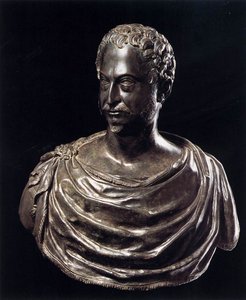
- The Bust of Cosimo I: A meticulously crafted depiction that conveys both regal dignity and a sense of profound intellectual contemplation, capturing the weight of leadership.
- The Portrait of Ottavio Farnese: A work showcasing remarkable detail in capturing the sitter’s facial expressions and musculature, demonstrating Galeotti's ability to render human vitality.
- Relief Sculptures and Medallic Art: Beyond large-scale busts, Galeotti demonstrated extraordinary skill in miniature formats, such as his 1550 bronze portrait of Cosimo I on gold coins. These pieces showcase a masterful use of relief sculpture, where every fine line contributes to the grandeur of the Renaissance spirit.
Through these varied mediums, Galeotti achieved a rare feat: he captured the fleeting moment of human expression and rendered it immortal. His ability to navigate the demands of high-stakes patronage while maintaining an uncompromising standard of technical excellence ensures his place in the pantheon of Italian masters who defined the visual language of the late Renaissance.
pietro paolo galeotti
1520 - 1584 , Italy
Основные сведения
- Artistic Movement Or Style: Renaissance Sculpture
- Date Of Birth: 1520
- Full Name: Pietro Paolo Galeotti
- Nationality: Italian
- Notable Artworks:
- Gold Coin on Cosimo I (reverse)
- Bust of Ottavio Farnese
- Place Of Birth: Monte Rotondo, Italy
Похожие статьи

The Enduring Legacy of Bronze: A Historical & Artistic Exploration for the Collector
Explore the rich history & enduring appeal of bronze sculpture with expert insights for collectors at ArtsDot. Learn about casting techniques, iconic artists, collecting tips & contemporary interpretations.

The Enduring Legacy of Bronze Sculpture: A Collector's Guide to Form & Cultural Significance
Explore the rich history & enduring appeal of bronze sculpture with expert insights for collectors at ArtsDot. Learn about casting techniques, iconic artists, and collecting tips to build a discerning art collection.
The Enduring Legacy of Bronze Sculpture: Technique, Symbolism & Cultural Impact
Explore the rich history & enduring appeal of bronze sculpture with expert insights for collectors. Learn about casting techniques, iconic artists, collecting tips & contemporary interpretations at ArtsDot.

10 легендарных бронзовых шедевров, изменивших искусство | ArtsDot
Погрузитесь в мир великих бронзовых шедевров! От Давида Донателло до Мыслителя Родена – узнайте историю создания, технику и значение легендарных скульптур. Вдохновение для интерьера и музейное качество репродукций на ArtsDot.com.
The Enduring Legacy of Bronze: History, Technique & Artistic Expression for the Collector
Explore the rich history & enduring appeal of bronze sculpture with expert insights for collectors at ArtsDot. Learn about casting techniques, iconic artists, and collecting tips.