

 Поделиться
 Поделиться
 Детали произведения

 Скачать
 Похожие работы
 Слайд-шоу
 Статистика
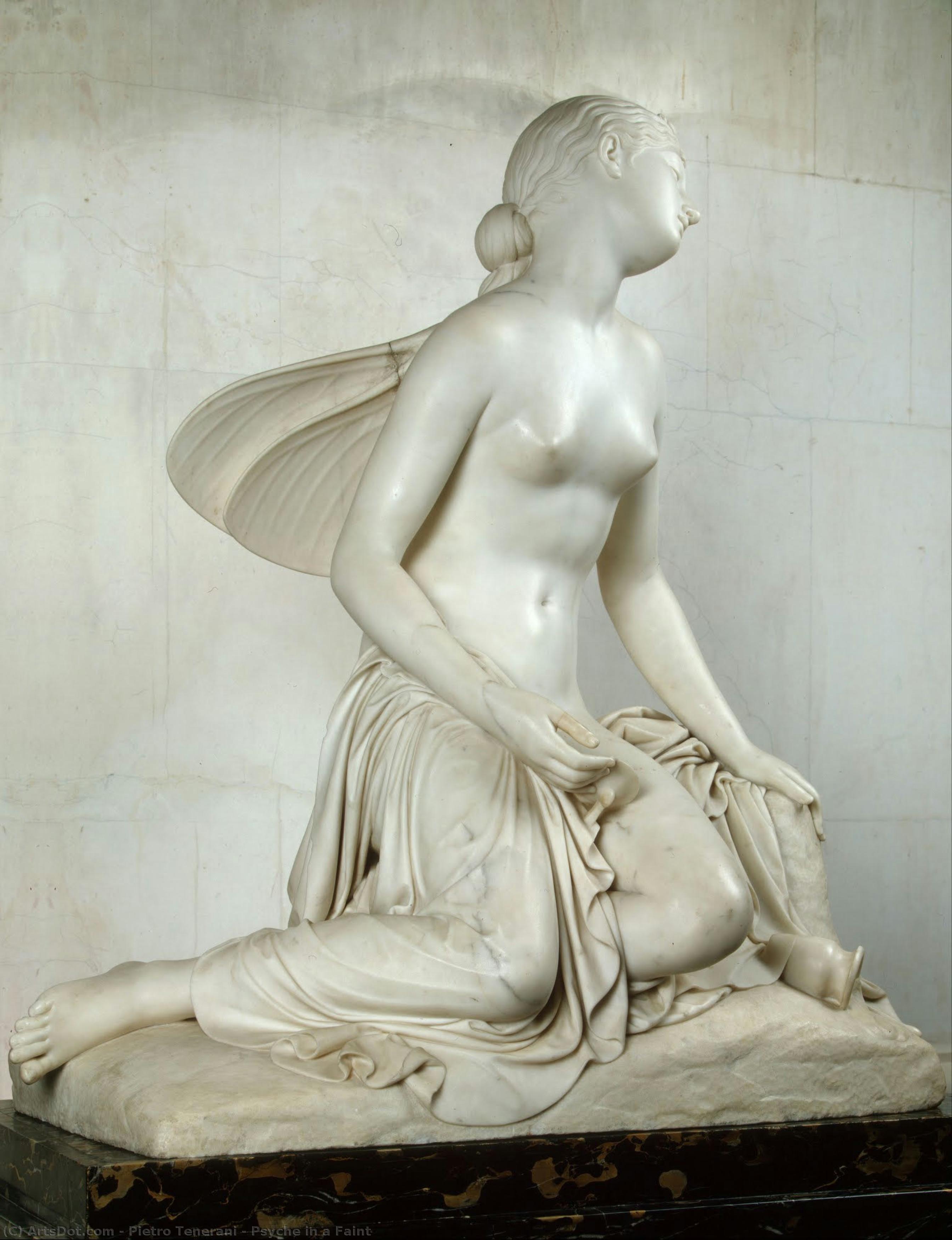
Psyche in a Faint


 Читать далее
Жикле / Арт-принт
Печать (жикле) или холст музейного качества с быстрыми сроками изготовления и широким выбором вариантов отделки. ( Купить картину ручной работы Перейти к цифровым изображениям)




































Выберите один из наших стандартных размеров, соответствующих оригинальным пропорциям произведения искусства.

Вы можете указать свои собственные размеры, чтобы репродукция идеально подошла под конкретную раму или пространство. Если выбранный вами размер не будет соответствовать пропорциям оригинала, мы либо обрежем произведение, либо дополним изображение зеркальным отражением краев или однотонной заливкой. Перед началом производства вам будет отправлен цифровой макет для утверждения.
Пожалуйста, обратите внимание, что предварительный просмотр на экране не отображает фактическую обрезку или расширение изображения. Только макет точно покажет финальную композицию.
Несмотря на возможность заказа индивидуальных размеров, мы рекомендуем выбирать размер из предопределенного списка, чтобы сохранить оригинальные пропорции.
Доставка по всему миру () за 2 недели вместо стандартных 4/5 недель. (11 Сентябрь)

Бесплатная экспресс-доставка по всему миру

Высококачественный льняной холст

Полное страхование доставки

Гарантия возмещения таможенных пошлин

Гарантия точного соответствия цветов

100-дневная политика возврата (только при обнаружении дефектов)

Гарантия возврата 100% средств

Предложение оптовых скидок
 Вариант со стеклом доступен только для размеров менее 110 см

Psyche in a Faint
Жикле / Арт-принт
Размер репродукции
-


Итоговая стоимость
$ 62
A Moment Frozen in Marble
In the delicate intersection of Neoclassical precision and Romantic vulnerability, Pietro Tenerani’s Psyche in a Faint stands as a breathtaking testament to the power of sculptural storytelling. The work captures a pivotal, breathless moment from the classical myth recounted by Apuleius, where the mortal Psyche succumbs to the overwhelming weight of her circumstances. As she sits upon the ground, her hands clasped softly against her chest, the viewer is drawn into a profound state of stillness. There is an ethereal quality to the composition; the way her hair appears to catch a phantom breeze suggests a life caught in transition, a soul suspended between the earthly realm and the divine. For the discerning collector, this piece offers more than mere decoration; it provides a window into a moment of pure, unadulterated emotion, rendered with a grace that transcends the centuries.
The technical mastery displayed in this marble masterpiece is nothing short of extraordinary. Emerging from the Carrara tradition, Tenerani utilizes the medium to mimic the softness of human flesh and the lightness of flowing fabric. The intricate detailing of the sculpture creates a play of light and shadow that breathes life into the cold stone, making the marble appear almost translucent in certain lights. This mastery of texture—the contrast between the smooth, polished skin and the more complex, wind-swept strands of hair—demonstrates a level of craftsmanship that is essential for any high-quality reproduction. For interior designers, such a piece serves as a sophisticated focal point, capable of anchoring a room with its classical elegance and commanding attention through its subtle, nuanced textures.
The Harmony of Neoclassicism and Romanticism
Historically, Psyche in a Faint represents a pivotal era in European art, where the rigid, idealized forms of Neoclassicism began to melt into the more emotive and turbulent spirit of Romanticism. While the sculpture adheres to the balanced proportions and clean lines characteristic of the early 19th century, it is infused with a palpable sense of pathos. The subject matter itself—the swoon of a heroine—is deeply symbolic of the human condition, representing the fragility of the spirit when faced with the overwhelming forces of love and fate. This duality makes the artwork incredibly versatile for modern spaces; it possesses the formal dignity required for traditional settings, yet carries an emotional depth that resonates within contemporary, minimalist environments.
Integrating a reproduction of this caliber into a curated collection or a luxury interior allows for a dialogue between history and modernity. The sculpture’s clean silhouette and monochromatic palette offer a timeless aesthetic that complements various design palettes, from muted, neutral tones to bold, dramatic accents. To possess such a work is to invite a sense of tranquility and intellectual depth into one's surroundings, celebrating the enduring beauty of classical mythology through the lens of a master sculptor who understood that true art lies in the ability to make stone weep.
Похожие произведения
Биография художника
A Legacy in Marble: The Life and Art of Pietro Tenerani
Pietro Tenerani, born November 11, 1789, in the marble-rich region of Torano near Carrara, Italy, stands as a compelling figure bridging the Neoclassical ideals of his time with the burgeoning Romantic sensibilities of the 19th century. His life unfolded against a backdrop of artistic fervor and shifting aesthetic paradigms, leaving an indelible mark on Italian sculpture. Tenerani’s initial exposure to the world of art came through his maternal uncle, Pietro Marchetti, a sculptor and professor at the Accademia di Belle Arti in Carrara. This familial connection provided a foundational training, instilling within him a deep appreciation for form and technique. However, it was a scholarship secured in 1813 that propelled Tenerani towards Rome – the heart of artistic innovation – where his true development began.Formative Years Under Thorvaldsen’s Guidance
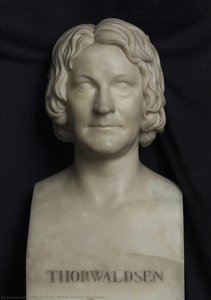
Rome proved to be a transformative experience for the young sculptor. He immersed himself in the study of classical antiquity, absorbing the principles of balance, harmony, and idealized beauty that defined the Neoclassical movement. Crucially, Tenerani fell under the tutelage of Bertel Thorvaldsen, the celebrated Danish sculptor whose work epitomized these ideals. Thorvaldsen’s influence was profound; he instilled in Tenerani a rigorous approach to form and composition, shaping his early style. Psyche Abandoned, sculpted around 1817, quickly established Tenerani's reputation. This piece, admired for its refined elegance and emotional depth, showcased his mastery of marble and his ability to capture mythological narratives with grace. Yet, even in these early works, hints of a developing individuality began to emerge – a subtle shift away from strict imitation towards a more personal expression. He also created several copies of this work for prominent patrons, each iteration revealing a gradual tendency toward sentimental narrative.Evolving Style and the Embrace of Purismo
As Tenerani matured as an artist, his style underwent a subtle but significant evolution. While remaining firmly rooted in Neoclassical principles, he began to incorporate elements that foreshadowed the Romantic movement. This transition was further influenced by his association with the *Purismo* movement, which advocated for a return to artistic purity and simplicity, rejecting excessive ornamentation and dramatic emotionalism. This pursuit of clarity and restraint is evident in his later works, where a greater emphasis on narrative and expressive qualities can be observed. Beyond mythological subjects, Tenerani gained considerable acclaim for his funerary monuments. His monument to Pope Pius VIII within St. Peter’s Basilica stands as a testament to his ability to blend artistic skill with profound emotional resonance and symbolic meaning. He also excelled in portraiture, creating busts of prominent figures like Popes Gregory XVI and Pius IX, and statesmen such as Pellegrino Rossi – each capturing not only physical likeness but also the essence of their subjects' character.A Sculptor of Monuments and Legacy
Tenerani’s talent extended beyond intimate portraits and funerary art; he undertook large-scale public commissions that solidified his position as a leading sculptor of his time. Perhaps most notably, he was entrusted with the creation of the statue of Simón Bolívar in Bogotá, Colombia – a remarkable feat demonstrating his ability to adapt classical forms to represent contemporary historical figures. This commission underscored his international recognition and his capacity to engage with diverse cultural contexts. Throughout his career, Tenerani held prestigious positions within artistic institutions, including membership and eventual presidency of the Accademia di San Luca, further cementing his influence in the Roman art world. He also mentored numerous students who carried on sculptural traditions in Italy. Pietro Tenerani died in Rome on December 16, 1869, leaving behind a legacy that continues to inspire admiration for its technical brilliance, aesthetic beauty, and historical significance. His work serves as a poignant reminder of an era where classical ideals were reinterpreted through the lens of individual expression, bridging the gap between Neoclassicism and Romanticism and establishing him as a pivotal figure in 19th-century European sculpture.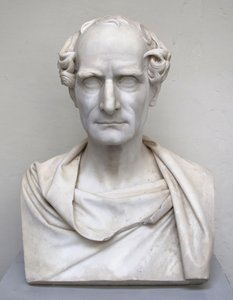
Pietro Tenerani
1789 - 1869 , Italy
Основные сведения
- Artistic Movement Or Style: Neoclassicism, Purismo
- Artists Or Movements Influenced By This Artist: ['Romanticism']
- Artists Who Influenced This Artist:
- Bertel Thorvaldsen
- Lorenzo Bartolini
- Date Of Birth: November 11, 1789
- Date Of Death: December 16, 1869
- Full Name: Pietro Tenerani
- Nationality: Italian
- Notable Artworks:
- Psyche Abandoned
- Diana von Versailles
- Apoll von Belvedere
- Place Of Birth: Carrara, Italy
Похожие статьи

The Enduring Form: Exploring Themes & Techniques in Sculpture Across Historical Periods
Explore the rich history of sculpture from ancient masterpieces to contemporary innovations. Discover key techniques, influential artists & investment potential for discerning art collectors.

10 легендарных бронзовых шедевров, изменивших искусство | ArtsDot
Погрузитесь в мир великих бронзовых шедевров! От Давида Донателло до Мыслителя Родена – узнайте историю создания, технику и значение легендарных скульптур. Вдохновение для интерьера и музейное качество репродукций на ArtsDot.com.
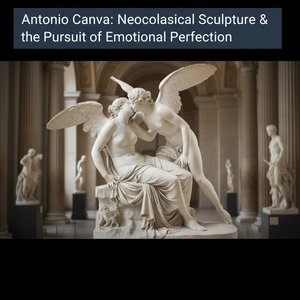
Antonio Canova: Neoclassical Sculpture & the Pursuit of Emotional Perfection
Explore the life & art of Antonio Canova, the greatest Neoclassical sculptor. Discover his masterpieces, innovative techniques, and lasting influence on fine art collecting. Expert insights for discerning investors.

10 легендарных бронзовых скульптур, изменивших искусство навсегда | ArtsDot
Погрузитесь в мир великих бронзовых скульптур! От Давида Микеланджело до работ Родена – история искусства, техники и вдохновения. Купите репродукции шедевров для вашего интерьера на ArtsDot.com

The Enduring Form: Sculpture Across History, Technique & Emotional Resonance
Explore the rich history of sculpture with ArtsDot. Discover key techniques, influential artists & investment potential for discerning collectors. Expert insights into valuing and collecting timeless masterpieces.