


 Поделиться
 Поделиться
 Детали произведения

 Скачать
 Похожие работы
 Слайд-шоу
 Статистика
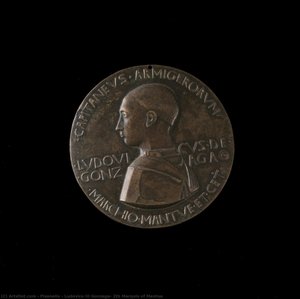
Gianfrancesco I Gonzaga, 1st Marquis of Mantua


 Читать далее
Приобретите цифровое изображение высокого разрешения в улучшенном качестве, которое значительно превосходит онлайн-превью.
Каждый файл тщательно подготавливается нашими специалистами с использованием передовых инструментов и экспертной ручной ретуши. Мы гарантируем исключительную четкость, точную цветопередачу и детальную проработку каждого изображения.
Финальный файл доставляется по электронной почте в течение 72 часов и оптимизирован для немедленного использования в профессиональной среде, при верстке и печати. Это тот же уровень качества, которому доверяют ведущие дизайнерские студии, издательства и галереи.
Цифровое изображение
Скачайте файл высокого разрешения для личного использования, печати и творческих проектов. ( Перейти к печати Купить картину ручной работы)
Включено в каждый заказ цифровых изображений
Гарантия экспертной цифровой доставки
Выбирая ArtsDot.com, вы получаете не просто изображение — вы приобретаете профессионально обработанное цифровое произведение искусства, созданное с безупречной точностью и под защитой гарантии качества. Вот всё, что автоматически входит в ваш заказ:

Мгновенная доставка по e-mail
Ваш цифровой файл в высоком разрешении будет отправлен вам по электронной почте в течение 72 часов после оформления заказа — и сразу станет доступен для использования.

Цифровой файл с ИИ-улучшением
Ваше произведение искусства проходит профессиональную оптимизацию с использованием передовых инструментов ИИ и ручной обработки, что гарантирует максимальную детализацию, четкость и точность цветопередачи.

Бессрочная бесплатная повторная доставка
Случайно удалили или потеряли файл? Не беспокойтесь — мы отправим его вам повторно в любое время и совершенно бесплатно.

Без импортных пошлин — навсегда
Наслаждайтесь вашим произведением искусства мгновенно без таможенных пошлин, сборов или затрат на доставку — цифровые загрузки всегда не облагаются налогом.

Гарантия точности цветопередачи
Мы гарантируем, что ваше цифровое изображение максимально точно передает оригинальные цвета благодаря использованию профессиональных инструментов и систем управления цветом.

Гарантия удовлетворенности 100 дней
Если вы не будете удовлетворены своим цифровым изображением, мы внесем правки или вернем 100% стоимости в течение 100 дней — без лишних вопросов.

100% Гарантия возврата средств
Не удовлетворены покупкой? Получите полный возврат средств в течение 100 дней после получения цифрового файла — без лишних вопросов.

Скидки на оптовые заказы
Купите 3 изображения, сэкономьте 10% — Купите 5, сэкономьте 15% — Купите 10+, сэкономьте 20%. Отличное решение для творческих проектов, галерей и агентств.
The Regal Portrait of Gianfrancesco I Gonzaga
Pisanello’s “Gianfrancesco I Gonzaga, Marquis of Mantua” is more than just a portrait; it's a meticulously crafted testament to the burgeoning Renaissance fascination with individual identity and courtly grandeur. Completed around 1439-40, this bronze medal—a relatively small format for such an elaborate depiction—captures the essence of a powerful nobleman amidst a carefully orchestrated display of wealth, authority, and military prowess. The piece isn’t merely a likeness; it's a statement, a visual embodiment of Gianfrancesco’s status as Captain of the People and, crucially, the first Gonzaga to bear the title of Marquis. Examining this work reveals a masterful blend of artistic innovation, technical skill, and profound symbolic meaning.
Pisanello, a pivotal figure bridging the International Gothic style with the nascent Renaissance, demonstrates his signature approach here: an almost obsessive attention to detail combined with a remarkably refined sense of color and texture. The medal’s surface shimmers with a subtle luster, achieved through meticulous polishing—a technique indicative of Pisanello's background as a goldsmith. Notice how he renders the folds of Gianfrancesco’s clothing, not as simple planes but as complex volumes imbued with light and shadow. The intricate detailing of his armor, the rich velvet of his cloak, and even the delicate embroidery on his banner all speak to Pisanello's extraordinary skill in capturing the tactile qualities of materials—a hallmark of his work.
A Courtly Narrative
The composition itself is a carefully constructed narrative. Gianfrancesco is depicted riding horseback, flanked by a squire, creating an image of leadership and control. This isn’t simply a portrait; it's a miniature stage set for a scene of power. The placement of the marquis and his attendant—the squire positioned slightly behind and to the side—reinforces this dynamic. The heraldic banner he carries, emblazoned with the Gonzaga coat of arms (a closed door knocker), is not merely decorative; it’s a potent symbol of lineage and territorial claim. The inclusion of the marquis's emblem subtly reinforces his identity and asserts his authority.
Beyond the immediate depiction of power, Pisanello employs a sophisticated system of symbolism. The armor itself—a symbol of military strength and protection—is rendered with an almost theatrical flourish, highlighting Gianfrancesco’s role as a warrior leader. The landscape in the background, though simplified, suggests a strategic vantage point, hinting at his command over territory. Even the posture of the marquis – upright, alert, and confidently mounted – conveys a sense of authority and self-assurance.
Historical Context & Artistic Innovation
Pisanello’s creation of this medal represents a significant moment in the history of portraiture. He was one of the first artists to systematically produce commemorative medals—a new genre that combined elements of coinage, sculpture, and painting. These medals were commissioned by patrons – often rulers or high-ranking officials – as symbols of their power and achievements. Pisanello’s work established a precedent for future medalists, influencing generations of artists who followed in his footsteps.
The use of bronze—a durable and relatively expensive material—further elevated the status of the portrait. It was a medium suitable for conveying both beauty and permanence, reflecting the enduring legacy that Gianfrancesco sought to establish. The medal’s small size also made it ideal as a diplomatic gift or personal token, facilitating communication and fostering relationships between rulers and their subjects.
A Legacy of Elegance
“Gianfrancesco I Gonzaga, Marquis of Mantua” is a remarkable achievement—a testament to Pisanello’s artistic genius and his pivotal role in shaping the Renaissance. It's not just a portrait; it’s a miniature world, brimming with symbolism, technical mastery, and historical significance. Reproductions of this piece capture only a fraction of its original impact, but they offer a valuable opportunity to appreciate the artistry and sophistication of one of the era’s most celebrated artists. The medal's enduring appeal lies in its ability to transport us back to a time of courtly intrigue, military ambition, and the blossoming of Renaissance culture.
Похожие произведения
Биография художника
Pisanello - Antonio di Puccio Pisano (1395–1455)
Antonio di Puccio Pisano, commonly known as Pisanello, stands as a pivotal figure in bridging the gap between the opulent International Gothic style and the burgeoning Renaissance. Born around 1380/1395 in Pisa—though his early years were spent in San Vigilio sul Lago—Pisanello’s life was marked by artistic exploration and patronage, leaving an indelible mark on Italian art history.
His formative training likely occurred under the tutelage of Stefano da Verona, absorbing Veronese painting traditions. However, it was his apprenticeship with Gentile da Fabriano that cemented his stylistic trajectory, instilling in him a profound appreciation for meticulous observation and lavish ornamentation—qualities that would characterize his subsequent oeuvre.
- Early Life & Training: Pisanello’s birthplace fostered an environment conducive to artistic development. His early training under Stefano da Verona instilled a foundational understanding of Veronese painting techniques.
- Influence of Gentile da Fabriano: The collaboration with Gentile da Fabriano proved transformative, shaping his aesthetic sensibilities and emphasizing the importance of detail and opulent decoration.
- Travels & Commissions: Pisanello embarked on extensive journeys throughout Italy, securing commissions from prominent courts—Florence, Verona, Ferrara, Mantua, Milan, Rimini, and Naples—demonstrating his versatility as an artist and cementing his reputation as a court painter.
Masterpieces and a Distinctive Style
Pisanello’s artistic output is fragmented by loss and misattribution, yet it reveals a remarkable talent for blending diverse influences into a uniquely personal vision. His magnum opus, *Saint George and the Princess of Trebizond*, executed as a fresco in Verona’s Church of Sant'Anastasia, exemplifies his mastery of narrative composition and textural richness.
*The Vision of Saint Eustace,* signed “Antonius Pisanus,” showcases a harmonious blend of Gentile da Fabriano’s refinement and Stefano da Verona’s stylistic nuances. Beyond these celebrated works, *Madonna of the Quail*, created as part of Nicolò di Brenzoni’s funeral monument, underscores his skill in conveying emotion and capturing likeness.
- Saint George and the Princess: This fresco is considered Pisanello's masterpiece due to its intricate detail, vibrant colors, and masterful depiction of courtly life.
- The Vision of Saint Eustace: Demonstrates a harmonious blend of Gentile da Fabriano’s style and Stefano da Verona’s influence.
- Madonna of the Quail: Exemplifies Pisanello's ability to convey emotion and capture likeness effectively.
Influences and Artistic Development
Pisanello’s artistic journey wasn’t solely defined by formal training; it was shaped by a constant dialogue with the art of the past and present. Gentile da Fabriano undoubtedly influenced his early style, prioritizing detail and lavish ornamentation.
Stefano da Verona likely contributed to his formative stylistic development, grounding him in Veronese tradition. Interestingly, some scholars suggest connections to Paolo Uccello—a shared fascination with horses—evident in Pisanello’s drawings and paintings.
- Gentile da Fabriano: His mentor instilled a profound appreciation for detail and opulent decoration.
- Stefano da Verona: Provided foundational stylistic grounding rooted in Veronese painting traditions.
- Paolo Uccello: Shared fascination with horses, reflected in Pisanello’s drawings and paintings.
Historical Significance and Lasting Legacy
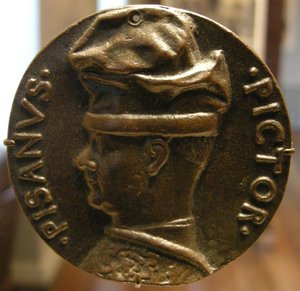
Pisanello's place in art history is secure as a pioneer of portrait medals—a genre that would become immensely popular among Italian nobility and beyond. His work embodies the crucial transition from Gothic to Renaissance aesthetics, blending meticulous observation with refined ornamentation.
He was celebrated in his own time by poets like Guarino da Verona and esteemed by humanist scholars who recognized his exceptional talent. Despite the loss of many of his paintings, Pisanello’s surviving drawings and medals continue to inspire awe and admiration—a testament to the enduring allure of a world caught between tradition and innovation.
- Portrait Medallions: Pioneered this genre, establishing it as a prominent form of artistic expression.
- Renaissance Aesthetic Synthesis: Successfully blended meticulous observation with refined ornamentation—defining the aesthetic sensibilities of his era.
Пизанello
1395 - 1455 , Италия
Основные сведения
- Artistic Movement Or Style: Готический искусство; Раннее Возрождение
- Artists Or Movements Influenced By This Artist: ['Пиеро делла Франческа']
- Artists Who Influenced This Artist:
- Жентил да Фабриано
- Стефано да Верона
- Date Of Birth: Около 1380 г.
- Date Of Death: Около 1455 г.
- Full Name: Антонио ди Пуччо Пизано
- Nationality: Итальянский
- Notable Artworks:
- Святой Георгий и принцесса Трезвицы
- Мадонна и куропатка
- Place Of Birth: Пиза, Италия