

 Поделиться
 Поделиться
 Детали произведения

 Скачать
 Похожие работы
 Слайд-шоу
 Статистика
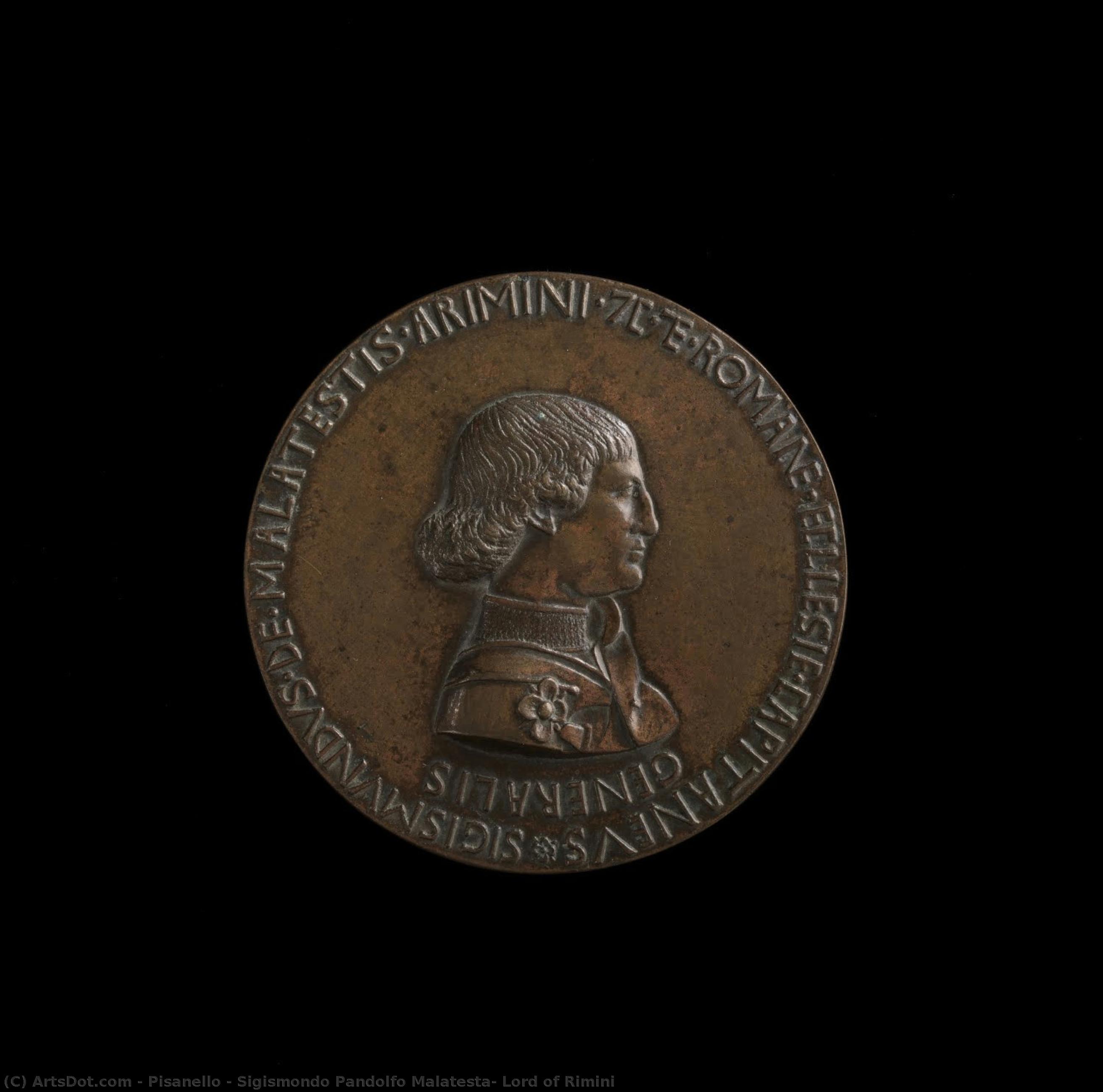
Sigismondo Pandolfo Malatesta, Lord of Rimini


 Читать далее
Жикле / Арт-принт
Печать (жикле) или холст музейного качества с быстрыми сроками изготовления и широким выбором вариантов отделки. ( Купить картину ручной работы Перейти к цифровым изображениям)
































Выберите один из наших стандартных размеров, соответствующих оригинальным пропорциям произведения искусства.

Вы можете указать свои собственные размеры, чтобы репродукция идеально подошла под конкретную раму или пространство. Если выбранный вами размер не будет соответствовать пропорциям оригинала, мы либо обрежем произведение, либо дополним изображение зеркальным отражением краев или однотонной заливкой. Перед началом производства вам будет отправлен цифровой макет для утверждения.
Пожалуйста, обратите внимание, что предварительный просмотр на экране не отображает фактическую обрезку или расширение изображения. Только макет точно покажет финальную композицию.
Несмотря на возможность заказа индивидуальных размеров, мы рекомендуем выбирать размер из предопределенного списка, чтобы сохранить оригинальные пропорции.
Доставка по всему миру () за 2 недели вместо стандартных 4/5 недель. (13 Сентябрь)

Бесплатная экспресс-доставка по всему миру

Высококачественный льняной холст

Полное страхование доставки

Гарантия возмещения таможенных пошлин

Гарантия точного соответствия цветов

100-дневная политика возврата (только при обнаружении дефектов)

Гарантия возврата 100% средств

Предложение оптовых скидок
 Вариант со стеклом доступен только для размеров менее 110 см

Sigismondo Pandolfo Malatesta, Lord of Rimini
Жикле / Арт-принт
Размер репродукции
-


Итоговая стоимость
$ 62
A Portrait of Regal Dignity: Pisanello's Coin Depiction of Sigismondo Malatesta
The bronze coin bearing the portrait of Sigismondo Pandolfo Malatesta, Lord of Rimini, stands as a testament to Antonio di Puccio Pisano’s extraordinary artistic vision—a figure who bridged the gap between the opulent International Gothic style and the nascent Renaissance. More than just a depiction of a nobleman, this miniature masterpiece encapsulates the spirit of its time, reflecting the political ambitions and cultural sophistication of fifteenth-century Italy. Its enduring appeal lies not merely in its aesthetic beauty but also in the profound layers of symbolism woven into every detail.- The Subject Matter: Sigismondo Malatesta was a formidable ruler—a warrior prince who skillfully navigated treacherous alliances and defended Rimini against rival powers. Pisano’s portrayal captures this commanding presence, conveying both strength and intellect through carefully crafted facial features and regal attire.
- Style & Technique: Characteristic of Pisano's oeuvre is the delicate linework that defines the portrait—a hallmark of his meticulous approach to rendering texture and form. The artist skillfully employs hatching and stippling techniques to achieve a remarkable level of realism, capturing subtle nuances of expression and conveying an impression of dignified composure.
- Historical Context: Rimini’s strategic location on the Adriatic Sea made it a focal point of contention between papal ambitions and Venetian dominance. Malatesta's role as Captain General of the Roman Church underscored his influence within Christendom, highlighting the complexities of political maneuvering during this era.
Symbolism Embedded in Detail: The Crown and Regal Garments
The prominent crown adorning Malatesta’s head serves as a potent symbol of sovereignty—a visual declaration of his authority and dominion. Similarly, the richly embroidered robes convey an aura of aristocratic splendor, reflecting the lavish patronage enjoyed by rulers during the Gothic period. Pisano's meticulous attention to these elements underscores his understanding of artistic conventions and his ability to imbue his work with deeper meaning.A Window into Renaissance Aesthetics: Texture and Light
Beyond mere representation, Pisano’s coin exemplifies the burgeoning Renaissance fascination with capturing naturalistic effects—particularly the illusion of light and shadow. The artist skillfully utilizes tonal variations to create a sense of depth and volume, simulating the way sunlight would illuminate Malatesta's face and garments. This technique foreshadowed the groundbreaking innovations that would characterize later Renaissance painters.Emotional Resonance: Dignified Calm Amidst Turbulent Times
Despite the political uncertainties surrounding Rimini’s fate, Pisano’s portrait exudes an aura of dignified calm—a reflection of Malatesta's inner resilience and unwavering conviction. The artist’s masterful rendering of facial expression conveys a sense of serenity and self-assurance, inviting contemplation on themes of leadership, honor, and perseverance.Conclusion: An Heirloom of Artistic Excellence
Pisanello’s coin remains an exceptional achievement—a miniature masterpiece that embodies the artistic spirit of its age. Its enduring beauty testifies to Pisano's unparalleled skill as a draftsman and his profound understanding of humanist ideals. Today, high-quality reproductions allow art lovers worldwide to appreciate this iconic image and contemplate its timeless message of regal dignity.Похожие произведения
Биография художника
Pisanello - Antonio di Puccio Pisano (1395–1455)
Antonio di Puccio Pisano, commonly known as Pisanello, stands as a pivotal figure in bridging the gap between the opulent International Gothic style and the burgeoning Renaissance. Born around 1380/1395 in Pisa—though his early years were spent in San Vigilio sul Lago—Pisanello’s life was marked by artistic exploration and patronage, leaving an indelible mark on Italian art history.
His formative training likely occurred under the tutelage of Stefano da Verona, absorbing Veronese painting traditions. However, it was his apprenticeship with Gentile da Fabriano that cemented his stylistic trajectory, instilling in him a profound appreciation for meticulous observation and lavish ornamentation—qualities that would characterize his subsequent oeuvre.
- Early Life & Training: Pisanello’s birthplace fostered an environment conducive to artistic development. His early training under Stefano da Verona instilled a foundational understanding of Veronese painting techniques.
- Influence of Gentile da Fabriano: The collaboration with Gentile da Fabriano proved transformative, shaping his aesthetic sensibilities and emphasizing the importance of detail and opulent decoration.
- Travels & Commissions: Pisanello embarked on extensive journeys throughout Italy, securing commissions from prominent courts—Florence, Verona, Ferrara, Mantua, Milan, Rimini, and Naples—demonstrating his versatility as an artist and cementing his reputation as a court painter.
Masterpieces and a Distinctive Style
Pisanello’s artistic output is fragmented by loss and misattribution, yet it reveals a remarkable talent for blending diverse influences into a uniquely personal vision. His magnum opus, *Saint George and the Princess of Trebizond*, executed as a fresco in Verona’s Church of Sant'Anastasia, exemplifies his mastery of narrative composition and textural richness.
*The Vision of Saint Eustace,* signed “Antonius Pisanus,” showcases a harmonious blend of Gentile da Fabriano’s refinement and Stefano da Verona’s stylistic nuances. Beyond these celebrated works, *Madonna of the Quail*, created as part of Nicolò di Brenzoni’s funeral monument, underscores his skill in conveying emotion and capturing likeness.
- Saint George and the Princess: This fresco is considered Pisanello's masterpiece due to its intricate detail, vibrant colors, and masterful depiction of courtly life.
- The Vision of Saint Eustace: Demonstrates a harmonious blend of Gentile da Fabriano’s style and Stefano da Verona’s influence.
- Madonna of the Quail: Exemplifies Pisanello's ability to convey emotion and capture likeness effectively.
Influences and Artistic Development
Pisanello’s artistic journey wasn’t solely defined by formal training; it was shaped by a constant dialogue with the art of the past and present. Gentile da Fabriano undoubtedly influenced his early style, prioritizing detail and lavish ornamentation.
Stefano da Verona likely contributed to his formative stylistic development, grounding him in Veronese tradition. Interestingly, some scholars suggest connections to Paolo Uccello—a shared fascination with horses—evident in Pisanello’s drawings and paintings.
- Gentile da Fabriano: His mentor instilled a profound appreciation for detail and opulent decoration.
- Stefano da Verona: Provided foundational stylistic grounding rooted in Veronese painting traditions.
- Paolo Uccello: Shared fascination with horses, reflected in Pisanello’s drawings and paintings.
Historical Significance and Lasting Legacy
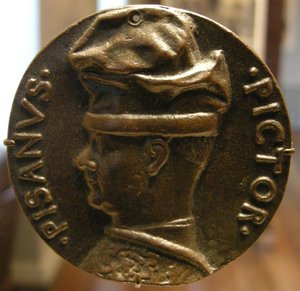
Pisanello's place in art history is secure as a pioneer of portrait medals—a genre that would become immensely popular among Italian nobility and beyond. His work embodies the crucial transition from Gothic to Renaissance aesthetics, blending meticulous observation with refined ornamentation.
He was celebrated in his own time by poets like Guarino da Verona and esteemed by humanist scholars who recognized his exceptional talent. Despite the loss of many of his paintings, Pisanello’s surviving drawings and medals continue to inspire awe and admiration—a testament to the enduring allure of a world caught between tradition and innovation.
- Portrait Medallions: Pioneered this genre, establishing it as a prominent form of artistic expression.
- Renaissance Aesthetic Synthesis: Successfully blended meticulous observation with refined ornamentation—defining the aesthetic sensibilities of his era.
Пизанello
1395 - 1455 , Италия
Основные сведения
- Artistic Movement Or Style: Готический искусство; Раннее Возрождение
- Artists Or Movements Influenced By This Artist: ['Пиеро делла Франческа']
- Artists Who Influenced This Artist:
- Жентил да Фабриано
- Стефано да Верона
- Date Of Birth: Около 1380 г.
- Date Of Death: Около 1455 г.
- Full Name: Антонио ди Пуччо Пизано
- Nationality: Итальянский
- Notable Artworks:
- Святой Георгий и принцесса Трезвицы
- Мадонна и куропатка
- Place Of Birth: Пиза, Италия
Похожие статьи
Beyond Borders: The Spiritual & Stylistic Innovations of International Gothic Art
Explore the exquisite beauty & spiritual depth of International Gothic art. Discover key artists like Simone Martini & Pol de Limbourg, its origins, symbolism, and lasting influence on European painting. Expert insights at ArtsDot.

Giclée Prints: Archival Quality & Aesthetic Nuances for the Discerning Collector
Explore the world of giclée prints with ArtsDot. Learn about archival quality, aesthetic nuances & investment potential. Expert guidance for discerning art collectors seeking museum-quality reproductions and lasting value.

The Enduring Legacy of Fine Art Prints: Technique, History & Aesthetic Impact
Explore the rich history & techniques of fine art prints. Discover investment potential, assess authenticity, and learn how to preserve your collection with expert guidance. Trusted insights for discerning collectors.

Echoes of Time: Exploring the Enduring Appeal & Historical Context of Vintage Art Prints
Explore the captivating world of vintage art prints! Discover their history, collecting tips & enduring appeal. Expert insights on chromolithography and building a legacy collection with ArtsDot.
The Enduring Legacy of Printmaking: Techniques, Themes & Artistic Innovation Across Centuries
Explore the rich history of printmaking with ArtsDot. Discover techniques from intaglio to lithography, learn about collecting valuable prints & find museum-quality reproductions. Expert insights for art enthusiasts and collectors.