

 Поделиться
 Поделиться
 Детали произведения

 Скачать
 Похожие работы
 Слайд-шоу
 Статистика
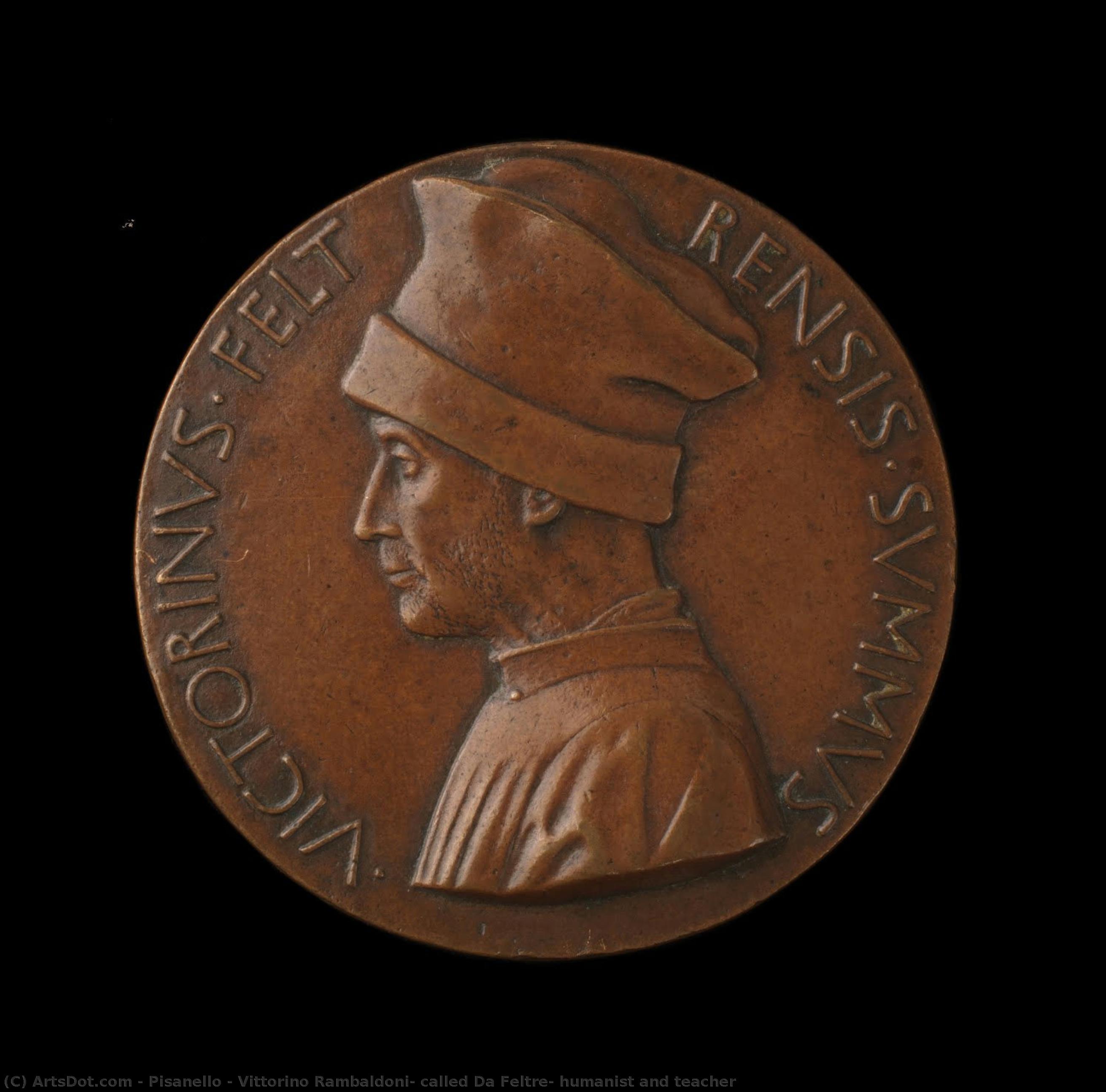
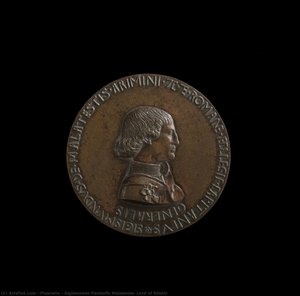
Vittorino Rambaldoni, called Da Feltre, humanist and teacher


 Читать далее
Приобретите цифровое изображение высокого разрешения в улучшенном качестве, которое значительно превосходит онлайн-превью.
Каждый файл тщательно подготавливается нашими специалистами с использованием передовых инструментов и экспертной ручной ретуши. Мы гарантируем исключительную четкость, точную цветопередачу и детальную проработку каждого изображения.
Финальный файл доставляется по электронной почте в течение 72 часов и оптимизирован для немедленного использования в профессиональной среде, при верстке и печати. Это тот же уровень качества, которому доверяют ведущие дизайнерские студии, издательства и галереи.
Цифровое изображение
Скачайте файл высокого разрешения для личного использования, печати и творческих проектов. ( Перейти к печати Купить картину ручной работы)
Включено в каждый заказ цифровых изображений
Гарантия экспертной цифровой доставки
Выбирая ArtsDot.com, вы получаете не просто изображение — вы приобретаете профессионально обработанное цифровое произведение искусства, созданное с безупречной точностью и под защитой гарантии качества. Вот всё, что автоматически входит в ваш заказ:

Мгновенная доставка по e-mail
Ваш цифровой файл в высоком разрешении будет отправлен вам по электронной почте в течение 72 часов после оформления заказа — и сразу станет доступен для использования.

Цифровой файл с ИИ-улучшением
Ваше произведение искусства проходит профессиональную оптимизацию с использованием передовых инструментов ИИ и ручной обработки, что гарантирует максимальную детализацию, четкость и точность цветопередачи.

Бессрочная бесплатная повторная доставка
Случайно удалили или потеряли файл? Не беспокойтесь — мы отправим его вам повторно в любое время и совершенно бесплатно.

Без импортных пошлин — навсегда
Наслаждайтесь вашим произведением искусства мгновенно без таможенных пошлин, сборов или затрат на доставку — цифровые загрузки всегда не облагаются налогом.

Гарантия точности цветопередачи
Мы гарантируем, что ваше цифровое изображение максимально точно передает оригинальные цвета благодаря использованию профессиональных инструментов и систем управления цветом.

Гарантия удовлетворенности 100 дней
Если вы не будете удовлетворены своим цифровым изображением, мы внесем правки или вернем 100% стоимости в течение 100 дней — без лишних вопросов.

100% Гарантия возврата средств
Не удовлетворены покупкой? Получите полный возврат средств в течение 100 дней после получения цифрового файла — без лишних вопросов.

Скидки на оптовые заказы
Купите 3 изображения, сэкономьте 10% — Купите 5, сэкономьте 15% — Купите 10+, сэкономьте 20%. Отличное решение для творческих проектов, галерей и агентств.
Vittorino Rambaldoni, Called Da Feltre: A Renaissance Portraitist's Legacy
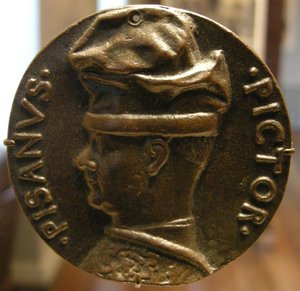
Pisanello’s bronze medal commemorating Vittorino da Feltre stands as a testament to the humanist ideals flourishing in fifteenth-century Italy—a harmonious blend of intellect and virtue embodied in a single figure. Crafted around 1440 by Antonio di Puccio Pisano, known universally as Pisanello, this exquisite piece transcends mere commemoration; it’s an artistic distillation of Vittorino's profound influence on the intellectual landscape of his time.- Subject Matter: The medal portrays Vittorino Rambaldoni da Feltre (1378 – February 2, 1446), a celebrated humanist and teacher hailing from Feltre, Belluno. He was recognized as one of the foremost educators of his era, shaping the minds of influential figures like Federico da Montefeltro and Gregorio Correr.
- Style: Pisanello’s artistic style exemplifies the late Gothic-Renaissance transition—characterized by a delicate linework reminiscent of Gothic art yet infused with Renaissance precision and naturalism. The artist skillfully captures Vittorino's likeness, prioritizing expressive detail over rigid anatomical accuracy.
- Symbolism: The depiction of a pelican feeding her young serves as a potent symbol—drawing upon medieval Christian iconography—representing Vittorino’s unwavering devotion to nurturing and safeguarding knowledge and virtue.
- Legacy: Pisanello's medal profoundly impacted subsequent artistic practice, inspiring artists across Europe to adopt similar approaches to portraiture and commemorative sculpture. It remains an enduring emblem of Renaissance humanism and a captivating example of artistic excellence.
Похожие произведения
Биография художника
Pisanello - Antonio di Puccio Pisano (1395–1455)
Antonio di Puccio Pisano, commonly known as Pisanello, stands as a pivotal figure in bridging the gap between the opulent International Gothic style and the burgeoning Renaissance. Born around 1380/1395 in Pisa—though his early years were spent in San Vigilio sul Lago—Pisanello’s life was marked by artistic exploration and patronage, leaving an indelible mark on Italian art history.
His formative training likely occurred under the tutelage of Stefano da Verona, absorbing Veronese painting traditions. However, it was his apprenticeship with Gentile da Fabriano that cemented his stylistic trajectory, instilling in him a profound appreciation for meticulous observation and lavish ornamentation—qualities that would characterize his subsequent oeuvre.
- Early Life & Training: Pisanello’s birthplace fostered an environment conducive to artistic development. His early training under Stefano da Verona instilled a foundational understanding of Veronese painting techniques.
- Influence of Gentile da Fabriano: The collaboration with Gentile da Fabriano proved transformative, shaping his aesthetic sensibilities and emphasizing the importance of detail and opulent decoration.
- Travels & Commissions: Pisanello embarked on extensive journeys throughout Italy, securing commissions from prominent courts—Florence, Verona, Ferrara, Mantua, Milan, Rimini, and Naples—demonstrating his versatility as an artist and cementing his reputation as a court painter.
Masterpieces and a Distinctive Style
Pisanello’s artistic output is fragmented by loss and misattribution, yet it reveals a remarkable talent for blending diverse influences into a uniquely personal vision. His magnum opus, *Saint George and the Princess of Trebizond*, executed as a fresco in Verona’s Church of Sant'Anastasia, exemplifies his mastery of narrative composition and textural richness.
*The Vision of Saint Eustace,* signed “Antonius Pisanus,” showcases a harmonious blend of Gentile da Fabriano’s refinement and Stefano da Verona’s stylistic nuances. Beyond these celebrated works, *Madonna of the Quail*, created as part of Nicolò di Brenzoni’s funeral monument, underscores his skill in conveying emotion and capturing likeness.
- Saint George and the Princess: This fresco is considered Pisanello's masterpiece due to its intricate detail, vibrant colors, and masterful depiction of courtly life.
- The Vision of Saint Eustace: Demonstrates a harmonious blend of Gentile da Fabriano’s style and Stefano da Verona’s influence.
- Madonna of the Quail: Exemplifies Pisanello's ability to convey emotion and capture likeness effectively.
Influences and Artistic Development
Pisanello’s artistic journey wasn’t solely defined by formal training; it was shaped by a constant dialogue with the art of the past and present. Gentile da Fabriano undoubtedly influenced his early style, prioritizing detail and lavish ornamentation.
Stefano da Verona likely contributed to his formative stylistic development, grounding him in Veronese tradition. Interestingly, some scholars suggest connections to Paolo Uccello—a shared fascination with horses—evident in Pisanello’s drawings and paintings.
- Gentile da Fabriano: His mentor instilled a profound appreciation for detail and opulent decoration.
- Stefano da Verona: Provided foundational stylistic grounding rooted in Veronese painting traditions.
- Paolo Uccello: Shared fascination with horses, reflected in Pisanello’s drawings and paintings.
Historical Significance and Lasting Legacy
Pisanello's place in art history is secure as a pioneer of portrait medals—a genre that would become immensely popular among Italian nobility and beyond. His work embodies the crucial transition from Gothic to Renaissance aesthetics, blending meticulous observation with refined ornamentation.
He was celebrated in his own time by poets like Guarino da Verona and esteemed by humanist scholars who recognized his exceptional talent. Despite the loss of many of his paintings, Pisanello’s surviving drawings and medals continue to inspire awe and admiration—a testament to the enduring allure of a world caught between tradition and innovation.
- Portrait Medallions: Pioneered this genre, establishing it as a prominent form of artistic expression.
- Renaissance Aesthetic Synthesis: Successfully blended meticulous observation with refined ornamentation—defining the aesthetic sensibilities of his era.
Пизанello
1395 - 1455 , Италия
Основные сведения
- Artistic Movement Or Style: Готический искусство; Раннее Возрождение
- Artists Or Movements Influenced By This Artist: ['Пиеро делла Франческа']
- Artists Who Influenced This Artist:
- Жентил да Фабриано
- Стефано да Верона
- Date Of Birth: Около 1380 г.
- Date Of Death: Около 1455 г.
- Full Name: Антонио ди Пуччо Пизано
- Nationality: Итальянский
- Notable Artworks:
- Святой Георгий и принцесса Трезвицы
- Мадонна и куропатка
- Place Of Birth: Пиза, Италия