

 Предпросмотр
 Поделиться
 Поделиться
 Детали произведения

 Скачать
 Похожие работы
 Рентгенография
 Слайд-шоу
 Статистика
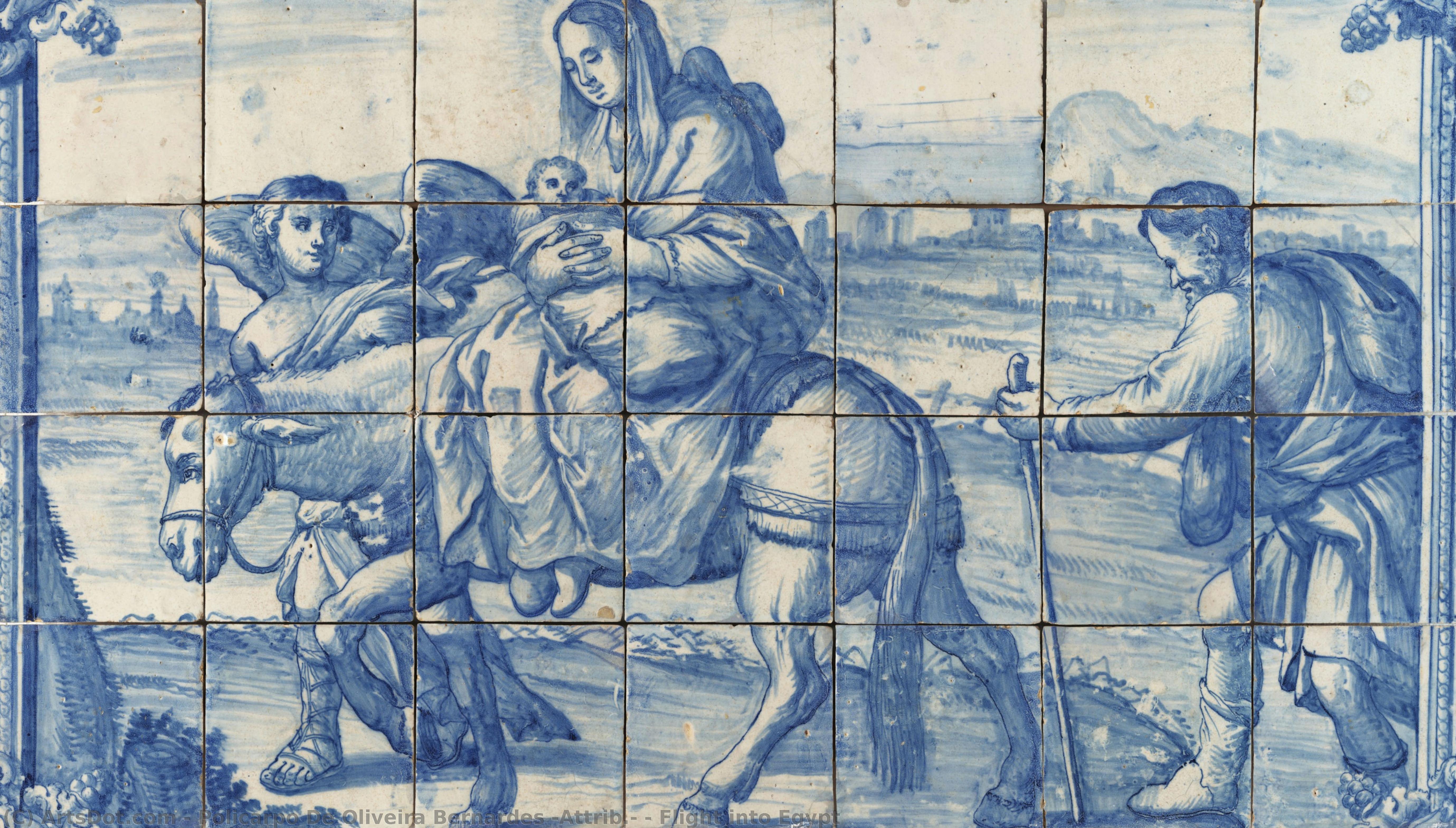
Flight into Egypt
 Portuguese Decorative Arts
 1730
1730 57.0 x 99.0 cm
 Национальный музей Азулежу
 Читать далее
Жикле / Арт-принт
Печать (жикле) или холст музейного качества с быстрыми сроками изготовления и широким выбором вариантов отделки. ( Купить картину ручной работы Перейти к цифровым изображениям)




































Выберите один из наших стандартных размеров, соответствующих оригинальным пропорциям произведения искусства.

Вы можете указать свои собственные размеры, чтобы репродукция идеально подошла под конкретную раму или пространство. Если выбранный вами размер не будет соответствовать пропорциям оригинала, мы либо обрежем произведение, либо дополним изображение зеркальным отражением краев или однотонной заливкой. Перед началом производства вам будет отправлен цифровой макет для утверждения.
Пожалуйста, обратите внимание, что предварительный просмотр на экране не отображает фактическую обрезку или расширение изображения. Только макет точно покажет финальную композицию.
Несмотря на возможность заказа индивидуальных размеров, мы рекомендуем выбирать размер из предопределенного списка, чтобы сохранить оригинальные пропорции.
Доставка по всему миру () за 2 недели вместо стандартных 4/5 недель. (13 Сентябрь)

Бесплатная экспресс-доставка по всему миру

Высококачественный льняной холст

Полное страхование доставки

Гарантия возмещения таможенных пошлин

Гарантия точного соответствия цветов

100-дневная политика возврата (только при обнаружении дефектов)

Гарантия возврата 100% средств

Предложение оптовых скидок
 Вариант со стеклом доступен только для размеров менее 110 см

Flight into Egypt
Жикле / Арт-принт
Размер репродукции
-


Итоговая стоимость
$ 62
Похожие произведения
Биография художника
Jean-Baptiste Pater: A Master of Parisian Fête Galante
Jean-Baptiste Pater, a name perhaps less familiar than those of Watteau or Rigaud, nevertheless stands as a significant figure in the development of French Rococo painting. Born in Valenciennes in 1695 and tragically dying in Paris at the young age of forty-one, Pater’s life was cut short but his artistic legacy endures through his exquisite depictions of *fêtes galantes* – scenes of idyllic leisure and aristocratic gatherings. His work offers a delicate blend of Watteau's influence with a subtly heightened sense of realism and narrative detail, marking him as a pivotal link in the evolution of this beloved genre. Pater’s artistic journey began under the tutelage of his uncle, Jean Pater, a painter who had moved to Paris and established a studio. However, it was his connection to François Boucher, a student of Watteau, that truly shaped his early training. Boucher, in turn, introduced Pater to the renowned masters Rigaud, Largillière, and most importantly, Rosalba Carriera. Carriera’s impact on Pater's style is undeniable; her innovative use of pastel – introduced to Paris in 1720-21 – immediately captivated artists and became a fashionable medium. Pater embraced this new technique with enthusiasm, incorporating its soft textures and luminous colors into his paintings, adding a layer of atmospheric depth previously unseen in the genre. His early years were spent diligently studying Watteau’s techniques, meticulously copying his compositions and color palettes, but he quickly began to develop his own distinct voice, moving beyond mere imitation towards a more nuanced interpretation of the *fête galante* subject matter.Early Influences and Artistic Development
Pater's upbringing in Valenciennes, a city with strong ties to the Flemish artistic tradition, undoubtedly played a role in his early development. His grandfather, Frederick Richter, was a goldsmith, exposing young Pater to the meticulous craftsmanship and attention to detail characteristic of that profession. Later, he studied at Uppsala University before apprenticing to David von Krafft, the court painter in Stockholm. This diverse range of influences – from Flemish artistry to Swedish nobility – contributed to his well-rounded artistic sensibility. However, it was his time in Paris, particularly his association with Carriera and the other leading artists of the day, that truly propelled him forward. He absorbed their techniques, experimented with new materials, and gradually forged a unique style characterized by its elegance, grace, and subtle emotional depth. Pater’s paintings are not simply picturesque scenes; they possess a quiet narrative quality, inviting viewers to imagine the conversations and emotions unfolding within the depicted gatherings.The Style of Pater: Delicate Realism and Pastel Mastery
Pater's distinctive style is immediately recognizable through his masterful use of pastel – a medium he embraced with particular skill. Unlike some of his contemporaries who employed pastel primarily for decorative effects, Pater utilized it to create subtle gradations of tone, luminous highlights, and delicate textures that enhanced the overall sense of atmosphere and realism. His figures are rendered with an exquisite attention to detail, capturing their movements, expressions, and clothing with remarkable accuracy. He skillfully blended elements of Watteau’s idealized beauty with a more grounded approach to anatomy and perspective, resulting in paintings that are both visually stunning and psychologically engaging. Pater's compositions often feature a carefully arranged group of figures engaged in leisurely activities – dancing, playing music, conversing – set against idyllic landscapes or opulent interiors. His use of light and shadow is particularly noteworthy, creating a sense of depth and drama within each scene.Notable Works and Legacy
Among Pater’s most celebrated works are *The Shepherdess*, *The Music Lesson*, and *The Bathing Woman*. These paintings exemplify his mastery of the *fête galante* genre, showcasing his technical skill, compositional ingenuity, and ability to evoke a sense of idyllic beauty. His work was highly sought after by aristocratic patrons throughout Europe, reflecting its popularity during the Rococo period. Although Pater’s career was tragically short, he left behind a significant body of work that continues to be admired for its elegance, grace, and technical brilliance. He is remembered as a key figure in the development of French painting, bridging the gap between Watteau's pioneering spirit and the subsequent developments of the Rococo style. His influence can be seen in the works of later artists who followed in his footsteps, solidifying his place as a master of Parisian *fête galante*.Further Research
For more information on Jean-Baptiste Pater, consult the following resources:- Art UK: Jean-Baptiste Pater (1695–1736)
- askART: Artist Biography & Facts Gustaf Lundberg (While focused on Lundberg, this resource provides valuable context about Carriera's influence and the pastel movement)

policarpo de oliveira bernardes (attrib.)
1695 - 1778 , Portugal
Основные сведения
- Artistic Movement Or Style: Fêtes galantes
- Artists Or Movements Influenced By This Artist: ['Carriera']
- Artists Who Influenced This Artist: ['Watteau']
- Date Of Birth: 1695
- Date Of Death: 1736
- Full Name: Jean-Baptiste Pater
- Nationality: French
- Notable Artworks:
- Bacchus and Ariadne
- The Shepherdess
- Place Of Birth: Valenciennes, France
Похожие статьи
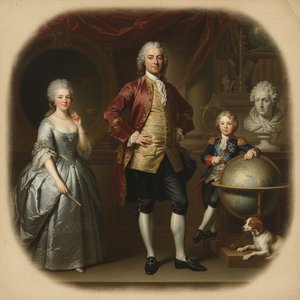
Reflecting Nobility & Nuance: 18th-Century Portraiture as a Window into Societal Values
Explore the world of 18th-century portraiture with ArtsDot. Discover symbolism, artistic innovation & societal values reflected in masterpieces by Reynolds, Hogarth & more. Expert insights for collectors.
Alfredo Roque Gameiro: A Portuguese Master of Historical Painting & Artistic Eclecticism
Discover Alfredo Roque Gameiro (1864-1935), a renowned Portuguese painter celebrated for his vibrant watercolors and historical illustrations. Explore his legacy & artworks at ArtsDot.
Iconic Art of the 18th & 19th Centuries: Masterpieces for Your Home | ArtsDot
Journey through 18th & 19th century art! Explore iconic masterpieces by Monet, Van Gogh & more. Discover the stories behind these timeless paintings and find museum-quality reproductions for your home at ArtsDot.com.
Reflections of an Age: Social Commentary & Artistic Representation in 18th-Century Society
Explore the social commentary & artistic representation of 18th-century society. Discover Rococo masterpieces, portraiture's power, and shifting historical perspectives. Expert insights for art lovers.

Величие XVIII века: Топ-10 шедевров искусства для вашего интерьера
Погрузитесь в эпоху рококо и барокко! Топ-10 шедевров XVIII века от Буше, Фрагонара и Рейнольдса. Узнайте историю создания культовых картин и вдохновитесь для декора вашего дома. Репродукции высокого качества на ArtsDot.com