

 Поделиться
 Поделиться
 Детали произведения

 Скачать
 Похожие работы
 Слайд-шоу
 Статистика
Cocktail ensemble


 Читать далее
Масляная репродукция ручной работы
Картина маслом на холсте в выбранном вами размере и раме, написанная на заказ нашими художниками. ( Перейти к печати Перейти к цифровым изображениям)




































Выберите один из наших стандартных размеров, соответствующих оригинальным пропорциям произведения искусства.

Вы можете указать собственные размеры, чтобы картина идеально вписалась в выбранную раму или пространство. Если выбранный вами размер не соответствует пропорциям оригинала, мы либо обрежем полотно, либо расширим его за счет дополнительных элементов, написанных вручную. Цифровой макет будет отправлен вам на утверждение перед началом производства.
Обратите внимание, что предварительный просмотр на экране не отражает фактическую обрезку или расширение. Только макет точно покажет окончательную композицию.
Хотя доступны индивидуальные размеры, мы рекомендуем выбирать вариант из предопределенного списка, чтобы сохранить исходные пропорции.
После оформления заказа команда ArtsDot.com свяжется с клиентом по электронной почте для уточнения деталей и предоставит предварительный макет
Доставка по всему миру () за 3–4 недели вместо стандартных 5 недель. (11 Сентябрь). Без компромиссов в качестве.

Бесплатная экспресс-доставка по всему миру

Высококачественный льняной холст

Полное страхование доставки

Гарантия возмещения таможенных пошлин

Гарантия точного соответствия цветов

100-дневная политика возврата (только при обнаружении дефектов)

Гарантия возврата 100% средств

Предложение оптовых скидок
 Вариант со стеклом доступен только для размеров менее 110 см

Cocktail ensemble
Техника репродукции
Размер репродукции
-


Итоговая стоимость
$ 263
The Echoes of Mid-Century Chic: A Study in Tailored Elegance
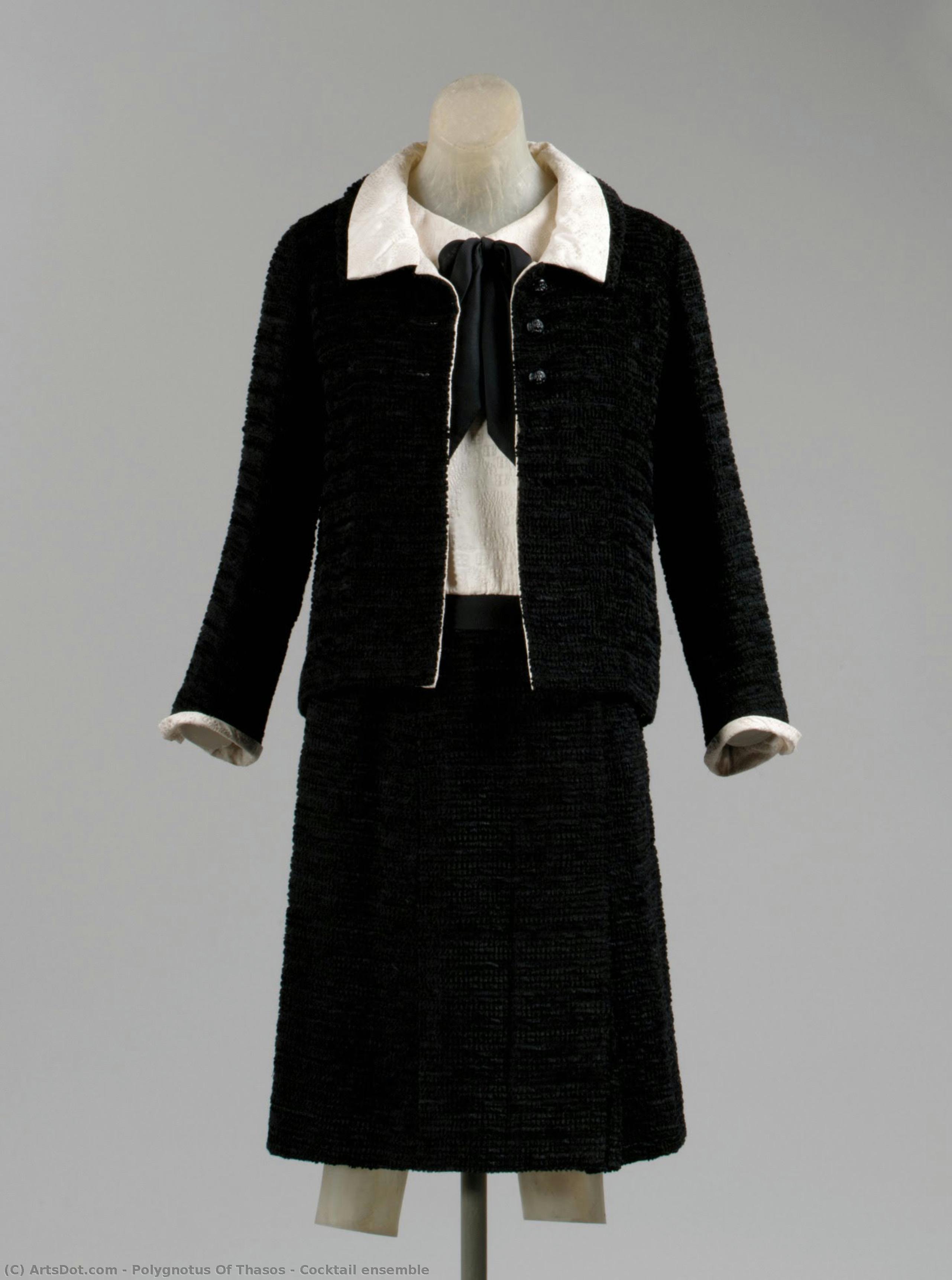
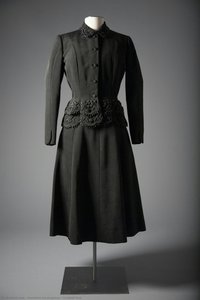
To gaze upon this depiction of the "Cocktail ensemble" is to step directly into the sophisticated glow of 1969. It is not merely a photograph of clothing; it is a preserved moment of post-war glamour, an artifact whispering tales of structured femininity and effortless style. The composition centers on a vintage women's suit—a jacket paired with a matching skirt—presented with the stark clarity only studio photography can achieve. The immediate visual impact is one of disciplined elegance, dominated by the classic interplay of black and white, punctuated by crisp white detailing at the collar and tie. This ensemble speaks to an era when fashion was both an art form and a precise statement of social standing.
Texture, Structure, and the Art of the Weave
The technical mastery evident in this piece lies within its materiality. The fabric itself, appearing to be a richly textured tweed or similar tightly woven blend, is central to the visual narrative. Observe how the weave catches the soft, diffused light; it creates an intricate topography across the black expanse of the suit, giving depth where flat color might fail. The tailoring is impeccable, defining a structured silhouette that speaks volumes about the design principles of Polygnotus of Thasos. While the artist's name evokes ancient Greek mural painting—a fascinating juxtaposition given the 1969 date—the skill applied here to fabric structure suggests an understanding of form that transcends time. The way the jacket layers over the visible underlayer adds a subtle, almost architectural depth to the presentation.
Symbolism of the Cocktail Attire
Beyond its aesthetic appeal, this ensemble carries potent symbolic weight. It embodies sophistication and controlled exuberance—the perfect attire for an evening gathering where one wishes to project confidence without shouting it. The black and white palette itself is a timeless symbol of duality, purity against mystery, making the wearer appear both grounded and ethereal. For collectors or designers seeking inspiration, this piece suggests that true style is not about fleeting trends, but about mastering foundational structures—the perfect cut, the enduring contrast, the quality of the weave. It evokes an emotional resonance of polished nostalgia.
A Reproduction for Modern Adornment
For those who wish to bring this captured moment of mid-century glamour into a contemporary space, acquiring a high-quality reproduction allows one to curate a narrative within their own home or studio. The photographic medium itself lends an air of documentary truth, making the piece feel both historical and immediate. Whether displayed as fine art photography or used as inspiration for interior design accents, this "Cocktail ensemble" serves as a powerful anchor point—a reminder that true style is always meticulously considered.
Похожие произведения




Биография художника
The Dawn of Soul in Greek Painting: Polygnotus of Thasos
Polygnotus, a name whispered through the annals of ancient art history as “the Homer of painters,” represents a pivotal moment—a transition from the decorative to the deeply expressive. Living during the mid-5th century BC, a period of burgeoning Athenian power and artistic revival following the Persian Wars, Polygnotus wasn’t merely a craftsman applying pigment to walls; he was a storyteller who imbued his frescoes with an unprecedented sense of character and moral weight. Born on the island of Thasos, he became inextricably linked with Athens, adopted by the city not through political maneuvering but through the sheer force of his artistic genius. His father, Aglaophon, initiated him into the mysteries of painting, yet Polygnotus surpassed his teacher, forging a path that would redefine Greek mural art and influence generations to come.A Patronage Rooted in Civic Pride
Polygnotus’s rise coincided with the leadership of Cimon, a prominent Athenian statesman who recognized the power of art as a vehicle for civic pride and cultural identity. It was during Cimon's time that Polygnotus received commissions for two monumental works within Athens itself: *Iliupersis* (The Sack of Troy) adorning the walls of the Stoa Poikile, and *Nekyia* (Odysseus’ Descent into Hades), painted in the Anacaeum. Plutarch recounts a fascinating detail—that Polygnotus refused monetary compensation for these projects, motivated instead by a genuine desire to serve the Athenian people. This act alone speaks volumes about his character and the evolving perception of the artist as more than just a skilled laborer but as a benefactor contributing to the collective spirit of the city. These were not simply depictions of mythological events; they were visual narratives intended to inspire patriotism, reflect on the consequences of war, and explore fundamental human values.Frescoes That Spoke Volumes: Technique and Innovation
The most celebrated—and tragically, largely lost to time—examples of Polygnotus’s artistry are his frescoes within the Lesche of the Knidians at Delphi. These paintings, depicting scenes from Odysseus' journey to the underworld and the fall of Troy, were meticulously documented by the traveler Pausanias in the 2nd century AD, providing invaluable insights into their composition and style. Polygnotus employed a limited palette—black, white, yellow, and red—yet achieved remarkable expressiveness through subtle color mixing and masterful draftsmanship. His technique was notably innovative for its time. Unlike earlier artists who often presented figures in rigid profile, Polygnotus arranged his compositions with figures detached yet interacting, spanning multiple levels without the illusionistic depth of later periods. The figures weren’t smaller or dimmer as they receded into space; instead, they maintained a consistent clarity and presence, creating a unique sense of narrative coherence. This approach, described by some scholars as akin to contemporary sculptural reliefs, prioritized storytelling over strict realism.The Ethos of the Human Form
What truly distinguished Polygnotus was his ability to convey *ethos*—the character, moral disposition, and inner life of his subjects. Aristotle famously praised him as a “fine portrayer of ethos,” contrasting his work with that of Zeuxis, who focused on mere visual accuracy. Polygnotus didn’t aim for photographic representation; he sought to capture the essence of human emotion and experience. He was among the first to depict figures with open mouths, showing teeth in expressions of anguish or determination—a radical departure from earlier conventions. His paintings weren't simply *about* mythological heroes; they *felt* like those heroes, imbued with a sense of vulnerability, courage, and suffering. This emphasis on psychological depth resonated deeply with audiences and established a new standard for artistic expression.A Lasting Legacy: The First Great Painter
Polygnotus’s influence extended far beyond his own lifetime. He was revered by later artists and writers as the founder of Greek painting, the one who first breathed soul into form and color. Though few original works survive—only fragments and descriptions remain—his impact is undeniable. His emphasis on narrative clarity, emotional expressiveness, and moral depth laid the groundwork for subsequent generations of painters, shaping the course of Western art for centuries to come. He wasn’t merely a painter; he was a philosopher who used his brush as a tool for exploring the human condition, leaving behind a legacy that continues to inspire awe and admiration today.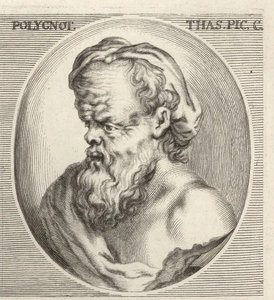
polygnotus of thasos
Greece
Основные сведения
- Artistic Movement Or Style: Ancient Greek painting
- Artists Who Influenced This Artist: ['Aglaophon']
- Date Of Birth: 5th century BC
- Full Name: Polygnotus of Thasos
- Nationality: Greek
- Notable Artworks:
- Taking of Troy
- Marriage of Leucippus's daughters
- Visit to Hades
- Odysseus and the Trojan War
- Place Of Birth: Thassos, Greece
Похожие статьи

Cristóbal Balenciaga: Deconstructing Haute Couture's Architectural Legacy
Explore the revolutionary world of Cristóbal Balenciaga, the 'couturier's couturier'. Discover his architectural designs, lasting influence on haute couture, and guide to collecting rare pieces. A connoisseur’s resource.

Gianfranco Ferré: Deconstructing Haute Couture – A Legacy of Architectural Form
Explore the revolutionary world of Gianfranco Ferré, 'the architect of fashion.' Discover his architectural approach to haute couture, iconic Dior designs, and lasting influence on luxury style. A deep dive for collectors & enthusiasts.
Echoes of Time: Nostalgia, Technique & Cultural Significance in Vintage Paintings
Explore the captivating world of vintage paintings! Discover key styles, cultural significance & collecting tips from art experts at ArtsDot. Find authentic reproductions and elevate your home décor.
Mariano Fortuny: A Fusion of Art, Fashion & Design – Exploring a Venetian Innovator's Legacy
Explore the captivating world of Mariano Fortuny – artist, designer & innovator. Discover his revolutionary textiles, iconic Delphos gown, and lasting influence on art, fashion & interiors. A collector's guide to a Venetian master.
Draped Narratives: Fashion as Symbol & Subject in Historical Art
Explore the fascinating history of fashion as a symbol of power & status in art! Discover masterpieces from Gainsborough to Tissot and learn how clothing shaped societal narratives. Find museum-quality reproductions at ArtsDot.