

 Предпросмотр
 Поделиться
 Поделиться
 Детали произведения

 Скачать
 Похожие работы
 Рентгенография
 Слайд-шоу
 Статистика
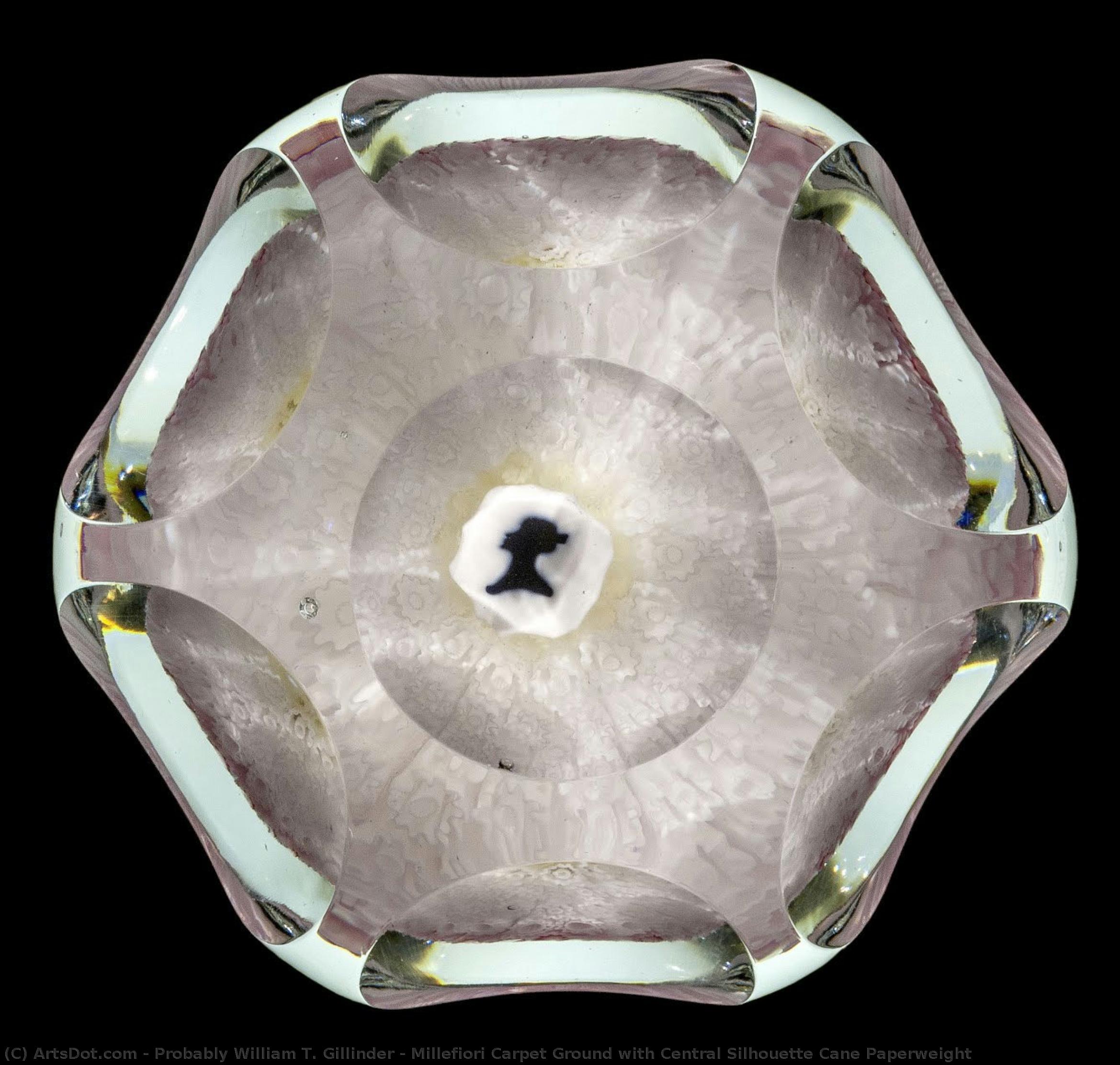
Millefiori Carpet Ground with Central Silhouette Cane Paperweight
 5.0 x 8.0 cm
 Bergstrom-Mahler Museum of Glass
 Читать далее
Приобретите цифровое изображение высокого разрешения в улучшенном качестве, которое значительно превосходит онлайн-превью.
Каждый файл тщательно подготавливается нашими специалистами с использованием передовых инструментов и экспертной ручной ретуши. Мы гарантируем исключительную четкость, точную цветопередачу и детальную проработку каждого изображения.
Финальный файл доставляется по электронной почте в течение 72 часов и оптимизирован для немедленного использования в профессиональной среде, при верстке и печати. Это тот же уровень качества, которому доверяют ведущие дизайнерские студии, издательства и галереи.
Цифровое изображение
Скачайте файл высокого разрешения для личного использования, печати и творческих проектов. ( Перейти к печати Купить картину ручной работы)
Включено в каждый заказ цифровых изображений
Гарантия экспертной цифровой доставки
Выбирая ArtsDot.com, вы получаете не просто изображение — вы приобретаете профессионально обработанное цифровое произведение искусства, созданное с безупречной точностью и под защитой гарантии качества. Вот всё, что автоматически входит в ваш заказ:

Мгновенная доставка по e-mail
Ваш цифровой файл в высоком разрешении будет отправлен вам по электронной почте в течение 72 часов после оформления заказа — и сразу станет доступен для использования.

Цифровой файл с ИИ-улучшением
Ваше произведение искусства проходит профессиональную оптимизацию с использованием передовых инструментов ИИ и ручной обработки, что гарантирует максимальную детализацию, четкость и точность цветопередачи.

Бессрочная бесплатная повторная доставка
Случайно удалили или потеряли файл? Не беспокойтесь — мы отправим его вам повторно в любое время и совершенно бесплатно.

Без импортных пошлин — навсегда
Наслаждайтесь вашим произведением искусства мгновенно без таможенных пошлин, сборов или затрат на доставку — цифровые загрузки всегда не облагаются налогом.

Гарантия точности цветопередачи
Мы гарантируем, что ваше цифровое изображение максимально точно передает оригинальные цвета благодаря использованию профессиональных инструментов и систем управления цветом.

Гарантия удовлетворенности 100 дней
Если вы не будете удовлетворены своим цифровым изображением, мы внесем правки или вернем 100% стоимости в течение 100 дней — без лишних вопросов.

100% Гарантия возврата средств
Не удовлетворены покупкой? Получите полный возврат средств в течение 100 дней после получения цифрового файла — без лишних вопросов.

Скидки на оптовые заказы
Купите 3 изображения, сэкономьте 10% — Купите 5, сэкономьте 15% — Купите 10+, сэкономьте 20%. Отличное решение для творческих проектов, галерей и агентств.
Похожие произведения





Биография художника
The Enigmatic World of William T. Gillinder
The name William T. Gillinder resonates within the specialized circles of antique paperweight collecting, yet remains largely unknown to the broader art historical landscape. This is a curious situation for an artist whose delicate creations—primarily millefiori paperweights—capture a fleeting moment in Victorian artistry and technical skill. While biographical details surrounding Gillinder are scarce, his work speaks volumes about the burgeoning glassmaking industry of 19th-century America and the refined tastes of its emerging middle class. He is believed to have been active during the mid-to-late 1800s, a period marked by rapid industrialization alongside a renewed appreciation for handcrafted objects. The lack of extensive documentation adds an air of mystery to his oeuvre, prompting speculation about his training and influences. It’s generally accepted that Gillinder worked in Philadelphia, a significant center for glass production at the time, though precise details regarding workshops or apprenticeships remain elusive.A Master of Millefiori
Gillinder's artistic legacy rests almost entirely on his exceptional paperweights, specifically those employing the millefiori technique—Italian for “thousand flowers.” This complex process involves creating intricate floral designs from glass canes, which are then cross-sectioned and arranged within a clear glass matrix. The resulting compositions appear as miniature gardens suspended in time. Gillinder distinguished himself through an extraordinary command of color and form. His paperweights aren’t merely decorative; they demonstrate a sophisticated understanding of light refraction and the interplay between vibrant hues. He favored a palette rich in ruby reds, cobalt blues, emerald greens, and sunny yellows, often juxtaposing them with delicate white latticework or contrasting dark grounds to enhance their visual impact.Influences and Artistic Context
The origins of millefiori glassmaking can be traced back to ancient Rome, but the technique experienced a significant revival in Murano, Italy, during the 19th century. It is highly probable that Gillinder was influenced by examples of Italian millefiori paperweights imported into America. However, he wasn’t simply a copyist. He adapted the technique to his own aesthetic sensibilities and the demands of the American market. The Victorian era prized sentimentality and naturalistic representation, and Gillinder's paperweights perfectly embodied these values. His work also reflects the broader artistic trends of the period, including the influence of botanical illustration and the growing fascination with exotic flora. The meticulous detail in his floral arrangements suggests a keen observation of nature, perhaps informed by popular gardening books or direct study of plant life.Technical Prowess and Lasting Appeal
Creating millefiori paperweights is an incredibly demanding process, requiring both technical skill and artistic vision. Gillinder’s mastery lies in his ability to seamlessly integrate hundreds of individual glass canes into a harmonious whole. The canes themselves had to be precisely crafted, cooled, and arranged before being fused together within the molten glass. This required exceptional control over temperature and timing, as well as a deep understanding of how different colors would interact when heated. Beyond the technical challenges, Gillinder possessed an innate sense of composition and color balance. His paperweights are not haphazard arrangements; they are carefully considered works of art that showcase his artistic sensibility. Today, his creations are highly sought after by collectors for their beauty, rarity, and historical significance. They offer a glimpse into a bygone era—a time when handcrafted objects were valued for their artistry and the skill of the artisans who created them.A Legacy in Glass
Although William T. Gillinder’s life remains shrouded in obscurity, his paperweights continue to captivate and inspire. His work stands as a testament to the enduring appeal of handcrafted art and the beauty that can be achieved through technical mastery and artistic vision. While he may not have achieved widespread recognition during his lifetime, Gillinder's legacy lives on in the exquisite paperweights he left behind—miniature worlds of color and light that offer a timeless glimpse into the Victorian aesthetic. His pieces are now treasured as examples of American glassmaking artistry, representing a unique blend of Italian technique and American sensibility. The ongoing fascination with his work ensures that William T. Gillinder will continue to be remembered as a master of millefiori and a significant figure in the history of paperweight collecting.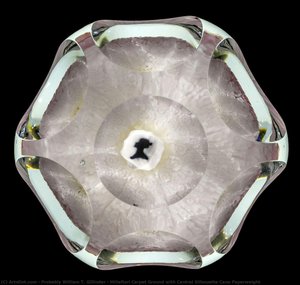
Основные сведения
- Artistic Movement Or Style: Paperweight Art
- Date Of Death: Living
- Full Name: William T. Gillinder
- Notable Artworks: ['Millefiori Carpet Ground Paperweight']