

 Поделиться
 Поделиться
 Детали произведения

 Скачать
 Похожие работы
 Слайд-шоу
 Статистика
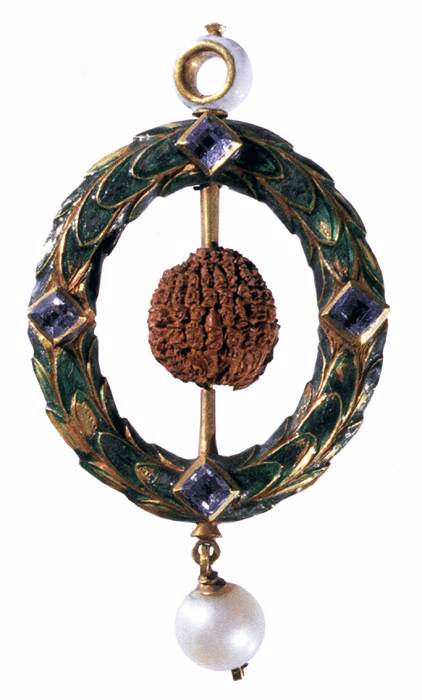
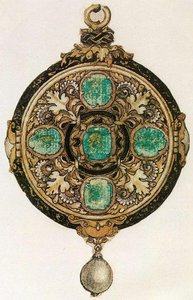
Carved Cherry Stone Pendant
 Sculpture Bronze
- Renaissance
 1510
1510 4.0 x 2.0 cm
 Museo degli Argenti
 Читать далее
Жикле / Арт-принт
Печать (жикле) или холст музейного качества с быстрыми сроками изготовления и широким выбором вариантов отделки. ( Купить картину ручной работы Перейти к цифровым изображениям)




































Выберите один из наших стандартных размеров, соответствующих оригинальным пропорциям произведения искусства.

Вы можете указать свои собственные размеры, чтобы репродукция идеально подошла под конкретную раму или пространство. Если выбранный вами размер не будет соответствовать пропорциям оригинала, мы либо обрежем произведение, либо дополним изображение зеркальным отражением краев или однотонной заливкой. Перед началом производства вам будет отправлен цифровой макет для утверждения.
Пожалуйста, обратите внимание, что предварительный просмотр на экране не отображает фактическую обрезку или расширение изображения. Только макет точно покажет финальную композицию.
Несмотря на возможность заказа индивидуальных размеров, мы рекомендуем выбирать размер из предопределенного списка, чтобы сохранить оригинальные пропорции.
Доставка по всему миру () за 2 недели вместо стандартных 4/5 недель. (12 Сентябрь)

Бесплатная экспресс-доставка по всему миру

Высококачественный льняной холст

Полное страхование доставки

Гарантия возмещения таможенных пошлин

Гарантия точного соответствия цветов

100-дневная политика возврата (только при обнаружении дефектов)

Гарантия возврата 100% средств

Предложение оптовых скидок
 Вариант со стеклом доступен только для размеров менее 110 см

Carved Cherry Stone Pendant
Жикле / Арт-принт
Размер репродукции
-


Итоговая стоимость
$ 62
Carved Cherry Stone Pendant: A Renaissance Echo of Virtue and Temptation
Properzia de’ Rossi’s “Carved Cherry Stone Pendant,” created around 1510, stands as an extraordinary testament to artistic innovation within the confines of a patriarchal era. More than just a decorative object—a meticulously crafted amulet—it embodies profound symbolic resonance rooted in humanist ideals and skillfully executed craftsmanship.
- Subject Matter: The pendant depicts Joseph fleeing from Potiphar’s wife, capturing a pivotal moment from Genesis where biblical morality confronts sensual desire. This narrative choice speaks to the broader Renaissance preoccupation with virtue versus temptation—a theme prevalent in both religious and artistic circles of the time.
- Style & Influence: De’ Rossi's work aligns powerfully with Art Nouveau sensibilities, characterized by flowing lines and organic forms that evoke movement and elegance. Her style draws inspiration from masters like Michelangelo and Raphael, demonstrating a sophisticated understanding of classical proportions and expressive gesture—a hallmark of the “maniera moderna.”
- Technique: The pendant’s creation involved a masterful blend of metal casting and engraving, complemented by delicate enameling. Skilled artisans painstakingly carved the cherry stone itself, achieving remarkable textural detail while incorporating gold, silver, gemstones (primarily blue and purple), and a pearl—materials indicative of aristocratic patronage and reflecting the prestige associated with Renaissance art.
- Historical Context: Produced during the High Renaissance in Bologna – a city renowned for its artistic fervor – the pendant reflects the broader cultural landscape where artists sought to elevate moral instruction alongside aesthetic beauty. The commission by Goro Geri underscores the importance of patronage in fostering artistic excellence and disseminating humanist values.
- Symbolism: Beyond its narrative depiction, the pendant’s circular form symbolizes wholeness and eternity—a concept central to Renaissance cosmology. The juxtaposition of the cherry stone (representing potential and fertility) with the pearl (symbolizing purity and wisdom) reinforces this symbolic framework, inviting contemplation on themes of spiritual aspiration and moral fortitude.
The Museo degli Argenti in Palazzo Pitti houses a remarkable replica of this masterpiece. Its enduring appeal lies not only in its exquisite artistry but also in its ability to transport viewers back to the intellectual and artistic dynamism of 16th-century Italy—a period defined by groundbreaking achievements in sculpture, painting, and architecture.
Detailed Examination: Craftsmanship and Material Considerations
The pendant’s surface is adorned with square blue gemstones and smaller purple accents – a deliberate choice designed to heighten visual impact and convey prestige. The meticulous engraving process reveals an astonishing level of precision, demonstrating the artist's mastery of technique and highlighting the importance of craftsmanship in achieving artistic excellence.
Further Research & Artistic Legacy
Contemporary accounts describe Properzia de’ Rossi as a defiant spirit who challenged societal expectations for women artists. Her inclusion in Giorgio Vasari’s Lives of the Artists cemented her place in art history—a testament to her unwavering ambition and enduring contribution to Renaissance sculpture.
Resources & Inspiration
Explore Further: Carved Cherry Stone Pendant - Properzia De' Rossi Gallery - Art, Properzia de’ Rossi, Carved Cherry Stone Pendant by ROSSI, Properzia de’
Похожие произведения

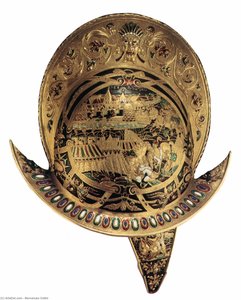
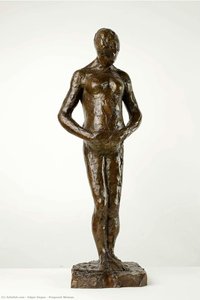
Биография художника
A Defiant Spirit in Stone: The Life and Legacy of Properzia de’ Rossi
Properzia de' Rossi emerged from the vibrant artistic landscape of Renaissance Bologna as a singular, almost defiant figure. Born around 1490 into a family unconnected to the world of art—her father was a notary—she carved for herself an unprecedented path as a sculptor in a society that largely confined women to domestic roles. Her story is one of remarkable talent, unwavering ambition, and the persistent challenges faced by female artists striving for recognition in a male-dominated era. Unlike many of her contemporaries who benefited from familial artistic training, Properzia’s early education was remarkably broad, encompassing painting, music, dance, poetry, and classical literature—a testament to the humanist ideals flourishing during the Renaissance. This diverse foundation undoubtedly shaped her artistic sensibility, fostering a keen eye for detail and a deep appreciation for form and narrative. A pivotal moment in her development came with her studies under Marcantonio Raimondi, a master engraver renowned for his reproductions of Raphael’s works; this mentorship provided her with crucial technical skills and exposed her to the prevailing aesthetic currents of the time.From Miniature Marvels to Monumental Ambition
Properzia initially gained renown not through grand marble sculptures, but through astonishingly intricate carvings on fruit stones—apricots, peaches, and cherries. These miniature artworks, often depicting religious scenes like a poignant depiction of the Crucifixion within a peach pit, showcased an extraordinary level of skill and patience. While some accounts, notably those by Giorgio Vasari, may have embellished the extent of this early work to emphasize her ingenuity, there’s no denying the exceptional talent demonstrated in transforming such delicate materials into compelling artistic statements. These miniature carvings weren't merely exercises in technical prowess; they reflected a deep understanding of devotional art and a commitment to religious themes prevalent during the Renaissance. This early success served as a springboard for Properzia’s ambition, propelling her towards larger-scale projects in marble. By the 1520s, she was actively pursuing commissions that would establish her reputation as a serious sculptor, participating in competitions and securing prestigious assignments.A Master of *Maniera Moderna* and the San Petronio Commission
The 1520s marked a turning point in Properzia’s career, with larger-scale marble sculptures becoming her primary focus. She competed for the honor of decorating the high altar of the Sanctuary of the Madonna del Baraccano in Bologna, a significant step that demonstrated her growing confidence and artistic ambition. Her talent soon garnered acclaim, leading to portrait busts that solidified her reputation as a skilled sculptor. However, it was her commission to create sculptures for the west facade of San Petronio—Bologna’s magnificent basilica—that truly cemented her place in art history. This prestigious project included three sibyls, two angels, and, most notably, a pair of bas-relief panels depicting scenes from the Old Testament. Joseph and Potiphar's Wife, now housed in the Museum of San Petronio, is widely considered her masterpiece. The panel showcases Properzia’s mastery of anatomy, classical drapery, and dramatic narrative—Joseph’s desperate attempt to flee the advances of Potiphar’s wife is rendered with compelling intensity and emotional depth. Her style during this period reflected the *maniera moderna* prevalent in Italian Renaissance art, drawing inspiration from artists like Giulio Romano, Michelangelo, Alfonso Lombardi, Correggio, and Parmigianino; she synthesized these influences into a uniquely personal artistic voice.Turbulence, Recognition, and an Enduring Legacy
Properzia’s life was not without its shadows. Records reveal accusations of vandalism and assault, suggesting a turbulent personal life that may have fueled the dramatic intensity evident in her art. Giorgio Vasari's biography, while providing valuable insights, also reflects the societal biases of his time—portraying her as tormented by unrequited love and attributing her artistic struggles to emotional instability. Despite achieving significant commissions, Properzia died relatively young, around 39 or 40 years old, impoverished and without close relatives or friends. Vasari’s account, though colored by prevailing attitudes towards women artists, underscores the challenges she faced in navigating a male-dominated profession. Nevertheless, Properzia de' Rossi remains an important figure in art history as one of the few female sculptors recognized during the Renaissance. Her story highlights the obstacles encountered by women seeking artistic careers and serves as a powerful testament to her exceptional talent and unwavering determination—a defiant spirit who carved her own place in the annals of art.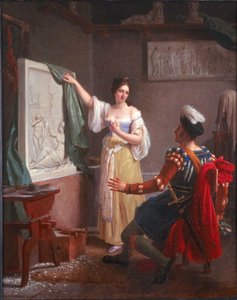
Properzia de' Rossi
1490 - 1530 , Italy
Основные сведения
- Artistic Movement Or Style: Maniera moderna
- Artists Who Influenced This Artist:
- Giulio Romano
- Michelangelo
- Alfonso Lombardi
- Correggio
- Parmigianino
- Date Of Birth: c. 1490
- Date Of Death: 1530
- Full Name: Properzia de' Rossi
- Nationality: Italian
- Notable Artworks:
- Joseph and Potiphar's Wife
- Grassi Family Crest
- Carved Cherry Stone Pendant
- Place Of Birth: Bologna, Italy
Похожие статьи

О нас
Откройте для себя нашу историю! Мы привносим искусство мирового класса в вашу жизнь благодаря экспертному отбору, индивидуальным заказам и бесплатным обзорам. Одобрено частными лицами и компаниями с 2000 года.
Maurice Quentin de La Tour: Light, Shadow & the Rococo Portrait
Explore the captivating world of Maurice Quentin de La Tour, a master of Rococo portraiture. Discover his innovative pastel techniques, intimate depictions of French aristocracy, and lasting artistic legacy. Learn more at ArtsDot.
Топ-10 знаменитых картин в каменных тонах: искусство и декор от ArtsDot
Откройте для себя 10 знаменитых картин, где камень становится главным героем! Изучите историю искусства, технику живописи и вдохновитесь шедеврами импрессионизма и реализма. Репродукции высокого качества на ArtsDot.com – преобразите интерьер с искусством!

Топ-25 шедевров Гойи: от придворного портрета до мрачных пророчеств | ArtsDot
Погрузитесь в мир гения Франсиско Гойи! 🎨 От придворных портретов до мрачных "Капричос" – исследуйте топ-25 шедевров испанского романтизма. Купите репродукции картин Гойи музейного качества на ArtsDot.com и украсьте свой интерьер искусством.
Pieter de Hooch: Illuminating Dutch Domestic Life & Golden Age Charm
Explore the captivating world of Pieter de Hooch, a master of Dutch Golden Age painting. Discover his innovative use of light, intimate domestic scenes, and lasting influence on art history. Learn more at ArtsDot.