 Предпросмотр
 Поделиться
 Поделиться
 Детали произведения

 Скачать
 Похожие работы
 Рентгенография
 Слайд-шоу
 Статистика
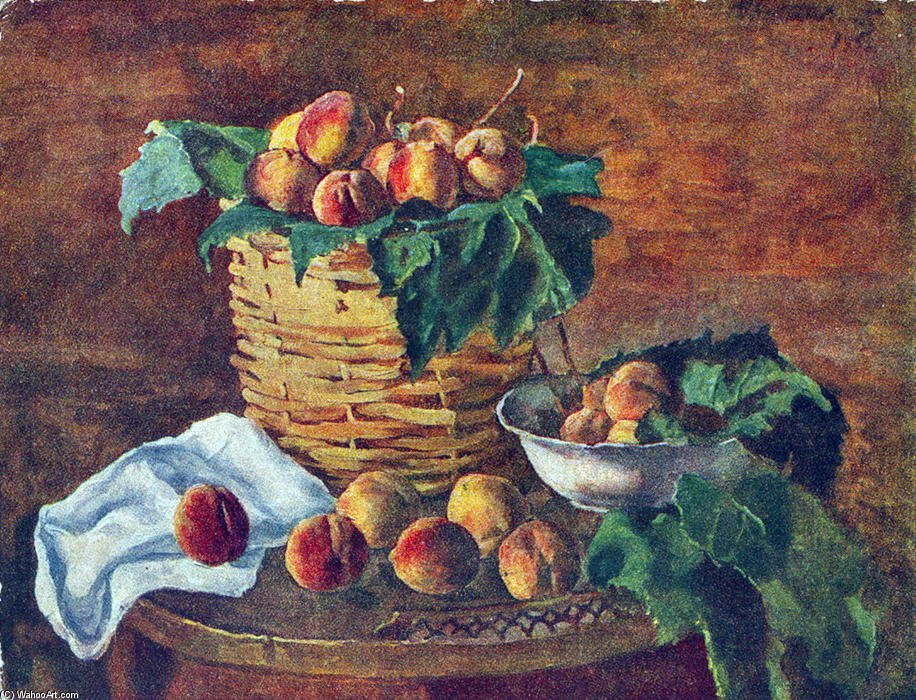
Still Life. Peaches.
 Oil On Canvas
- WallArt
- Fauvism
 1935
1935- Modern
 88.0 x 111.0 cm
 Читать далее
Масляная репродукция ручной работы
Картина маслом на холсте в выбранном вами размере и раме, написанная на заказ нашими художниками. ( Перейти к печати Перейти к цифровым изображениям)




P118B $10

P118H $10

P118W $10

P438Z $10

P508JH $12

P508YH $12

P805H $10

P805Z $10

P919BZ $10

P919G $10

P919XJ $10

P959ZH $10

P968JZ $12

W106C $8

W218G $10

W218JH $8

W218Y $10

W307PJ $10

W316G $10

W316PJ $8

W316Y $10

W398PJ $8

W4111J $10

W500HY $15

W500JH $15

W692G $12

W849H $8

W940BG $15

W953PJ $8




Выберите один из наших стандартных размеров, соответствующих оригинальным пропорциям произведения искусства.

Вы можете указать собственные размеры, чтобы картина идеально вписалась в выбранную раму или пространство. Если выбранный вами размер не соответствует пропорциям оригинала, мы либо обрежем полотно, либо расширим его за счет дополнительных элементов, написанных вручную. Цифровой макет будет отправлен вам на утверждение перед началом производства.
Обратите внимание, что предварительный просмотр на экране не отражает фактическую обрезку или расширение. Только макет точно покажет окончательную композицию.
Хотя доступны индивидуальные размеры, мы рекомендуем выбирать вариант из предопределенного списка, чтобы сохранить исходные пропорции.
После оформления заказа команда ArtsDot.com свяжется с клиентом по электронной почте для уточнения деталей и предоставит предварительный макет
Доставка по всему миру () за 3–4 недели вместо стандартных 5 недель. (10 Сентябрь). Без компромиссов в качестве.

Бесплатная экспресс-доставка по всему миру

Высококачественный льняной холст

Полное страхование доставки

Гарантия возмещения таможенных пошлин

Гарантия точного соответствия цветов

100-дневная политика возврата (только при обнаружении дефектов)

Гарантия возврата 100% средств

Предложение оптовых скидок
 Вариант со стеклом доступен только для размеров менее 110 см

Still Life. Peaches.
Техника репродукции
Размер репродукции
-


Итоговая стоимость
$ 263
Still Life. Peaches.: A Captivating Study in Color and Form
Pyotr Konchalovsky's "Still Life. Peaches," painted in 1935, is a vibrant and compelling artwork that exemplifies the artist’s mastery of color and form within a Fauvist aesthetic. Measuring 88 x 111 cm, this piece transcends a simple depiction of fruit; it becomes an exploration of light, texture, and emotional resonance.
Subject Matter and Composition
The central focus of the painting is a meticulously arranged basket overflowing with ripe peaches and plums. These fruits are complemented by a silver bowl containing additional fruit, a carefully draped blue cloth, and scattered leaves, creating a rich tapestry of textures and colors. The composition is skillfully balanced, with the basket serving as the dominant element in the foreground. The arrangement draws the viewer's eye into the heart of the still life, while the surrounding elements provide depth and visual interest. A white cloth on the table adds another layer of texture and enhances the overall sense of realism.
Style and Technique: Embracing Fauvism
Konchalovsky’s style in "Still Life. Peaches" is deeply rooted in Fauvism, a movement known for its bold use of color and expressive brushstrokes. The artist doesn't aim for photographic accuracy; instead, he employs vibrant hues to convey emotion and create visual impact. Notice the intensity of the peach tones – ranging from fiery oranges to delicate pinks – contrasted against the deep greens of the leaves and the warm browns of the background. The visible brushstrokes add a dynamic quality to the painting, imbuing it with energy and vitality. The technique is oil on canvas, allowing for rich layering and nuanced color blending.
Historical Context and Symbolism
Created in 1935, during a period of significant social and political change in Russia, "Still Life. Peaches" offers a glimpse into the artist's personal world amidst broader historical currents. While overtly depicting a domestic scene, the still life can be interpreted as symbolizing abundance, fertility, and the simple pleasures of life. The careful arrangement of the fruit suggests an appreciation for nature’s bounty and a celebration of everyday beauty. Konchalovsky, a member of the "Jack of Diamonds" group, was known for his ability to blend modern artistic influences with traditional Russian themes, and this painting exemplifies that synthesis.
Emotional Impact and Artistic Legacy
"Still Life. Peaches" evokes a sense of warmth, tranquility, and visual delight. The vibrant colors and skillful composition create an inviting atmosphere, drawing the viewer into the scene. Konchalovsky’s ability to capture the essence of his subject matter with such expressive flair solidifies his place as a significant figure in Russian art history. This artwork serves not only as a beautiful decorative piece but also as a testament to Konchalovsky's artistic vision and technical skill, offering viewers a timeless glimpse into the world of Fauvist still life painting.
Похожие произведения
Биография художника
A Life Immersed in the Russian Artistic Spirit
Pyotr Petrovich Konchalovsky, born February 21, 1876, in the village of Slavianka near Kharkiv, was more than just a painter; he was a visual chronicler of a Russia undergoing profound transformation. His artistic journey mirrored the nation’s own tumultuous passage through revolution and ideological shifts, marked by a relentless search for new forms of expression. Konchalovsky's upbringing steeped him in an atmosphere rich with intellectual and creative currents. His father, Petr Petrovich Konchalovsky, was a respected translator and art publisher whose Moscow home became a vibrant hub frequented by leading artists of the era—Valentin Serov, Mikhail Vrubel, Vasily Surikov all graced their residence after the family’s move to the capital in 1889. This early exposure wasn't merely observational; it instilled within young Pyotr a deep appreciation for artistic expression and laid the foundation for his future path. Weekends spent absorbing the masterpieces at the Tretyakov Gallery proved formative, shaping his aesthetic sensibilities with the power of Russian masters.From Parisian Influences to Avant-Garde Innovation
Konchalovsky’s formal training began at the Moscow School of Painting, Sculpture and Architecture, but a pivotal period followed in Paris from 1896 to 1898 at the Académie Julian. This immersion in the French art world proved transformative. He encountered the groundbreaking work of Paul Cézanne and Vincent van Gogh, artists who challenged conventional representation and explored new ways of perceiving form and color. Cézanne’s emphasis on structure and geometric forms resonated deeply with Konchalovsky, while Van Gogh's expressive use of color and emotional intensity ignited a passion for conveying subjective experience. A subsequent journey to Arles allowed him a deeper understanding of Van Gogh’s artistic vision—a pilgrimage into the heart of expressive intensity. He meticulously studied Van Gogh’s brushstrokes, his layering of colors, and his ability to imbue ordinary subjects with profound emotion. Returning to Russia, he continued his studies at the Imperial Academy of Arts in Saint Petersburg, graduating in 1907. However, it was upon his return that Konchalovsky truly began to forge his own distinctive style. He became a central figure in the Russian avant-garde movement, co-founding the influential “Jack of Diamonds” (Knave of Diamonds) society in 1910. This group rejected academic traditions and championed experimentation, seeking inspiration not only from Western European modernism but also from Russia’s own folk art traditions—icons, tavern signs, and colorful popular prints known as *lubok*. The members of the “Jack of Diamonds” were united by a desire to break free from established artistic conventions and explore new possibilities.Navigating Shifting Ideologies: Style and Subject Matter
Konchalovsky’s artistic style evolved throughout his career, reflecting both personal exploration and the changing political climate of Russia. Initially influenced by Fauvism and Cézanne, his early works were characterized by bold colors, simplified forms, and a focus on structure. Paintings like “Still Life with a Coffeepot” exemplify this period, showcasing a vibrant palette and a dynamic composition. The use of intense color was particularly striking—a hallmark of the Fauvist movement, but filtered through Konchalovsky’s own unique sensibility. Following service in the Russian army during World War I, Konchalovsky’s style began to shift. The rise of Socialist Realism under the Soviet regime demanded art that served ideological purposes, celebrating socialist ideals and portraying prominent figures. While this represented a departure from his earlier avant-garde explorations, Konchalovsky adapted, becoming known for his ceremonial portraits. He skillfully rendered officials with a sense of dignity and authority, conveying an image of strength and stability—qualities deemed essential by the new regime. Despite these changes, he maintained a distinctive artistic voice, infusing even his more politically charged works with a sense of solidity and monumentality. His ability to synthesize diverse influences—Fauvism, Cézanne, and later Socialist Realism—demonstrated his versatility as an artist.Key Themes & Subjects
Konchalovsky’s vast body of work reveals recurring themes and subjects that demonstrate his artistic preoccupations. Still lifes were a constant throughout his career, allowing him to explore form, color, and composition in a controlled environment. He often depicted everyday objects—fruits, flowers, dishes—imbuing them with a sense of weight and presence. The meticulous detail he applied to these seemingly simple subjects revealed a deep appreciation for the beauty of the ordinary. Landscapes, particularly those inspired by his travels, also held a special place in his oeuvre, capturing the beauty and grandeur of the natural world. He was drawn to the vastness of the Russian countryside—the rolling fields, the dense forests, and the dramatic skies—and sought to convey their power and majesty through his paintings. However, it was perhaps in portraiture that Konchalovsky truly excelled, creating compelling likenesses of his contemporaries, often imbued with psychological depth. His portraits ranged from intimate depictions of family members to grand ceremonial representations of Soviet officials. He skillfully captured not only physical appearance but also the inner lives of his subjects—their personalities, their aspirations, and their anxieties. The sheer volume of his work—over 5,000 pieces—is a testament to his tireless dedication and unwavering commitment to the art of painting. *He was a master of observation, capable of transforming the mundane into something extraordinary through the power of his vision.*Legacy and Enduring Significance
Pyotr Konchalovsky’s contribution to Russian art is undeniable. He bridged the gap between early modernism and Socialist Realism, navigating complex political currents while remaining a significant artistic force. His first solo exhibition at the Tretyakov Gallery in 1922 solidified his reputation as one of Russia's leading artists. Beyond his own work, Konchalovsky fostered a family deeply involved in the arts; his son, Mikhail Petrovich Konchalovsky, became a renowned film director, and his daughter, Natalia Konchalovskaya, was an accomplished artist herself. His paintings are not merely aesthetically pleasing objects but historical documents, reflecting the tumultuous period in which they were created. They offer valuable insights into the evolution of Russian art and the challenges faced by artists operating within a rapidly changing society. Konchalovsky’s ability to adapt while maintaining a distinctive style cemented his place as a key figure in Russian art history, leaving behind a legacy that continues to inspire and captivate audiences today. His work stands as a testament to the resilience of artistic expression in the face of political upheaval, and his influence can still be seen in contemporary Russian art.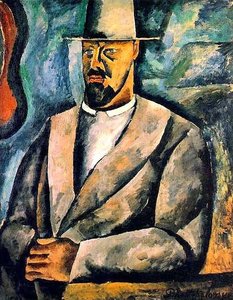
Петр Кончаловский
1876 - 1956 , Россия
Основные сведения
- Artistic Movement Or Style: Авангард, Фавтуризм, Реализм
- Artists Or Movements Influenced By This Artist:
- Джек Дьявол
- Мир Искусства
- Artists Who Influenced This Artist:
- Кезан
- Ван Гог
- Date Of Birth: 21 февраля 1876
- Date Of Death: 2 февраля 1956
- Full Name: Pyotr Petrovich Konchalovsky
- Nationality: Русский
- Notable Artworks:
- Натюрморт с кофеваркой
- Горожане
- Place Of Birth: Харьков, Россия
Похожие статьи
Victor Vasnetsov: Myth, Nationalism & the Revival of Russian Fairy Tale Painting
Explore the captivating world of Victor Vasnetsov, a co-founder of Russian folklorist painting. Discover his iconic works, influence on national identity, and lasting legacy in this expert guide.
The Enduring Appeal of Still Life: A Historical & Contemporary Exploration
Explore the rich history & symbolism of still life painting with ArtsDot. Discover masterpieces from the Dutch Golden Age, learn about vanitas art, and find expert guidance for collecting timeless artworks.
The Bountiful Still Life: Symbolism & Artistic Representation of Fruit Across Art History
Explore the rich history of still life painting & the symbolism of fruit across art movements. Discover masterpieces from Caravaggio to Cézanne with ArtsDot – expert guidance & museum-quality reproductions.
Silent Narratives: Exploring the Enduring Appeal of Still Life Painting Across Centuries
Explore the rich history of still life painting with ArtsDot. Discover Dutch Masters, decode vanitas symbolism & learn about collecting timeless art. Expert insights and museum-quality reproductions.
Ivan Bilibin: A Synthesis of Folklore, Modernism & National Identity in Russian Illustration
Explore the enchanting world of Ivan Bilibin, a master Russian illustrator who synthesized folklore, Art Nouveau & national identity. Discover his iconic fairy tale illustrations and legacy with ArtsDot.