


 Предпросмотр
 Поделиться
 Поделиться
 Детали произведения

 Скачать
 Похожие работы
 Рентгенография
 Слайд-шоу
 Статистика
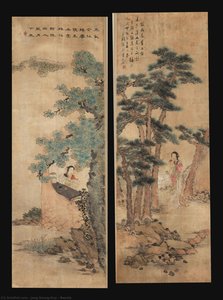
Lady in a bamboo grove
 Acrylic
- WallArt
- Ming Dynasty Gongbi
 125.0 x 45.0 cm
 Музей Метрополитен
 Читать далее
Жикле / Арт-принт
Печать (жикле) или холст музейного качества с быстрыми сроками изготовления и широким выбором вариантов отделки. ( Купить картину ручной работы Перейти к цифровым изображениям)




P118B $10

P118H $10

P118W $10

P438Z $10

P508JH $12

P508YH $12

P805H $10

P805Z $10

P919BZ $10

P919G $10

P919XJ $10

P959ZH $10

P968JZ $12

W106C $8

W218G $10

W218JH $8

W218Y $10

W307PJ $10

W316G $10

W316PJ $8

W316Y $10

W398PJ $8

W4111J $10

W500HY $15

W500JH $15

W692G $12

W849H $8

W940BG $15

W953PJ $8




Выберите один из наших стандартных размеров, соответствующих оригинальным пропорциям произведения искусства.

Вы можете указать свои собственные размеры, чтобы репродукция идеально подошла под конкретную раму или пространство. Если выбранный вами размер не будет соответствовать пропорциям оригинала, мы либо обрежем произведение, либо дополним изображение зеркальным отражением краев или однотонной заливкой. Перед началом производства вам будет отправлен цифровой макет для утверждения.
Пожалуйста, обратите внимание, что предварительный просмотр на экране не отображает фактическую обрезку или расширение изображения. Только макет точно покажет финальную композицию.
Несмотря на возможность заказа индивидуальных размеров, мы рекомендуем выбирать размер из предопределенного списка, чтобы сохранить оригинальные пропорции.
Доставка по всему миру () за 2 недели вместо стандартных 4/5 недель. (11 Сентябрь)

Бесплатная экспресс-доставка по всему миру

Высококачественный льняной холст

Полное страхование доставки

Гарантия возмещения таможенных пошлин

Гарантия точного соответствия цветов

100-дневная политика возврата (только при обнаружении дефектов)

Гарантия возврата 100% средств

Предложение оптовых скидок
 Вариант со стеклом доступен только для размеров менее 110 см

Lady in a bamboo grove
Жикле / Арт-принт
Размер репродукции
-


Итоговая стоимость
$ 62
A Moment of Serene Contemplation: Exploring Qiu Ying’s “Lady in a Bamboo Grove”
Qiu Ying's "Lady in a Bamboo Grove," a captivating painting housed within the Metropolitan Museum of Art, offers a glimpse into the refined artistic sensibilities of 16th-century Suzhou. This exquisite work transcends mere representation; it’s an embodiment of understated elegance and a testament to Qiu Ying’s mastery of brushwork – a skill honed not through formal academic training, but through diligent apprenticeship as a lacquer artisan, imbuing his paintings with a remarkable precision and detail. The painting depicts a woman, her posture suggesting quiet contemplation, positioned before a dense grove of bamboo, a motif deeply resonant within Chinese art and philosophy.
The scene unfolds with a deliberate simplicity that belies its profound impact. The lady, rendered in the meticulous gongbi style – characterized by precise brushstrokes and layered colors – is not overtly posed or dramatically adorned. Instead, she stands as an observer, her gaze directed towards something just beyond the frame, inviting the viewer to share in her unspoken thoughts. This subtle ambiguity is a hallmark of Qiu Ying’s approach; he prioritized atmosphere and mood over explicit narrative, allowing the viewer's imagination to complete the story.
The Artistry of Brushstroke and Color
Examining the painting closely reveals the extraordinary skill of its creator. The bamboo itself is depicted with a remarkable sensitivity – each stalk rendered with varying degrees of detail, capturing both their strength and their delicate texture. Qiu Ying’s use of color is equally masterful; muted greens and browns dominate the landscape, creating a sense of tranquility and harmony. The woman's robes are subtly shaded, suggesting luxurious fabrics without resorting to excessive ornamentation. The layering of thin washes of ink and color – a technique central to gongbi painting – creates an illusion of depth and luminosity, bringing the scene to life with remarkable realism.
Notably, Qiu Ying’s background in lacquer work is evident in his meticulous attention to line and detail. This foundation instilled within him a profound understanding of materials and their properties, translating into a level of control and precision rarely seen in contemporary artists. The painting's composition—the verticality of the bamboo contrasted with the horizontal lines of the woman’s robes—further enhances its visual balance and serenity.
Historical Context and Artistic Influences
"Lady in a Bamboo Grove" emerged during a period of significant social and artistic change in Suzhou, a thriving center for art and culture. Qiu Ying navigated the complex dynamics between the established scholarly circles and the emerging professional painters, forging connections with figures like Wen Zhengming while maintaining his own distinct artistic voice. The painting reflects the influence of Song Dynasty landscape painting, particularly its emphasis on capturing the essence of nature through subtle color and atmospheric perspective – a key element that Qiu Ying skillfully incorporates into his work.
The choice of bamboo as a central motif is deeply symbolic in Chinese culture. Bamboo represents resilience, flexibility, and longevity—qualities highly valued by scholars and artists alike. It’s often associated with virtue, integrity, and the pursuit of wisdom. The lady's presence within this grove suggests a connection to these ideals, inviting contemplation on themes of inner peace and harmony.
A Timeless Appeal: Reproduction and Beyond
ArtsDot is proud to offer meticulously crafted hand-painted reproductions of Qiu Ying’s “Lady in a Bamboo Grove.” These reproductions capture not only the painting's visual beauty but also its underlying emotional resonance. By employing traditional Chinese painting techniques, our artisans faithfully recreate the delicate brushwork, subtle color gradations, and atmospheric depth of the original.
Whether adorning a study, a gallery wall, or a serene interior space, this artwork offers a window into the artistic world of 16th-century China—a world of refined elegance, profound symbolism, and enduring beauty. Consider it not just a painting, but an invitation to pause, reflect, and connect with the timeless wisdom embedded within its tranquil scene.
Похожие произведения
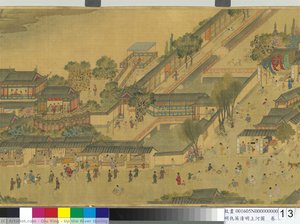
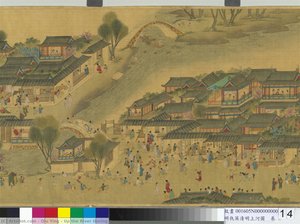
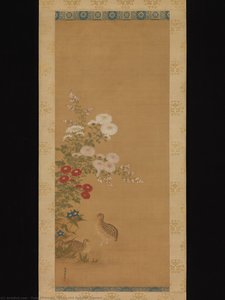
Биография художника
A Life Forged in Brushstrokes: The World of Qiu Ying
Born into humble circumstances in 1494, in the town of Taicang near present-day Jiangsu province, Qiu Ying rose to become one of the most celebrated painters of the Ming Dynasty. Unlike many artists of his era who benefited from scholarly upbringing and formal education within established artistic circles, Qiu Ying’s path was remarkably self-made. He began his artistic journey not through traditional channels, but as an apprentice lacquer artisan, honing his skills in detailed decorative work – a foundation that would profoundly influence the meticulous precision characteristic of his later paintings. This early experience instilled in him a mastery of line and color, qualities he would refine under the tutelage of Zhou Chen in Suzhou, a vibrant cultural hub during the Ming period. It was within this dynamic environment that Qiu Ying truly began to blossom, absorbing techniques and developing an artistic voice uniquely his own.Master of Versatility: Style and Technique
Qiu Ying’s genius lay not in adhering rigidly to one school or style, but in his extraordinary versatility. While Suzhou was a stronghold of the delicate ink wash painting favored by the Wu School, Qiu Ying demonstrated an exceptional ability to master both this nuanced approach and the vibrant, detailed *gongbi* technique. This adaptability allowed him to cater to a diverse clientele with varying tastes, establishing himself as a highly sought-after artist. He skillfully blended these techniques, often incorporating elements of the green-and-blue style – known for its rich coloration and intricate detail – into his compositions. His paintings are distinguished by an exquisite refinement of color, meticulous attention to detail, and a remarkable ability to capture both grand panoramic landscapes and intimate, delicately rendered scenes. This technical prowess wasn’t merely about skill; it was about storytelling, conveying emotion, and bringing narratives to life on silk or paper.Patronage and the Flourishing of a Career
Qiu Ying's career flourished thanks to the generous support of wealthy patrons who commissioned works across a broad spectrum of subjects. He painted landscapes imbued with atmospheric perspective, religious scenes radiating spiritual devotion, delicate depictions of flowers and gardens brimming with life, and compelling figural compositions that captured the essence of his subjects. Among his most celebrated creations are masterful renditions like *Up the River During Qingming*, inspired by the iconic Northern Song dynasty original; *Lady in a Bamboo Grove*, showcasing his skill in portraying elegant figures within natural settings; *The Seven Sages of the Bamboo Grove*, demonstrating his understanding of classical literary themes; and *Spring Morning in the Han Palace*, a vibrant depiction of courtly life. Key patrons such as Chen Guan of Suzhou, and later Zhou Fenglai and Xiang Yuanbian – both prominent art collectors – played pivotal roles in supporting his artistic endeavors, providing him with the freedom to explore his creativity and refine his technique.Legacy and Lasting Influence
Qiu Ying’s talent and versatility earned him a place among the “Four Masters” of the Ming Dynasty—a testament to his profound impact on Chinese painting. He bridged the gap between traditional styles and contemporary tastes, creating works that were both technically brilliant and aesthetically pleasing. His paintings reflect influences from earlier masters, particularly those of the Song Dynasty, but he skillfully blended these historical precedents with the aesthetics of his own time. He didn’t simply imitate; he synthesized, innovated, and ultimately created a style that was distinctly his own. Beyond his lifetime, Qiu Ying's influence extended to generations of artists who admired his masterful technique and innovative approach. He remains a celebrated figure in the history of Chinese art, revered for his ability to capture beauty, convey meaning, and leave an indelible mark on the artistic landscape. Even today, his name graces a crater on Mercury—a fitting tribute to an artist whose vision reached beyond earthly bounds. His legacy continues to inspire awe and admiration among art enthusiasts worldwide.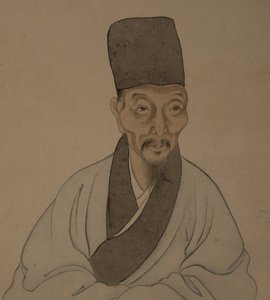
Qiu Ying
1494 - 1552 , China
Основные сведения
- Artistic Movement Or Style: Gongbi, Wu School
- Artists Or Movements Influenced By This Artist: ['Ming Dynasty artists']
- Artists Who Influenced This Artist: ['Song Dynasty masters']
- Date Of Birth: 1494
- Date Of Death: 1552
- Full Name: Qiu Ying
- Nationality: Chinese
- Notable Artworks:
- Up the River During Qingming
- Lady in a Bamboo Grove
- Seven Sages of Bamboo Grove
- Spring Morning in Han Palace
- Place Of Birth: Taicang, China
Похожие статьи
Xie Zhiliu: A Legacy of Ink Wash Painting & Modern Chinese Literati Tradition
Explore the legacy of Xie Zhiliu, a master of Chinese ink wash painting & prominent figure in modern art. Discover his techniques, influences, and contributions to literati tradition. A guide for discerning collectors.
Pu Xinyu's 'Puru': A Legacy of Literati Painting & Emotional Resonance
Explore the captivating world of Pu Xinyu (Puru), the last great literati painter. Discover his imperial heritage, masterful ink wash techniques & enduring legacy – a valuable addition to any discerning art collection.
Ephemeral Expressions: Exploring the Nuances of Ink on Paper Through History & Contemporary Art
Explore the captivating world of ink wash painting – from its ancient origins to contemporary masters. Discover techniques, symbolism & conservation insights with ArtsDot.com.