

 Предпросмотр
 Поделиться
 Поделиться
 Детали произведения

 Скачать
 Похожие работы
 Рентгенография
 Слайд-шоу
 Статистика
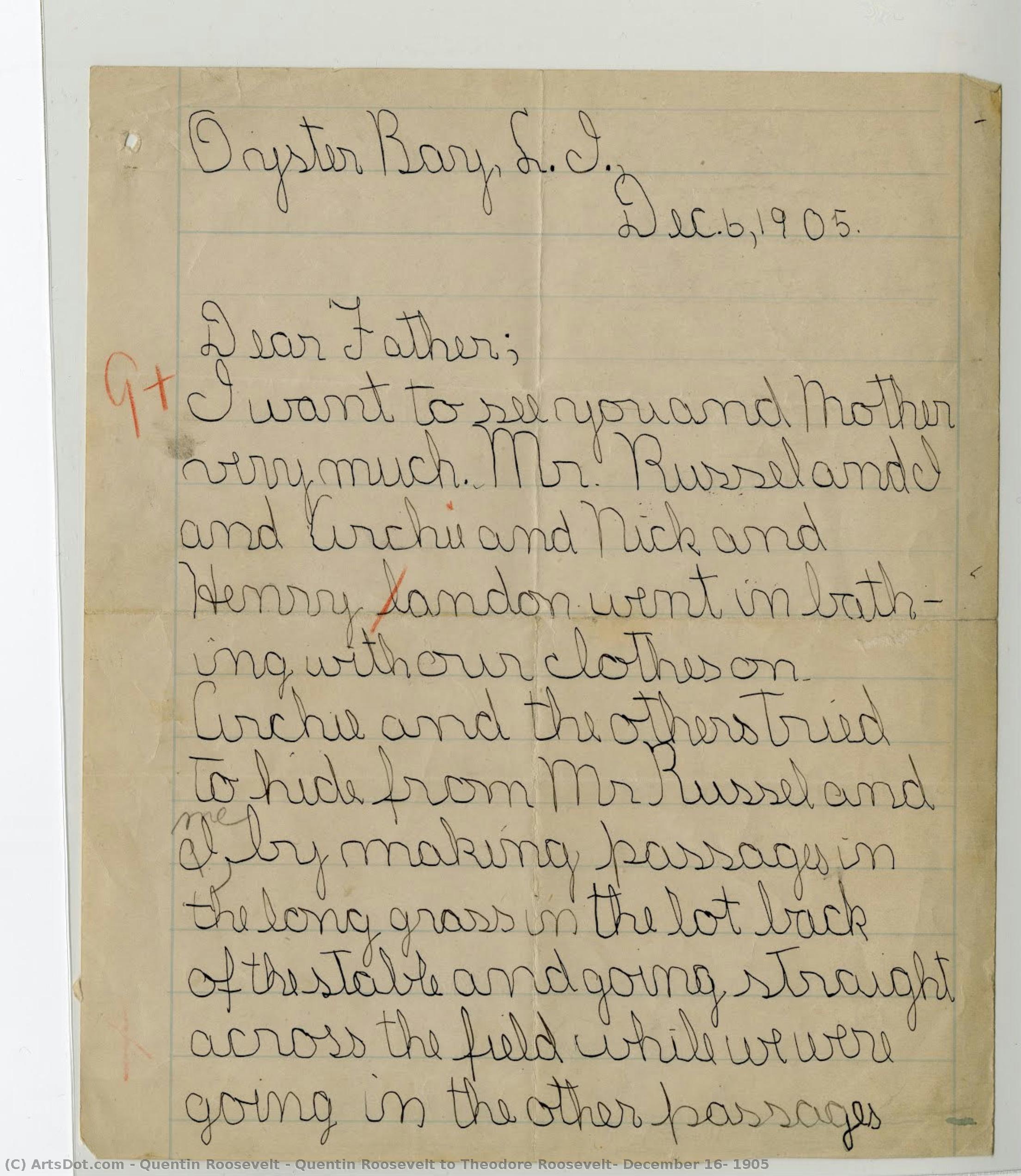
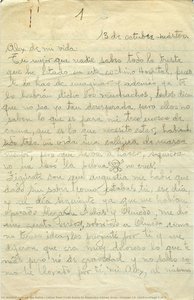
Quentin Roosevelt to Theodore Roosevelt, December 16, 1905


 Читать далее
Масляная репродукция ручной работы
Картина маслом на холсте в выбранном вами размере и раме, написанная на заказ нашими художниками. ( Перейти к печати Перейти к цифровым изображениям)




































Выберите один из наших стандартных размеров, соответствующих оригинальным пропорциям произведения искусства.

Вы можете указать собственные размеры, чтобы картина идеально вписалась в выбранную раму или пространство. Если выбранный вами размер не соответствует пропорциям оригинала, мы либо обрежем полотно, либо расширим его за счет дополнительных элементов, написанных вручную. Цифровой макет будет отправлен вам на утверждение перед началом производства.
Обратите внимание, что предварительный просмотр на экране не отражает фактическую обрезку или расширение. Только макет точно покажет окончательную композицию.
Хотя доступны индивидуальные размеры, мы рекомендуем выбирать вариант из предопределенного списка, чтобы сохранить исходные пропорции.
После оформления заказа команда ArtsDot.com свяжется с клиентом по электронной почте для уточнения деталей и предоставит предварительный макет
Доставка по всему миру () за 3–4 недели вместо стандартных 5 недель. (12 Сентябрь). Без компромиссов в качестве.

Бесплатная экспресс-доставка по всему миру

Высококачественный льняной холст

Полное страхование доставки

Гарантия возмещения таможенных пошлин

Гарантия точного соответствия цветов

100-дневная политика возврата (только при обнаружении дефектов)

Гарантия возврата 100% средств

Предложение оптовых скидок
 Вариант со стеклом доступен только для размеров менее 110 см

Quentin Roosevelt to Theodore Roosevelt, December 16, 1905
Техника репродукции
Размер репродукции
-


Итоговая стоимость
$ 263
Похожие произведения






Биография художника
The Silent Son of Theodore: The Poignant Legacy of Quentin Roosevelt
In the grand, sweeping tapestry of American history, certain figures emerge not through the loud proclamations of political triumph, but through the quiet, tragic resonance of a life interrupted. Quentin Roosevelt, the youngest son of President Theodore Roosevelt and Edith Kermit Carow Roosevelt, occupies such a space. Often referred to as the "Silent Son," Quentin was a figure of profound sensitivity who lived in the vibrant, often boisterous shadow of one of America's most formidable legacies. While his siblings moved through the world with visible fanfare—Alice with her sharp wit and Ethel with her diplomatic grace—Quentin pursued a path defined by a more solitary, aerial courage. His life, though brief, serves as a moving testament to the weight of family tradition and the individual pursuit of duty.
Born in Washington, D.C., on November 19, 1897, Quentin was raised within a household that breathed intellectual curiosity and an unyielding adventurous spirit. The Roosevelt estate at Sagamore Hill was more than just a residence; it was a crucible of character. Growing up amidst the rolling lawns and whispering pines of Long Island, Quentin absorbed the pragmatic ethos of his father—a belief in action, stamina, and the necessity of facing one's challenges head-on. This upbringing instilled in him a deep connection to the natural world, yet it also placed him within a constellation of larger-than-life personalities. To navigate the expectations of a presidential lineage required a unique kind of strength, one that Quentin developed through quiet observation and a burgeoning passion for the new frontier of the twentieth century: aviation.
A Flight Toward Destiny
As the world descended into the chaos of the Great War, Quentin found his calling not in the traditional infantry roles favored by many of his kin, but in the daring, experimental realm of the United States Army Air Service. This choice reflected a modern spirit, a desire to master the skies just as his father had mastered the political landscape. As a pursuit pilot, Quentin embodied the very essence of the Roosevelt brand—bravery tempered by a sense of profound responsibility. His service was not merely an act of patriotism but a personal quest to honor the family's tradition of courage. In the cockpit of his aircraft, the complexities of his famous name faded, replaced by the visceral reality of flight and the intense focus required of a combat aviator.
The historical significance of Quentin’s life is inextricably linked to the tragedy of his end. On July 14, 1918—Bastille Day—the same day that celebrates French liberty, Quentin was killed in aerial combat over France. He remains the only child of a U.S. President to have been killed in action, a fact that lends a heavy, bittersweet layer to his biography. His death marked the loss of a promising future and left a void in a family that had already been shaken by the passing of its patriarch. Yet, even in his passing, he achieved a form of immortality. He became a symbol of the immense personal sacrifices made by a generation of young men, a figure whose story transcends mere genealogy to touch upon the universal themes of loss and the fleeting nature of greatness.
The Epistolary Echo: Artistry in Correspondence
While Quentin Roosevelt did not leave behind a gallery of oil paintings or sculptures, his "work" survives through the intimate artifacts of his existence. To scholars and collectors of Americana, his handwritten correspondence offers a different kind of artistry—one found in the delicate, cursive strokes of a son writing to his mother. These letters are more than historical documents; they are windows into a private world, capturing the rhythmic elegance of early 20th-century penmanship and the tender affection of a child far from home. Through these fragments of paper and ink, we encounter the human being behind the historical figure:
- The Intimacy of Connection: His letters to Edith Roosevelt reveal a vulnerability and warmth that stood in stark contrast to the public persona of the Roosevelt dynasty.
- A Tactile History: The physical nature of his writing—the aged parchment, the flowing ink, and the folded envelopes—provides a sensory connection to an era long vanished.
- The Weight of Legacy: Even in casual notes, one can sense the underlying influence of Sagamore Hill and the enduring values of duty and devotion that shaped his character.
Ultimately, the story of Quentin Roosevelt is a poignant reminder that history is composed not just of grand political shifts, but of individual lives lived with intention. He was a man who sought to find his own sky, even if it meant flying into the heart of danger. His legacy remains etched in the annals of American memory—a quiet, heroic presence that continues to inspire reflection on the cost of courage and the enduring power of family.
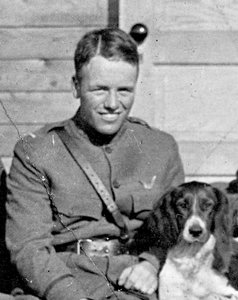
Quentin Roosevelt
1897 - 1918 , United States of America
Основные сведения
- Artistic Movement Or Style: None specified
- Artists Or Movements Influenced By This Artist: ['WWI aviation history']
- Artists Who Influenced This Artist: ['Theodore Roosevelt']
- Date Of Birth: November 19, 1897
- Date Of Death: July 14, 1918
- Full Name: Quentin Roosevelt
- Nationality: American
- Notable Artworks: ['Letter from Theodore Roosevelt to Quentin Roosevelt']
- Place Of Birth: Washington, D.C., United States