

 Предпросмотр
 Поделиться
 Поделиться
 Детали произведения

 Скачать
 Похожие работы
 Рентгенография
 Слайд-шоу
 Статистика
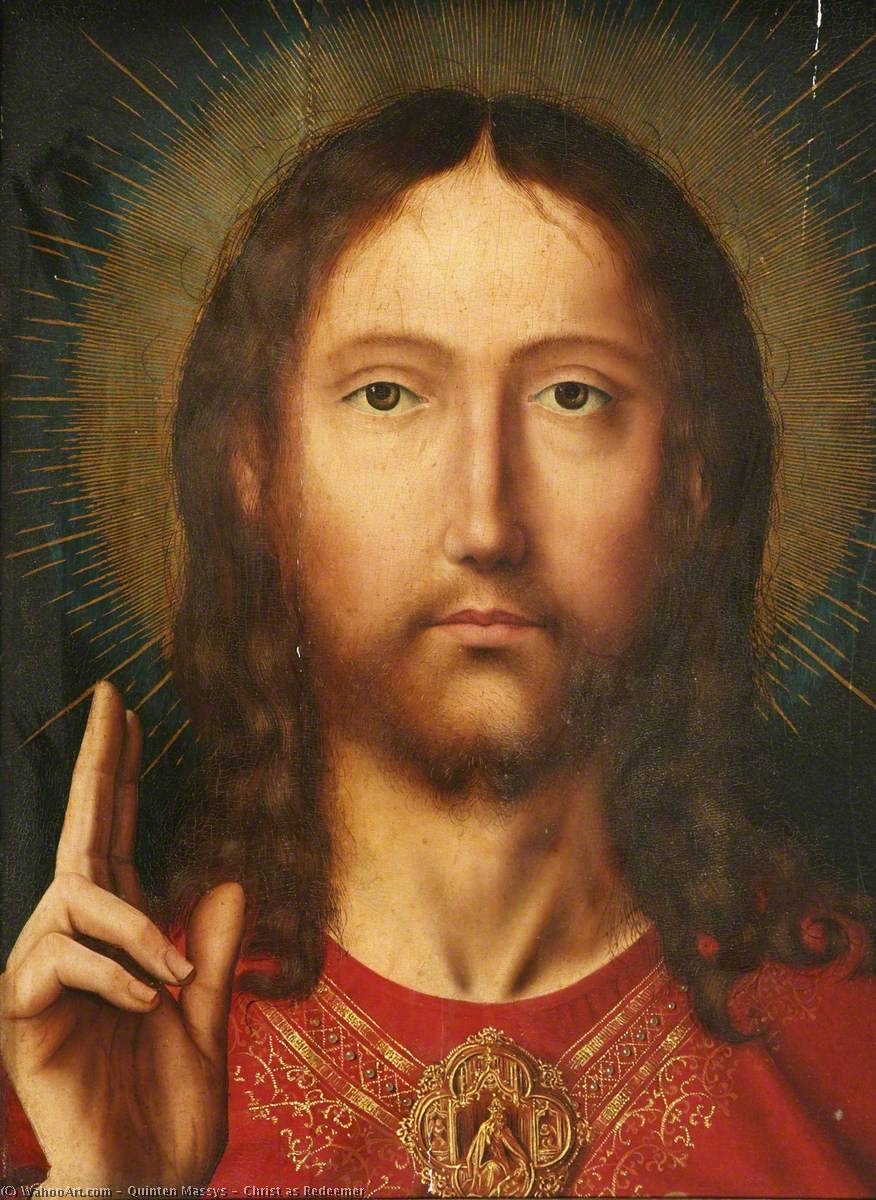
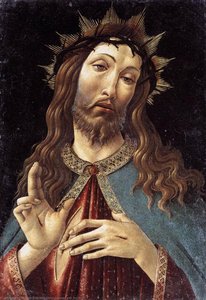
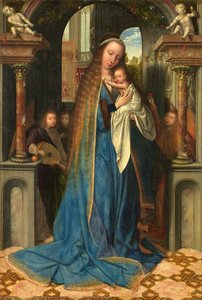
Christ as Redeemer
 39.0 x 30.0 cm
 Campion Hall
 Читать далее
Жикле / Арт-принт
Печать (жикле) или холст музейного качества с быстрыми сроками изготовления и широким выбором вариантов отделки. ( Купить картину ручной работы Перейти к цифровым изображениям)




































Выберите один из наших стандартных размеров, соответствующих оригинальным пропорциям произведения искусства.

Вы можете указать свои собственные размеры, чтобы репродукция идеально подошла под конкретную раму или пространство. Если выбранный вами размер не будет соответствовать пропорциям оригинала, мы либо обрежем произведение, либо дополним изображение зеркальным отражением краев или однотонной заливкой. Перед началом производства вам будет отправлен цифровой макет для утверждения.
Пожалуйста, обратите внимание, что предварительный просмотр на экране не отображает фактическую обрезку или расширение изображения. Только макет точно покажет финальную композицию.
Несмотря на возможность заказа индивидуальных размеров, мы рекомендуем выбирать размер из предопределенного списка, чтобы сохранить оригинальные пропорции.
Доставка по всему миру () за 2 недели вместо стандартных 4/5 недель. (11 Сентябрь)

Бесплатная экспресс-доставка по всему миру

Высококачественный льняной холст

Полное страхование доставки

Гарантия возмещения таможенных пошлин

Гарантия точного соответствия цветов

100-дневная политика возврата (только при обнаружении дефектов)

Гарантия возврата 100% средств

Предложение оптовых скидок
 Вариант со стеклом доступен только для размеров менее 110 см

Christ as Redeemer
Жикле / Арт-принт
Размер репродукции
-


Итоговая стоимость
$ 62
The Painting's Composition
The composition of Christ as Redeemer is quite impressive, capturing the viewer's attention with its intricate elements. Jesus Christ is depicted with his arms outstretched, wearing a crown of thorns on his head. He appears to be looking directly at the viewer while holding up one finger. The background of the painting features a sky with clouds, adding depth and dimension to the scene. Two people are visible in the background, possibly angels or other figures from the Bible.Artist's Style and Influences
Quinten Massys was a prominent painter and engraver, known for his portraits, religious compositions, and mythological scenes. His workshop, the Workshop Of Quinten Massys, produced many works in the Antwerp style, which was characterized by its use of symbolism and attention to detail. For more information on Quinten Massys and his workshop, visit https://ArtsDot.com/@/Workshop-Of-Quinten-Massys.- Other notable paintings by Quinten Massys include Christ at the Column and The Lady of the festival du Rosaire, which can be found on https://ArtsDot.com.
- For a deeper understanding of the Northern Renaissance style, visit /art/list/?Filter=A@D3CJLR-Discovering-the-Artworks-of-Campion-Hall-Oxford-United-Kingdom.
The Campion Hall in Oxford, United Kingdom, is home to numerous masterpieces from renowned artists, including Quinten Massys, Palma Il Vecchio, and Albrecht Durer. For more information on the artworks housed at the Campion Hall, visit /art/list/?Filter=A@D3CJLR-Discovering-the-Artworks-of-Campion-Hall-Oxford-United-Kingdom.
Похожие произведения



Биография художника
Quinten Massys: The Shadowy Genius of Antwerp’s School
Quentin Massys, a name often overshadowed by his more celebrated contemporaries, stands as a pivotal figure in the development of Flemish Renaissance art and the foundation of the Antwerp School. Born around 1466 in Leuven, Belgium – a city steeped in medieval history and burgeoning mercantile activity – Massys’s life was one of quiet transformation, moving from blacksmithing to the captivating world of painting. While his early years remain shrouded in relative obscurity, tracing his artistic lineage reveals a complex interplay of influences, ultimately shaping a uniquely introspective and subtly satirical style that profoundly impacted generations of artists.
Tradition holds that Massys’s artistic journey began not with formal training but through an unexpected romance. Legend recounts that he fell for an artist’s daughter, prompting him to abandon his family’s blacksmithing trade and pursue a career in painting. Though the veracity of this tale remains debated by scholars, it underscores the romanticized notion of the artist as a figure driven by passion rather than purely professional ambition. Regardless of its origins, Massys's early life was deeply intertwined with the artisan traditions of Leuven, providing him with a foundational understanding of materials and craftsmanship that would later inform his meticulous technique.
Massys’s career truly blossomed in Antwerp, a vibrant hub of artistic innovation during the first half of the 16th century. Here, he joined the city's painter’s guild and established himself as a respected master, attracting students and commissions alike. His workshop flourished for decades, producing a diverse body of work encompassing religious scenes, portraits, and allegorical compositions. Unlike the grand, overtly dramatic style favored by some of his contemporaries, Massys cultivated a more intimate and psychologically nuanced approach to painting. He was particularly adept at capturing subtle expressions of emotion and conveying complex narratives through carefully observed details.
The Anatomy of Satire: Massys’s Distinctive Style
Massys's artistic signature is characterized by a remarkable blend of realism, psychological insight, and often, a quietly subversive sense of humor. He was a master of capturing the nuances of human character, meticulously rendering individual features with an almost photographic precision. However, it wasn’t merely technical skill that defined his work; Massys possessed a keen eye for detail and a subtle ability to expose the foibles and contradictions of human nature. This is most evident in his iconic “The Ugly Duchess” (also known as “The Lady with the Beastly Face”), a portrait that brilliantly satirizes aristocratic vanity through an unflattering depiction of its subject’s features.
Furthermore, Massys's work frequently incorporates elements of allegory and moralizing themes. He often depicted biblical scenes not as straightforward narratives but as opportunities to explore complex ethical dilemmas. His compositions are typically crowded with figures, creating a sense of visual density that mirrors the complexities of human experience. The use of exaggerated physiognomy – distorted features designed to emphasize particular traits – is another hallmark of his style, serving both to heighten dramatic effect and to subtly critique social conventions.
Religious Narratives and Early Netherlandish Influences
While Massys’s satirical works are undoubtedly memorable, he was equally skilled in portraying religious subjects. His paintings of the Virgin Mary, for example, demonstrate a remarkable sensitivity to her maternal role and a profound understanding of Christian iconography. These scenes are not merely decorative; they are imbued with emotional depth and psychological realism, reflecting Massys's broader artistic concerns.
Massys’s work is deeply rooted in the traditions of Early Netherlandish painting, inheriting influences from artists such as Jan van Eyck and Rogier van der Weyden. However, he developed his own distinctive style, characterized by a greater emphasis on psychological realism and a subtle undercurrent of irony. His landscapes, often reminiscent of those created by Joachim Patinir – another prominent Antwerp artist – provide a rich and atmospheric backdrop for his narrative scenes.
Legacy and Historical Significance
Despite being largely overshadowed during his lifetime, Quentin Massys’s influence on the development of Flemish Renaissance art is undeniable. He is widely considered to be the founder of the Antwerp School, a movement that profoundly shaped the artistic landscape of the Low Countries in the 16th century. Artists such as Jan Massys and Cornelis Massys – his sons – continued his legacy, building upon his innovations and further refining his distinctive style.
Massys’s work continues to fascinate art historians and viewers alike. His subtle satire, psychological insight, and meticulous technique offer a unique window into the complexities of Renaissance society. He represents a crucial link between the medieval traditions of Flemish painting and the burgeoning artistic innovations of the High Renaissance, solidifying his place as a significant, though often overlooked, figure in the history of art.
Основные сведения
- Artistic Movement Or Style: Antwerp School, Mannerism
- Artists Or Movements Influenced By This Artist:
- Jan Massys
- Cornelis Massys
- Artists Who Influenced This Artist: ['Joachim Patinir']
- Date Of Birth: c. 1466
- Date Of Death: 1530
- Full Name: Quentin Massys
- Nationality: Flemish
- Notable Artworks:
- The Ugly Duchess
- Portrait of a Man
- Christ as Redeemer
- Christ on the Cross
- Place Of Birth: Leuven, Belgium