


 Предпросмотр
 Поделиться
 Поделиться
 Детали произведения

 Скачать
 Похожие работы
 Рентгенография
 Слайд-шоу
 Статистика
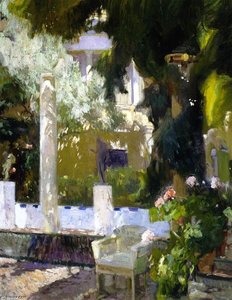
Garden of the house of Fortuny


 Читать далее
Приобретите цифровое изображение высокого разрешения в улучшенном качестве, которое значительно превосходит онлайн-превью.
Каждый файл тщательно подготавливается нашими специалистами с использованием передовых инструментов и экспертной ручной ретуши. Мы гарантируем исключительную четкость, точную цветопередачу и детальную проработку каждого изображения.
Финальный файл доставляется по электронной почте в течение 72 часов и оптимизирован для немедленного использования в профессиональной среде, при верстке и печати. Это тот же уровень качества, которому доверяют ведущие дизайнерские студии, издательства и галереи.
Цифровое изображение
Скачайте файл высокого разрешения для личного использования, печати и творческих проектов. ( Перейти к печати Купить картину ручной работы)
Включено в каждый заказ цифровых изображений
Гарантия экспертной цифровой доставки
Выбирая ArtsDot.com, вы получаете не просто изображение — вы приобретаете профессионально обработанное цифровое произведение искусства, созданное с безупречной точностью и под защитой гарантии качества. Вот всё, что автоматически входит в ваш заказ:

Мгновенная доставка по e-mail
Ваш цифровой файл в высоком разрешении будет отправлен вам по электронной почте в течение 72 часов после оформления заказа — и сразу станет доступен для использования.

Цифровой файл с ИИ-улучшением
Ваше произведение искусства проходит профессиональную оптимизацию с использованием передовых инструментов ИИ и ручной обработки, что гарантирует максимальную детализацию, четкость и точность цветопередачи.

Бессрочная бесплатная повторная доставка
Случайно удалили или потеряли файл? Не беспокойтесь — мы отправим его вам повторно в любое время и совершенно бесплатно.

Без импортных пошлин — навсегда
Наслаждайтесь вашим произведением искусства мгновенно без таможенных пошлин, сборов или затрат на доставку — цифровые загрузки всегда не облагаются налогом.

Гарантия точности цветопередачи
Мы гарантируем, что ваше цифровое изображение максимально точно передает оригинальные цвета благодаря использованию профессиональных инструментов и систем управления цветом.

Гарантия удовлетворенности 100 дней
Если вы не будете удовлетворены своим цифровым изображением, мы внесем правки или вернем 100% стоимости в течение 100 дней — без лишних вопросов.

100% Гарантия возврата средств
Не удовлетворены покупкой? Получите полный возврат средств в течение 100 дней после получения цифрового файла — без лишних вопросов.

Скидки на оптовые заказы
Купите 3 изображения, сэкономьте 10% — Купите 5, сэкономьте 15% — Купите 10+, сэкономьте 20%. Отличное решение для творческих проектов, галерей и агентств.
A Serene Encounter in the Garden of Fortuny
In the quiet corners of the Museo del Prado, there exists a window into a more tranquil era, captured through the masterful brush of Raimundo de Madrazo y Garreta. The Garden of the House of Fortuny, painted in 1872, is far more than a mere depiction of a landscape; it is an invitation to step into a moment of suspended animation. At the heart of this lush, verdant sanctuary stands a woman, her presence anchored by a striking red hat and dress that serves as a brilliant focal point amidst the sea of emerald and forest greens. As she gazes softly toward the right, her attention captured by a resting dog, the viewer is drawn into a shared sense of quiet observation. The composition breathes with life, utilizing a delicate arrangement of potted plants in the foreground and background to create an immersive depth that pulls the eye through the garden's leafy corridors.
The technique employed by Madrazo y Garreta reveals the profound influence of his prestigious lineage. Trained within the hallowed studios of his father and grandfather, he brings a meticulous, realist precision to this piece that elevates it from a simple genre scene to a work of high art. The way light filters through the foliage and rests upon the textures of the terracotta pots and the fabric of the woman's attire demonstrates a sophisticated command of oil on panel. There is a rhythmic harmony in his brushwork, where the organic chaos of nature is balanced by the structured elegance of the garden elements, such as the solitary bench that waits like an invitation for contemplation. This mastery of detail ensures that every leaf and shadow contributes to the painting's overarching atmosphere of peace.
Beyond its visual splendor, the painting carries a profound emotional resonance, making it an exquisite choice for those looking to infuse a space with tranquility. For the art collector or interior designer, this work offers a sophisticated interplay of color and mood. The vibrant splash of red against the tranquil greens provides a dynamic energy that can serve as a centerpiece in a refined room, while the subject matter—the simple pleasure of an afternoon outdoors—promotes a sense of calm and well-being. It is a piece that speaks to the timeless human desire for connection with nature and the beauty found in life's quietest, most unhurried moments.
To possess a reproduction of this masterpiece is to bring a fragment of Spanish Golden Age elegance into the modern home. Whether placed in a sunlit study or a grand living area, The Garden of the House of Fortuny acts as a portal to the nineteenth century, offering a sophisticated aesthetic that transcends fleeting trends. It remains a testament to Madrazo y Garreta's ability to capture not just the likeness of a scene, but the very soul of a peaceful afternoon, preserved forever in pigment and light.
Похожие произведения

Биография художника
A Legacy of Elegance: The Life and Art of Raimundo de Madrazo
Raimundo de Madrazo y Garreta, born in Rome in 1841, entered a world already brimming with artistic heritage—a world shaped by the towering figures of Miguel Ángel Buonarroti and Raffaello Sanzio da Urbino. His lineage possessed considerable prestige; his grandfather, José de Madrazo, held the esteemed position of Director of the Museo del Prado, an institution that would become synonymous with Spanish art history. This familial connection wasn’t merely about inheritance—it instilled within young Raimundo not only a profound understanding of artistic technique but also an appreciation for the social standing associated with creative endeavor. His earliest formative years unfolded within the nurturing embrace of his family's studios, absorbing foundational principles from both father and grandfather – Federico de Madrazo, himself a celebrated portraitist, and José de Madrazo—a man who championed classical ideals and established a formidable presence in the artistic landscape of Madrid. Formal studies at the Real Academia de Bellas Artes de San Fernando in Madrid, under Carlos Luis de Ribera and Carlos de Haes, further honed his skills, exposing him to the burgeoning currents of Romanticism alongside the enduring legacy of Neoclassicism—a crucial juxtaposition that would profoundly influence his artistic vision. However, it was a transformative journey to Paris in 1860 that irrevocably altered the trajectory of his career. This pivotal relocation served as an incubator for his aesthetic sensibilities, immersing him in the vibrant atmosphere of the Parisian art world and forging connections with artists who championed innovation and stylistic experimentation.Realism Infused with Refinement: Artistic Style and Influences
Madrazo’s artistic style is fundamentally rooted in Realism—a movement that sought to depict the observable world with unflinching accuracy—yet it transcends mere imitation through an infusion of exquisite elegance and sophistication. Unlike many of his contemporaries who adhered rigidly to academic conventions, Madrazo skillfully blended realism with elements reminiscent of Rococo—a stylistic tradition characterized by opulent ornamentation and playful composition—and *Japonisme*, the burgeoning Western fascination with Japanese art’s distinctive aesthetic qualities: flattened perspective, bold color palettes, and stylized decorative motifs. This subtle interplay of influences distinguished him from his peers and elevated his work beyond mere representation; it imbued it with a palpable sense of atmosphere and emotion. He became particularly adept at capturing the nuances of human psychology—the fleeting expressions of joy, sorrow, and contemplation—translating these inner states into visual form with remarkable sensitivity. His artistic mentors – Léon Cogniet and Alfred Stevens – played an instrumental role in shaping his stylistic development. Cogniet’s grounding in academic tradition provided a framework for mastering technical proficiency, while Stevens' influence subtly steered him toward a more refined and decorative sensibility—a decisive departure from the austere formalism of Neoclassicism towards a style imbued with grace and allure. This harmonious blend of influences cemented Madrazo’s reputation as one of Spain’s most discerning artists.Portraits of an Era: Major Works and Themes
Madrazo's oeuvre is populated by captivating portraits—a testament to his extraordinary talent for capturing the essence of his subjects—and genre scenes that offer invaluable insights into the social milieu of the late 19th century. His *Portrait of his father painting*, executed with meticulous detail, exemplifies not only technical mastery but also a profound filial affection—a poignant portrayal of familial bonds rendered with understated elegance. Works like *Fond Memories* demonstrate Madrazo’s ability to evoke nostalgia and convey intimate emotions with remarkable subtlety—capturing fleeting moments of beauty and melancholy with breathtaking precision. However, it was his genre paintings – particularly those featuring Aline Masson as the model – that garnered him widespread acclaim and solidified his position as a leading artist of his time. *The Reluctant Mistress*, *After the Bath*, and *Portrait of Aline Masson in a Mantilla* are masterpieces of decorative realism—sensuous depictions of feminine beauty rendered with exquisite craftsmanship and infused with an atmosphere of delicate mystery. Aline Masson’s presence was central to Madrazo's artistic output; she served as his muse for many years, embodying the idealized vision of femininity that permeated his paintings. These works weren’t merely representations of fashionable society; they were carefully constructed fantasies—designed to appeal to a clientele eager to possess images of beauty and refinement—and they stand as enduring symbols of Spanish artistic achievement during the Gilded Age. ## International Recognition and Lasting Impact Raimundo de Madrazo's career unfolded on an expansive international stage, marked by frequent visits to New York where he cultivated a loyal patronage among prominent families – including the Vanderbilts and Alexander Turney Stewart – establishing himself as one of Spain’s foremost artists abroad. His commitment to fostering artistic dialogue was evident in his co-founding of “International Painting Exhibition” alongside Alfred Stevens, de Nittis, and Petit—an ambitious undertaking aimed at promoting the work of foreign artists and elevating the prestige of Spanish art internationally. He consistently exhibited at the prestigious Paris Salon throughout his lifetime, receiving a major medal at the Exposition Universelle in 1889 – an honor that cemented his reputation as a leading figure within the artistic community. Beyond his artistic accomplishments, Madrazo demonstrated a dedication to cultural preservation through his generous donation of Francisco de Goya’s masterpieces to the Museo del Prado—a pivotal contribution to Spain's national heritage. Raimundo de Madrazo y Garreta passed away in 1920, leaving behind an indelible legacy as one of Spain’s most celebrated realist painters – a master portraitist whose work continues to captivate audiences today with its elegance, skill, and profound emotional resonance. His son, Federico de Madrazo y Ochoa ("Coco"), continued the family tradition—ensuring that the Madrazo name remained synonymous with artistic excellence for generations to come.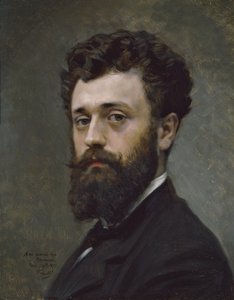
Раимundo де Мадразо и Гаррета
1841 - 1920 , Италия
Основные сведения
- Artistic Movement Or Style: Реализм, влияние Рококо
- Artists Or Movements Influenced By This Artist: ['Фередико де Мадразо']
- Artists Who Influenced This Artist:
- Альфред Стивенс
- Леон Конье
- Мариано Фортуни
- Date Of Birth: 1841
- Date Of Death: 1920
- Full Name: Raimundo de Madrazo y Garreta
- Nationality: Испания
- Notable Artworks:
- Портрет отца
- Воспоминания о прошлом
- Нехотя рабыня
- Place Of Birth: Рим, Италия