

 Предпросмотр
 Поделиться
 Поделиться
 Детали произведения

 Скачать
 Похожие работы
 Рентгенография
 Слайд-шоу
 Статистика
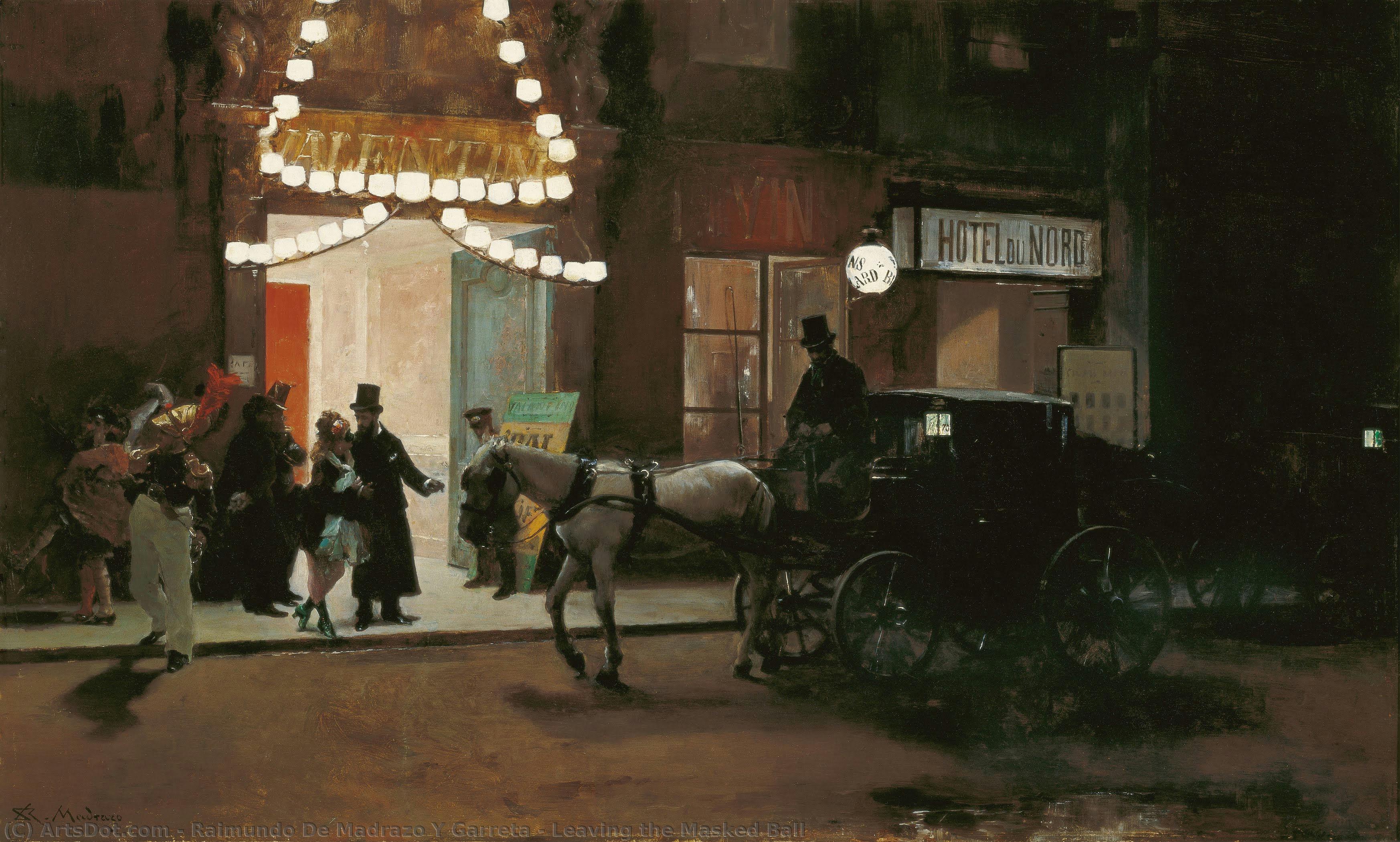
Leaving the Masked Ball
 Acrylic On Canvas
- WallArt
- Spanish Realism
 80.0 x 49.0 cm
 Museo Carmen Thyssen Málaga
 Читать далее
Жикле / Арт-принт
Печать (жикле) или холст музейного качества с быстрыми сроками изготовления и широким выбором вариантов отделки. ( Купить картину ручной работы Перейти к цифровым изображениям)




P118B $10

P118H $10

P118W $10

P438Z $10

P508JH $12

P508YH $12

P805H $10

P805Z $10

P919BZ $10

P919G $10

P919XJ $10

P959ZH $10

P968JZ $12

W106C $8

W218G $10

W218JH $8

W218Y $10

W307PJ $10

W316G $10

W316PJ $8

W316Y $10

W398PJ $8

W4111J $10

W500HY $15

W500JH $15

W692G $12

W849H $8

W940BG $15

W953PJ $8




Выберите один из наших стандартных размеров, соответствующих оригинальным пропорциям произведения искусства.

Вы можете указать свои собственные размеры, чтобы репродукция идеально подошла под конкретную раму или пространство. Если выбранный вами размер не будет соответствовать пропорциям оригинала, мы либо обрежем произведение, либо дополним изображение зеркальным отражением краев или однотонной заливкой. Перед началом производства вам будет отправлен цифровой макет для утверждения.
Пожалуйста, обратите внимание, что предварительный просмотр на экране не отображает фактическую обрезку или расширение изображения. Только макет точно покажет финальную композицию.
Несмотря на возможность заказа индивидуальных размеров, мы рекомендуем выбирать размер из предопределенного списка, чтобы сохранить оригинальные пропорции.
Доставка по всему миру () за 2 недели вместо стандартных 4/5 недель. (10 Сентябрь)

Бесплатная экспресс-доставка по всему миру

Высококачественный льняной холст

Полное страхование доставки

Гарантия возмещения таможенных пошлин

Гарантия точного соответствия цветов

100-дневная политика возврата (только при обнаружении дефектов)

Гарантия возврата 100% средств

Предложение оптовых скидок
 Вариант со стеклом доступен только для размеров менее 110 см

Leaving the Masked Ball
Жикле / Арт-принт
Размер репродукции
-


Итоговая стоимость
$ 62
A Snapshot of Parisian Glamour: Raimundo de Madrazo’s “Leaving the Masked Ball”
Raymond de Madrazo’s “Leaving the Masked Ball,” completed around 1875, isn't merely a depiction of an evening event; it’s a meticulously crafted tableau vivant—a living picture—that encapsulates the spirit of Belle Époque Paris. Painted in stark black and white, this genre scene transports us back to a time when social gatherings were elaborate affairs governed by strict etiquette and adorned with opulent costumes and decorations.
- Subject Matter: The painting captures a moment of departure from the Valentin dance hall, located adjacent to the Hôtel du Nord. We observe figures dressed in fantastical attire – gentlemen offering invitations, ladies concealed behind masks—creating an atmosphere brimming with intrigue and social aspiration.
- Style & Technique: Madrazo’s masterful realism distinguishes him from Impressionists who prioritized capturing fleeting impressions of light and color. Instead, he painstakingly rendered textures and details, utilizing a technique rooted in academic tradition to achieve remarkable accuracy. The artist skillfully employs chiaroscuro—the dramatic interplay between light and shadow—to sculpt the figures and illuminate the scene with an ethereal glow emanating from the gas lamps lining the entranceway.
Historical Context: Paris at the Height of Its Artistic Flourish
The painting’s setting is crucial to understanding its significance. Paris in the late 1870s was experiencing a renaissance of artistic creativity, fueled by patronage from wealthy industrialists and aristocrats. The masked ball itself represented a decadent indulgence—a celebration of beauty, disguise, and social distinction—reflecting anxieties about morality alongside exuberant displays of wealth.
- Social Significance: “Leaving the Masked Ball” offers a glimpse into the upper echelons of Parisian society. It portrays not only the fashion trends of the era but also the unspoken rules governing social interactions, highlighting the importance of appearances and status.
- Artistic Influences: Madrazo’s work draws inspiration from earlier masters like Ingres and Millet, demonstrating a commitment to classical ideals of composition and form. The careful arrangement of figures—the gentleman extending his hand, the woman accepting the invitation—echoes conventions established by artists centuries before.
Symbolism & Emotional Resonance
Beyond its visual precision, “Leaving the Masked Ball” resonates with deeper symbolic meanings. The masks themselves represent anonymity and concealment, concealing identities while simultaneously emphasizing the performative nature of social life. The gas lamps casting a warm light upon the scene symbolize both illumination and artificiality—revealing beauty but also distancing viewers from the raw reality of the moment.
- Emotional Impact: The painting evokes feelings of melancholy and solitude despite its lively setting. It captures the fleeting nature of pleasure and the inevitable passage of time, prompting contemplation on themes of desire, illusion, and social convention.
- Compositional Elements: Notice how Madrazo utilizes diagonal lines to guide the viewer’s eye across the canvas—creating a dynamic visual rhythm that enhances the drama of the scene. The inclusion of objects like the clock and umbrellas adds layers of detail, reinforcing the painting's sense of realism and immersing the spectator in its historical context.
A Legacy of Elegance: Why Choose a Reproduction
A hand-painted reproduction of “Leaving the Masked Ball” allows you to experience the artistry of Raimundo de Madrazo y Garreta firsthand. Unlike digital prints, these reproductions capture the nuances of texture and tonal range—preserving the painting’s original beauty and conveying its emotional depth. It's a timeless piece that continues to inspire admiration for its masterful technique and evocative portrayal of Parisian society.
Похожие произведения

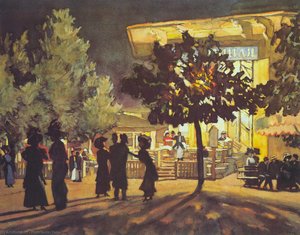
Биография художника
A Legacy of Elegance: The Life and Art of Raimundo de Madrazo
Raimundo de Madrazo y Garreta, born in Rome in 1841, entered a world already brimming with artistic heritage—a world shaped by the towering figures of Miguel Ángel Buonarroti and Raffaello Sanzio da Urbino. His lineage possessed considerable prestige; his grandfather, José de Madrazo, held the esteemed position of Director of the Museo del Prado, an institution that would become synonymous with Spanish art history. This familial connection wasn’t merely about inheritance—it instilled within young Raimundo not only a profound understanding of artistic technique but also an appreciation for the social standing associated with creative endeavor. His earliest formative years unfolded within the nurturing embrace of his family's studios, absorbing foundational principles from both father and grandfather – Federico de Madrazo, himself a celebrated portraitist, and José de Madrazo—a man who championed classical ideals and established a formidable presence in the artistic landscape of Madrid. Formal studies at the Real Academia de Bellas Artes de San Fernando in Madrid, under Carlos Luis de Ribera and Carlos de Haes, further honed his skills, exposing him to the burgeoning currents of Romanticism alongside the enduring legacy of Neoclassicism—a crucial juxtaposition that would profoundly influence his artistic vision. However, it was a transformative journey to Paris in 1860 that irrevocably altered the trajectory of his career. This pivotal relocation served as an incubator for his aesthetic sensibilities, immersing him in the vibrant atmosphere of the Parisian art world and forging connections with artists who championed innovation and stylistic experimentation.Realism Infused with Refinement: Artistic Style and Influences
Madrazo’s artistic style is fundamentally rooted in Realism—a movement that sought to depict the observable world with unflinching accuracy—yet it transcends mere imitation through an infusion of exquisite elegance and sophistication. Unlike many of his contemporaries who adhered rigidly to academic conventions, Madrazo skillfully blended realism with elements reminiscent of Rococo—a stylistic tradition characterized by opulent ornamentation and playful composition—and *Japonisme*, the burgeoning Western fascination with Japanese art’s distinctive aesthetic qualities: flattened perspective, bold color palettes, and stylized decorative motifs. This subtle interplay of influences distinguished him from his peers and elevated his work beyond mere representation; it imbued it with a palpable sense of atmosphere and emotion. He became particularly adept at capturing the nuances of human psychology—the fleeting expressions of joy, sorrow, and contemplation—translating these inner states into visual form with remarkable sensitivity. His artistic mentors – Léon Cogniet and Alfred Stevens – played an instrumental role in shaping his stylistic development. Cogniet’s grounding in academic tradition provided a framework for mastering technical proficiency, while Stevens' influence subtly steered him toward a more refined and decorative sensibility—a decisive departure from the austere formalism of Neoclassicism towards a style imbued with grace and allure. This harmonious blend of influences cemented Madrazo’s reputation as one of Spain’s most discerning artists.Portraits of an Era: Major Works and Themes
Madrazo's oeuvre is populated by captivating portraits—a testament to his extraordinary talent for capturing the essence of his subjects—and genre scenes that offer invaluable insights into the social milieu of the late 19th century. His *Portrait of his father painting*, executed with meticulous detail, exemplifies not only technical mastery but also a profound filial affection—a poignant portrayal of familial bonds rendered with understated elegance. Works like *Fond Memories* demonstrate Madrazo’s ability to evoke nostalgia and convey intimate emotions with remarkable subtlety—capturing fleeting moments of beauty and melancholy with breathtaking precision. However, it was his genre paintings – particularly those featuring Aline Masson as the model – that garnered him widespread acclaim and solidified his position as a leading artist of his time. *The Reluctant Mistress*, *After the Bath*, and *Portrait of Aline Masson in a Mantilla* are masterpieces of decorative realism—sensuous depictions of feminine beauty rendered with exquisite craftsmanship and infused with an atmosphere of delicate mystery. Aline Masson’s presence was central to Madrazo's artistic output; she served as his muse for many years, embodying the idealized vision of femininity that permeated his paintings. These works weren’t merely representations of fashionable society; they were carefully constructed fantasies—designed to appeal to a clientele eager to possess images of beauty and refinement—and they stand as enduring symbols of Spanish artistic achievement during the Gilded Age. ## International Recognition and Lasting Impact Raimundo de Madrazo's career unfolded on an expansive international stage, marked by frequent visits to New York where he cultivated a loyal patronage among prominent families – including the Vanderbilts and Alexander Turney Stewart – establishing himself as one of Spain’s foremost artists abroad. His commitment to fostering artistic dialogue was evident in his co-founding of “International Painting Exhibition” alongside Alfred Stevens, de Nittis, and Petit—an ambitious undertaking aimed at promoting the work of foreign artists and elevating the prestige of Spanish art internationally. He consistently exhibited at the prestigious Paris Salon throughout his lifetime, receiving a major medal at the Exposition Universelle in 1889 – an honor that cemented his reputation as a leading figure within the artistic community. Beyond his artistic accomplishments, Madrazo demonstrated a dedication to cultural preservation through his generous donation of Francisco de Goya’s masterpieces to the Museo del Prado—a pivotal contribution to Spain's national heritage. Raimundo de Madrazo y Garreta passed away in 1920, leaving behind an indelible legacy as one of Spain’s most celebrated realist painters – a master portraitist whose work continues to captivate audiences today with its elegance, skill, and profound emotional resonance. His son, Federico de Madrazo y Ochoa ("Coco"), continued the family tradition—ensuring that the Madrazo name remained synonymous with artistic excellence for generations to come.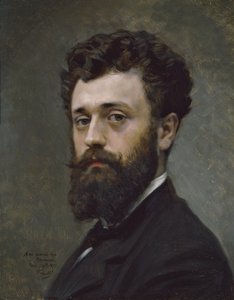
Раимundo де Мадразо и Гаррета
1841 - 1920 , Италия
Основные сведения
- Artistic Movement Or Style: Реализм, влияние Рококо
- Artists Or Movements Influenced By This Artist: ['Фередико де Мадразо']
- Artists Who Influenced This Artist:
- Альфред Стивенс
- Леон Конье
- Мариано Фортуни
- Date Of Birth: 1841
- Date Of Death: 1920
- Full Name: Raimundo de Madrazo y Garreta
- Nationality: Испания
- Notable Artworks:
- Портрет отца
- Воспоминания о прошлом
- Нехотя рабыня
- Place Of Birth: Рим, Италия
Похожие статьи
Топ-25 шедевров Ренуара: искусство, история и вдохновение для интерьера
Погрузитесь в мир Ренуара! 🎨 Откройте топ-25 шедевров импрессионизма, историю создания картин и вдохновляющую красоту. Купите репродукции высокого качества для вашего интерьера на ArtsDot.com – музейное искусство онлайн!

Romantic Realism's Finest: 10 Masterpieces for Your Home | ArtsDot
Explore 10 defining masterpieces of Romantic Realism! Discover Courbet, Millet & Daumier's powerful paintings—capturing emotion and social realities. Find museum-quality reproductions for your home at ArtsDot.com.
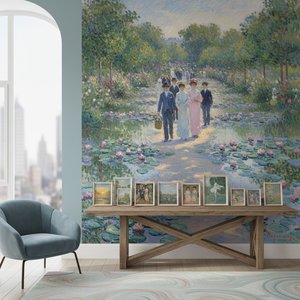
Топ-10 шедевров импрессионизма: искусство, изменившее мир | ArtsDot.com
Погрузитесь в мир импрессионизма! Откройте топ-10 шедевров Моне, Ренуара и других гениев. Узнайте историю создания культовых картин, технику письма и влияние на искусство. Репродукции музейного качества – ArtsDot.com
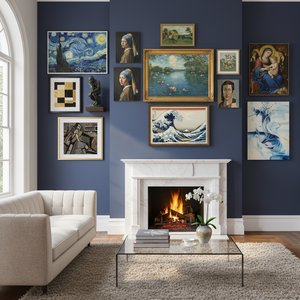
Топ-10 шедевров искусства, излучающих элегантность | ArtsDot.com
Погрузитесь в мир элегантности! Откройте топ-10 шедевров искусства, вдохновленных классикой, импрессионизмом и барокко. Узнайте истории великих художников и найдите идеальную картину для вашего интерьера на ArtsDot.com – музейное качество, эксклюзивный декор.
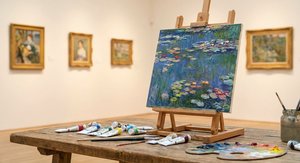
Топ-10 шедевров импрессионизма: искусство мгновения для вашего интерьера
Погрузитесь в мир импрессионизма! Откройте для себя 10 шедевров Моне, Ренуара и других великих мастеров. Узнайте историю создания культовых картин и вдохновитесь для декора интерьера. Репродукции музейного качества на ArtsDot.com.