

 Предпросмотр
 Поделиться
 Поделиться
 Детали произведения

 Скачать
 Похожие работы
 Рентгенография
 Слайд-шоу
 Статистика
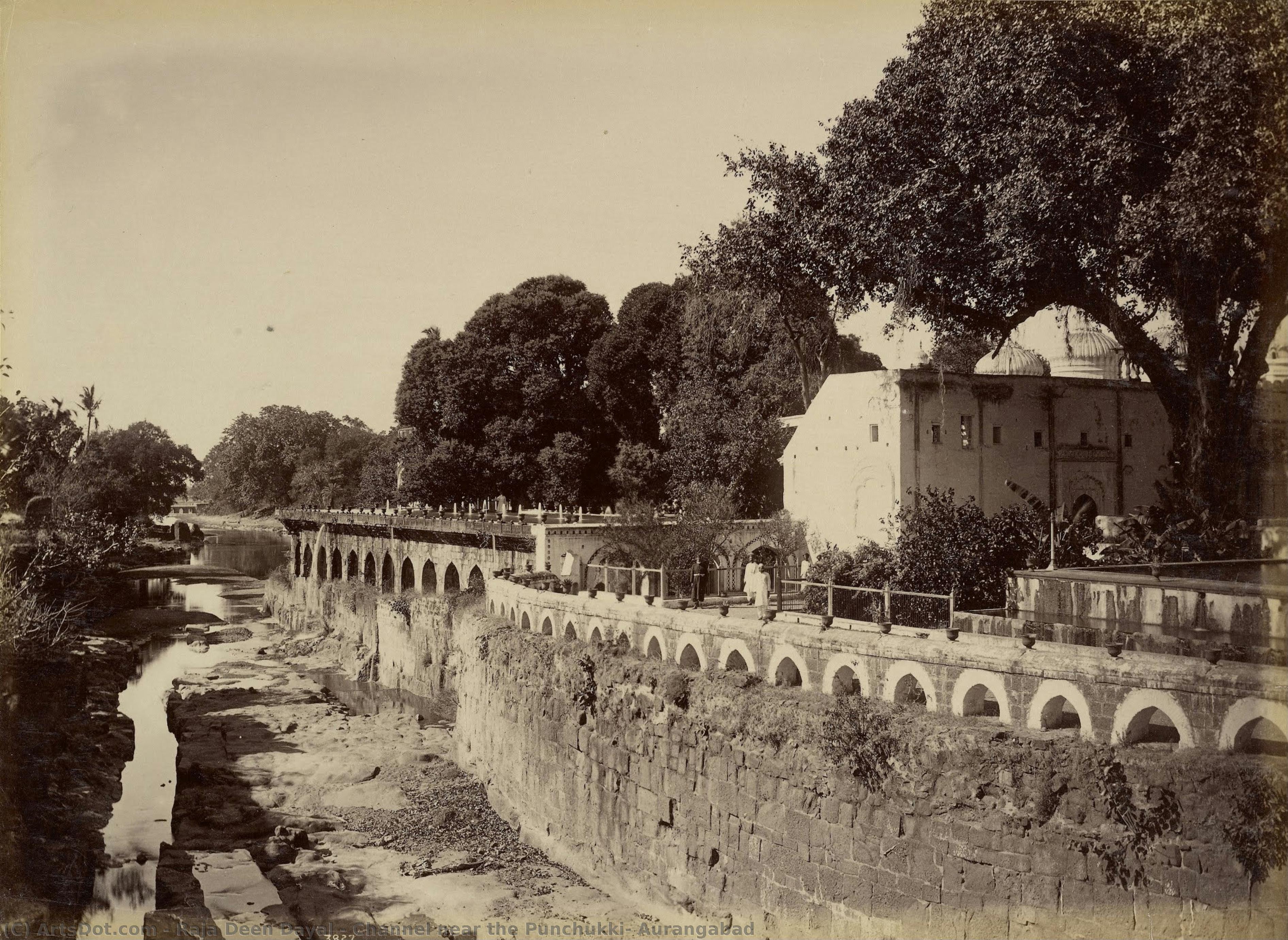
Channel near the Punchukki, Aurangabad
 Acrylic On Canvas
- WallArt
- Documentary Photography
 1888
1888 19.0 x 26.0 cm
 Музей Дж. Пол Гети
 Читать далее
Масляная репродукция ручной работы
Картина маслом на холсте в выбранном вами размере и раме, написанная на заказ нашими художниками. ( Перейти к печати Перейти к цифровым изображениям)




P118B $10

P118H $10

P118W $10

P438Z $10

P508JH $12

P508YH $12

P805H $10

P805Z $10

P919BZ $10

P919G $10

P919XJ $10

P959ZH $10

P968JZ $12

W106C $8

W218G $10

W218JH $8

W218Y $10

W307PJ $10

W316G $10

W316PJ $8

W316Y $10

W398PJ $8

W4111J $10

W500HY $15

W500JH $15

W692G $12

W849H $8

W940BG $15

W953PJ $8




Выберите один из наших стандартных размеров, соответствующих оригинальным пропорциям произведения искусства.

Вы можете указать собственные размеры, чтобы картина идеально вписалась в выбранную раму или пространство. Если выбранный вами размер не соответствует пропорциям оригинала, мы либо обрежем полотно, либо расширим его за счет дополнительных элементов, написанных вручную. Цифровой макет будет отправлен вам на утверждение перед началом производства.
Обратите внимание, что предварительный просмотр на экране не отражает фактическую обрезку или расширение. Только макет точно покажет окончательную композицию.
Хотя доступны индивидуальные размеры, мы рекомендуем выбирать вариант из предопределенного списка, чтобы сохранить исходные пропорции.
После оформления заказа команда ArtsDot.com свяжется с клиентом по электронной почте для уточнения деталей и предоставит предварительный макет
Доставка по всему миру () за 3–4 недели вместо стандартных 5 недель. (12 Сентябрь). Без компромиссов в качестве.

Бесплатная экспресс-доставка по всему миру

Высококачественный льняной холст

Полное страхование доставки

Гарантия возмещения таможенных пошлин

Гарантия точного соответствия цветов

100-дневная политика возврата (только при обнаружении дефектов)

Гарантия возврата 100% средств

Предложение оптовых скидок
 Вариант со стеклом доступен только для размеров менее 110 см

Channel near the Punchukki, Aurangabad
Техника репродукции
Размер репродукции
-


Итоговая стоимость
$ 263
A Serene Reflection: Raja Deen Dayal’s Channel Near the Punchukki
Raja Deen Dayal's "Channel near the Punchukki, Aurangabad" isn’t merely a photograph; it’s a portal to 19th-century India. Captured in 1888, this sepia-toned image offers a remarkably intimate glimpse into the heart of Mughal architecture and its harmonious integration with the natural world. The scene unfolds along the banks of the Punchukki River, a vital waterway that once pulsed through Aurangabad’s lifeblood – a testament to the city's strategic importance as a trade route and administrative center. The photograph immediately draws the eye towards an arched corridor, meticulously constructed from weathered stone pillars, leading toward a grand building crowned with a delicate dome. This architectural sequence speaks volumes about the power and sophistication of Mughal design, a legacy deeply rooted in Persian influences but uniquely Indian in its execution.
- Composition: The linear perspective expertly guides the viewer’s gaze along the corridor, creating a sense of depth and inviting exploration.
- Light & Shadow: The diffused lighting lends an ethereal quality to the scene, softening the textures of the stone and foliage while subtly highlighting the architectural details.
- Color Palette: The muted tones of sepia evoke a timelessness, transporting us back to a bygone era and emphasizing the image’s historical significance.
The Photographer's Eye: Raja Deen Dayal’s Technique
Raja Deen Dayal was more than just a photographer; he was a meticulous craftsman who mastered the art of albumen printing – a process that demanded precision and sensitivity. This particular image, likely a calotype or similar early photographic process, showcases his skill in capturing subtle tonal variations and preserving intricate details. Note the remarkable clarity with which the stone textures are rendered, the delicate reflections shimmering on the water’s surface, and the way he has captured the movement of the foliage along the riverbank. His dedication to detail is evident in every element, a testament to his commitment to documenting India's rich heritage.
Deen Dayal’s career was marked by royal patronage – he served as court photographer to the Nizam of Hyderabad and even received a Royal Warrant from Queen Victoria. This association with royalty underscores the prestige and artistic merit of his work, solidifying his place as one of India's pioneering photographers.
Symbolism & Historical Context
The “Channel near the Punchukki” transcends its literal depiction to embody a deeper symbolic meaning. The waterway itself represents lifeblood – sustenance, trade, and connection. The meticulously constructed corridor symbolizes order, power, and the control exerted by the Mughal rulers over their domain. The juxtaposition of the man-made architecture with the natural landscape speaks to the Mughal ideal of *jadu’ al-hind*—the blending of Islamic and Indian aesthetics. This harmonious integration reflects a sophisticated understanding of both cultures and a desire to create a space where beauty, power, and nature coexist in perfect balance.
Aurangabad itself holds significant historical weight. Once the capital of the Mughal Empire under Aurangzeb, it was a crucial strategic location during the 17th and 18th centuries. The photograph offers a rare visual record of this vibrant city at a pivotal moment in its history – a time when it served as both a center of imperial power and a gateway to the riches of the Deccan.
A Timeless Masterpiece for Your Space
Reproductions of “Channel near the Punchukki, Aurangabad” offer an exceptional opportunity to bring this captivating image into your home or office. Its serene beauty and historical significance make it a perfect addition to any collection of fine art. The photograph’s rich textures and subtle tonal variations translate beautifully to high-quality prints, allowing you to appreciate Deen Dayal's artistry in full detail. Consider framing the print in a classic wooden frame to further enhance its timeless appeal – a reminder of India’s glorious past and the enduring legacy of Raja Deen Dayal.
Похожие произведения

Биография художника
early life and training
raja deen dayal, also known as lala deen dayal, was an indian photographer born in sardhana, india in 1844. he died in 1905. trained as an engineer at thomason college of civil engineering at roorkee, dayal began his career in photography in the mid-1870s.career highlights
- established studios in indore, mumbai, and hyderabad, becoming the court photographer to the sixth nizam of hyderabad, mahbub ali khan, asif jah vi.
- appointed as the photographer to the viceroy of india in 1885.
- received the royal warrant from queen victoria in 1897.
notable works and collections
dayal's photographs are known for their capture of indian temples, palaces, and monuments, as well as portraits of indian rulers and british officials. some notable works include:- moosi river, hyderabad (j. paul getty museum, los angeles, united states), showcasing his skill in capturing the essence of indian landscapes.
- channel near the punchukki, aurangabad (j. paul getty museum, los angeles, united states), highlighting his ability to frame the beauty of indian architecture.
museums and collections featuring raja deen dayal's work
- j. paul getty museum (los angeles, united states)
- indira gandhi national centre for the arts (new delhi, india)
- peabody essex museum (united states)
- alkazi collection (delhi, india)
legacy and impact
raja deen dayal's contributions to indian photography are undeniable. his work not only captured the essence of india's architectural and cultural heritage but also paved the way for future generations of photographers. view more works by raja deen dayal on ArtsDot: https://ArtsDot.com/@/raja-deen-dayal explore indian art and photography on ArtsDot: /en/art/show/art-d3c8xr-en/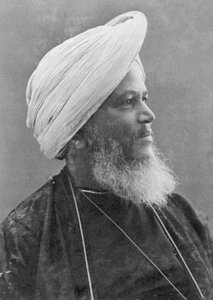
raja deen dayal
1844 - 1905 , India
Основные сведения
- Artistic Movement Or Style: Photography (Court)
- Artists Or Movements Influenced By This Artist: ['British Raj Art']
- Artists Who Influenced This Artist: ['Thomason College']
- Date Of Birth: 1844
- Date Of Death: 1905
- Full Name: Raja Deen Dayal / Lala Deen Dayal
- Nationality: Indian
- Notable Artworks:
- Moosi River
- Channel Aurangabad
- Objects Everyday Use
- Place Of Birth: Sardhana, India
Похожие статьи
Witnessing History Through Lens & Light: Documentary Photography's Enduring Legacy
Explore the powerful history of documentary photography – from its origins to contemporary masters like Gordon Parks & W. Eugene Smith. Discover how this art form shapes our understanding of society and witness pivotal moments in time.

Monochrome Visions: Exploring the Aesthetic & Historical Significance of Black & White Photography
Explore the rich history & artistic power of black and white photography. From early techniques to iconic masters like Ansel Adams, discover why monochrome continues to captivate art lovers today. Expert insights for collectors.

Pictorialism: A Search for Artistic Photography's Soul – Aesthetics, Techniques & Legacy
Explore the captivating world of Pictorialism – a pivotal movement that transformed photography into fine art. Discover key artists like Stieglitz & Käsebier, techniques, and collecting tips from experts.
Beyond the Lens: Photography's Enduring Influence on Modern & Contemporary Art
Explore photography's pivotal role in shaping modern & contemporary art. Discover key movements, influential artists like Stieglitz, and expert collecting advice from ArtsDot.
Raja Ravi Varma: Bridging Tradition & Modernity in 19th-Century Indian Art
Explore the life & art of Raja Ravi Varma, a pioneer who fused European techniques with Indian iconography. Discover his iconic paintings, lasting legacy, and influence on modern Indian art at ArtsDot.