

 Предпросмотр
 Поделиться
 Поделиться
 Детали произведения

 Скачать
 Похожие работы
 Рентгенография
 Слайд-шоу
 Статистика
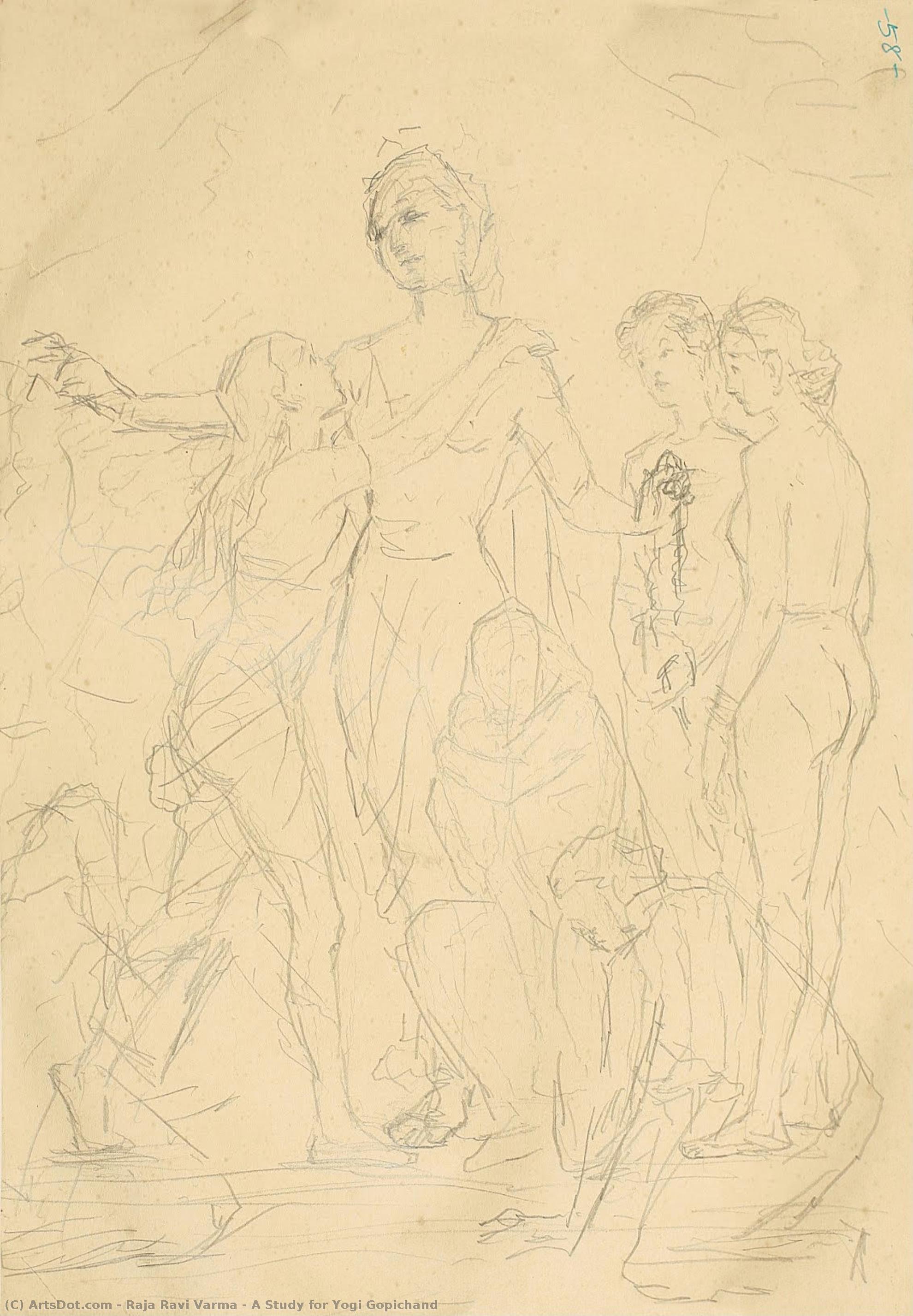
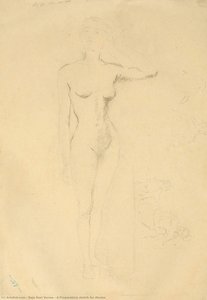
A Study for Yogi Gopichand


 Читать далее
Приобретите цифровое изображение высокого разрешения в улучшенном качестве, которое значительно превосходит онлайн-превью.
Каждый файл тщательно подготавливается нашими специалистами с использованием передовых инструментов и экспертной ручной ретуши. Мы гарантируем исключительную четкость, точную цветопередачу и детальную проработку каждого изображения.
Финальный файл доставляется по электронной почте в течение 72 часов и оптимизирован для немедленного использования в профессиональной среде, при верстке и печати. Это тот же уровень качества, которому доверяют ведущие дизайнерские студии, издательства и галереи.
Цифровое изображение
Скачайте файл высокого разрешения для личного использования, печати и творческих проектов. ( Перейти к печати Купить картину ручной работы)
Включено в каждый заказ цифровых изображений
Гарантия экспертной цифровой доставки
Выбирая ArtsDot.com, вы получаете не просто изображение — вы приобретаете профессионально обработанное цифровое произведение искусства, созданное с безупречной точностью и под защитой гарантии качества. Вот всё, что автоматически входит в ваш заказ:

Мгновенная доставка по e-mail
Ваш цифровой файл в высоком разрешении будет отправлен вам по электронной почте в течение 72 часов после оформления заказа — и сразу станет доступен для использования.

Цифровой файл с ИИ-улучшением
Ваше произведение искусства проходит профессиональную оптимизацию с использованием передовых инструментов ИИ и ручной обработки, что гарантирует максимальную детализацию, четкость и точность цветопередачи.

Бессрочная бесплатная повторная доставка
Случайно удалили или потеряли файл? Не беспокойтесь — мы отправим его вам повторно в любое время и совершенно бесплатно.

Без импортных пошлин — навсегда
Наслаждайтесь вашим произведением искусства мгновенно без таможенных пошлин, сборов или затрат на доставку — цифровые загрузки всегда не облагаются налогом.

Гарантия точности цветопередачи
Мы гарантируем, что ваше цифровое изображение максимально точно передает оригинальные цвета благодаря использованию профессиональных инструментов и систем управления цветом.

Гарантия удовлетворенности 100 дней
Если вы не будете удовлетворены своим цифровым изображением, мы внесем правки или вернем 100% стоимости в течение 100 дней — без лишних вопросов.

100% Гарантия возврата средств
Не удовлетворены покупкой? Получите полный возврат средств в течение 100 дней после получения цифрового файла — без лишних вопросов.

Скидки на оптовые заказы
Купите 3 изображения, сэкономьте 10% — Купите 5, сэкономьте 15% — Купите 10+, сэкономьте 20%. Отличное решение для творческих проектов, галерей и агентств.
The Raw Essence of Creation: A Glimpse into Raja Ravi Varma’s Preparatory Vision
In the quiet, intimate space of an artist's studio, before the grand narratives of mythology are draped in rich oils and vibrant pigments, there exists a moment of pure, unadulterated discovery. A Study for Yogi Gopichand captures this fleeting, vital stage of the creative process. This exquisite pencil sketch by the legendary Indian master Raja Ravi Varma serves as a window into the artist's mind, revealing the skeletal grace and rhythmic movement that would later form the foundation of his much more famous, finished masterpieces. Unlike his polished lithographs and oil paintings that brought Hindu deities to the masses, this preparatory study offers an unfiltered look at the artist’s technical prowess and his profound fascination with the human form.
The composition is a mesmerizing dance of graphite on paper, where five nude female figures are clustered in a way that suggests both spontaneous movement and deliberate anatomical exploration. There is no rigid hierarchy here; instead, the figures overlap and intertwine, creating a sense of organic density. The lines are loose, expressive, and remarkably confident, defining the soft contours of the bodies without the need for heavy shading or distracting detail. Through varying pressures of the pencil, Varma achieves a subtle tonal depth that breathes life into the paper, making the skin appear supple and the gestures feel heavy with intention. It is a masterclass in line drawing, where the simplicity of the medium belies the complexity of the anatomical study.
A Bridge Between Tradition and Academic Realism
To understand this sketch, one must understand the revolutionary position Raja Ravi Varma held in the history of Indian art. He was a pioneer who dared to marry the academic realism of European oil painting with the soulful, iconographic traditions of India. In this study, we see the seeds of that fusion. While the subject matter—the human figure in motion—echoes the classical studies of Western masters, the underlying spirit remains deeply connected to the fluid aesthetics found in Indian classical traditions. The sketch lacks the heavy shadows of Baroque art, opting instead for a diffuse, even light that emphasizes the silhouette and the rhythmic flow of the limbs.
The historical context of the piece is equally compelling. As a preparatory work for Yogi Gopichand, this drawing was the laboratory where Varma worked out the complexities of pose and weight. The story of Gopichand—a prince who renounced his kingdom in pursuit of spiritual enlightenment under the guidance of his mother—is one of profound transformation and asceticism. While this specific sketch focuses on the sensuality of form, it represents the essential groundwork required to eventually depict the heavy emotional weight of renunciation and divine devotion found in the final painting.
An Invitation for the Discerning Collector
For art lovers and collectors, A Study for Yogi Gopichand offers something far more rare than a finished portrait: it offers an encounter with the artist's raw intellect. There is an undeniable intimacy in viewing a work that was never intended for public display, but rather for the private struggle of creation. The monochromatic palette and the visible texture of the paper provide a sophisticated, understated elegance that makes this piece a versatile choice for high-end interior design. It possesses a timeless quality that complements both contemporary minimalist spaces and more traditional, richly textured environments.
Integrating a high-quality reproduction of this study into a collection or a curated space brings with it a sense of academic depth and historical reverence. It serves as a conversation piece that invites viewers to contemplate the labor behind the legend. Whether you are an interior designer seeking to add a layer of intellectual sophistication to a room, or a collector drawn to the foundational moments of Indian modernism, this sketch stands as a testament to the enduring power of the artist's first stroke.
Похожие произведения
Биография художника
The Princely Brush: Raja Ravi Varma and the Dawn of Modern Indian Painting
Raja Ravi Varma, a name that echoes through the halls of Indian art history, was more than just a painter; he was a cultural architect, a bridge between tradition and modernity. Born in 1848 within the opulent confines of Kilimanoor Palace, nestled amidst the verdant hills of Kerala, his life unfolded as a remarkable synthesis of aristocratic privilege and an incandescent creative spirit. He wasn’t merely capturing images on canvas; he was meticulously crafting a new visual language for India – one that blended the rigorous techniques of European academic painting with the deeply rooted mythology and aesthetics of Hindu art. His family's long-standing connection to the Travancore royal house, tracing back through generations of service and loyalty, provided him not only with access to unparalleled artistic training but also a profound understanding of Indian courtly life – an understanding that would profoundly shape his artistic vision. From a young age, Ravi Varma displayed an extraordinary aptitude for art, nurtured by his uncle, Raja Raja Varma, who initiated him into the world of drawing and painting, primarily within the established traditions of the Tanjore School. However, Ravi Varma’s ambition extended far beyond mere imitation; he possessed a burning desire to master techniques that would allow him to not just replicate likeness but to imbue his paintings with genuine emotion, narrative depth, and a palpable sense of human experience.A Fusion of Worlds: Technique and Inspiration
Ravi Varma's artistic journey took an extraordinary turn when he encountered the works of European masters – particularly during his travels across India and through interactions with British officials stationed in the region. He was utterly captivated by the realism, precision, and technical mastery evident in academic painting. He diligently studied its principles: perspective, anatomy, light, and shadow—elements that were largely absent from Indian art at the time. Yet, unlike many of his contemporaries who simply adopted Western styles superficially, Varma demonstrated a remarkable ability to adapt these techniques to serve distinctly Indian subjects. His canvases transformed into vibrant stages for scenes drawn from the epic narratives of the Ramayana, the Mahabharata, and the Puranas – stories populated by gods and goddesses rendered with an unprecedented level of naturalism and psychological complexity. He didn’t merely illustrate religious tales; he breathed life into them, imbuing them with human emotion, vulnerability, and a profound sense of drama. Consider his portrayal of *Shakuntala*, for instance—a scene brimming with longing, despair, and quiet dignity. Before Varma, depictions of deities often adhered to rigid, stylized conventions, prioritizing symbolic representation over emotional resonance. Ravi Varma dared to portray them as relatable figures – beautiful, powerful, yet imbued with a palpable humanity. His mastery of oil painting, a relatively new medium in India during his time, allowed him to achieve an astonishing level of detail and luminosity—a quality that dramatically enhanced the emotional impact of his work. He meticulously studied the methods of Theodore Jensen, a Danish-born British artist who had been brought to Travancore to paint portraits for the royal family, absorbing not just the technical aspects but also the European approach to capturing light and form.Democratizing Art: Lithographs and Public Appeal
Recognizing that his exquisite paintings were largely confined to the elite circles of royalty and art connoisseurs, Raja Ravi Varma embarked on a bold initiative to make his art accessible to a wider audience. In 1894, he established the Raja Ravi Varma Fine Arts Lithographic Press – a revolutionary step in Indian artistic history. This groundbreaking venture enabled the mass production of affordable lithographs based on his paintings, transforming them from exclusive treasures into widely distributed objects of beauty and contemplation. Suddenly, images of Hindu deities and mythological scenes were no longer restricted to temples or palaces; they adorned homes across India, becoming cherished symbols of cultural pride and religious devotion. The lithographs themselves weren’t mere reproductions; they were carefully crafted interpretations—each line, each shade, meticulously rendered to capture the essence of Varma's originals. This act of “democratizing art” had a profound and lasting impact on Indian society, fostering a broader appreciation for visual culture and shaping popular perceptions of religious iconography. It also established Ravi Varma as a truly public figure—his images becoming ubiquitous symbols of Indian identity and artistic achievement. The press itself was eventually sold to Germans due to financial difficulties, but the legacy of its innovation remained firmly entrenched in the Indian art world.Major Achievements and Artistic Style
Ravi Varma’s artistic style can be characterized as a masterful synthesis of European academic techniques and deeply rooted Indian traditions. He seamlessly integrated elements of perspective, anatomy, and light—learned from his studies of Western masters—with the rich symbolism, vibrant colors, and narrative complexity of Hindu mythology. His paintings are renowned for their realism, naturalism, and emotional depth – qualities that were largely absent in previous generations of Indian artists. Key works such as *Hansa Damayanthi*, depicting a poignant scene from the Mahabharata, and *The Maharani of Travancore*, a regal portrait capturing both outward beauty and inner character, exemplify his extraordinary skill and artistic vision. He was also one of the first Indian artists to utilize oil paints extensively, achieving an unprecedented level of detail and luminosity in his work. Furthermore, he pioneered the use of lithography for mass reproduction, making his art accessible to a vast audience. His influence extended beyond painting; he played a crucial role in shaping modern Indian identity through his artistic representations of Hindu mythology and culture.Historical Significance and Legacy
Raja Ravi Varma passed away on October 2, 1906, leaving behind an enduring legacy that continues to inspire artists and scholars today. He is widely regarded as the “Father of Modern Indian Art” – a title earned through his groundbreaking innovations in technique, subject matter, and accessibility. His work challenged conventional artistic norms, embraced innovation, and skillfully blended tradition with modernity. He not only transformed the landscape of Indian painting but also laid the foundation for subsequent generations of artists who sought to create a distinctly national artistic identity. Museums across India—including The Raja Ravi Varma Heritage Foundation in Bangalore and The Ganesh Shivaswamy Foundation—continue to preserve and celebrate his remarkable legacy, ensuring that his vision endures for future generations. His paintings remain powerful testaments to his genius – masterpieces that capture the beauty, spirituality, and cultural richness of India, reminding us of a pivotal moment in the nation’s artistic journey.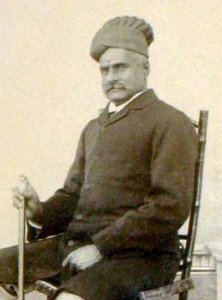
Раджа Рави Варма
1848 - 1906 , Индия
Основные сведения
- Artistic Movement Or Style: Академический и индийский
- Artists Or Movements Influenced By This Artist: ['Современное индийское искусство']
- Artists Who Influenced This Artist: ['Европейские мастера']
- Date Of Birth: 29 апреля 1848 г.
- Date Of Death: 2 октября 1906 г.
- Full Name: Raja Ravi Varma
- Nationality: Индийский
- Notable Artworks:
- Ганса Дамаянти
- Махарани Траванкоре
- Шакюнтила
- Place Of Birth: Киламанатур, Индия