 Предпросмотр
 Поделиться
 Поделиться
 Детали произведения

 Скачать
 Похожие работы
 Рентгенография
 Слайд-шоу
 Статистика
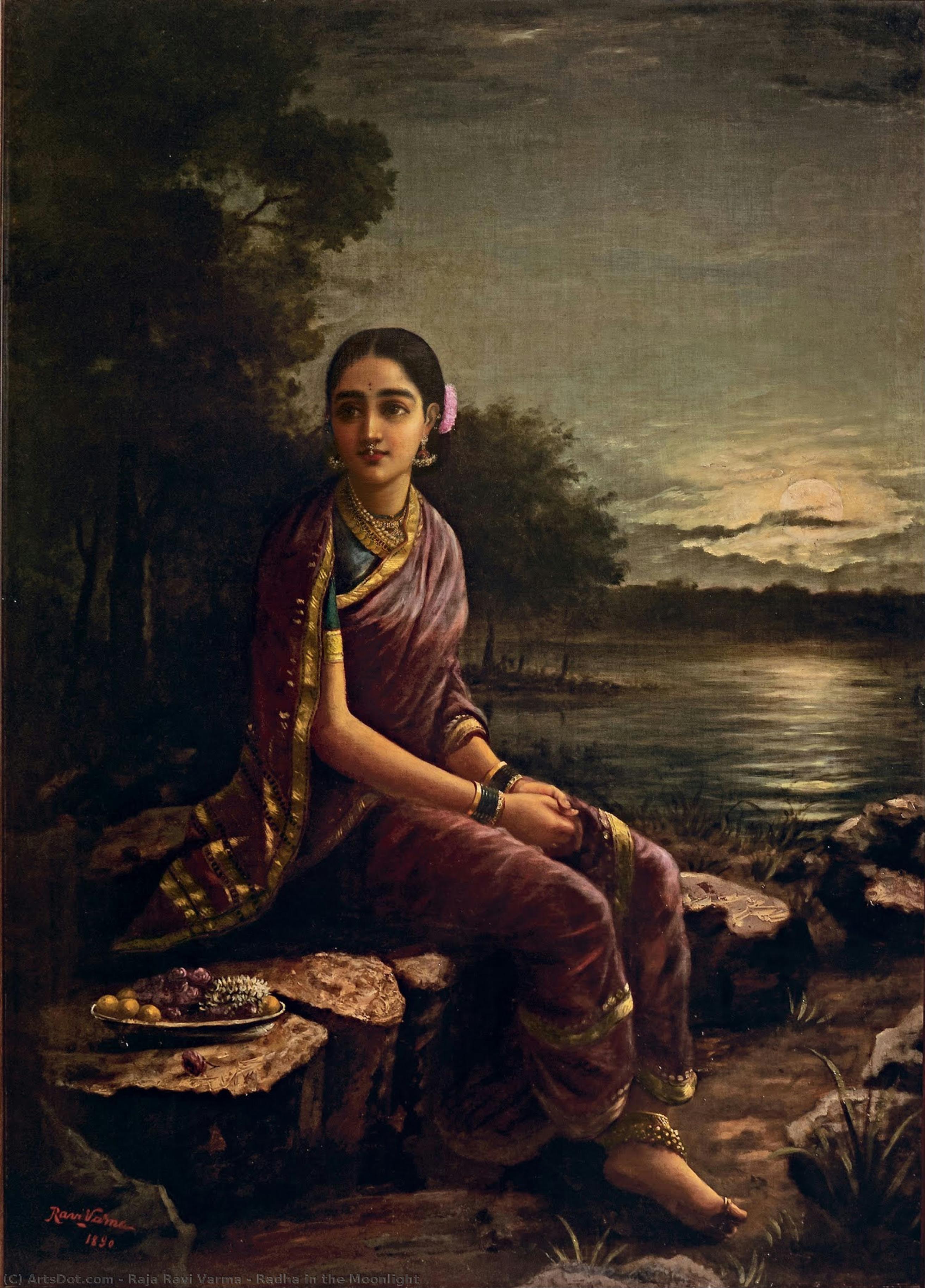
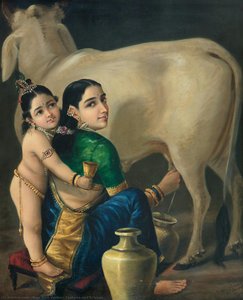
Radha in the Moonlight
 Acrylic On Canvas
- WallArt
- Romanticism
 1890
1890- 19th Century
 146.0 x 105.0 cm
 The Ganesh Shivaswamy Foundation
 Читать далее
Масляная репродукция ручной работы
Картина маслом на холсте в выбранном вами размере и раме, написанная на заказ нашими художниками. ( Перейти к печати Перейти к цифровым изображениям)




P118B $10

P118H $10

P118W $10

P438Z $10

P508JH $12

P508YH $12

P805H $10

P805Z $10

P919BZ $10

P919G $10

P919XJ $10

P959ZH $10

P968JZ $12

W106C $8

W218G $10

W218JH $8

W218Y $10

W307PJ $10

W316G $10

W316PJ $8

W316Y $10

W398PJ $8

W4111J $10

W500HY $15

W500JH $15

W692G $12

W849H $8

W940BG $15

W953PJ $8




Выберите один из наших стандартных размеров, соответствующих оригинальным пропорциям произведения искусства.

Вы можете указать собственные размеры, чтобы картина идеально вписалась в выбранную раму или пространство. Если выбранный вами размер не соответствует пропорциям оригинала, мы либо обрежем полотно, либо расширим его за счет дополнительных элементов, написанных вручную. Цифровой макет будет отправлен вам на утверждение перед началом производства.
Обратите внимание, что предварительный просмотр на экране не отражает фактическую обрезку или расширение. Только макет точно покажет окончательную композицию.
Хотя доступны индивидуальные размеры, мы рекомендуем выбирать вариант из предопределенного списка, чтобы сохранить исходные пропорции.
После оформления заказа команда ArtsDot.com свяжется с клиентом по электронной почте для уточнения деталей и предоставит предварительный макет
Доставка по всему миру () за 3–4 недели вместо стандартных 5 недель. (10 Сентябрь). Без компромиссов в качестве.

Бесплатная экспресс-доставка по всему миру

Высококачественный льняной холст

Полное страхование доставки

Гарантия возмещения таможенных пошлин

Гарантия точного соответствия цветов

100-дневная политика возврата (только при обнаружении дефектов)

Гарантия возврата 100% средств

Предложение оптовых скидок
 Вариант со стеклом доступен только для размеров менее 110 см

Radha in the Moonlight
Техника репродукции
Размер репродукции
-


Итоговая стоимость
$ 263
A Vision of Divine Love: Raja Ravi Varma’s *Radha in the Moonlight*
Raja Ravi Varma's *Radha in the Moonlight*, painted in 1890, stands as a pinnacle of Indian Romanticism and a testament to his unparalleled skill in synthesizing Western academic training with deeply rooted Hindu iconography. This captivating portrait transcends mere representation; it embodies the essence of the ‘uttama nayika,’ the ideal woman figure from classical Sanskrit literature – a being of profound beauty, intelligence, and spiritual grace. The painting’s enduring appeal lies not just in its technical brilliance but also in its ability to evoke a timeless narrative of love, devotion, and the merging of earthly and divine realms.
- Subject & Narrative: At its heart, *Radha in the Moonlight* depicts Radha, the beloved consort of Krishna, poised on the precipice of their legendary romance. The scene captures a moment of anticipation, perhaps just as Krishna emerges from the trees, hinting at the passionate love play that defines their mythology.
- Technique & Style: Ravi Varma’s mastery is immediately apparent in his meticulous rendering of form and texture. Executed with the precision characteristic of academic painting – a style he adopted after studying in London – the work showcases a remarkable understanding of light, shadow, and anatomical detail. The use of rich pigments, particularly in the vibrant hues of Radha's attire and the shimmering water, contributes to the painting’s luminous quality.
- Historical Context: Created during a period of significant cultural exchange between India and Europe, *Radha in the Moonlight* reflects Ravi Varma’s innovative approach. He skillfully adapted European techniques – particularly in his use of perspective and composition – while firmly grounding them within the conventions of Indian art tradition. His royal patronage further enabled him to explore ambitious themes and experiment with scale, culminating in works that were both groundbreaking and deeply resonant with contemporary audiences.
Symbolism & Iconography
The painting is laden with symbolic meaning, drawing upon a rich tapestry of Hindu mythology and iconography. The presence of the *pooja thali* – a platter adorned with flowers and sweetmeats – immediately establishes Radha’s role as a devotee engaged in ritual worship. This gesture signifies her reverence for Krishna and underscores the central theme of their relationship: a harmonious blend of earthly love and divine devotion. The rocks upon which she sits represent stability and grounding, while the glimmering water symbolizes purity and transformation. The setting itself – a serene landscape with trees and mountains – evokes a sense of timelessness and spiritual refuge.
- Krishna’s Absence: Notably, Krishna himself is absent from the scene. This deliberate omission emphasizes Radha's central role as the object of devotion and highlights her inner world of longing and yearning.
- Traditional Attire: Radha’s traditional Indian attire – a *sari* – further reinforces her identity as an embodiment of classical Indian aesthetics and values. The intricate details of her clothing, rendered with exquisite precision, speak to the importance of adornment and beauty in Hindu culture.
Emotional Impact & Artistic Legacy
*Radha in the Moonlight* possesses a profound emotional impact, captivating viewers with its serene beauty and evocative atmosphere. Ravi Varma’s ability to convey Radha's inner state – her intelligence, sensitivity, and longing – elevates this painting beyond a mere depiction of a mythological figure. It is a powerful meditation on love, devotion, and the human condition. Raja Ravi Varma’s work has had an enduring legacy, influencing generations of Indian artists and solidifying his place as one of the most important figures in the history of modern Indian art. This reproduction offers a unique opportunity to experience the full beauty and emotional depth of this iconic masterpiece.
Size:** 146 x 105 cm Date:** 1890 Artist:** Raja Ravi Varma (1848-1906)Похожие произведения
Биография художника
The Princely Brush: Raja Ravi Varma and the Dawn of Modern Indian Painting
Raja Ravi Varma, a name that echoes through the halls of Indian art history, was more than just a painter; he was a cultural architect, a bridge between tradition and modernity. Born in 1848 within the opulent confines of Kilimanoor Palace, nestled amidst the verdant hills of Kerala, his life unfolded as a remarkable synthesis of aristocratic privilege and an incandescent creative spirit. He wasn’t merely capturing images on canvas; he was meticulously crafting a new visual language for India – one that blended the rigorous techniques of European academic painting with the deeply rooted mythology and aesthetics of Hindu art. His family's long-standing connection to the Travancore royal house, tracing back through generations of service and loyalty, provided him not only with access to unparalleled artistic training but also a profound understanding of Indian courtly life – an understanding that would profoundly shape his artistic vision. From a young age, Ravi Varma displayed an extraordinary aptitude for art, nurtured by his uncle, Raja Raja Varma, who initiated him into the world of drawing and painting, primarily within the established traditions of the Tanjore School. However, Ravi Varma’s ambition extended far beyond mere imitation; he possessed a burning desire to master techniques that would allow him to not just replicate likeness but to imbue his paintings with genuine emotion, narrative depth, and a palpable sense of human experience.A Fusion of Worlds: Technique and Inspiration
Ravi Varma's artistic journey took an extraordinary turn when he encountered the works of European masters – particularly during his travels across India and through interactions with British officials stationed in the region. He was utterly captivated by the realism, precision, and technical mastery evident in academic painting. He diligently studied its principles: perspective, anatomy, light, and shadow—elements that were largely absent from Indian art at the time. Yet, unlike many of his contemporaries who simply adopted Western styles superficially, Varma demonstrated a remarkable ability to adapt these techniques to serve distinctly Indian subjects. His canvases transformed into vibrant stages for scenes drawn from the epic narratives of the Ramayana, the Mahabharata, and the Puranas – stories populated by gods and goddesses rendered with an unprecedented level of naturalism and psychological complexity. He didn’t merely illustrate religious tales; he breathed life into them, imbuing them with human emotion, vulnerability, and a profound sense of drama. Consider his portrayal of *Shakuntala*, for instance—a scene brimming with longing, despair, and quiet dignity. Before Varma, depictions of deities often adhered to rigid, stylized conventions, prioritizing symbolic representation over emotional resonance. Ravi Varma dared to portray them as relatable figures – beautiful, powerful, yet imbued with a palpable humanity. His mastery of oil painting, a relatively new medium in India during his time, allowed him to achieve an astonishing level of detail and luminosity—a quality that dramatically enhanced the emotional impact of his work. He meticulously studied the methods of Theodore Jensen, a Danish-born British artist who had been brought to Travancore to paint portraits for the royal family, absorbing not just the technical aspects but also the European approach to capturing light and form.Democratizing Art: Lithographs and Public Appeal
Recognizing that his exquisite paintings were largely confined to the elite circles of royalty and art connoisseurs, Raja Ravi Varma embarked on a bold initiative to make his art accessible to a wider audience. In 1894, he established the Raja Ravi Varma Fine Arts Lithographic Press – a revolutionary step in Indian artistic history. This groundbreaking venture enabled the mass production of affordable lithographs based on his paintings, transforming them from exclusive treasures into widely distributed objects of beauty and contemplation. Suddenly, images of Hindu deities and mythological scenes were no longer restricted to temples or palaces; they adorned homes across India, becoming cherished symbols of cultural pride and religious devotion. The lithographs themselves weren’t mere reproductions; they were carefully crafted interpretations—each line, each shade, meticulously rendered to capture the essence of Varma's originals. This act of “democratizing art” had a profound and lasting impact on Indian society, fostering a broader appreciation for visual culture and shaping popular perceptions of religious iconography. It also established Ravi Varma as a truly public figure—his images becoming ubiquitous symbols of Indian identity and artistic achievement. The press itself was eventually sold to Germans due to financial difficulties, but the legacy of its innovation remained firmly entrenched in the Indian art world.Major Achievements and Artistic Style
Ravi Varma’s artistic style can be characterized as a masterful synthesis of European academic techniques and deeply rooted Indian traditions. He seamlessly integrated elements of perspective, anatomy, and light—learned from his studies of Western masters—with the rich symbolism, vibrant colors, and narrative complexity of Hindu mythology. His paintings are renowned for their realism, naturalism, and emotional depth – qualities that were largely absent in previous generations of Indian artists. Key works such as *Hansa Damayanthi*, depicting a poignant scene from the Mahabharata, and *The Maharani of Travancore*, a regal portrait capturing both outward beauty and inner character, exemplify his extraordinary skill and artistic vision. He was also one of the first Indian artists to utilize oil paints extensively, achieving an unprecedented level of detail and luminosity in his work. Furthermore, he pioneered the use of lithography for mass reproduction, making his art accessible to a vast audience. His influence extended beyond painting; he played a crucial role in shaping modern Indian identity through his artistic representations of Hindu mythology and culture.Historical Significance and Legacy
Raja Ravi Varma passed away on October 2, 1906, leaving behind an enduring legacy that continues to inspire artists and scholars today. He is widely regarded as the “Father of Modern Indian Art” – a title earned through his groundbreaking innovations in technique, subject matter, and accessibility. His work challenged conventional artistic norms, embraced innovation, and skillfully blended tradition with modernity. He not only transformed the landscape of Indian painting but also laid the foundation for subsequent generations of artists who sought to create a distinctly national artistic identity. Museums across India—including The Raja Ravi Varma Heritage Foundation in Bangalore and The Ganesh Shivaswamy Foundation—continue to preserve and celebrate his remarkable legacy, ensuring that his vision endures for future generations. His paintings remain powerful testaments to his genius – masterpieces that capture the beauty, spirituality, and cultural richness of India, reminding us of a pivotal moment in the nation’s artistic journey.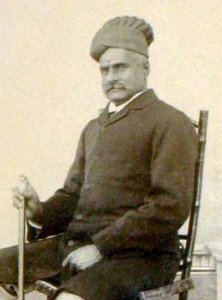
Раджа Рави Варма
1848 - 1906 , Индия
Основные сведения
- Artistic Movement Or Style: Академический и индийский
- Artists Or Movements Influenced By This Artist: ['Современное индийское искусство']
- Artists Who Influenced This Artist: ['Европейские мастера']
- Date Of Birth: 29 апреля 1848 г.
- Date Of Death: 2 октября 1906 г.
- Full Name: Raja Ravi Varma
- Nationality: Индийский
- Notable Artworks:
- Ганса Дамаянти
- Махарани Траванкоре
- Шакюнтила
- Place Of Birth: Киламанатур, Индия
Похожие статьи
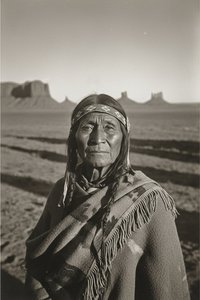
Shadow Catcher: Edward S. Curtis & the Ethnographic Portraiture of a Vanishing West
Explore the life & work of Edward S. Curtis, the 'Shadow Catcher,' and his groundbreaking photographic documentation of Native American cultures. Discover iconic images from *The North American Indian* and a critical look at his lasting legacy.
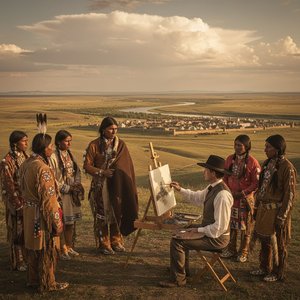
George Catlin: Witnessing & Representing Indigenous Life on the American Frontier
Explore the captivating art of George Catlin, renowned for his vivid portraits & landscapes documenting Native American life on the frontier. Discover a vanishing world through stunning paintings and historical context.
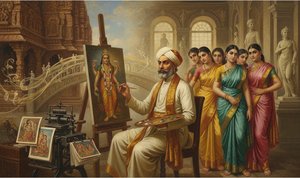
Raja Ravi Varma: Bridging Tradition & Modernity in 19th-Century Indian Art
Explore the life & art of Raja Ravi Varma, a pioneer who fused European techniques with Indian iconography. Discover his iconic paintings, lasting legacy, and influence on modern Indian art at ArtsDot.
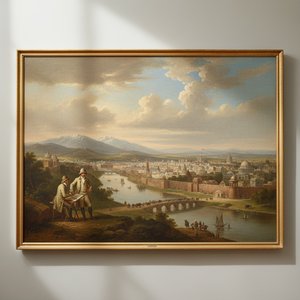
Panoramic Visions of Empire: The Daniells’ Artistic Collaboration & Legacy
Explore the captivating 'Oriental Scenery' by Thomas & William Daniell. Discover their pioneering aquatint prints of India, imperial context, artistic collaboration, and lasting legacy. A deep dive for history lovers.
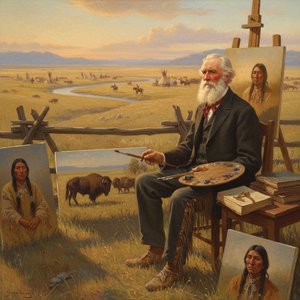
Joseph Henry Sharp: Capturing the Spirit of the Plains – Life, Art & Legacy
Explore the life & art of Joseph Henry Sharp, a founding member of the Taos Society of Artists renowned for his realistic depictions of Native American culture and Western landscapes. Discover his legacy with ArtsDot.