

 Предпросмотр
 Поделиться
 Поделиться
 Детали произведения

 Скачать
 Похожие работы
 Рентгенография
 Слайд-шоу
 Статистика
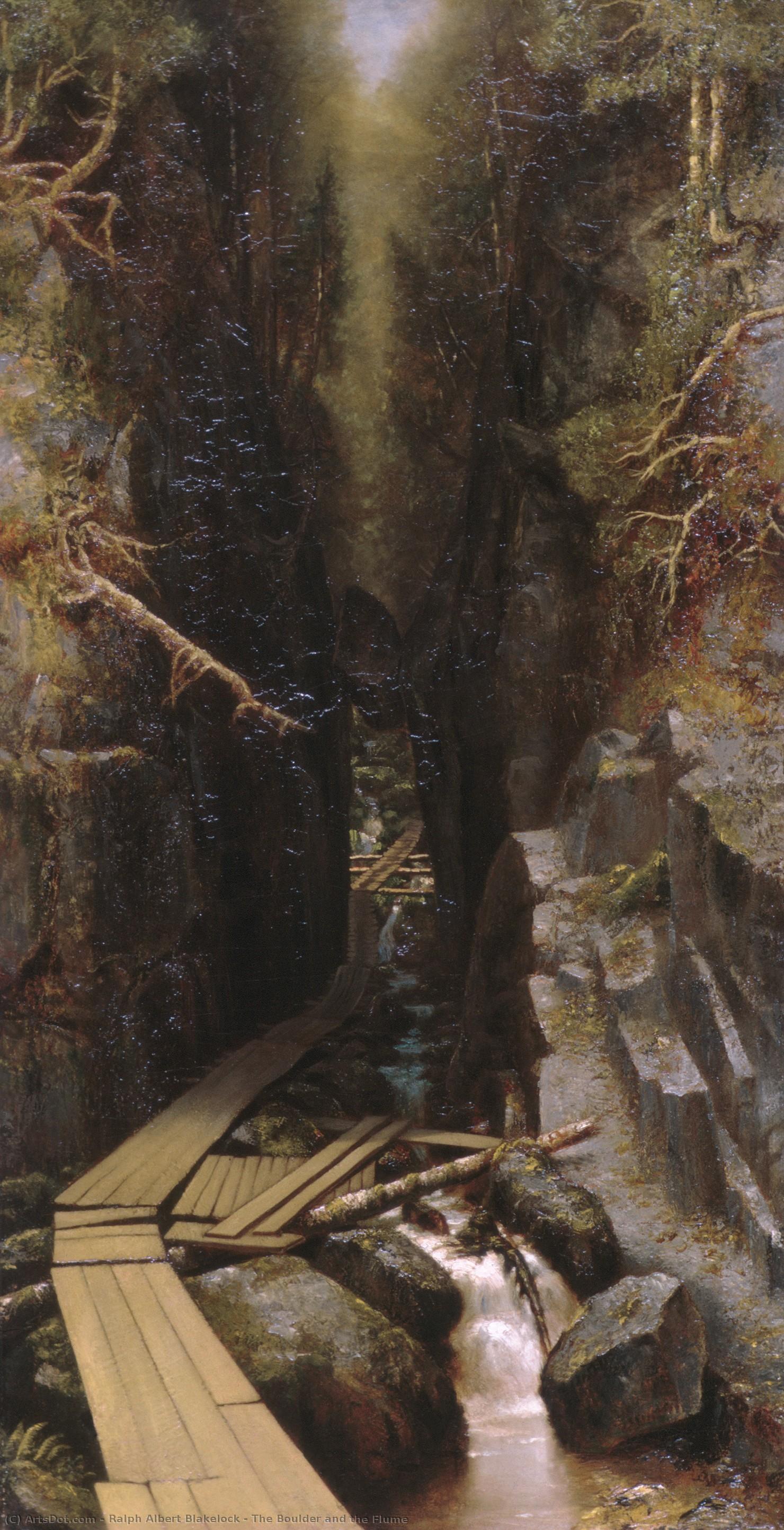
The Boulder and the Flume
 Oil On Canvas
- WallArt
- Tonalist Landscape
 1878
1878- 19th Century
 137.0 x 71.0 cm
 Музей Метрополитен
 Читать далее
Масляная репродукция ручной работы
Картина маслом на холсте в выбранном вами размере и раме, написанная на заказ нашими художниками. ( Перейти к печати Перейти к цифровым изображениям)




P118B $10

P118H $10

P118W $10

P438Z $10

P508JH $12

P508YH $12

P805H $10

P805Z $10

P919BZ $10

P919G $10

P919XJ $10

P959ZH $10

P968JZ $12

W106C $8

W218G $10

W218JH $8

W218Y $10

W307PJ $10

W316G $10

W316PJ $8

W316Y $10

W398PJ $8

W4111J $10

W500HY $15

W500JH $15

W692G $12

W849H $8

W940BG $15

W953PJ $8




Выберите один из наших стандартных размеров, соответствующих оригинальным пропорциям произведения искусства.

Вы можете указать собственные размеры, чтобы картина идеально вписалась в выбранную раму или пространство. Если выбранный вами размер не соответствует пропорциям оригинала, мы либо обрежем полотно, либо расширим его за счет дополнительных элементов, написанных вручную. Цифровой макет будет отправлен вам на утверждение перед началом производства.
Обратите внимание, что предварительный просмотр на экране не отражает фактическую обрезку или расширение. Только макет точно покажет окончательную композицию.
Хотя доступны индивидуальные размеры, мы рекомендуем выбирать вариант из предопределенного списка, чтобы сохранить исходные пропорции.
После оформления заказа команда ArtsDot.com свяжется с клиентом по электронной почте для уточнения деталей и предоставит предварительный макет
Доставка по всему миру () за 3–4 недели вместо стандартных 5 недель. (10 Сентябрь). Без компромиссов в качестве.

Бесплатная экспресс-доставка по всему миру

Высококачественный льняной холст

Полное страхование доставки

Гарантия возмещения таможенных пошлин

Гарантия точного соответствия цветов

100-дневная политика возврата (только при обнаружении дефектов)

Гарантия возврата 100% средств

Предложение оптовых скидок
 Вариант со стеклом доступен только для размеров менее 110 см

The Boulder and the Flume
Техника репродукции
Размер репродукции
-


Итоговая стоимость
$ 263
A Symphony of Shadow and Stone
In the quiet, evocative realm of American Tonalism, few works capture the profound intersection of geological power and atmospheric stillness as masterfully as Ralph Albert Blakelock’s 1878 masterpiece, The Boulder and the Flume. This painting is far more than a mere topographical record of Franconia Notch; it is an immersive sensory experience that invites the viewer into a world where the boundaries between earth, water, and air seem to dissolve. Blakelock, a painter whose life was as textured and complex as his canvases, utilizes a muted, sophisticated palette to evoke the damp, heavy air of the White Mountains. The scene presents a dramatic cleft in the granite bedrock, where a colossal boulder sits poised with a sense of precarious majesty above a rushing stream. There is an inherent tension in this composition—a silent dialogue between the immovable weight of the stone and the kinetic energy of the flowing water.
To gaze upon this work is to witness the artist’s profound ability to translate emotion into landscape. Unlike the Impressionists, who sought to capture the fleeting sparkle of sunlight, Blakelock was a poet of the twilight and the mist. He prioritized the sublime—that specific Romantic feeling of awe mixed with a touch of trepidation when faced with the untamed forces of nature. Through subtle gradations of brown, gray, and ochre, he simulates a diffused, ethereal light that suggests a sun struggling to pierce through a dense mountain canopy. For the collector or interior designer, this piece offers a sense of grounded tranquility; it possesses a rhythmic, meditative quality that can anchor a room, providing a focal point that encourages deep contemplation and a connection to the primordial beauty of the natural world.
Mastery of Texture and Tonalist Technique
The technical brilliance of The Boulder and the Flume lies in Blakelock’s virtuosic use of impasto. He did not merely paint a landscape; he sculpted it upon the canvas. By applying thick, deliberate layers of oil paint, Blakelock created a palpable surface that mirrors the rugged, weathered texture of the granite and the mossy crevices of the forest floor. These visible, rhythmic brushstrokes serve a dual purpose: they provide a physical dimension to the artwork and enhance the illusion of luminosity, as the raised paint catches the light in a way that mimics the natural glisten of wet stone and spray. This tactile approach ensures that the painting remains dynamic, even in its most somber moments.
Beyond the surface, the historical significance of this work resides in its role as a cornerstone of the Tonalist movement. Blakelock’s ability to weave together his personal experiences—including the memories of his travels through the American West and the rugged landscapes of New Hampshire—into a unified aesthetic vision is unparalleled. The painting serves as a bridge between the literal landscape and the internal psychological state. For those seeking to adorn a space with art that possesses both historical weight and contemporary elegance, this reproduction offers an exquisite opportunity to bring the soulful, atmospheric essence of 19th-century American Romanticism into a modern setting.
Похожие произведения
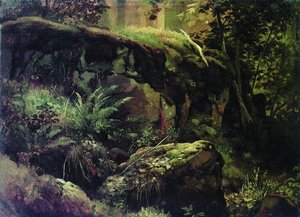
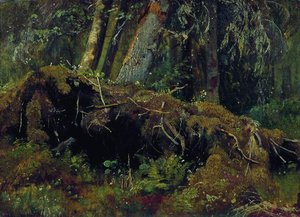
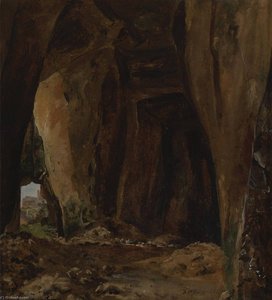
Биография художника
Ralph Albert Blakelock (1847–1919): A Life Shrouded in Mystery – The World of Ralph Albert Blakelock
Ralph Albert Blakelock, born in New York City in 1847, remains one of the most enigmatic and tragically compelling figures in American art. His life was a poignant blend of artistic vision and personal turmoil, a narrative often overshadowed by obscurity until late in his career. The son of Caroline Olinarg (Carry) and Ralph B. Blakelock, who was born in England, he possessed an innate sensitivity to the natural world—a characteristic that would profoundly shape his distinctive artistic voice. Largely self-taught, Blakelock’s artistic development was a deeply personal journey, fueled by observation, introspection, and an unwavering belief in the transformative power of art.Early Life and Artistic Aspirations
Ralph Blakelock initially pursued medicine, enrolling at the Free Academy of the City of New York (now City College) in 1864 with hopes of becoming a physician. However, the allure of art and music proved irresistible, leading him to abandon medical studies after only three terms and dedicate himself fully to creative pursuits. This decisive rejection of conventional academic paths—a bold move for his time—established Blakelock as an independent spirit from the outset. His fascination with artistic expression stemmed not merely from aesthetic pleasure but from a conviction that art could convey profound truths about human experience and the natural world. He diligently honed his skills through self-discipline and experimentation, rejecting prescribed methods in favor of cultivating his own unique vision.Western Wanderings and the Birth of a Vision
A pivotal period in Blakelock’s life was his extensive journey through the American West from 1869 to 1872. He ventured far beyond established settlements, immersing himself in the landscapes and cultures of the frontier—a quest that transcended mere geographical exploration; it represented a spiritual pilgrimage. Spending time among Native American communities provided him with invaluable subject matter and inspiration, fueling his imagination with scenes of wilderness and indigenous life. He meticulously documented his experiences in notebooks filled with sketches and observations, which served as crucial references for his later works. These early landscapes and depictions of Indian encampments weren’t simply representations of what he saw; they were imbued with a romanticized, almost mystical quality—a stylistic hallmark that would define Blakelock's artistic voice. The vastness and solitude of the West seemed to seep into his very being, influencing the mood and atmosphere that would become hallmarks of his paintings.Embracing Tonalism: A Symphony in Shadow and Mood
Ralph Albert Blakelock is now recognized as a key figure within the Tonalist movement—an artistic current that emerged in the late 19th century as a reaction against the more detailed and dramatic styles of earlier landscape painting. His canvases are characterized by muted color palettes – often dominated by grays, browns, and greens – atmospheric effects achieved through subtle gradations of tone, and a profound emphasis on mood and emotion over precise representation. He frequently depicted nocturnal scenes and shadowy forests, creating an evocative sense of mystery and introspection. Blakelock’s technique was particularly unique; he famously incorporated coal tar into his pigments to deepen the darkness and achieve a velvety texture—a bold departure from prevailing artistic conventions. The influence of Albert Pinkham Ryder is evident in this approach – Ryder's dreamlike landscapes resonated deeply with Blakelock’s own artistic sensibilities, inspiring him to explore similar themes of solitude, spirituality, and the sublime power of nature. He wasn’t interested in simply *depicting* a landscape; he sought to capture its essence, its emotional resonance, and its ability to stir the soul.Later Life and Legacy
Despite his undeniable talent, Blakelock struggled with financial hardship throughout much of his life—a circumstance exacerbated by his large family—leading him to sell paintings at drastically undervalued prices in moments of desperation. This economic strain contributed to a series of mental breakdowns, the first occurring in 1891 and another more severe episode in 1899 that resulted in nearly two decades spent institutionalized. Ironically, it was during this period of personal suffering that Blakelock’s work began to gain recognition—though often through the unfortunate proliferation of forgeries sold at inflated prices. A turning point arrived in 1916 when one of his landscapes achieved a record-breaking sale price of $20,000—bringing him unexpected public attention and leading to his election as an academician of the National Academy of Design. Though he experienced brief periods of lucidity and continued painting within the confines of the asylum, Blakelock remained largely confined until his death on August 9, 1919, at the age of 71—leaving behind a legacy that transcends mere artistic achievement; it serves as a poignant reminder of the struggles faced by many artists throughout history—the challenges of financial insecurity, mental health, and the often-delayed recognition of true genius. He remains an important figure in American art history, celebrated for his unique vision, distinctive style, and the enduring appeal of landscapes that invite contemplation and stir the imagination.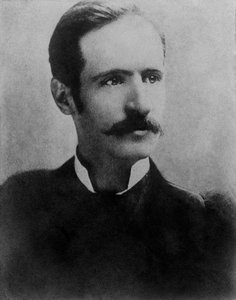
Ральф Альберт Блэклок
1847 - 1919 , США
Основные сведения
- Artistic Movement Or Style: Тонализм
- Artists Who Influenced This Artist: ['Альберт Пинхэм Райдер']
- Date Of Birth: Октябрь 15, 1847
- Date Of Death: Август 9, 1919
- Full Name: Ralph Albert Blakelock
- Nationality: Американский
- Notable Artworks:
- Лунный свет, индейское лагерь
- Лунный свет
- Строители каноэ
- Place Of Birth: Нью-Йорк Сити, США
Похожие статьи

Evocations of Place: A Historical Journey Through Landscape Art
Explore the rich history of landscape art with ArtsDot. Discover renowned artists, movements like Impressionism & Romanticism, and expert guidance for collecting timeless pieces. Find your perfect serene escape today!

Романтический пейзаж: 10 шедевров, изменивших искусство | ArtsDot.com
Погрузитесь в мир романтического пейзажа! 10 шедевров Фридриха, Тёрнера и других гениев. Узнайте историю создания культовых картин и вдохновитесь для декора интерьера. Репродукции высокого качества на ArtsDot.com.

Джон Констебль: 25 шедевров английского пейзажа для вашего интерьера
Погрузитесь в мир английского пейзажа с Джоном Констеблом! 25 шедевров романтизма, история создания картин и вдохновение для вашего интерьера. Репродукции высокого качества на ArtsDot.com – искусство для ценителей.

Белые шедевры: 10 знаменитых картин, покоривших мир (репродукции, декор)
Откройте для себя 10 знаменитых картин, где белый цвет – главный герой! Моне, Дега и другие мастера. История искусства, техники живописи и вдохновение для вашего интерьера. Репродукции высокого качества на ArtsDot.com

Топ-25 шедевров Кацусики Хокусая: Искусство Японии для вашего интерьера
Погрузитесь в мир гения Кацусики Хокусая! 25 легендарных гравюр укиё-э, включая "Великую волну". История искусства Японии и вдохновение для вашего интерьера. Репродукции высокого качества на ArtsDot.com.