

 Предпросмотр
 Поделиться
 Поделиться
 Детали произведения

 Скачать
 Похожие работы
 Рентгенография
 Слайд-шоу
 Статистика
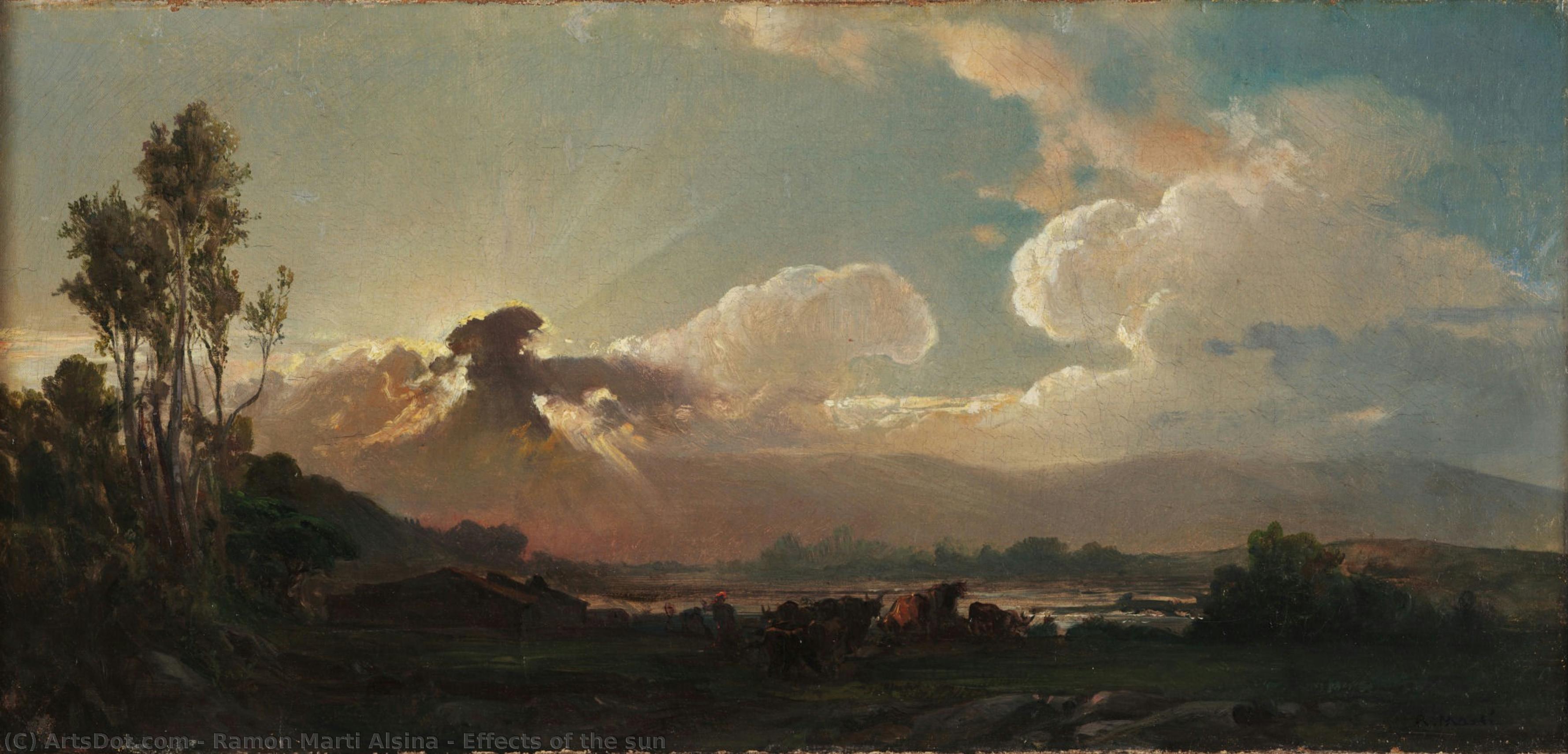
Effects of the sun

 Читать далее
Приобретите цифровое изображение высокого разрешения в улучшенном качестве, которое значительно превосходит онлайн-превью.
Каждый файл тщательно подготавливается нашими специалистами с использованием передовых инструментов и экспертной ручной ретуши. Мы гарантируем исключительную четкость, точную цветопередачу и детальную проработку каждого изображения.
Финальный файл доставляется по электронной почте в течение 72 часов и оптимизирован для немедленного использования в профессиональной среде, при верстке и печати. Это тот же уровень качества, которому доверяют ведущие дизайнерские студии, издательства и галереи.
Цифровое изображение
Скачайте файл высокого разрешения для личного использования, печати и творческих проектов. ( Перейти к печати Купить картину ручной работы)
Включено в каждый заказ цифровых изображений
Гарантия экспертной цифровой доставки
Выбирая ArtsDot.com, вы получаете не просто изображение — вы приобретаете профессионально обработанное цифровое произведение искусства, созданное с безупречной точностью и под защитой гарантии качества. Вот всё, что автоматически входит в ваш заказ:

Мгновенная доставка по e-mail
Ваш цифровой файл в высоком разрешении будет отправлен вам по электронной почте в течение 72 часов после оформления заказа — и сразу станет доступен для использования.

Цифровой файл с ИИ-улучшением
Ваше произведение искусства проходит профессиональную оптимизацию с использованием передовых инструментов ИИ и ручной обработки, что гарантирует максимальную детализацию, четкость и точность цветопередачи.

Бессрочная бесплатная повторная доставка
Случайно удалили или потеряли файл? Не беспокойтесь — мы отправим его вам повторно в любое время и совершенно бесплатно.

Без импортных пошлин — навсегда
Наслаждайтесь вашим произведением искусства мгновенно без таможенных пошлин, сборов или затрат на доставку — цифровые загрузки всегда не облагаются налогом.

Гарантия точности цветопередачи
Мы гарантируем, что ваше цифровое изображение максимально точно передает оригинальные цвета благодаря использованию профессиональных инструментов и систем управления цветом.

Гарантия удовлетворенности 100 дней
Если вы не будете удовлетворены своим цифровым изображением, мы внесем правки или вернем 100% стоимости в течение 100 дней — без лишних вопросов.

100% Гарантия возврата средств
Не удовлетворены покупкой? Получите полный возврат средств в течение 100 дней после получения цифрового файла — без лишних вопросов.

Скидки на оптовые заказы
Купите 3 изображения, сэкономьте 10% — Купите 5, сэкономьте 15% — Купите 10+, сэкономьте 20%. Отличное решение для творческих проектов, галерей и агентств.
Похожие произведения







Биография художника
Giovanni Costa (Nino Costa): A Pioneer of Italian Landscape and Patriotic Vision
Giovanni Costa, often known as Nino Costa, was a pivotal figure in 19th-century Italian art, particularly recognized for his evocative landscapes and fervent commitment to national unity. Born in Rome in 1826, he navigated the tumultuous political landscape of Italy’s unification while simultaneously developing a distinctive artistic voice rooted in observation and a deep connection to the Italian countryside. His life was inextricably linked with the burgeoning Macchiaioli movement, and his work served as both an inspiration and a reflection of the era's spirit of reform and patriotic fervor. Costa’s early artistic education laid the foundation for his future success. Introduced to Baron Vincenzo Camuccini at the tender age of twelve, he was encouraged to embrace *vedute* – views of urban landscapes – and to capture nature directly from observation. This emphasis on direct experience would become a hallmark of his style. Following Camuccini’s guidance, Costa spent time at the Jesuit college in Montefiascone, honing his drawing skills before returning to Rome and enrolling in the prestigious Accademia di San Luca. There, he studied under masters like Francesco Coghetti, Francesco Podesti, and Filippo Agricola, absorbing the classical techniques and compositional principles of the time. However, it was during the 1848 revolutions that Costa truly found his purpose – not merely as an artist, but as a participant in Italy’s struggle for independence. He enthusiastically joined Garibaldi's volunteer army, demonstrating his unwavering patriotism through direct action, famously leading the assault on the Porta Pia during Rome’s liberation in 1870. Costa’s artistic style evolved significantly throughout his career. Initially influenced by Neoclassicism, particularly through Camuccini’s teachings, he gradually embraced a more expressive and spontaneous approach. He became deeply involved with the Macchiaioli movement, a group of Florentine artists who rejected academic conventions in favor of capturing the fleeting effects of light and color on canvas. The Macchiaioli's technique of using *macchie* – dabs or strokes of pure pigment – to create an impressionistic effect resonated strongly with Costa’s own desire to convey immediacy and emotional resonance. His landscapes, often depicting rural scenes of shepherds and cattle grazing in the rolling hills of Tuscany and Umbria, are characterized by a remarkable sensitivity to light and atmosphere. He wasn't interested in idealized beauty; instead, he sought to capture the authentic essence of the Italian countryside, imbued with its history, traditions, and the spirit of its people. Works like *Donne sulla spiaggia di Porto d’Anzio* (1862) exemplify this shift – a seemingly simple depiction of women on a beach becomes a powerful meditation on light, color, and the beauty of everyday life. Costa's international recognition grew throughout the latter half of his career. He cultivated relationships with artists from England and America, including Elihu Vedder and Matthew Ridley Corbet, who were captivated by his unique approach to landscape painting. These connections exposed his work to a wider European audience and further solidified his reputation as a leading figure in Italian art. His paintings weren’t merely representations of scenery; they were imbued with a strong sense of national identity and a passionate belief in the potential of Italy. His dedication extended beyond the canvas, actively promoting artistic independence from outdated traditions and championing a return to direct observation of nature – principles that profoundly influenced subsequent generations of Italian artists. Costa’s legacy extends far beyond his individual paintings. He served as an important mentor and inspiration for many younger artists, particularly those associated with the Macchiaioli movement. His commitment to patriotic ideals and his willingness to engage in political action alongside his artistic pursuits cemented his place as a symbol of Italian unification and national pride. Giovanni Costa (Nino Costa) died in Rome in 1903, leaving behind a body of work that continues to captivate viewers with its beauty, sincerity, and profound connection to the heart of Italy.Costa’s Artistic Techniques and Influences
Costa's artistic development reveals a fascinating interplay between traditional training and innovative influences. His early exposure to Camuccini instilled in him a solid understanding of classical composition and *vedute*, but it was his engagement with the Macchiaioli that truly shaped his style. The Macchiaioli’s emphasis on capturing fleeting moments, using pure colors applied in small dabs or strokes (the *macchie*), profoundly impacted Costa's approach to landscape painting. He adopted this technique, not as a mere stylistic choice, but as a means of conveying the immediacy and emotional intensity of his observations. Furthermore, Costa’s time at the Accademia di San Luca exposed him to the works of masters like Coghetti, Podesti, and Agricola, who instilled in him a deep appreciation for anatomical accuracy and classical principles. However, he skillfully integrated these influences with his own unique vision, creating landscapes that were both technically proficient and emotionally resonant. His use of light and color was particularly noteworthy – he masterfully captured the subtle shifts of atmosphere and the interplay of shadows, imbuing his paintings with a sense of depth and realism. Beyond the Macchiaioli, Costa’s work also reflects the influence of Romanticism, particularly in its emphasis on dramatic landscapes and emotional intensity. However, unlike many Romantic painters, he avoided sentimentalizing nature or imposing moralistic narratives onto his scenes. Instead, he focused on capturing the beauty and power of the Italian countryside with a sense of detached observation and quiet reverence. His paintings are not simply depictions of scenery; they are invitations to contemplate the relationship between humanity and the natural world.- Neoclassicism: Early influence from Baron Vincenzo Camuccini.
- Macchiaioli Movement: Adoption of *macchie* technique for capturing fleeting light and color.
- Romanticism: Evident in dramatic landscapes and emotional intensity, but without sentimentality.
Costa’s Patriotic Engagement
Giovanni Costa's artistic career was inextricably linked to Italy’s struggle for unification. His fervent patriotism manifested not only through his subject matter – depicting scenes of rural life and the Italian landscape – but also through his active participation in political events. He joined Garibaldi’s volunteer army during the 1848 revolutions, demonstrating his commitment to national independence. His most significant act of patriotic engagement occurred during the assault on the Porta Pia in Rome in 1870, where he famously led the charge, symbolizing the triumph of Italian unity and the end of papal rule. This willingness to put himself at risk for the cause of Italy cemented his status as a national hero. His paintings became powerful symbols of patriotic fervor, inspiring others to embrace the ideals of unification and self-determination. Costa’s commitment extended beyond the battlefield; he actively promoted artistic independence from outdated traditions, advocating for a return to direct observation of nature – principles that aligned perfectly with Italy's burgeoning sense of national identity. His life serves as a testament to the intersection of art and politics in 19th-century Italy, demonstrating how artistic expression can be used to shape public opinion and advance political goals.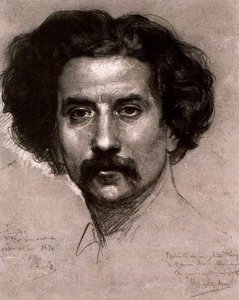
ramon marti alsina
1826 - 1894
Основные сведения
- Artistic Movement Or Style: Landscape painting
- Artists Or Movements Influenced By This Artist: ['Macchiaioli']
- Artists Who Influenced This Artist: ['Vincenzo Camuccini']
- Date Of Birth: 15 Oct 1826
- Date Of Death: 31 Jan 1903
- Full Name: Giovanni Costa (Nino Costa)
- Nationality: Italian
- Notable Artworks: ["Donne sulla spiaggia di Porto d'Anzio"]
- Place Of Birth: Rome, Italy