

 Предпросмотр
 Поделиться
 Поделиться
 Детали произведения

 Скачать
 Похожие работы
 Рентгенография
 Слайд-шоу
 Статистика
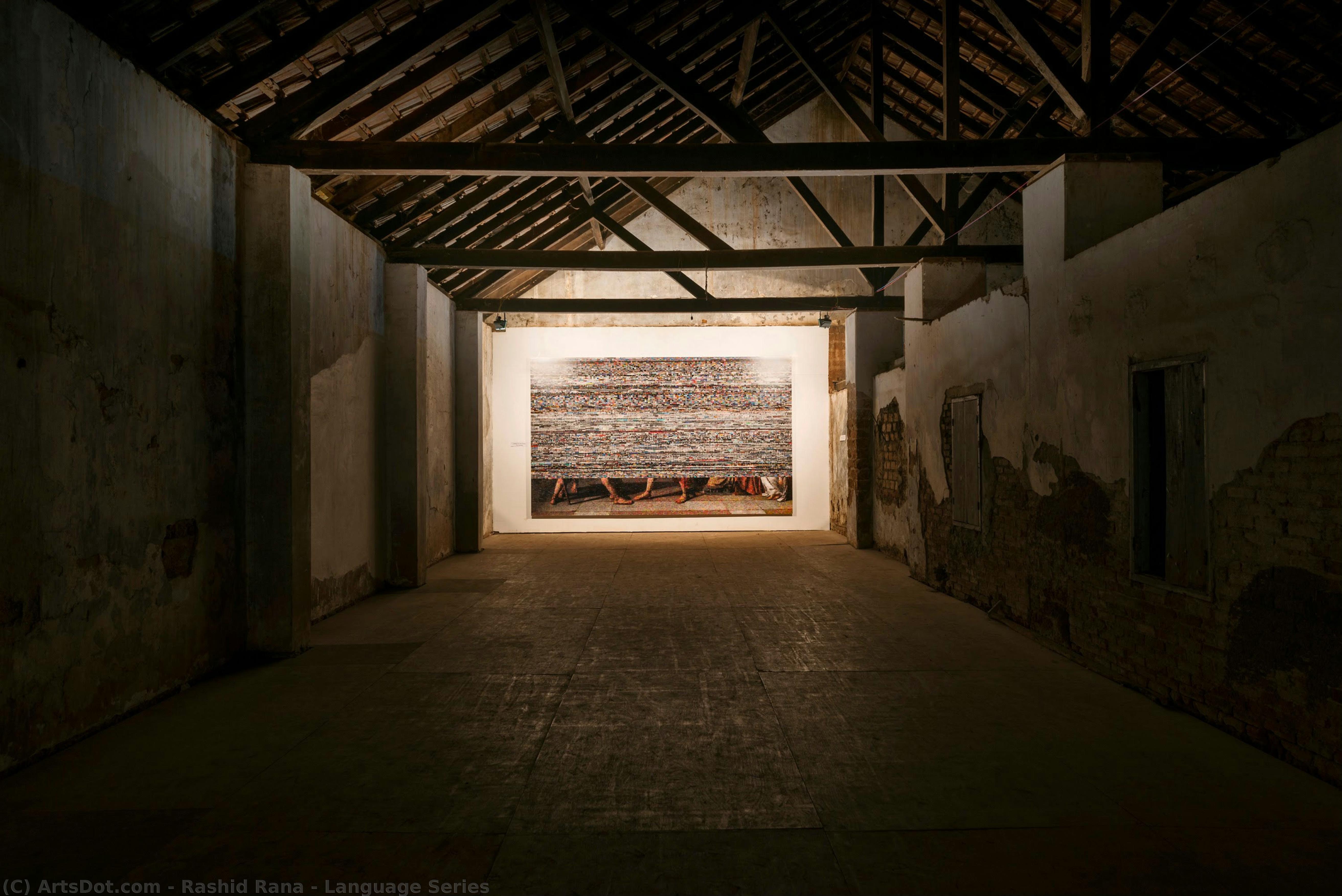
Language Series


 Читать далее
Жикле / Арт-принт
Печать (жикле) или холст музейного качества с быстрыми сроками изготовления и широким выбором вариантов отделки. ( Купить картину ручной работы Перейти к цифровым изображениям)




































Выберите один из наших стандартных размеров, соответствующих оригинальным пропорциям произведения искусства.

Вы можете указать свои собственные размеры, чтобы репродукция идеально подошла под конкретную раму или пространство. Если выбранный вами размер не будет соответствовать пропорциям оригинала, мы либо обрежем произведение, либо дополним изображение зеркальным отражением краев или однотонной заливкой. Перед началом производства вам будет отправлен цифровой макет для утверждения.
Пожалуйста, обратите внимание, что предварительный просмотр на экране не отображает фактическую обрезку или расширение изображения. Только макет точно покажет финальную композицию.
Несмотря на возможность заказа индивидуальных размеров, мы рекомендуем выбирать размер из предопределенного списка, чтобы сохранить оригинальные пропорции.
Доставка по всему миру () за 2 недели вместо стандартных 4/5 недель. (13 Сентябрь)

Бесплатная экспресс-доставка по всему миру

Высококачественный льняной холст

Полное страхование доставки

Гарантия возмещения таможенных пошлин

Гарантия точного соответствия цветов

100-дневная политика возврата (только при обнаружении дефектов)

Гарантия возврата 100% средств

Предложение оптовых скидок
 Вариант со стеклом доступен только для размеров менее 110 см

Language Series
Жикле / Арт-принт
Размер репродукции
-


Итоговая стоимость
$ 62
Похожие произведения






Биография художника
Robert Rauschenberg: A Life in Flux
Robert Rauschenberg, a name synonymous with innovation and playful disruption within the art world, wasn’t simply an artist; he was a relentless explorer of materials, processes, and the very definition of what constitutes “art.” Born Milton Ernest Rauschenberg in Port Arthur, Texas, in 1925, his early life – shaped by fundamentalist Christian parents and a childhood steeped in the industrial landscape of the Gulf Coast – would profoundly influence his later work. This juxtaposition of the sacred and the mundane, the organic and the manufactured, became a recurring motif throughout his career, driving him to challenge traditional boundaries and invite viewers into a world where art wasn’t confined to canvas or sculpture alone.
Rauschenberg's artistic journey began with an interest in painting, nurtured at the University of Texas at Austin. However, he quickly abandoned academic expectations, seeking instead to dismantle established conventions. His early “White Paintings” (1953-1954), stark expanses of white canvas punctuated by black paint, represented a radical departure from representational art, focusing instead on the materiality of the surface itself and the act of painting. This minimalist approach paved the way for his groundbreaking "Monoforms" (1959-1962), cast-off industrial objects – tires, metal scraps, plumbing fixtures – meticulously painted and presented as sculptures. These works signaled a shift towards incorporating everyday items into his art, blurring the lines between object and image.
The Rise of the Combine
Rauschenberg’s most celebrated achievement is undoubtedly the “Combine” paintings (1954-1964). These hybrid artworks – often described as a fusion of painting and sculpture – are arguably his most influential creations. Combining elements of collage, painting, and assemblage, they frequently featured a painted canvas mounted on top of a three-dimensional structure composed of found objects. The Combat with the Monster (1958), for example, incorporates a stuffed animal, a photograph, and a painted surface, creating a complex and layered narrative that resists easy interpretation. These works weren’t simply about juxtaposing objects; they were investigations into perception, memory, and the relationship between image and reality. Influenced by Dada and Surrealism, Rauschenberg deliberately avoided providing definitive answers, instead inviting viewers to actively participate in constructing meaning.
The concept of the “Combine” extended beyond painting, influencing his printmaking as well. His 1968 work, *Autobiography*, stands as a monumental testament to this approach. Printed on three sheets of paper using a billboard press – an industrial printing method typically reserved for advertising – it’s a sprawling collage of images, text, and found objects that chronicles the artist's life and artistic journey. The sheer scale of the piece (16.5 feet tall) underscores its ambition, while the inclusion of indexical images—photographs, X-rays, and other traces of his own existence—creates a deeply personal and intimate work.
Experimentation and Evolution
Throughout his career, Rauschenberg remained committed to experimentation, constantly pushing the boundaries of his practice. He explored photography, creating “Red Swatch Book” (1963), a series of photographs documenting the changing colors of paint on canvas, and ventured into papermaking, producing intricate and layered works that resembled maps or architectural blueprints. His later work often incorporated performance art, inviting audiences to witness his creative process firsthand. He also developed a significant body of graphic work, including screenprints and lithographs, characterized by their bold imagery and unconventional techniques.
Rauschenberg’s influence on subsequent generations of artists is undeniable. His willingness to embrace chance, his playful use of materials, and his rejection of traditional artistic hierarchies paved the way for Pop Art, Conceptual Art, and Neo-Expressionism. He demonstrated that art could exist outside the confines of galleries and museums, engaging with everyday life and challenging viewers to reconsider their assumptions about what constitutes “art.”
Legacy and Recognition
Robert Rauschenberg’s career spanned nearly six decades, during which he received numerous accolades, including the National Medal of Arts in 1993 and the Legion d'honneur from France. His work is held in major museums worldwide, including the Museum of Modern Art (MoMA) in New York, the San Francisco Museum of Modern Art, and the Tate Modern in London. His legacy extends beyond his individual artworks; he established the Robert Rauschenberg Foundation in 1986 to support artists and promote creative experimentation.
Rauschenberg died in Captiva Island, Florida, in May 2008, leaving behind a body of work that continues to fascinate and inspire. His art remains a testament to the power of curiosity, innovation, and the enduring spirit of artistic exploration.
rashid rana
1968 - , Pakistan
Основные сведения
- Artistic Movement Or Style:
- Assemblage
- Pop Art
- Neo-Dada
- Abstract Expressionism
- Artists Or Movements Influenced By This Artist:
- Andy Warhol
- Minimalism
- Artists Who Influenced This Artist:
- Jackson Pollock
- Mark Rothko
- Jasper Johns
- Date Of Birth: October 22, 1925
- Date Of Death: May 12, 2008
- Full Name: Robert Rauschenberg
- Nationality: American
- Notable Artworks:
- Canyon
- Monogram
- Autobiography
- Place Of Birth: Port Arthur, Texas, USA