

 Предпросмотр
 Поделиться
 Поделиться
 Детали произведения

 Скачать
 Похожие работы
 Рентгенография
 Слайд-шоу
 Статистика
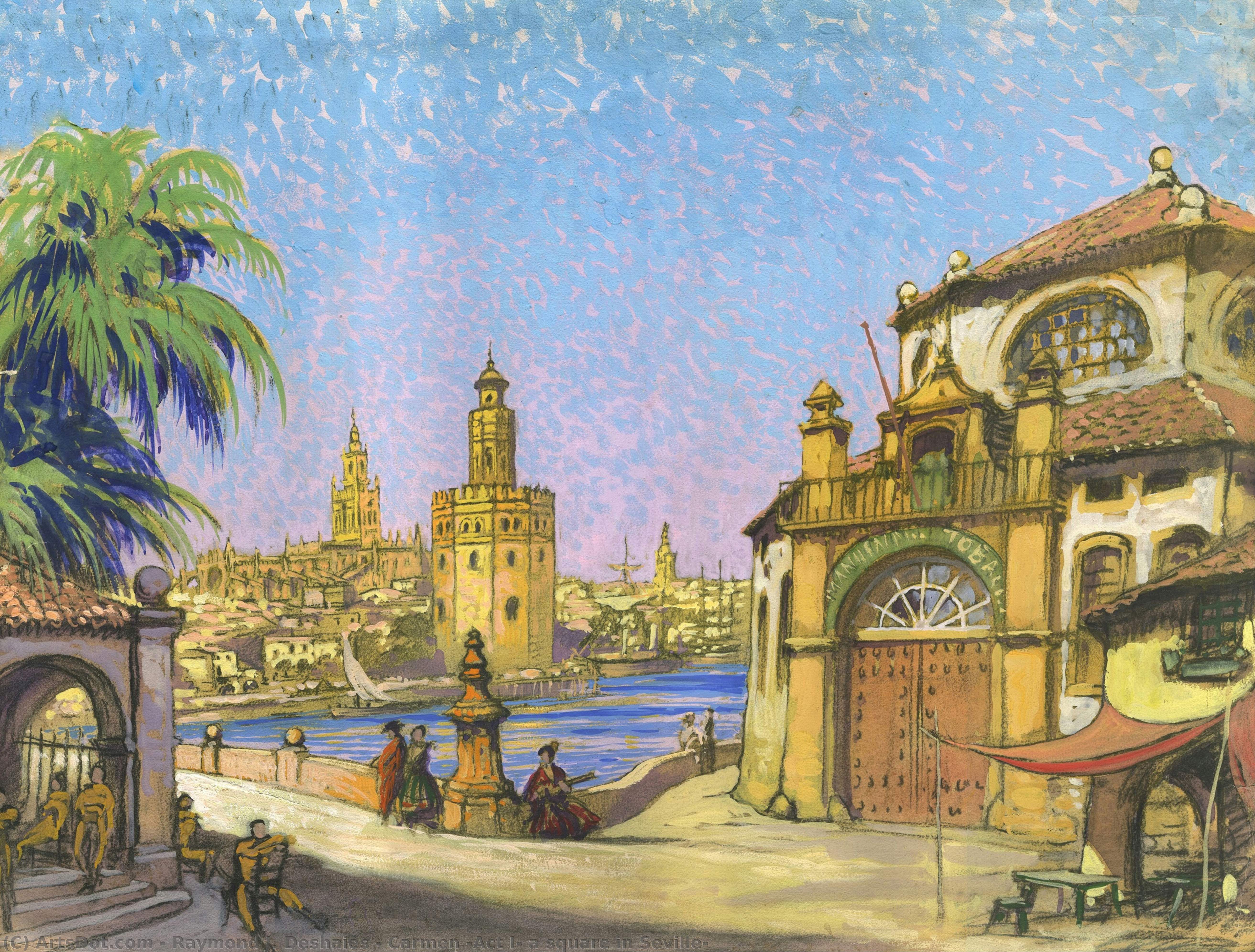
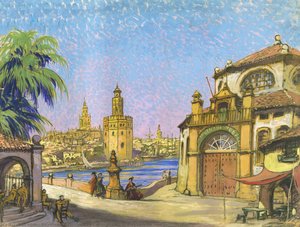
Carmen (Act I, a square in Seville)


 Читать далее
Жикле / Арт-принт
Печать (жикле) или холст музейного качества с быстрыми сроками изготовления и широким выбором вариантов отделки. ( Купить картину ручной работы Перейти к цифровым изображениям)




P118B $10

P118H $10

P118W $10

P438Z $10

P508JH $12

P508YH $12

P805H $10

P805Z $10

P919BZ $10

P919G $10

P919XJ $10

P959ZH $10

P968JZ $12

W106C $8

W218G $10

W218JH $8

W218Y $10

W307PJ $10

W316G $10

W316PJ $8

W316Y $10

W398PJ $8

W4111J $10

W500HY $15

W500JH $15

W692G $12

W849H $8

W940BG $15

W953PJ $8




Выберите один из наших стандартных размеров, соответствующих оригинальным пропорциям произведения искусства.

Вы можете указать свои собственные размеры, чтобы репродукция идеально подошла под конкретную раму или пространство. Если выбранный вами размер не будет соответствовать пропорциям оригинала, мы либо обрежем произведение, либо дополним изображение зеркальным отражением краев или однотонной заливкой. Перед началом производства вам будет отправлен цифровой макет для утверждения.
Пожалуйста, обратите внимание, что предварительный просмотр на экране не отображает фактическую обрезку или расширение изображения. Только макет точно покажет финальную композицию.
Несмотря на возможность заказа индивидуальных размеров, мы рекомендуем выбирать размер из предопределенного списка, чтобы сохранить оригинальные пропорции.
Доставка по всему миру () за 2 недели вместо стандартных 4/5 недель. (13 Сентябрь)

Бесплатная экспресс-доставка по всему миру

Высококачественный льняной холст

Полное страхование доставки

Гарантия возмещения таможенных пошлин

Гарантия точного соответствия цветов

100-дневная политика возврата (только при обнаружении дефектов)

Гарантия возврата 100% средств

Предложение оптовых скидок
 Вариант со стеклом доступен только для размеров менее 110 см

Carmen (Act I, a square in Seville)
Жикле / Арт-принт
Размер репродукции
-


Итоговая стоимость
$ 62
A Vibrant Tapestry of Seville: The Essence of Carmen
In the evocative masterpiece "Carmen (Act I, a square in Seville)," the viewer is instantly transported to the sun-drenched, bustling heart of Andalusia. This stunning work by Raymond J. Deshaies captures more than just a geographical location; it captures a moment of theatrical suspended animation. The painting depicts a lively square in Seville, where the architecture speaks of historical grandeur, anchored by a magnificent clock tower that looms over the cityscape. As the eye wanders through the composition, one discovers a world teeming with life—figures drift through the plaza, horses traverse the cobblestones, and the very air seems to vibrate with the rhythmic energy of a Spanish afternoon. It is an invitation to step into the operatic stage, where every shadow and sunbeam tells a story of passion and tradition.
The technique employed by Deshaies is nothing short of mesmerizing, blending a meticulous eye for architectural detail with a painterly fluidity that suggests movement and breath. There is a profound sense of atmosphere achieved through the interplay of light and color; the warmth of the Spanish sun illuminates the facades of the buildings, creating a brilliant contrast against the deeper, more mysterious shadows tucked within the alleyways. For the discerning collector or interior designer, this piece offers a sophisticated focal point that brings a sense of "Old World" romance into a modern space. The composition is balanced yet dynamic, utilizing the placement of figures and animals to guide the viewer’s gaze in a continuous loop of discovery, much like a stroll through the actual streets of Seville.
Beyond its visual splendor, the painting carries a deep symbolic resonance, particularly for those familiar with the legendary opera Carmen. The square serves as more than a setting; it is a stage for destiny. The presence of the horses and the bustling crowd evokes the sensory overload of the opera's opening act—the sounds of footsteps, the scent of dust and heat, and the underlying tension of characters about to collide in a drama of fate. Deshaies, with his unique background in the biological sciences, brings an almost cellular precision to the way light interacts with surfaces, imbuing the scene with a palpable, living pulse. This is not merely a landscape; it is a breathing ecosystem of human emotion and historical weight.
Integrating such a high-quality reproduction into a curated collection or a luxury interior provides an immediate sense of depth and narrative. Whether placed in a grand salon to evoke Mediterranean warmth or in a private study to inspire contemplative thought, "Carmen (Act I)" acts as a window into another era. It is a piece that rewards repeated viewing, offering new details—a distant figure on a bench, the tilt of a horse's head, the intricate geometry of the clock tower—each time the eye meets the canvas. For those seeking to adorn their surroundings with art that embodies both academic rigor and poetic beauty, this work stands as a testament to the enduring allure of the Spanish spirit.
Похожие произведения
Биография художника
The Alchemist of Light and Lyricism
In the rare intersection where the precision of molecular biology meets the sweeping drama of the operatic stage, one finds the singular vision of Raymond J. Deshaies. An artist whose work functions as a bridge between two seemingly disparate worlds, Deshaies brings a scientist’s eye for detail to the ethereal realms of classical music and historical narrative. Born in Waterbury, Connecticut, in 1961, his journey began not with a paintbrush, but with the microscopic wonders of life itself. His academic path, marked by a doctorate from the University of California, Berkeley, and a distinguished professorship at Caltech, established him as a formidable figure in the field of biochemistry. Yet, beneath the rigorous study of protein homeostasis and cellular degradation lies an enduring passion for the lyrical beauty of opera, a passion that would eventually transform his scientific discipline into a profound method of artistic inquiry.
Deshaies’s approach to illustration is far more than mere decoration; it is a visual dissection of emotion. Drawing upon his deep understanding of physiological nuance, he approaches the canvas as if examining the very essence of human experience. When he depicts the sun-drenched streets of Seville in Carmen or the opulent, chandelier-lit ballrooms of Romeo and Juliet, he is not simply recreating a set; he is capturing the visceral sensations of the characters. His background in cell biology allows him to perceive the subtle interplay of light, posture, and facial expression as elements that constitute the psychological landscape of a scene. This unique perspective imbues his work with a sense of theatrical suspended animation, where every brushstroke serves to freeze a moment of profound dramatic tension.
A Symphony of Gouache and Shadow
The technical mastery of Deshaies is most evident in his use of gouache, a medium that allows for the rich, opaque textures necessary to convey the weight of history and the fluidity of atmosphere. In his celebrated depictions of The Tales of Hoffmann, particularly the Venetian dreamscape of Act IV, one can witness a breathtaking mastery of light and shadow. He utilizes the medium to create a luminous world where the architecture of Venice meets the shimmering surface of the lagoon, bathing the scene in a warm, golden glow that evokes both romance and a haunting sense of nostalgia. The meticulousness of his technique—a hallmark of his scientific training—is visible in the way light interacts with the surfaces of ancient buildings and the gentle, rhythmic ripples of the canal.
His oeuvre is characterized by several key thematic explorations:
- The Intersection of Science and Art: Utilizing the analytical rigor of biochemistry to inform the composition, lighting, and emotional depth of his illustrations.
- Operatic Narrative: Reimagining iconic moments from masterpieces such as Faust, Carmen, and The Tales of Hoffmann through a lens of visual storytelling.
- Atmospheric Realism: Creating immersive environments that transport the viewer to specific historical and geographical locales, from the bustling squares of Andalusia to the majestic palaces of Venice.
Ultimately, the significance of Raymond J. Deshaies lies in his ability to prove that the analytical and the expressive are not mutually exclusive. His work stands as a testament to the idea that a deep understanding of the physical world can enhance our appreciation for the ephemeral beauty of art. Through his illustrations, the complex mechanisms of life and the dramatic crescendos of the opera house find a common language, resulting in a body of work that is as intellectually stimulating as it is visually captivating.
raymond j. deshaies
1961 - , United States of America
Основные сведения
- Artistic Movement Or Style: Opera Illustration
- Date Of Death: Living
- Full Name: Raymond J. Deshaies
- Nationality: American
- Notable Artworks:
- Romeo and Juliet (Act I, a party at the Capulets)
- Carmen (Act I, a square in Seville)
- The Tales of Hoffmann (Act IV, Giulietta a palace in Venice)
- Place Of Birth: United States of America
Похожие статьи
Казимир Малевич: 25 шедевров супрематизма для ценителей искусства и декора интерьера
Погрузитесь в мир супрематизма с Казимиром Малевичем! 25 культовых картин, история создания и значение. Репродукции высокого качества для вашего интерьера на ArtsDot.com. Откройте всю коллекцию онлайн!
Эдвард Хоппер: 25 шедевров американского реализма для вашего интерьера
Погрузитесь в мир Эдварда Хоппера! 25 культовых картин американского реализма, полных света и тени. История искусства, техника живописи и вдохновение для вашего интерьера. Репродукции музейного качества на ArtsDot.com.

Топ-25 шедевров Клода Моне: Искусство света и импрессионизма для вашего интерьера
Погрузитесь в мир Клода Моне! 25 шедевров импрессионизма, от "Водных лилий" до знаменитых пейзажей. Узнайте историю создания картин и вдохновитесь для декора интерьера. Репродукции музейного качества на ArtsDot.com.

Топ-25 шедевров Кацусики Хокусая: Искусство Японии для вашего интерьера
Погрузитесь в мир гения Кацусики Хокусая! 25 легендарных гравюр укиё-э, включая "Великую волну". История искусства Японии и вдохновение для вашего интерьера. Репродукции высокого качества на ArtsDot.com.

Bartolomé Esteban Murillo: Divine Light & Social Commentary in Golden Age Seville
Explore the captivating world of Bartolomé Esteban Murillo, a master of Spanish Baroque painting. Discover his luminous religious scenes, tender genre paintings & lasting legacy in Golden Age Seville. Learn more at ArtsDot.