


 Предпросмотр
 Поделиться
 Поделиться
 Детали произведения

 Скачать
 Похожие работы
 Рентгенография
 Слайд-шоу
 Статистика
Columbine Revives the Unconscious Pantalone

 Читать далее
Приобретите цифровое изображение высокого разрешения в улучшенном качестве, которое значительно превосходит онлайн-превью.
Каждый файл тщательно подготавливается нашими специалистами с использованием передовых инструментов и экспертной ручной ретуши. Мы гарантируем исключительную четкость, точную цветопередачу и детальную проработку каждого изображения.
Финальный файл доставляется по электронной почте в течение 72 часов и оптимизирован для немедленного использования в профессиональной среде, при верстке и печати. Это тот же уровень качества, которому доверяют ведущие дизайнерские студии, издательства и галереи.
Цифровое изображение
Скачайте файл высокого разрешения для личного использования, печати и творческих проектов. ( Перейти к печати Купить картину ручной работы)
Включено в каждый заказ цифровых изображений
Гарантия экспертной цифровой доставки
Выбирая ArtsDot.com, вы получаете не просто изображение — вы приобретаете профессионально обработанное цифровое произведение искусства, созданное с безупречной точностью и под защитой гарантии качества. Вот всё, что автоматически входит в ваш заказ:

Мгновенная доставка по e-mail
Ваш цифровой файл в высоком разрешении будет отправлен вам по электронной почте в течение 72 часов после оформления заказа — и сразу станет доступен для использования.

Цифровой файл с ИИ-улучшением
Ваше произведение искусства проходит профессиональную оптимизацию с использованием передовых инструментов ИИ и ручной обработки, что гарантирует максимальную детализацию, четкость и точность цветопередачи.

Бессрочная бесплатная повторная доставка
Случайно удалили или потеряли файл? Не беспокойтесь — мы отправим его вам повторно в любое время и совершенно бесплатно.

Без импортных пошлин — навсегда
Наслаждайтесь вашим произведением искусства мгновенно без таможенных пошлин, сборов или затрат на доставку — цифровые загрузки всегда не облагаются налогом.

Гарантия точности цветопередачи
Мы гарантируем, что ваше цифровое изображение максимально точно передает оригинальные цвета благодаря использованию профессиональных инструментов и систем управления цветом.

Гарантия удовлетворенности 100 дней
Если вы не будете удовлетворены своим цифровым изображением, мы внесем правки или вернем 100% стоимости в течение 100 дней — без лишних вопросов.

100% Гарантия возврата средств
Не удовлетворены покупкой? Получите полный возврат средств в течение 100 дней после получения цифрового файла — без лишних вопросов.

Скидки на оптовые заказы
Купите 3 изображения, сэкономьте 10% — Купите 5, сэкономьте 15% — Купите 10+, сэкономьте 20%. Отличное решение для творческих проектов, галерей и агентств.
Похожие произведения







Биография художника
The Sculptor of Porcelain Dreams
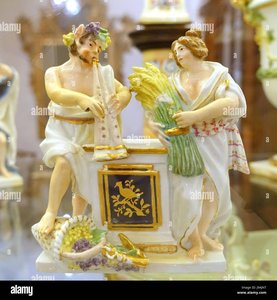
Giuseppe Gricci (c. 1700 – 1770) stands as a pivotal figure in the history of Italian porcelain art, inextricably linked to the magnificent Real Fábrica del Buen Retiro—a testament to Habsburg patronage and artistic innovation that reshaped European ceramics production. Born in Naples, Italy, Gricci’s formative years were steeped in the Florentine artistic tradition, where he honed his sculptural skills before embarking on a career dedicated to elevating the aesthetic standards of porcelain manufacture. His legacy resides not merely in individual figurines but in fundamentally altering techniques and establishing a celebrated workshop that produced some of the most recognizable images of Commedia dell'arte characters.
Details surrounding Gricci’s early life remain somewhat elusive, primarily documented through records pertaining to his apprenticeship under Alessandro Falcone, a renowned sculptor active in Florence during the Baroque period. This training instilled within him a mastery of anatomical modeling and classical sculptural principles—skills that would prove invaluable as he transitioned into the demanding realm of porcelain sculpting. The influence of Falcone’s artistic vision undoubtedly shaped Gricost's approach to portraying human figures with grace, dynamism, and expressive detail, allowing him to breathe life into the delicate medium of soft-paste porcelain.
From Capodimonte to the Spanish Court
Gricci’s professional ascent began in 1738 when he accepted a position as modeller at the Capodimonte porcelain manufactory in Naples—a royal institution established by Charles III of Spain to revive the prestige of Neapolitan ceramics. Under Charles III's watchful eye, Gricci spearheaded a concerted effort to reinvigorate artistic standards and introduce new stylistic considerations into the workshop’s output. He skillfully collaborated with fellow artisans to develop innovative models that captured the whimsical essence of contemporary culture.
A defining moment in Gricci's career occurred in 1760, when Charles III ascended to the Spanish throne. In a monumental relocation of artistic talent, the King moved the entire operation from Naples to Madrid, bringing with him approximately forty key workers and five tons of porcelain paste. As the main modeller for the newly established Real Fábrica del Buen Retiro, Gricci became the architect of a new era in Spanish ceramics. Because the factory continued to use the same materials and the iconic fleur-de-lis mark as its Neapolitan predecessor, the transition period remains a seamless, beautiful blur of artistic continuity, where the elegance of the Rococo began to meet the rising tide of Neoclassicism.
The Artistry of Character and Form
The true brilliance of Gricci’s work lies in his ability to translate theatrical performance into static, porcelain form. He found endless inspiration in the Commedia dell'arte, a genre of improvisational street theater that provided a limitless reservoir of expressive archetypes. His sculptures are celebrated for their psychological depth and movement, often featuring characters such as:
- Pulcinella: Perhaps his most iconic subject, Gricci captured the gluttonous and temperamental nature of this character through intricate details, such as the depiction of food, wine, and even symbolic accessories like a pepper pinned to a tunic.
- Classical Figures: As tastes shifted, Gricci adapted his style to reflect the burgeoning Neoclassical movement, sculpting figures inspired by Greek and Roman mythology with newfound restraint and dignity.
- Genre Scenes: Beyond theatrical masks, his work often depicted charming, everyday moments that showcased his mastery of texture, from the folds of heavy fabric to the delicate surfaces of food.
Through his hands, porcelain ceased to be merely a decorative medium for tableware and became a sophisticated canvas for narrative storytelling. The technical precision required to model such expressive poses in fragile clay, only to have them survive the intense heat of the kiln, remains a testament to Gricci's unparalleled skill. His work at Buen Retiro helped establish a standard of excellence that would influence European porcelain production for decades, ensuring that his name remains forever etched in the annals of ceramic history.
real fabrica de buen retiro
1700 - 1770 , Italy
Основные сведения
- Artistic Movement Or Style: Baroque ceramics
- Artists Or Movements Influenced By This Artist: ['Capodimonte porcelain']
- Artists Who Influenced This Artist: ['Florence']
- Date Of Birth: c 1700
- Date Of Death: 1770
- Full Name: Giuseppe Gricci
- Nationality: Italian
- Notable Artworks:
- Pulcinella
- Columbine Revives the Unconscious Pantalone
- Place Of Birth: Naples, Italy